Peninsular Malaysia
-
Jul 15-28, 2027
Susan Myers
2027
Single Room Supplement $1,320







2027
Single Room Supplement $1,320
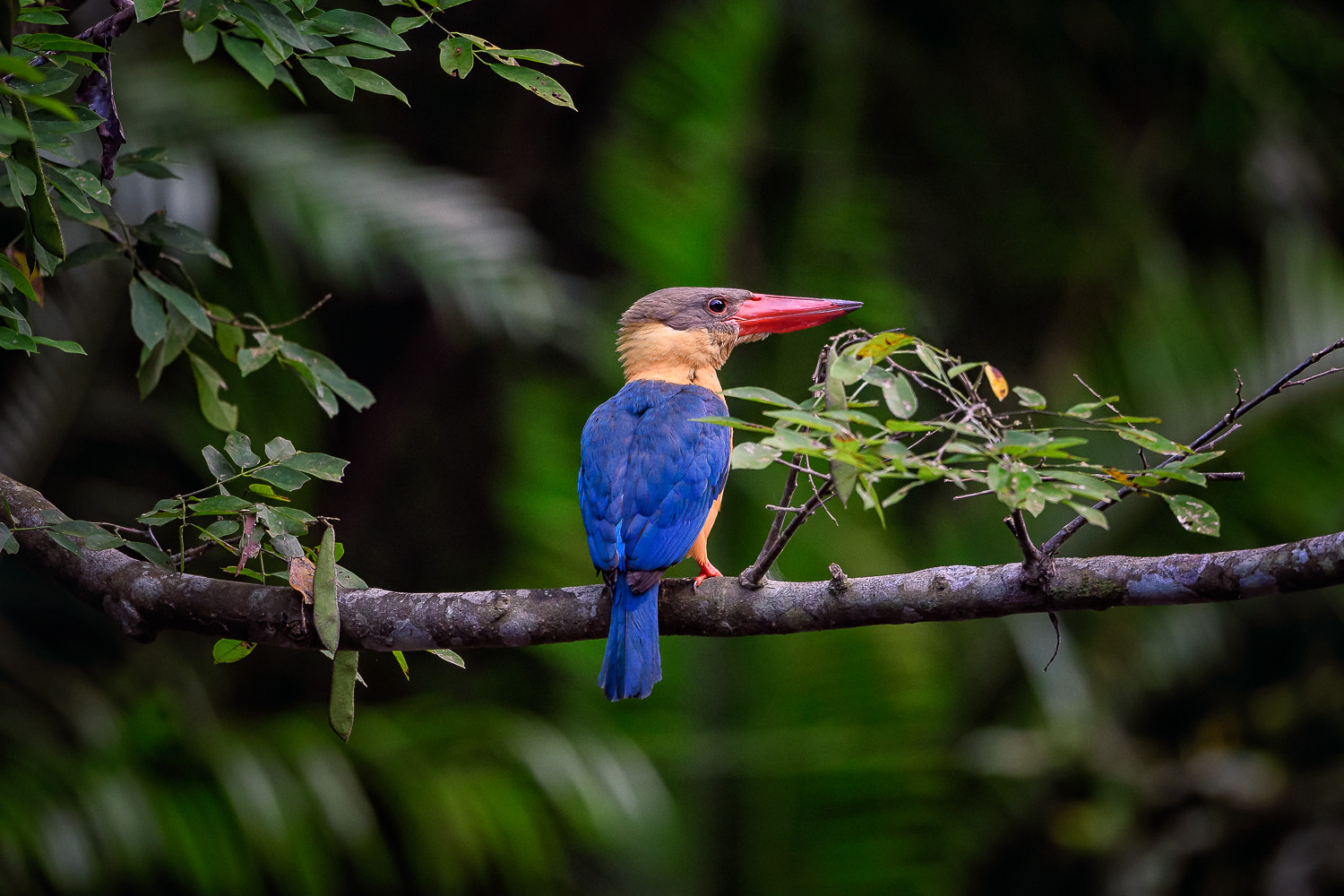
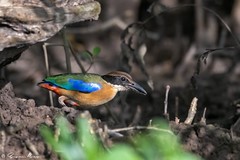
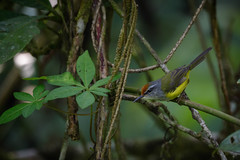
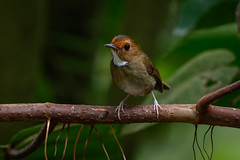
About 720 bird species have been recorded in peninsular Malaysia, and a large proportion of these are resident, many unique to the area’s lush tropical rainforest. Our short tour revolves around three nights in the cool highlands at Fraser’s Hill, where the first migrants from the north augment the local avifauna, and five nights in the superb Sundaic lowland forest of magnificent Taman Negara, Malaysia’s largest national park. We’ll be targeting some very special birds, including Malayan Peacock-Pheasant, Great Argus, Malaysian Rail-babbler, Giant Pitta, Bamboo Woodpecker, and Ferruginous Partridge. This wonderful country remains one of the birdiest in Southeast Asia thanks to a system of excellent, well-protected nature reserves, its multicultural population, modern infrastructure, great food, and small towns with old-world charm help make Malaysia a comfortable and memorable birding adventure.
This tour can be taken separately or in combination with our tour of Borneo, the world’s third-largest island.

Day 1: Our tour begins this evening in Kuala Lumpur with a get-together dinner. Night in Kuala Lumpur.
Day 2: We’ll spend the morning birdwatching at Ulu Langat, where barbets, woodpeckers, spiderhunters, flowerpeckers, and sunbirds abound. This area provides a great introduction to Malaysian birds, and the list of even the common birds is tantalizing – Mountain Imperial Pigeon, Emerald Dove, Blue-crowned Hanging Parrot, Indian Cuckoo, Drongo Cuckoo, Chestnut-breasted Malkoha, Whiskered Treeswift, Oriental Dwarf Kingfisher, Scarlet Minivet, Great Green Leafbird, Green Iora, Grey-headed Canary Flycatcher, Asian Paradise Flycatcher, Thick-billed Pigeon, Little Cuckoo-Dove, Blue-eared Barbet, Banded Woodpecker and Banded Broadbill are all possible. It’s also a great place to look for the elusive Scaly-breasted Bulbul and maybe even Collared Babbler. After lunch, we’ll return to Kuala Lumpur for lunch before heading to a nearby wetlands reserve for some afternoon birding. Night in Kuala Lumpur.
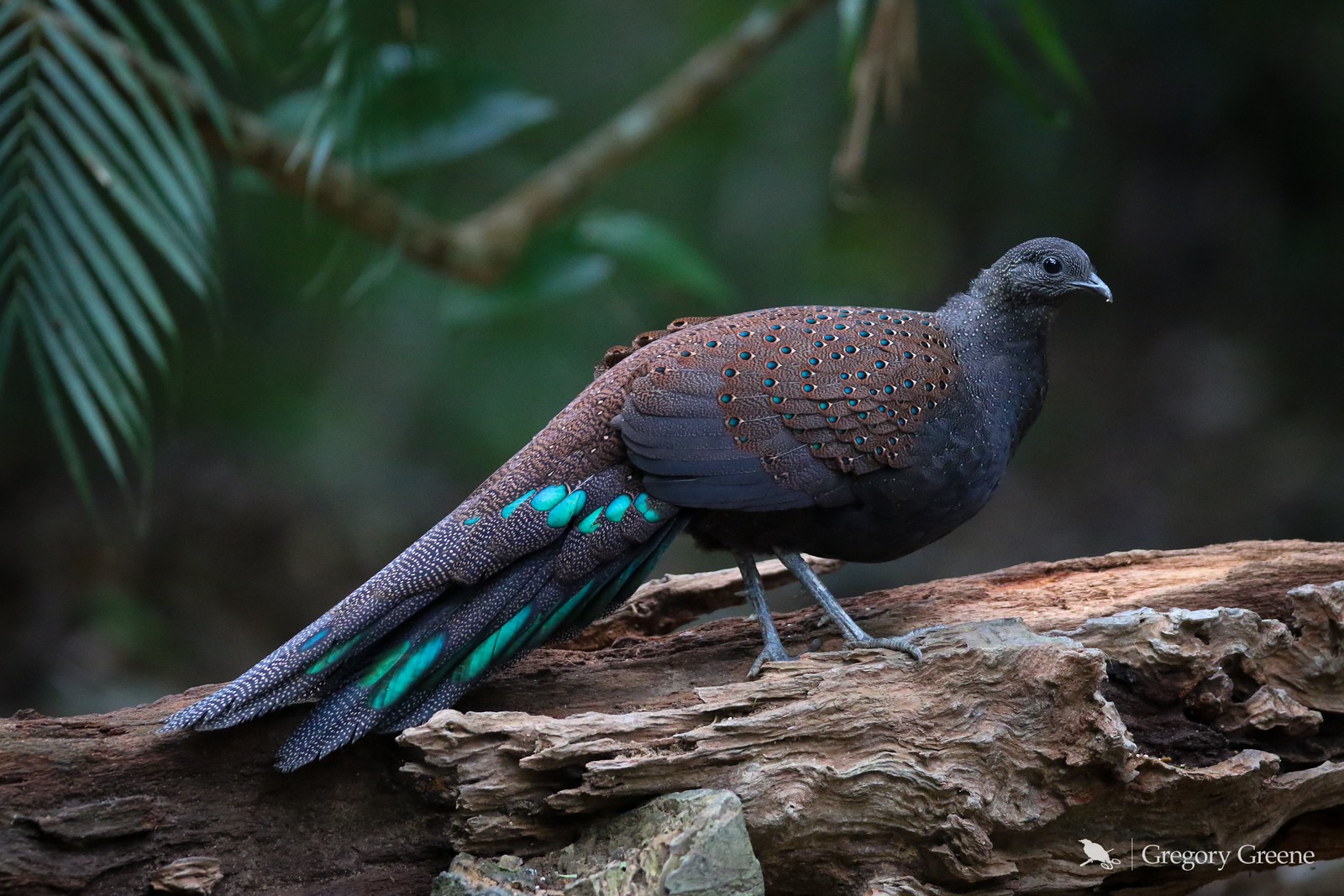
Day 3: This morning we’ll drive to our north to visit the mangroves at Kuala Selangor, home to a number of special birds we are unlikely to encounter elsewhere on the tour, including Black Baza, Chestnut-bellied Malkoha, Mangrove Pitta (increasingly rare), Mangrove Whistler and Mangrove Blue-Flycatcher. In the afternoon we’ll drive to Fraser’s Hill. Night at Kuala Selangor.
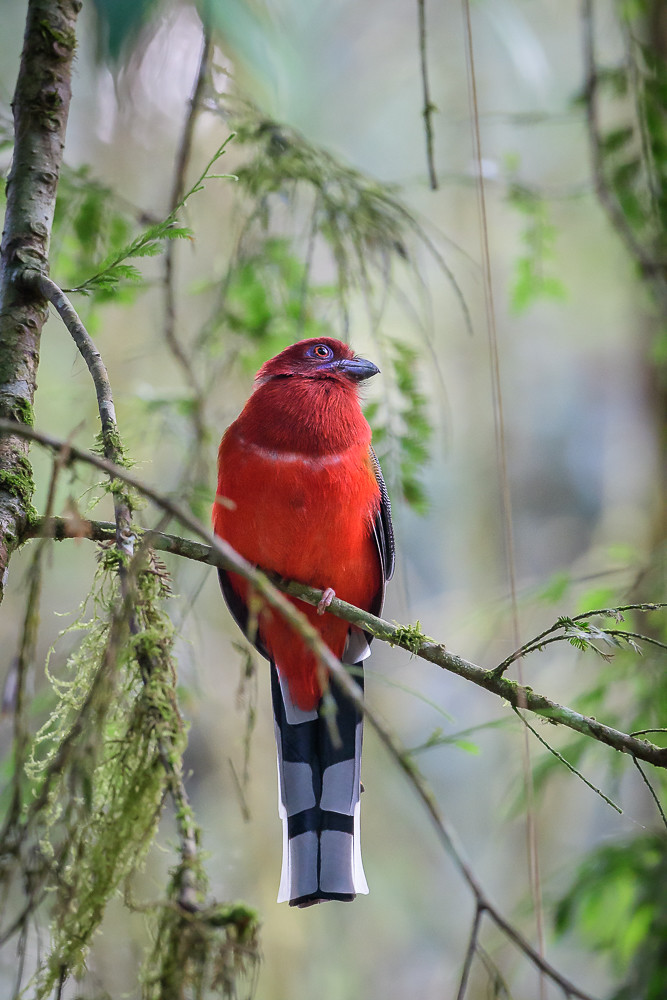
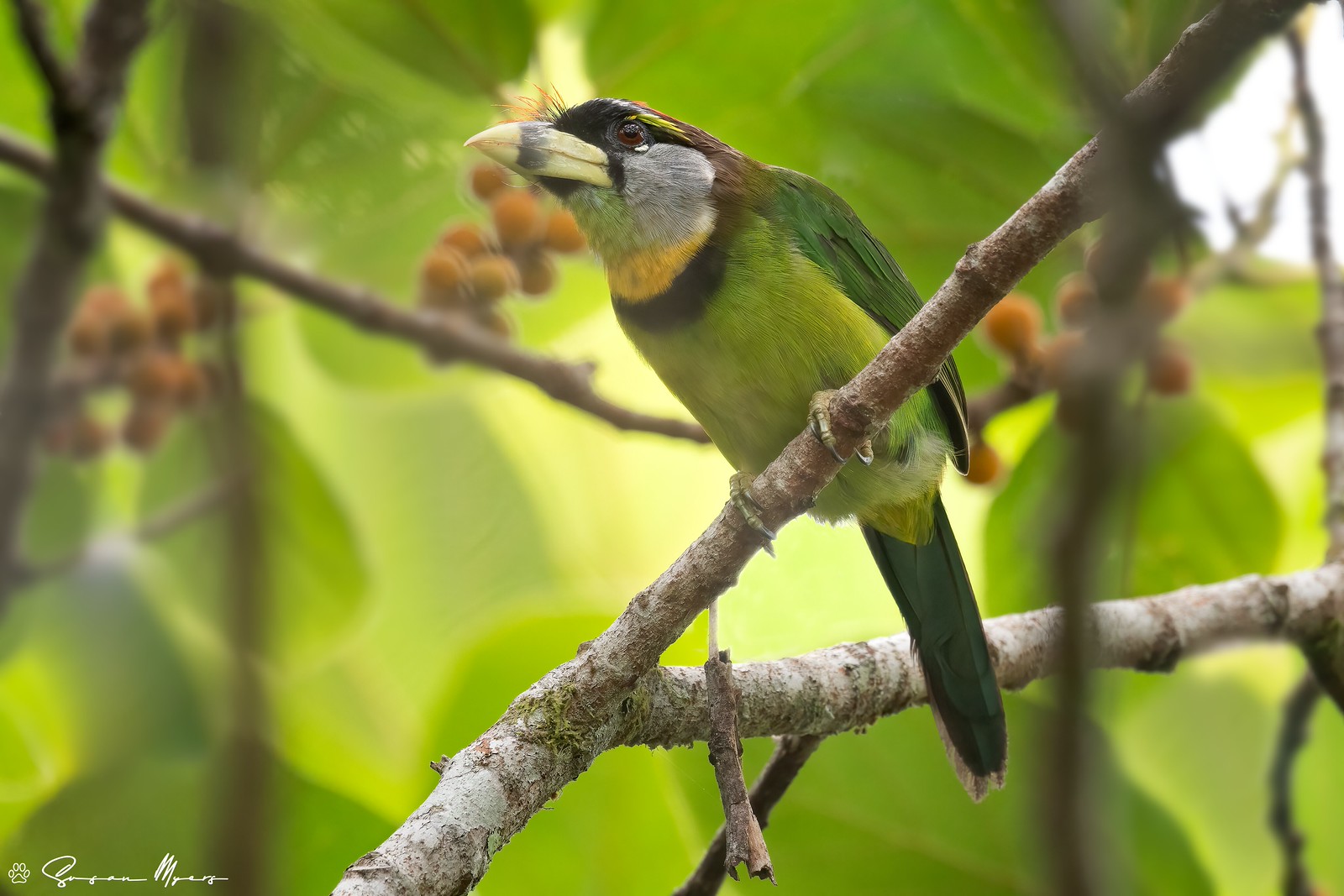
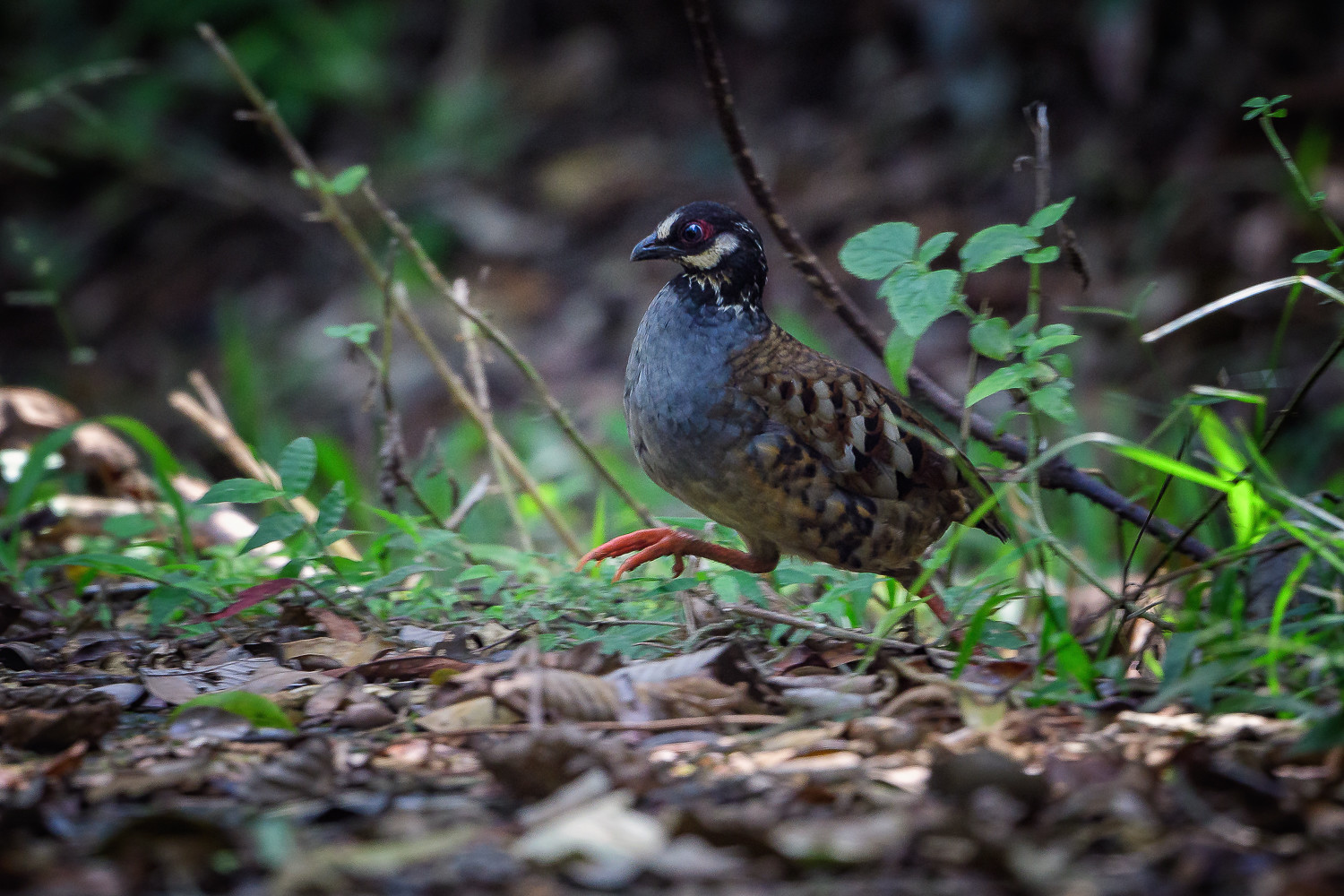
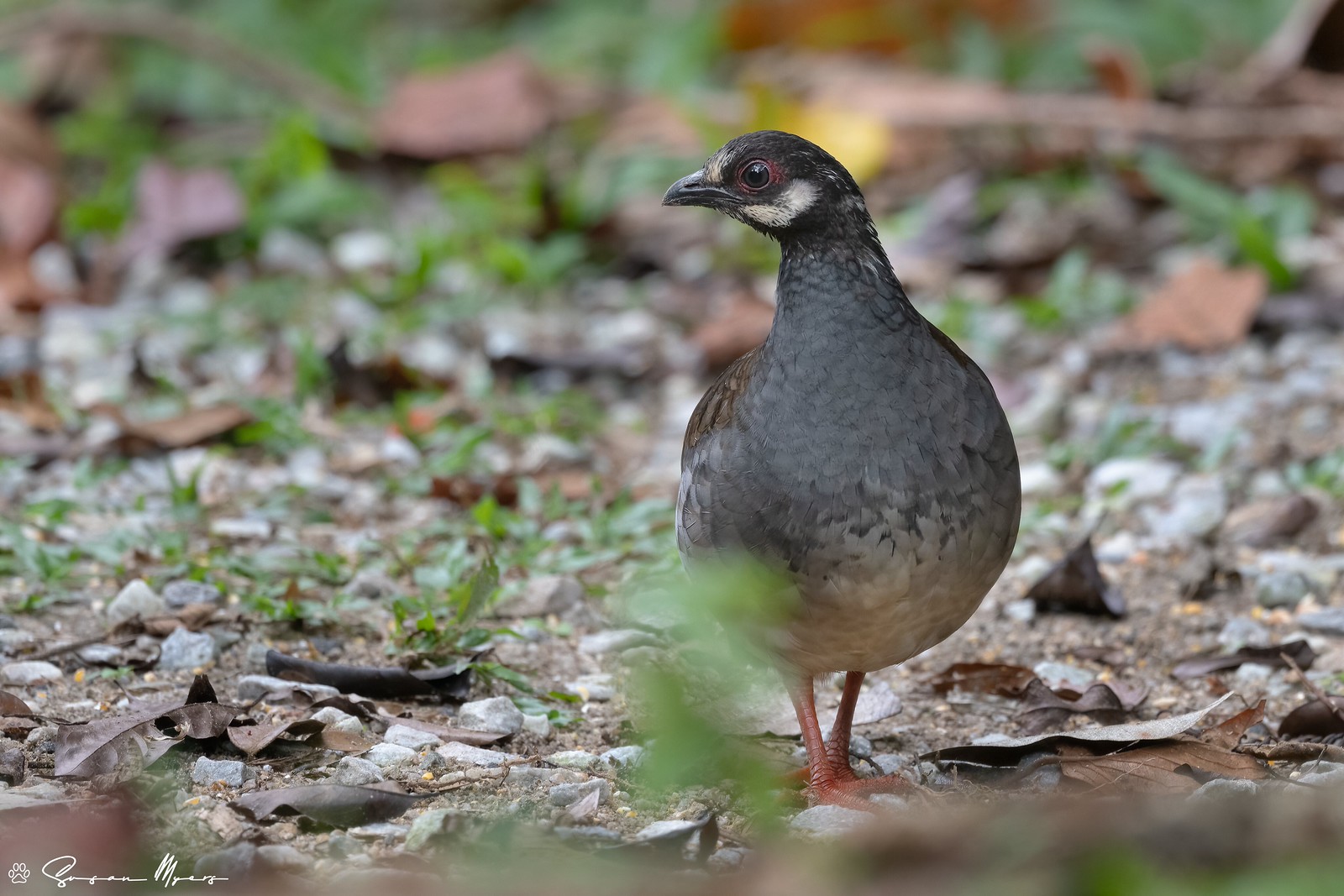
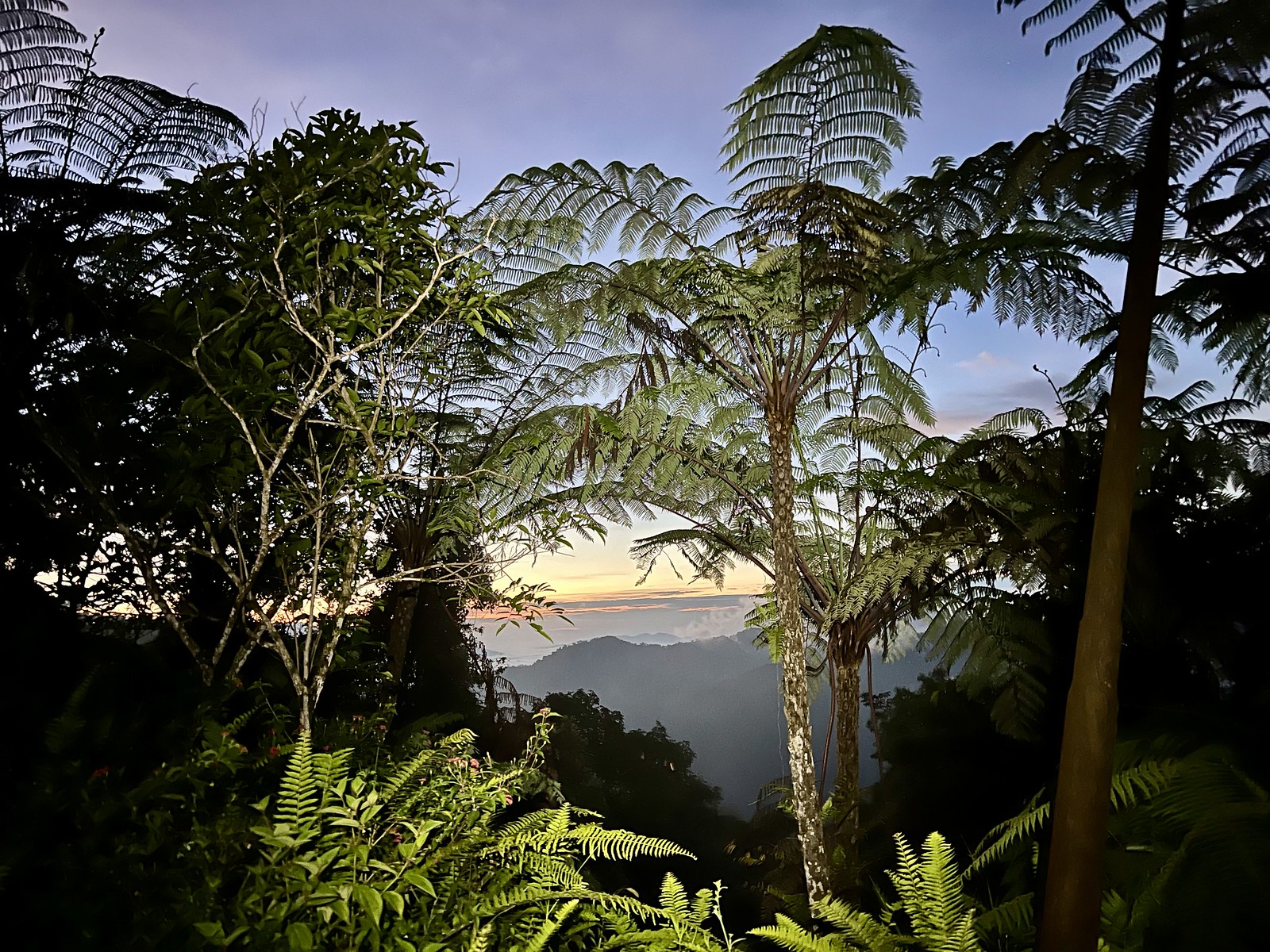
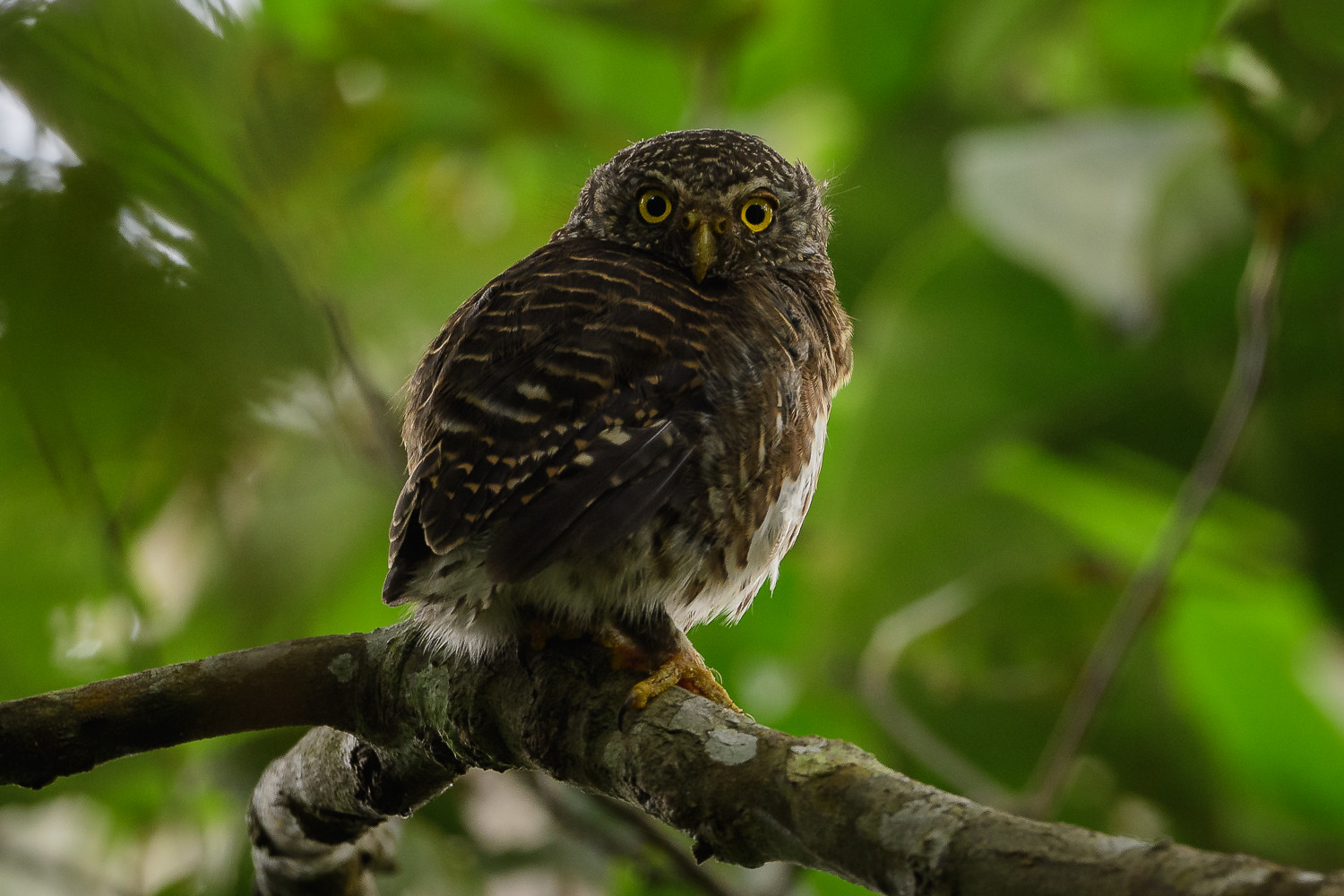
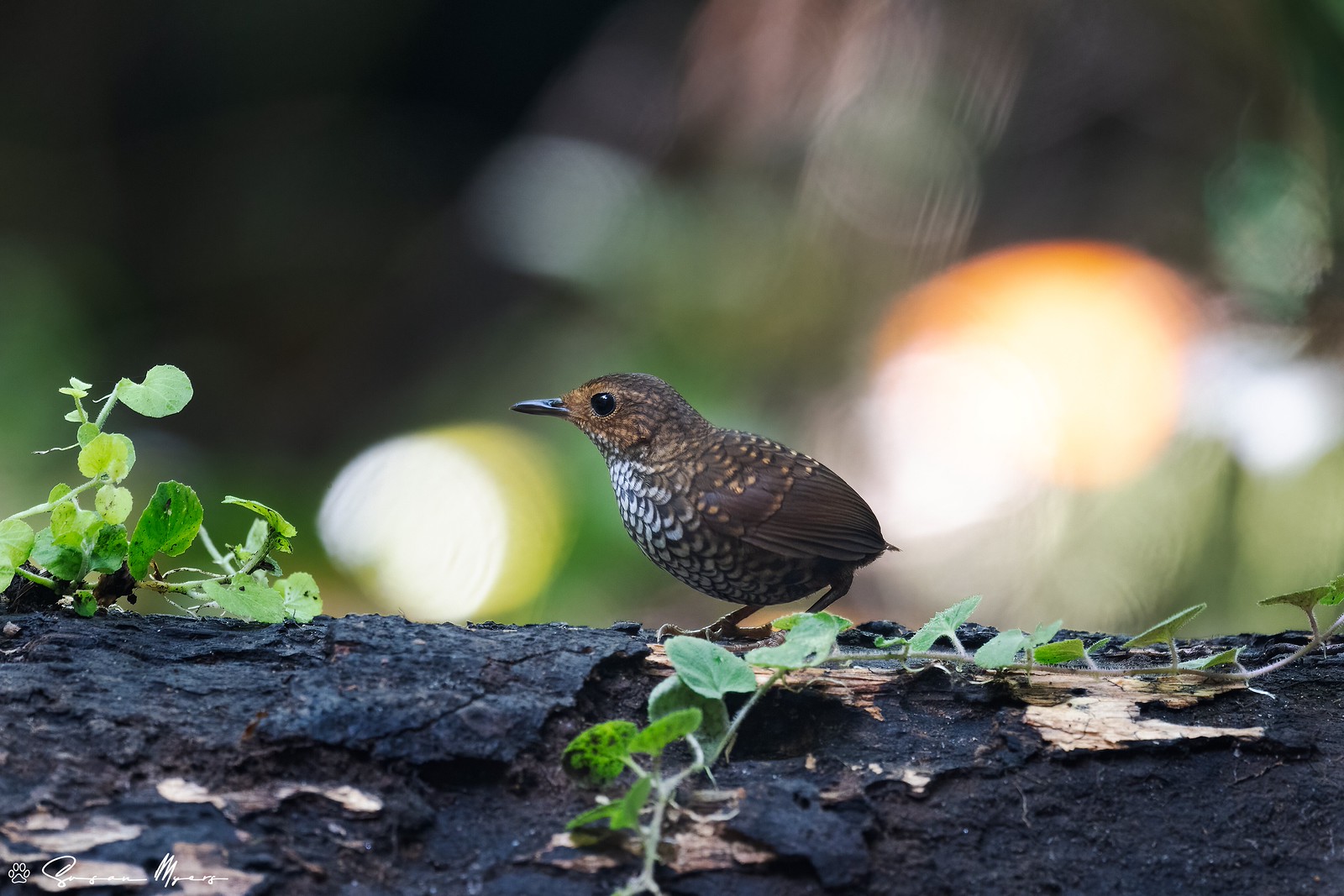
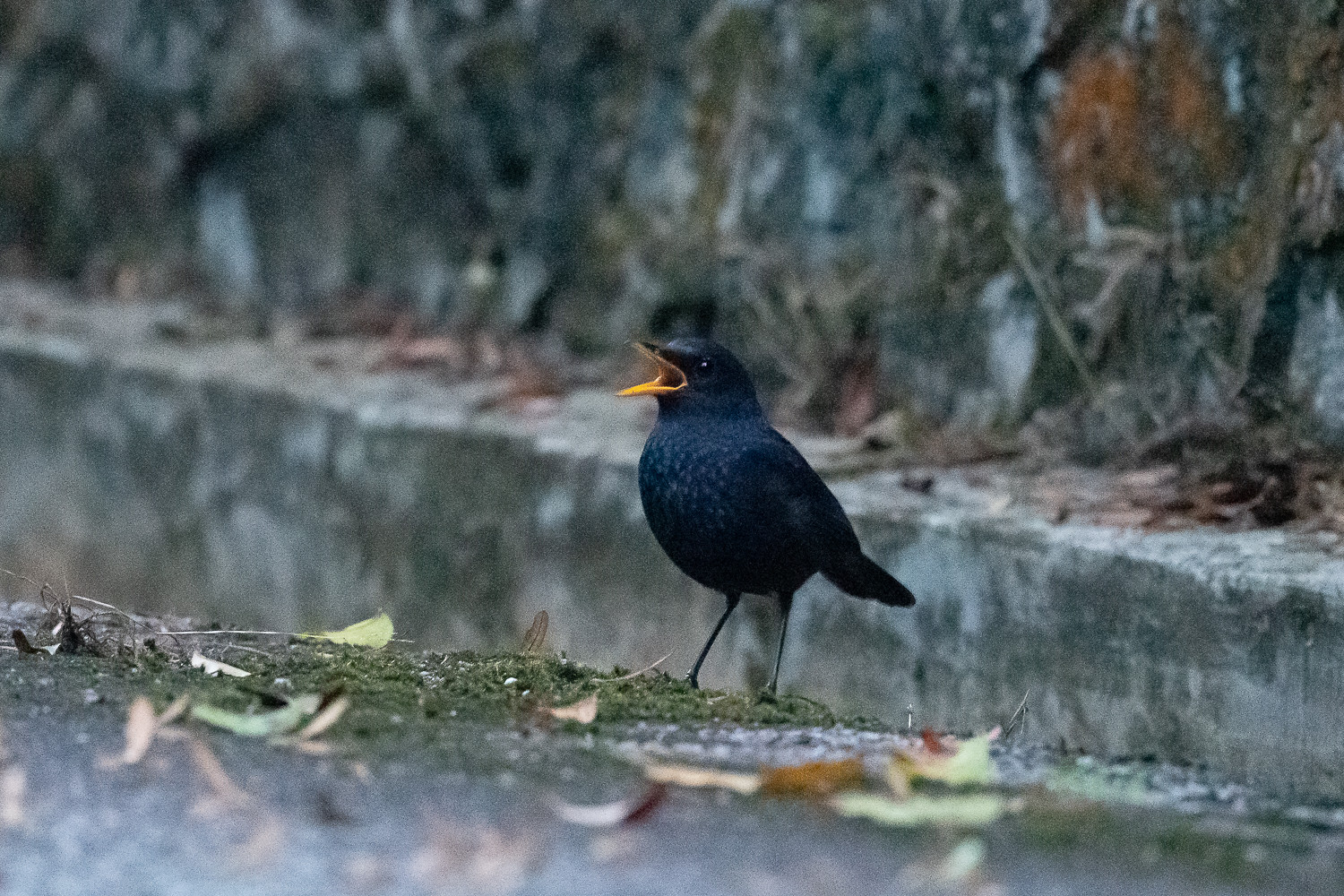
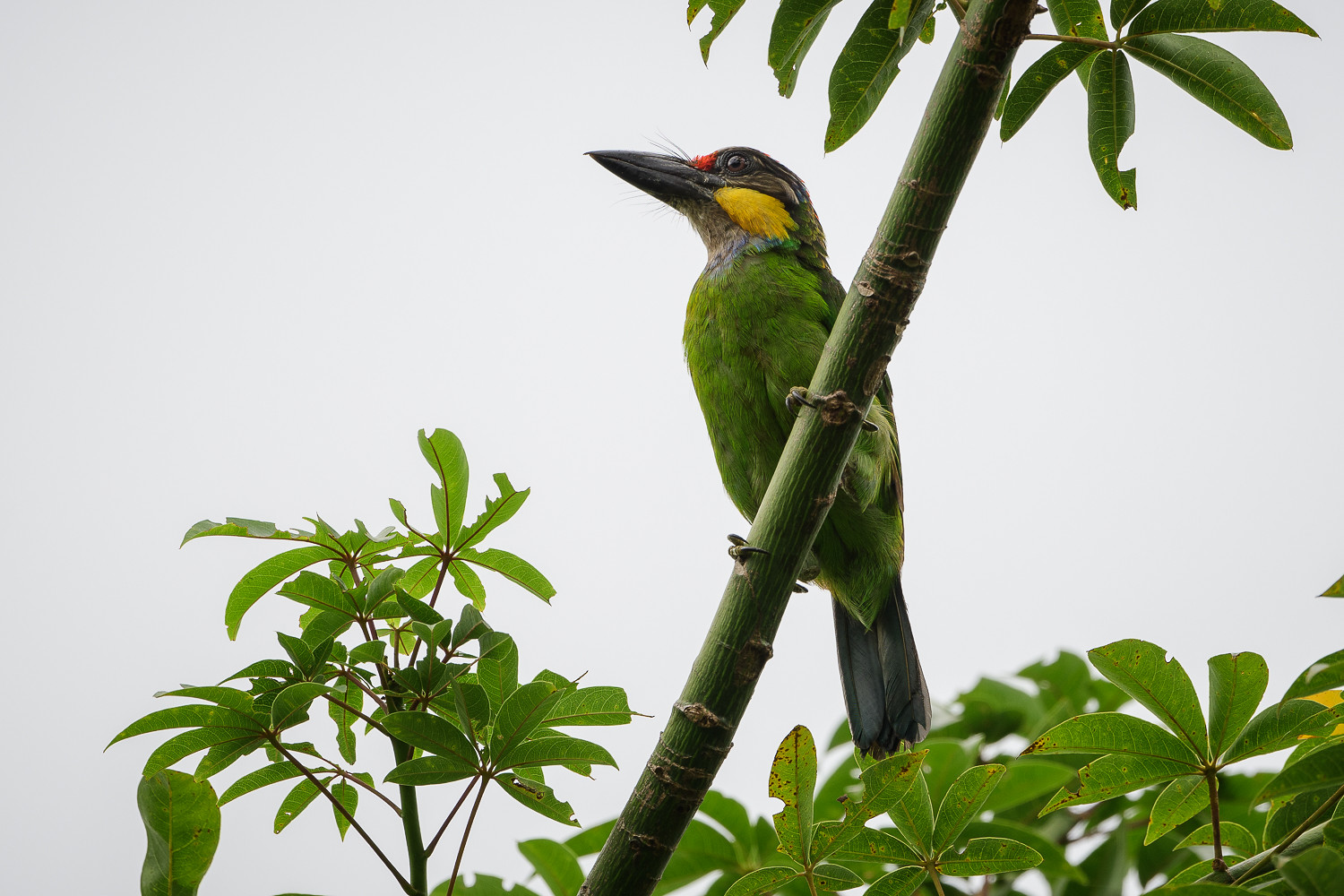
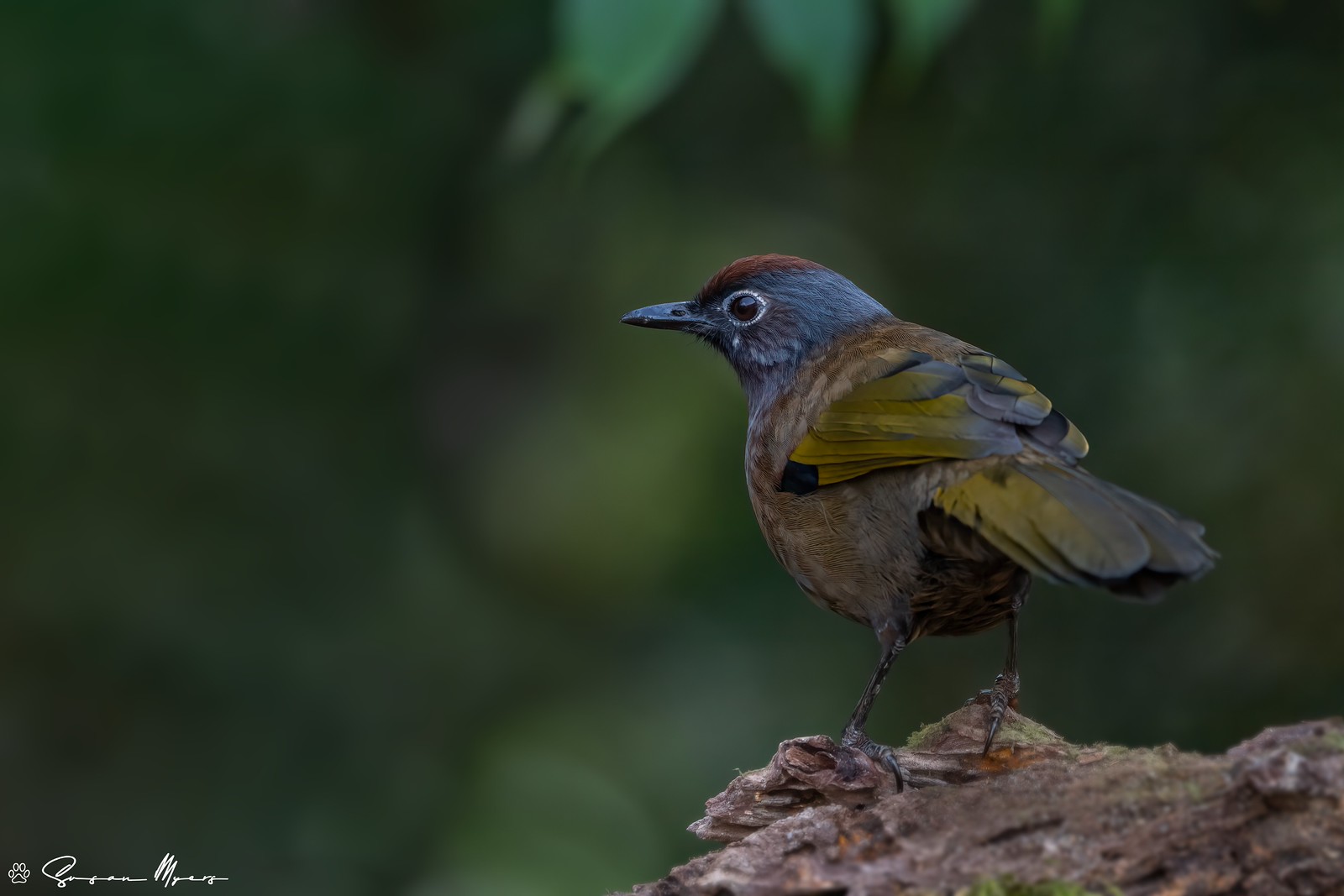
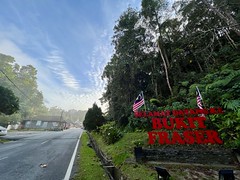
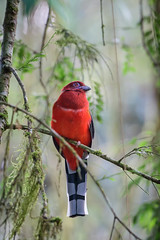
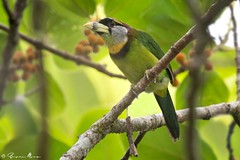
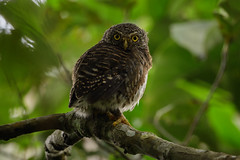
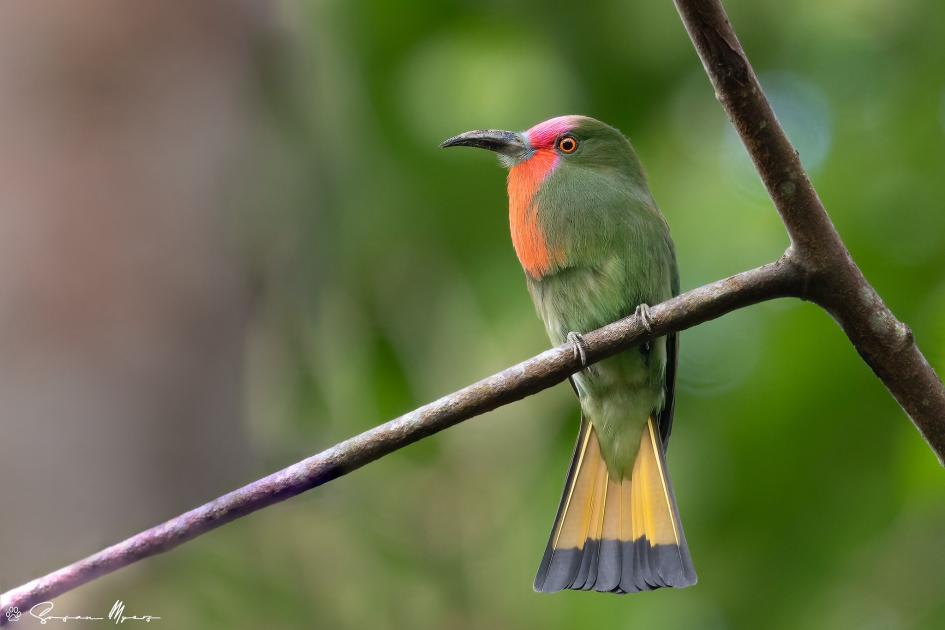
Days 4-5: After some morning birding near our hotel, we’ll drive inland to Fraser’s Hill. This is a wonderful montane region, cool by comparison to Kuala Lumpur. There are plenty of exciting birds to look for in this world-renowned birding area, including the spectacular and unlikely-looking Fire-tufted Barbet, Black-and-crimson Oriole and Chestnut-capped Laughingthrush. We’ll also look for Wallace’s Hawk-Eagle, Malaysian Hill Partridge, Yellow-vented Pigeon, Wedge-tailed Pigeon, Oriental Cuckoo, Brown Wood-Owl, Collared Owlet, Malaysian Eared Nightjar, Brown Needletail, Orange-breasted Trogon, and Red-bearded Bee-eater. Bushy-crested, Wreathed and Great Hornbills may be spotted, as well as Silver-breasted Broadbill and Rusty-naped Pitta (rare). We’ll also be on the lookout for Marbled (rare), Streaked and Eye-browed Wren-Babblers, Himalayan Cutia, the distinctive local subspecies of Lesser Shortwing, White-tailed Robin and the endemic Malaysian Whistling-Thrush. Nights at Fraser’s Hill.
Day 6: We’ll depart Fraser’s Hill this morning, birding along the Gap Road as we go. We should find Rufous-bellied Swallow, and we’ll also check the bamboo forests we pass for the elusive Bamboo Woodpecker. This bamboo specialist is scarce throughout its range, but this area is easily the best place to look for it.
After a stop for lunch at the town of Raub, we’ll drive east to Jerantut and Kuala Tembeling and then continue by car for about two hours following the course of the Tembeling River to the headquarters of Taman Negara at Kuala Tahan. We should arrive at our destination in the midafternoon for our first birding session in this bird-rich area. Night in Taman Negara.
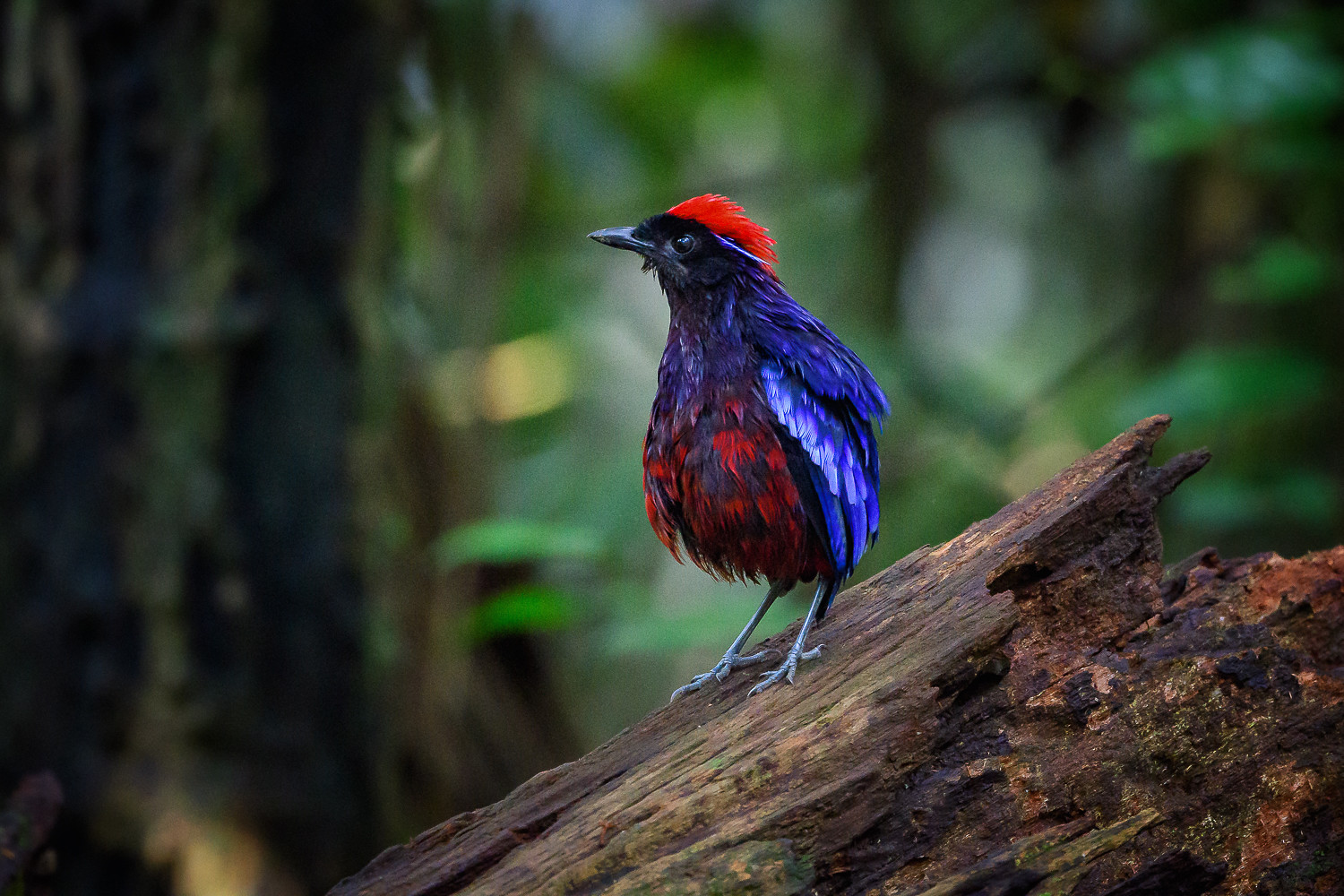
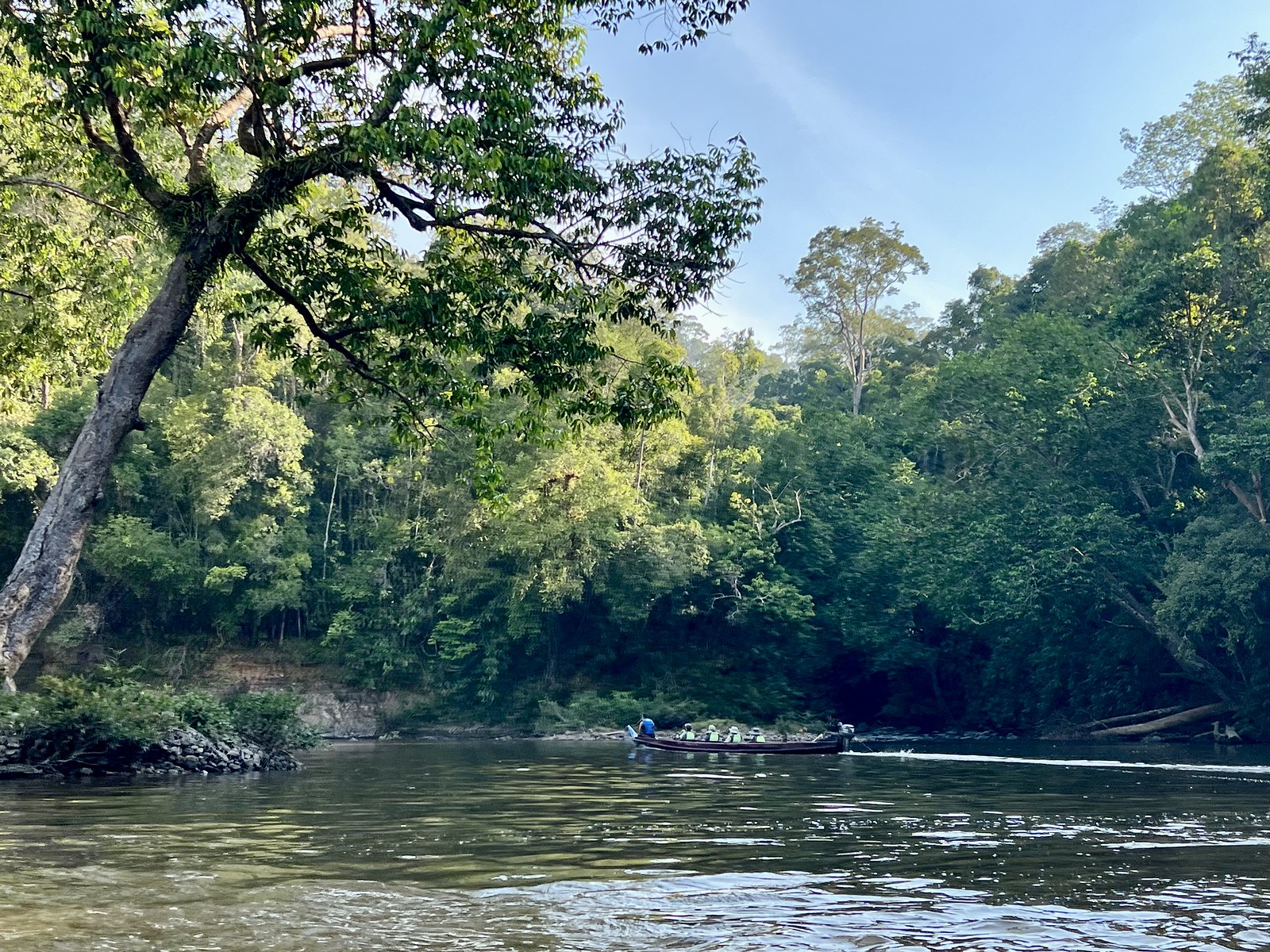
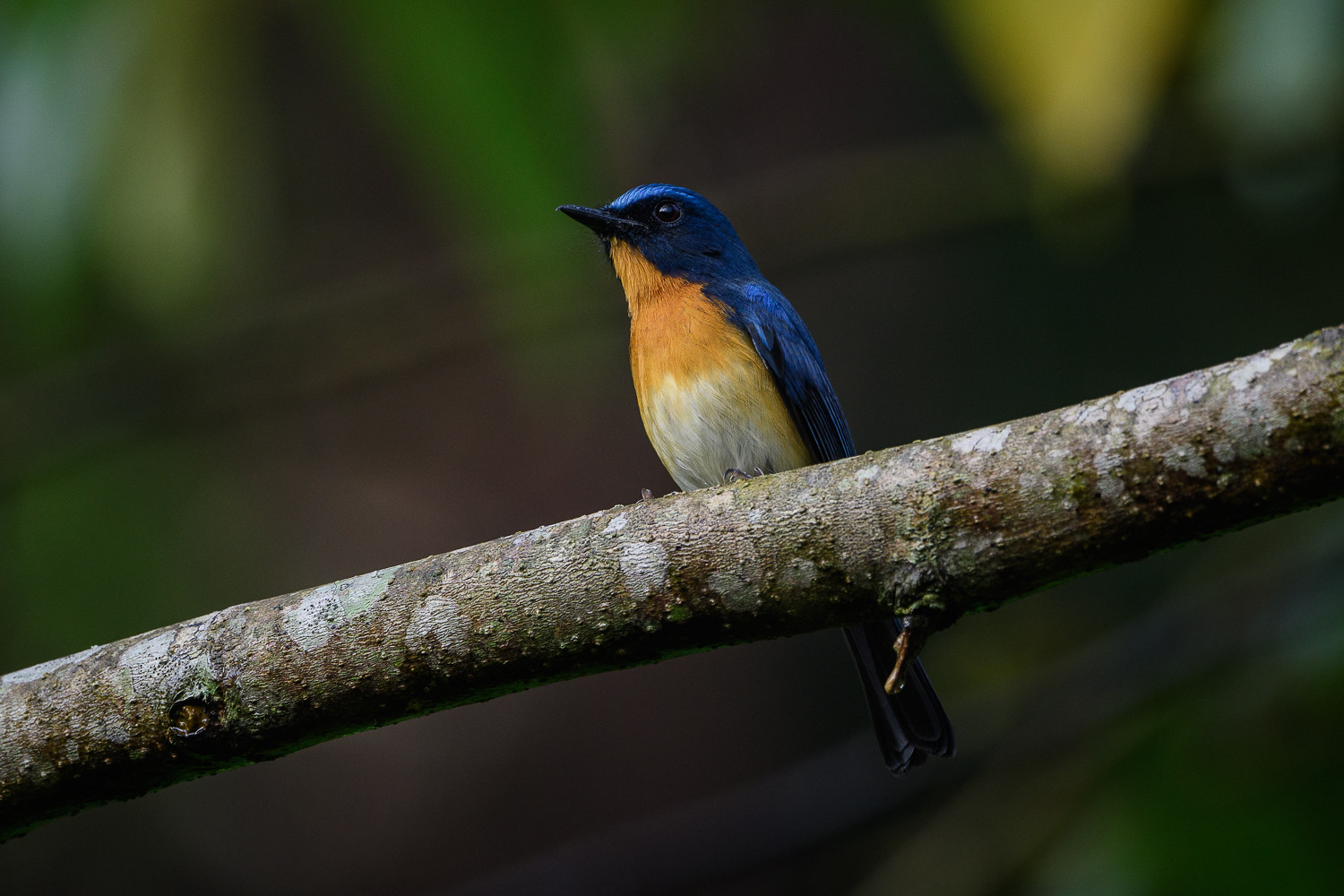
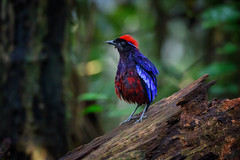
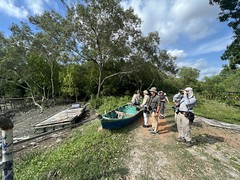
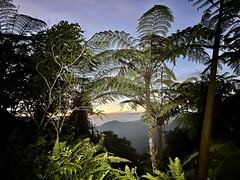
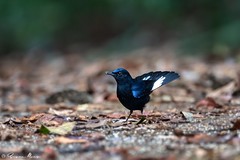
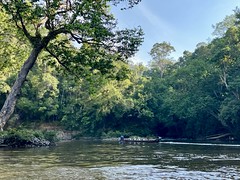
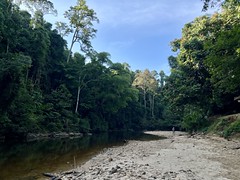
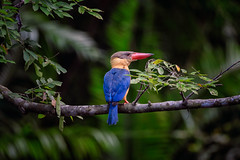
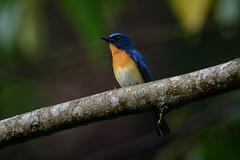
Days 7-10: Taman Negara, located in the center of Peninsular Malaysia, covers 1,677 square miles of pristine forest and contains virtually all the bird species found in inland Malaysia. We’ll spend four days birding the numerous trails leading from our comfortable lodge into the surrounding lowland rainforest. Birds we hope to see include Crested Fireback; Blue-crowned Hanging-Parrot; three species of malkoha; two species of treeswift; Red-naped, Diard’s and Scarlet-rumped Trogons; Red-bearded Bee-eater; Black and Rhinoceros Hornbills; Brown Barbet; a dozen woodpeckers, possibly including White-bellied and Great Slaty; Black-and-yellow, Black-and-red and Green Broadbills; up to 15 bulbuls; Sultan Tit and many more. We’ll also hope to track down rare and elusive species such as Crested Jay, Gould’s Frogmouth, Garnet Pitta, Blue-banded Kingfisher, and Helmeted Hornbill, and we’ll have an opportunity to look for the Rail-Babbler an intriguing, elusive and enigmatic bird that ticks all the boxes! We’ll also take one or two boat trips – as we cruise in our open longboat, we should encounter riparian species such as Straw-headed Bulbul, Malaysian Blue Flycatcher, and possibly raptors and hornbills as they cross the river or move along the riverbanks. Birds aside, an added attraction is the opportunity to see a tremendous variety of rainforest plants and other animals during our walks. Nights in Taman Negara.
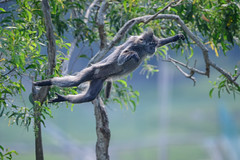
Day 11: Taking our leave of Taman Negara, we’ll make our way to Bukit Tinggi and, after checking in to our accommodation, we’ll head out to commence our birding at this mid-altitude site. We may encounter some similar birds here as we’ve seen on Fraser’s Hill, which will give us a chance to catch up on any species we may have missed there. There is also a good possibility of close sightings of the remarkable Siamang, the world’s largest gibbon. This area is also great for some scarcer species such as Blyth’s Hawk-Eagle, Grey-and-buff Woodpecker, and Scaly-breasted and Grey-bellied Bulbuls. Night near Bukit Tinggi.
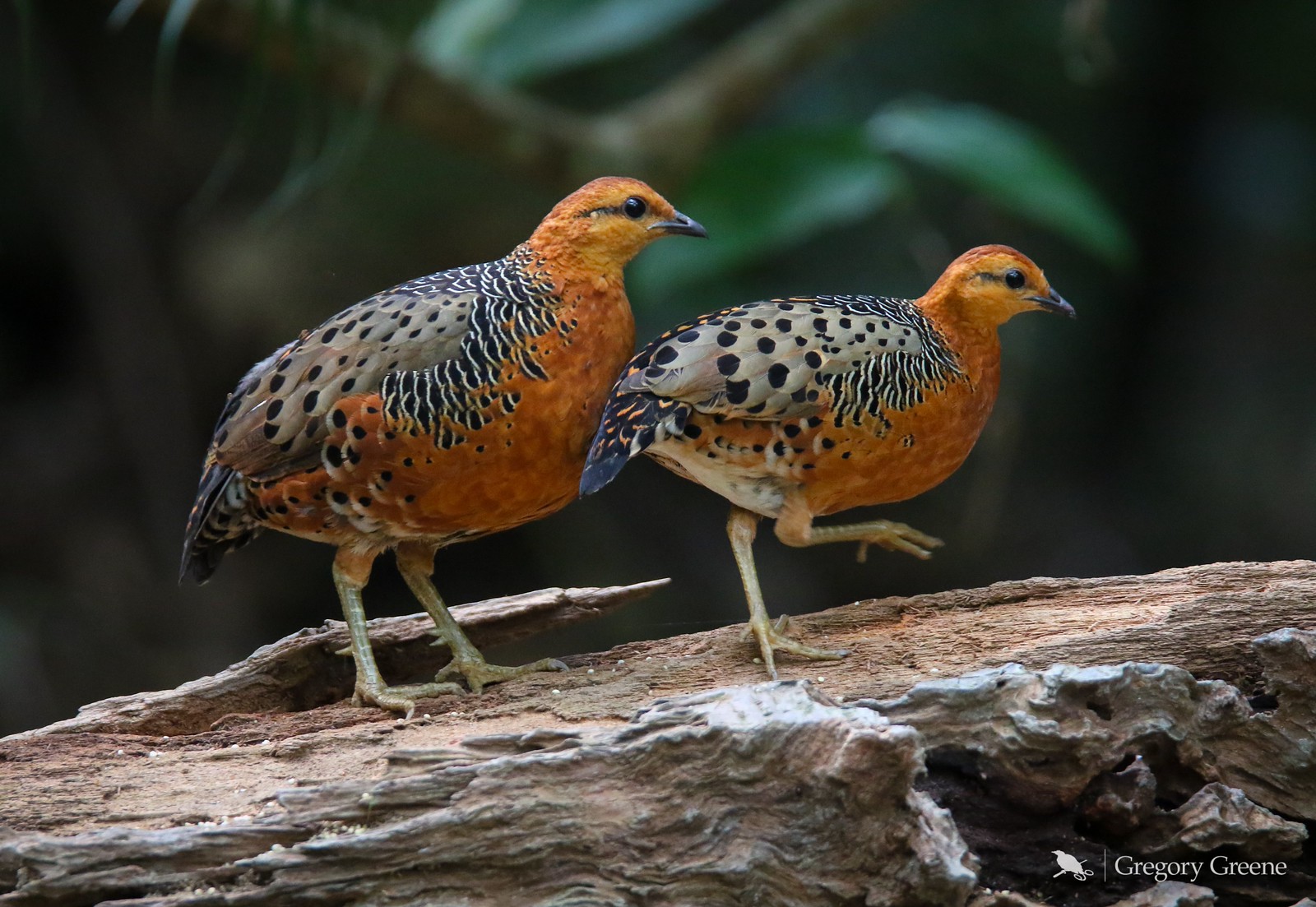
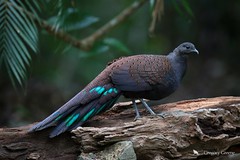
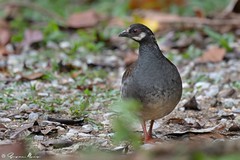
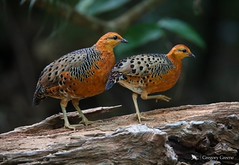
Day 12: This morning we’ll bird at Bukit Tinggi, where we’ll head for a Mountain Peacock-Pheasant stakeout, a short walk up a forest track and out into an opening, where a blind has been set up. This location is likely the easiest place on earth to see this vulnerable endemic. With luck, we may also encounter the striking Ferruginous Partridge. These hard-to-find birds are now listed as near threatened on the red list due to ongoing habitat loss, and their populations are certainly declining, as with so many other ground-dwelling birds in the region. In the afternoon we’ll go drive down the mountain along a quiet road where we will find some lower elevation species like Whiskered Treeswift, Large Woodshrike or Grey-and-buff Woodpecker. Night near Bukit Tinggi.
Day 13: On our second day in the area, we may go to back to the hide again or bird along the road, depending on what we’re still looking for. There are still plenty of great birds to look for in this area! Later in the day, we’ll head back to Kuala Lumpur in preparation for our flights tomorrow. Night in Kuala Lumpur.
Day 14: After breakfast, we’ll depart for Kuala Lumpur International Airport, where the tour concludes.
Note: The information presented below has been extracted from our formal General Information for this tour. It covers topics we feel potential registrants may wish to consider before booking space. The complete General Information for this tour will be sent to all tour registrants and of course supplemental information, if needed, is available from the WINGS office.
ENTERING MALAYSIA: U.S. citizens are required to have a passport valid for at least six months after the date of entry and with at least one blank page for an entry stamp. Visas are not required for a pleasure or business trip of 90 days or less.
Proof of yellow fever immunization is required for people coming from countries where the disease is endemic. No other immunizations are required for entry.
COUNTRY INFORMATION: You can review the U.S. Department of State Country Specific Travel Information here: https://travel.state.gov/content/travel.html and the CIA World Factbook here: https://www.cia.gov/the-world-factbook/. Review foreign travel advice from the UK government here: https://www.gov.uk/foreign-travel-advice and travel advice and advisories from the Government of Canada here: https://travel.gc.ca/travelling/advisories.
PACE OF THE TOUR: The average distance covered during our days in the field is a bit more than a mile per “birding period.” Our pace is very slow, of course, but on some days we may walk up to two and a half miles. Since there is a lull in the bird activity in the middle of the afternoon, midday breaks are usually scheduled. The mornings will not be too early as sunrise isn’t until 7 AM, departures from the hotel will mostly be around this time. We will generally take breakfast at or before dawn. Our proximity to the equator means the days are 12 hours long year round so dawn and dusk are around 7 am/pm respectively. Evening or early morning owling is offered where possible for those who want to participate.
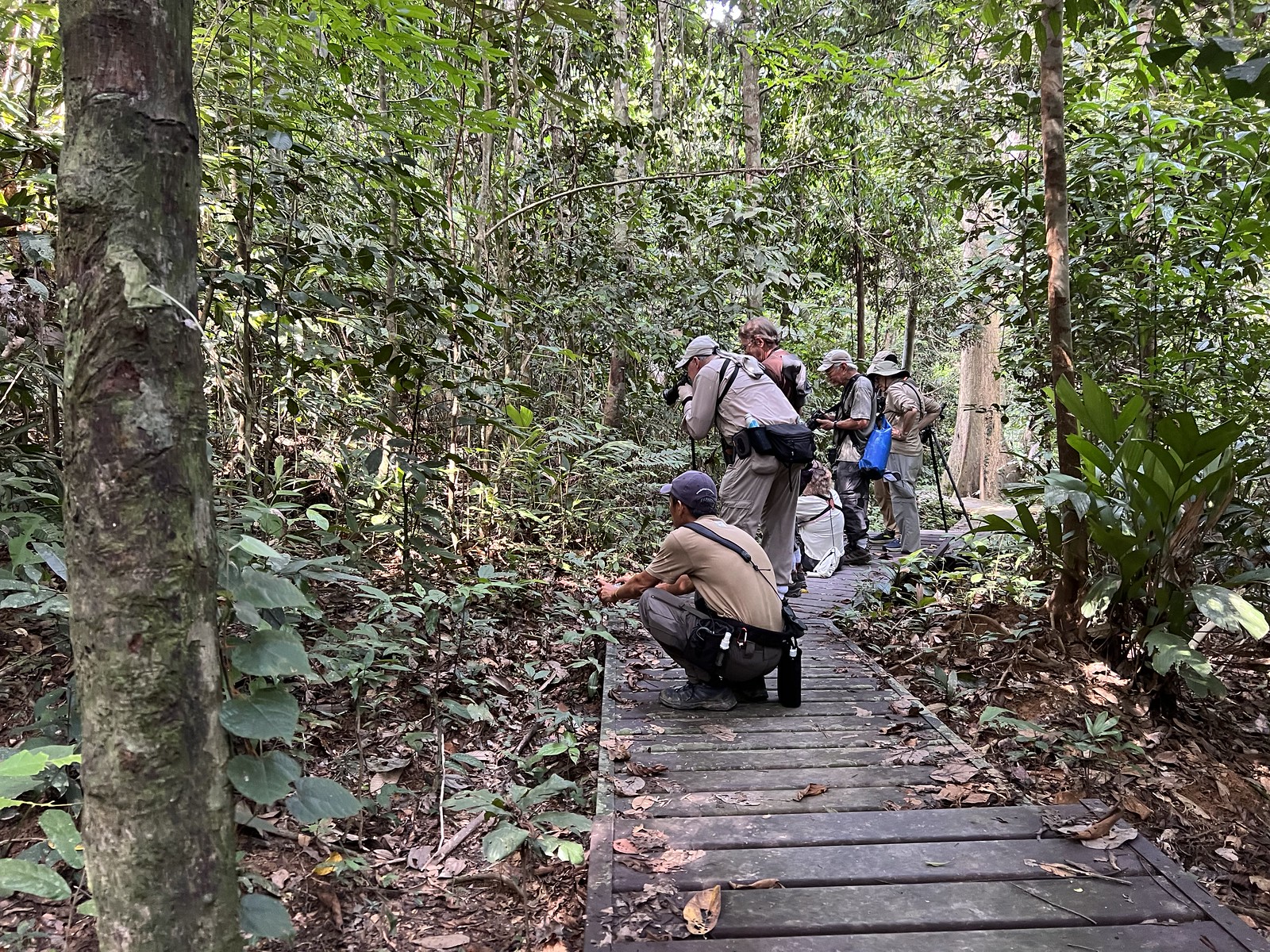
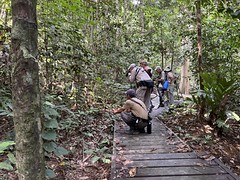
Most of our birding will be on foot, away from the vehicles or along quiet roads (in which case the vehicle will usually be nearby). In order to find the more skulking birds such as pittas, partridges, babblers and so on we will also be birding on narrow forest trails at times. These trails are not paved and may be slippery or “rooty.” Where possible we will be walking on a downhill trend but of course the trails undulate so some uphill walking is required. You may find a hiking pole to be useful. Susan will inform the group of trail conditions ahead of time so that anyone who wishes to opt out has that opportunity.
HEALTH: The Centers for Disease Control and Prevention (CDC) recommends that all travelers be up to date on routine vaccinations. These include measles-mumps-rubella (MMR) vaccine, diphtheria-tetanus-pertussis vaccine, varicella (chickenpox) vaccine, polio vaccine, and your yearly flu shot.
They further recommend that most travelers have protection against Hepatitis A and Typhoid. Please contact your doctor well in advance of your tour’s departure as some medications must be initiated weeks before the period of possible exposure.
Malaria: The CDC recommends a malaria prophylaxis.
Yellow Fever: Yellow Fever protection is not recommended by the CDC but is required for entry into Malaysia if you’re coming from a country where the disease is endemic.
The most current information about travelers’ health recommendations can be found on the CDC’s Travel Health website here: https://wwwnc.cdc.gov/travel/destinations/list
Elevation: The maximum elevation we will bird at is approximately 5,900 ft/1800 m at the Timpahon Gate on Mount Kinabalu; our accommodation there is at approximately 4200 ft/1300 m. Our time at Kinabatangan is at sea level, while Danum Valley is in the foothills with an elevation of 980-1600 ft/300-500 m.
Smoking: Smoking is prohibited in the vehicles or when the group is gathered for meals, checklists, etc. If you are sharing a room with a nonsmoker, please do not smoke in the room. If you smoke in the field, do so well away and downwind from the group. If any location where the group is gathered has a stricter policy than the WINGS policy, that stricter policy will prevail.
Miscellaneous: Malaysia is remarkably free of intestinal complaints. Malaysians are very particular about their drinking water and drinking water in a restaurant or cafe will have already been boiled.
It is likely that we will find mosquitoes in some forest areas. We recommend using insect repellents with a high concentration of DEET.
CLIMATE: At Fraser’s Hill the daytime temperature ranges from about 70°F (mid-day) to the mid-50s F at night; while in the lowlands it reaches about 90°F. Night time temperatures will be correspondingly higher, as well. The humidity is quite high, averaging about 80% year round, which may make it seem hotter. Rainfall can be expected at any time in brief, heavy downpours. Total annual rainfall averages between 200 and 260cm (between 77-100 inches), the wet season typically runs from October to March, while the “not so wet” season is from April to September. There is always the chance of rain on any given day at any given time in Malaysia.
ACCOMMODATIONS: The Lodge in Taman Negara is a fairly upmarket wildlife lodge with air-conditioned rooms with private facilities and hot/cold water showers. The accommodation at Fraser’s Hill is a comfortable, western style hotel also with private facilities (albeit a little run down). Our hotel in Kuala Lumpur is a fairly typical large western-style hotel.
WiFi, Internet and Cell Phones: In the hotels in the main towns free Wi-Fi is generally available. Most require a password, which we’ll receive on check-in. Cell phones can be useful while on tour but keep in mind that many countries operate on a different cellular technology than US or Canadian carriers. Your phone may be incompatible with the local system, so please check with your local carrier.
FOOD: The food in Malaysia is generally delicious and varied with a combination of Chinese, Western and local Malaysian dishes. At the lodges the evening meals are in the form of buffets. The food in this part of the world has a reputation for being spicy but in Malaysian cuisine, chili or “sambal” (similar in some ways to salsa) is usually added to the meal at the table and is thus optional.
Drinks: Bottled water will be available in the field (we’ll keep a box full on the bus). At meals either bottled or filtered water will be available.
Food Allergies / Requirements: We cannot guarantee that all food allergies can be accommodated at every destination. Participants with significant food allergies or special dietary requirements should bring appropriate foods with them for those times when their needs cannot be met. Announced meal times are always approximate depending on how the day unfolds. Participants who need to eat according to a fixed schedule should bring supplemental food. Please contact the WINGS office if you have any questions.
TRANSPORTATION: Land travel will be in an air-conditioned 10-seater minibus. While in Taman Negara we may take one or two short trips by long boat. These boats are usually open and offer excellent wildlife viewing opportunities.
We can't render google maps without your cookie consent. To see the map, please reset your cookies, then accept all, then reload this page.
2026 Narrative
Ulu Langat
We kicked off our Malaysian birding just north of the capital, Kuala Lumpur, at Ulu Langat, a premier lowland forest site about an hour from our hotel. The forest supports an impressive array of species, with broadbills, kingfishers, malkohas, babblers, and trogons among the many possibilities. Among the more significant finds was a Rufous-collared Kingfisher, a scarce and elusive species that is never easy to find, making our sighting all the more rewarding. Even the more familiar species were enticing, and the growing list suggested that there was plenty more to come as we explored further afield.
After lunch, we returned to Kuala Lumpur for a short break from the midday heat before heading out again in the afternoon to the nearby Paya Indah wetlands reserve. Although the heat was intense, the wetlands were well worth the effort and produced a good selection of waterbirds and lowland species. Coppersmith Barbets were particularly attractive, while raucous Red-wattled Lapwings and handsome White-throated Kingfishers added plenty of character to the afternoon.
Kuala Selangor
Some of our other notable sightings included Lesser Adjutant storks at the Pantai Jeram mudflats, Baya Weavers and White-headed Munias at the Barat Laut rice fields, Lineated Barbet at Bukit Melawati, and a fabulous nesting pair of Crested Goshawks at our hotel.
The following morning, we headed north to the coastal town of Kuala Selangor, one of Malaysia’s better-known birding areas.
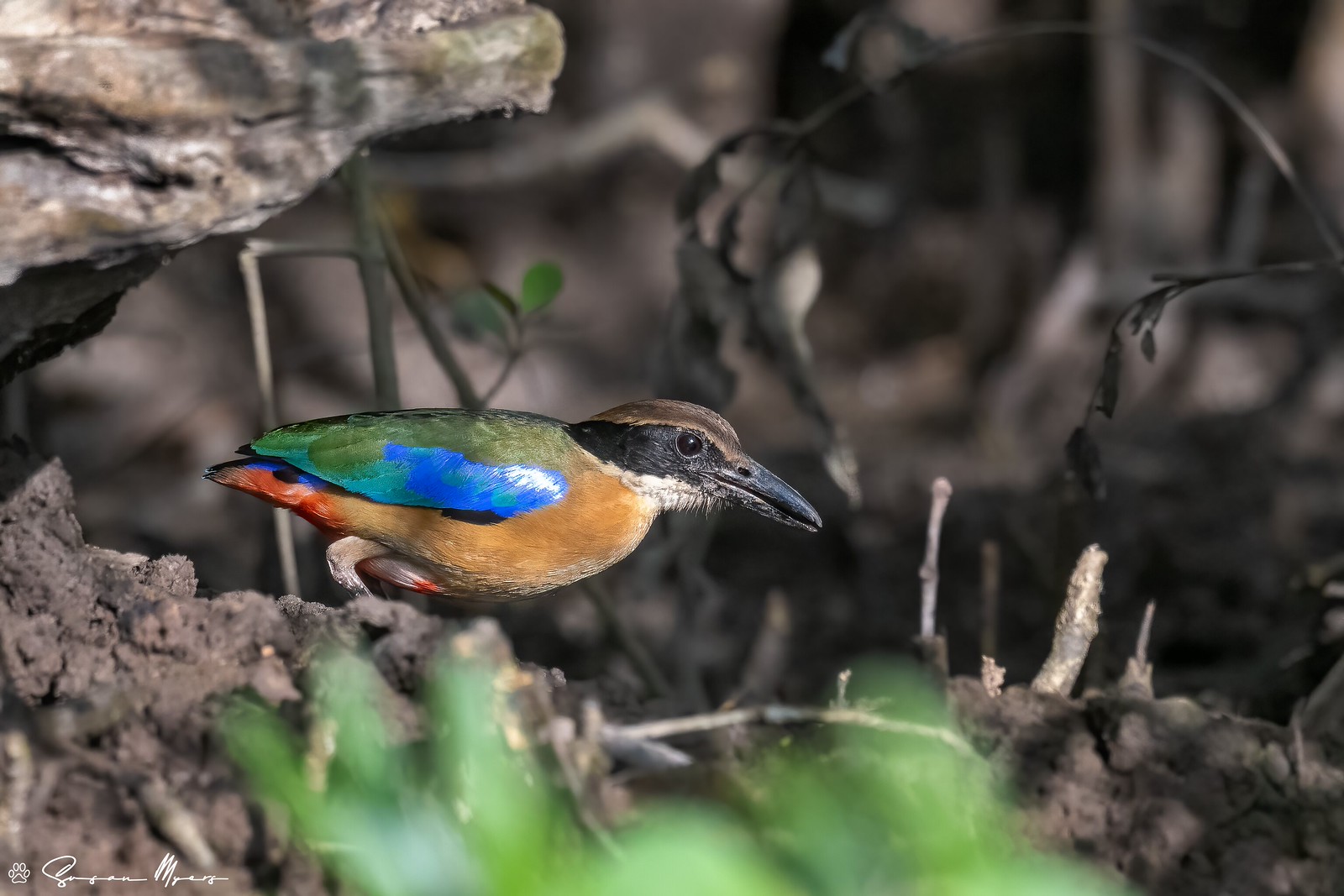
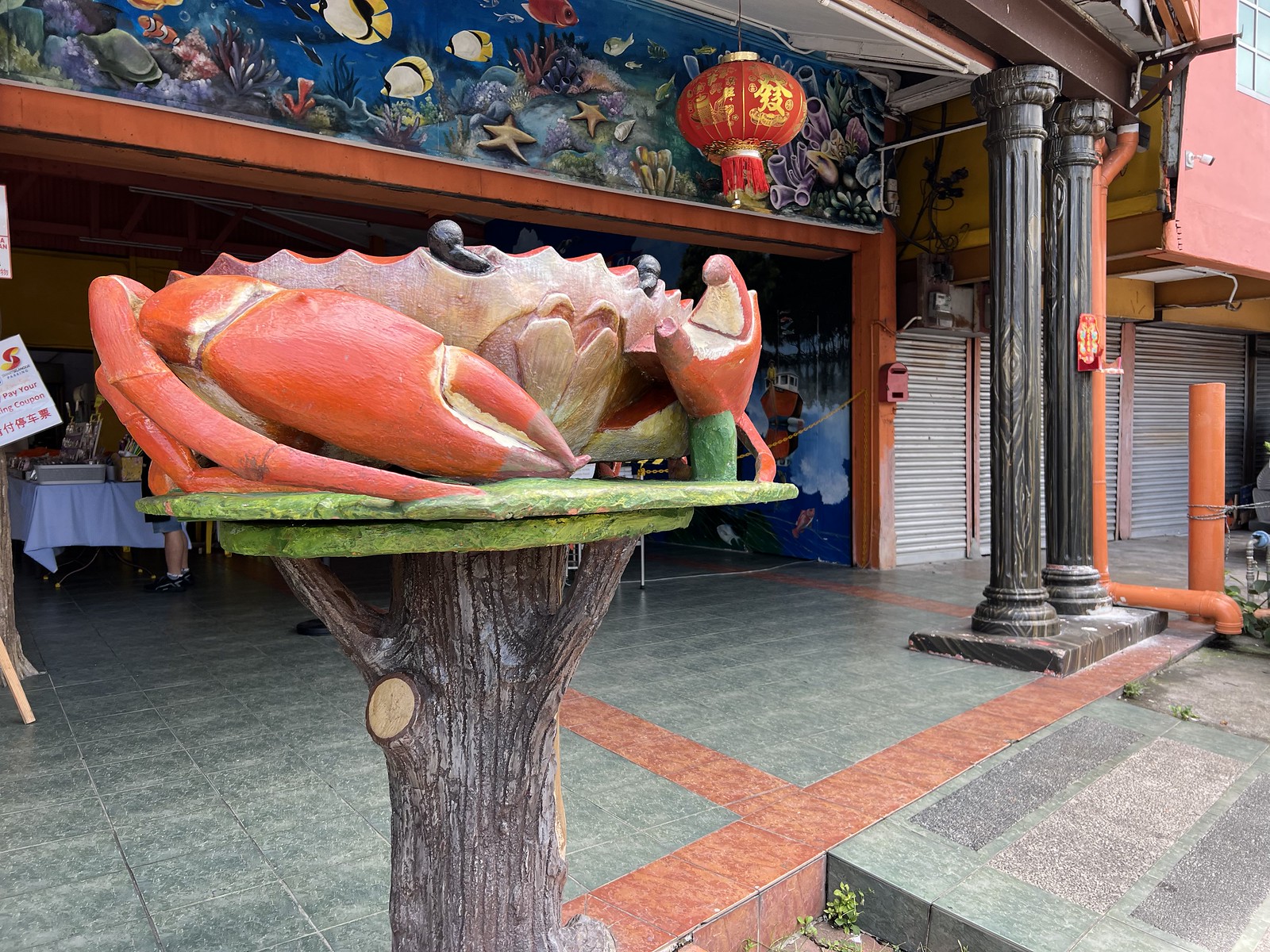
We headed to the mangroves along the south entrance road at Pulau Indah with one main target in mind: Mangrove Pitta. Our patience was rewarded as this hulking pitta, with its enormous bill specially adapted for crushing mangrove crabs, came into view. It showed exceptionally well, giving everyone excellent views of this striking mangrove specialist and making it easily the highlight of our visit.
The surrounding mangroves also produced a good selection of smaller species, including Sunda Pygmy and Laced Woodpeckers, while Scarlet-backed Flowerpecker, Brown-throated Sunbird, and Ornate Sunbird added some colour to the birding. With such excellent views of the Mangrove Pitta, though, it was always going to be the bird that stood out from the rest.
We made a brief stop at the Pantai Jeram mudflats which gave us the opportunity to explore open shoreline and tidal habitats before continuing inland. The mudflats and surrounding wetlands produced a useful selection of waterbirds, including Asian Openbills, several Lesser Adjutants, and Painted Storks, along with Little Egrets and Little Herons. The large storks were particularly impressive, with several Lesser Adjutants providing one of the highlights of our brief visit to the coast.
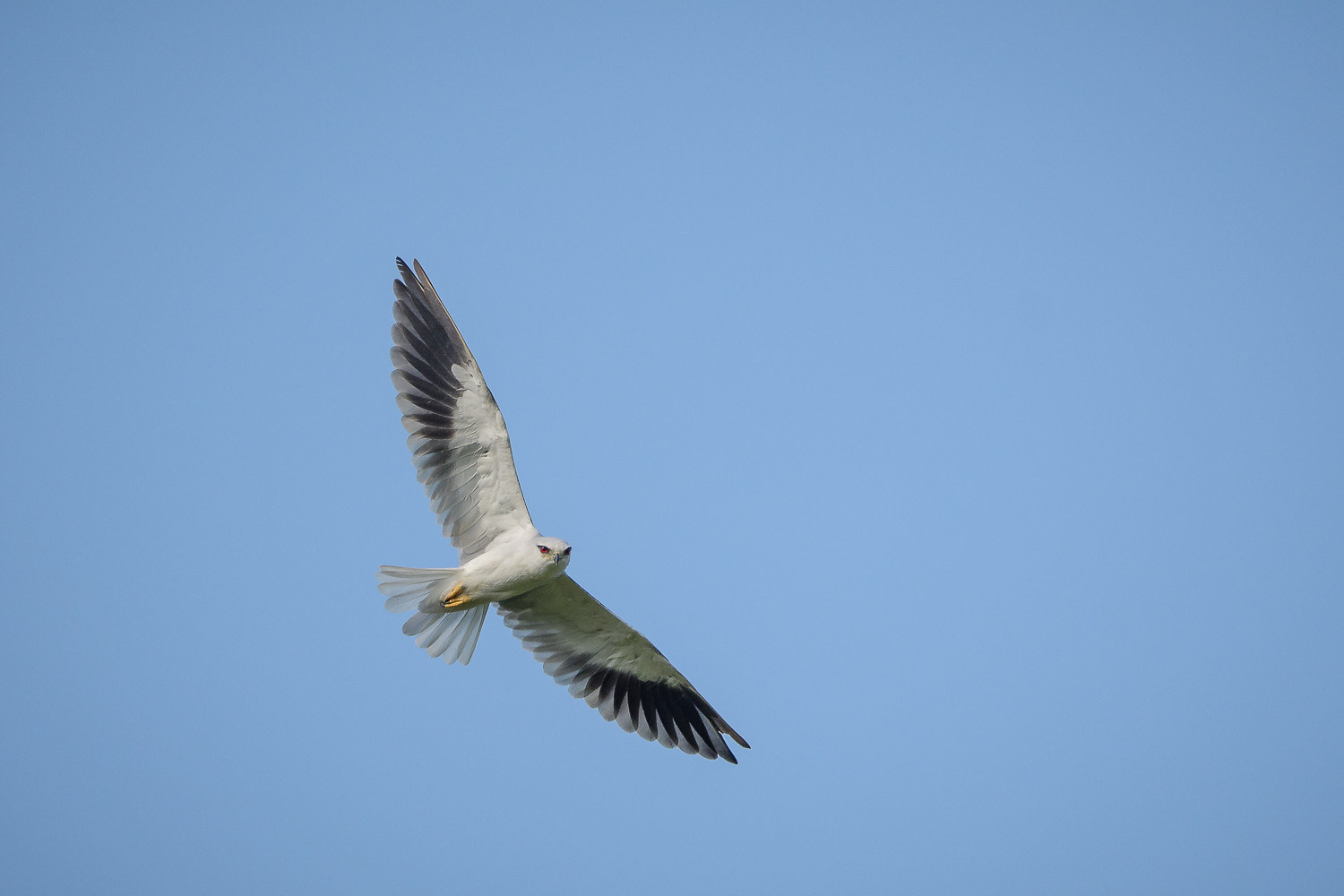
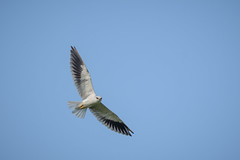
In the afternoon we headed out into the open country around Tanjung Karang Paddyfields, where the extensive fields provided a very different setting for our birding. The fields and associated wetlands produced some excellent birding, with Eurasian Black-winged Stilts, Black-winged Kites, among the species we encountered. The marshes also held some more secretive species - White-breasted Waterhens, and Slaty-breasted Rails, requiring patience and careful watching.
We stayed in the area until after dark, extending the day with some rewarding night birding. A Malaysian Eared-Nightjar was a particularly good find, while a Dusky Eagle-Owl added another nocturnal species to the list. During the afternoon and evening, we also recorded Changeable Hawk-Eagle, White-bellied Sea-Eagle, Rhinoceros Hornbill, Rufous Woodpecker, Long-tailed Parakeet, and White-breasted Woodswallow, making this a productive change of pace from the forest birding earlier in the tour.
After a particularly tasty lunch at our favourite riverside restaurant, we continued our birding at various locations in the Kuala Selangor area.
Some of our other notable sightings included Lesser Adjutant storks at the Pantai Jeram mudflats, Baya Weavers and White-headed Munias at the Barat Laut ricefields, Lineated Barbet at Bukit Melawati, and a fabulous nesting pair of Crested Goshawks at our hotel.
Fraser’s Hill
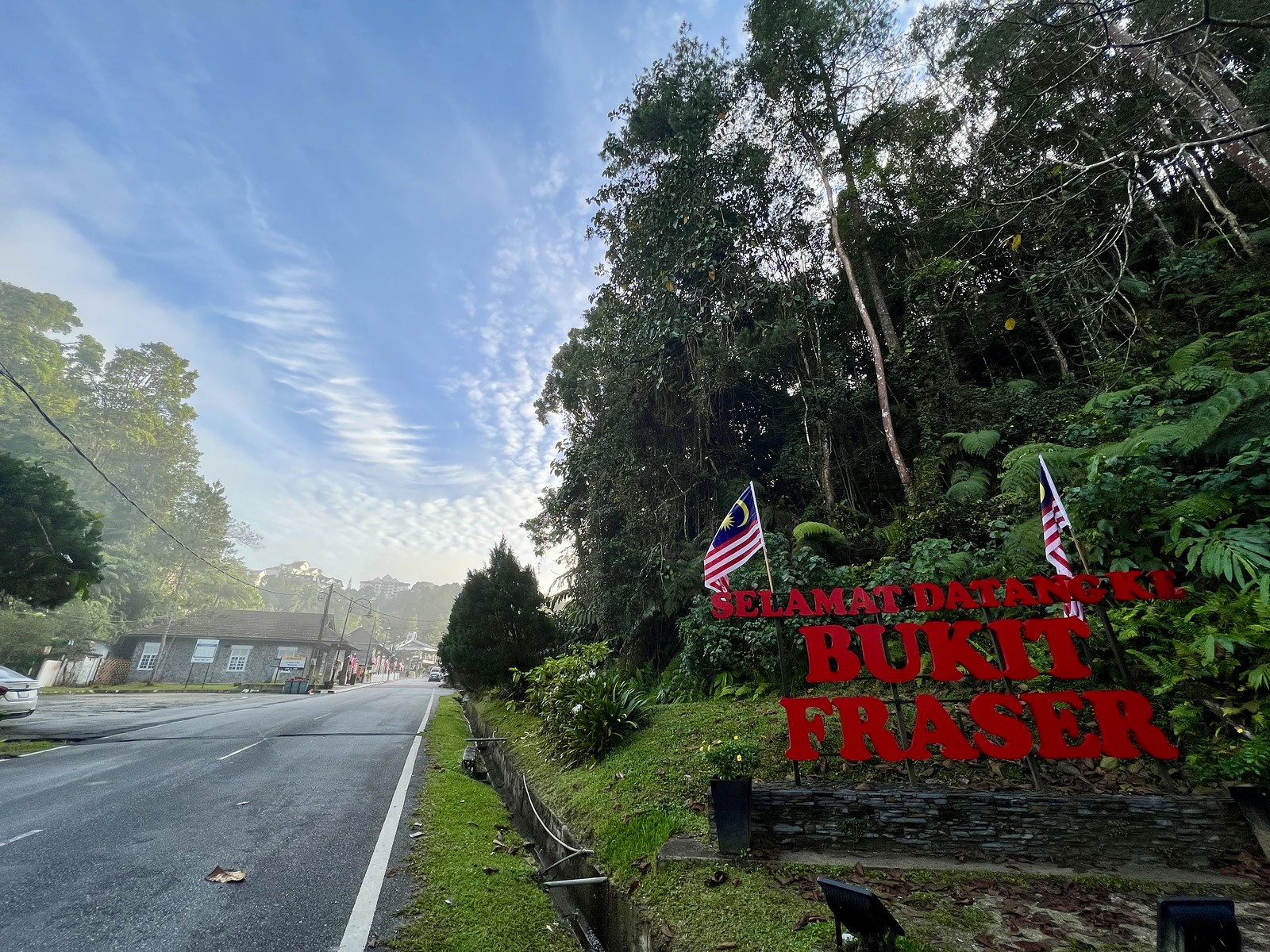
We were all excited to arrive at our next destination, the legendary birding site of Fraser’s Hill. Originally established as a tin-mining settlement in the late 19th century, the area was later developed as a hill station, taking advantage of its cooler climate. Today, Fraser’s Hill is one of Malaysia’s best-known birding destinations and has long attracted birders from across Asia and beyond. The annual Fraser’s Hill Bird Race, first held in 1988, has further cemented its reputation among birders.
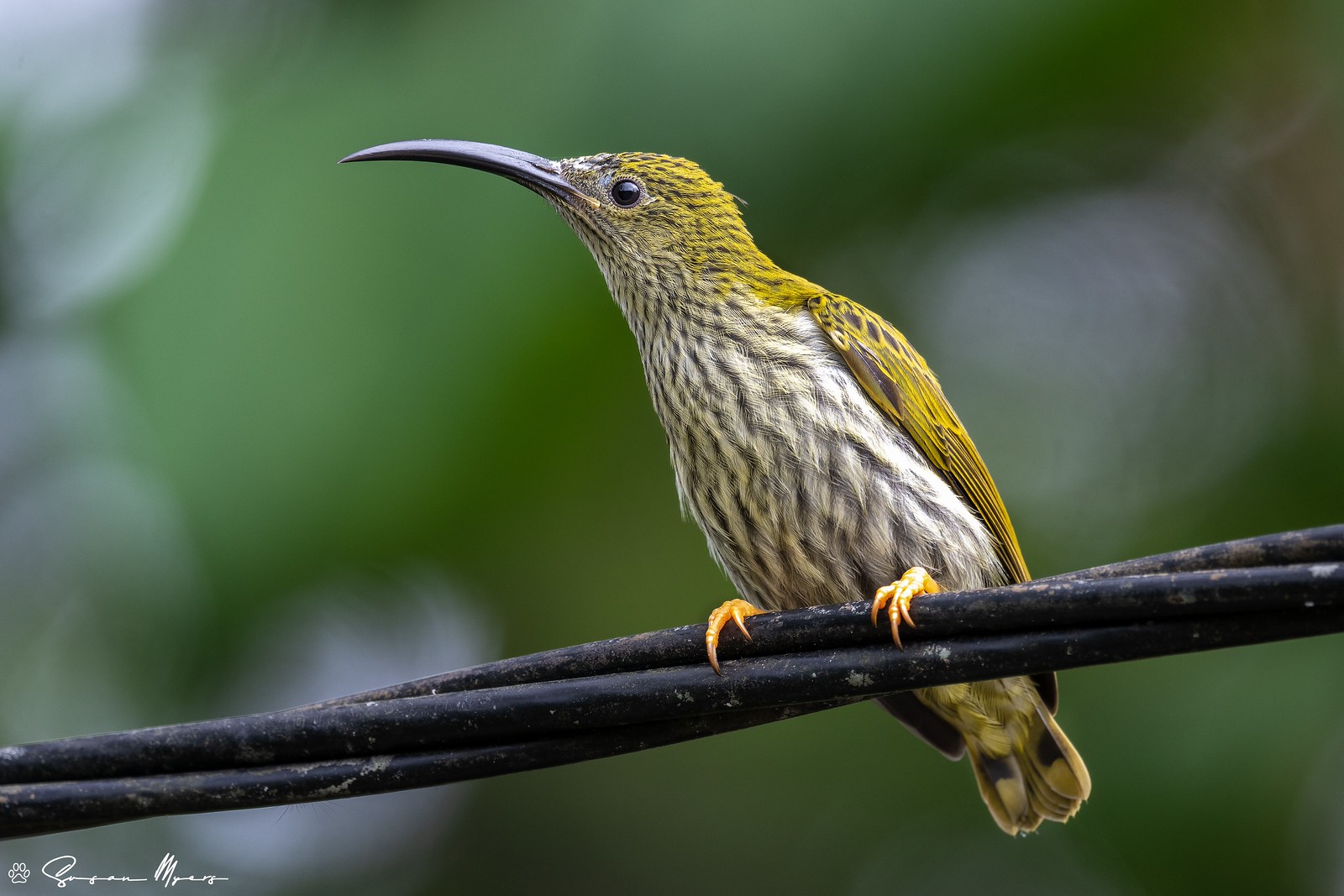
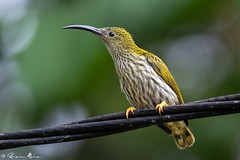
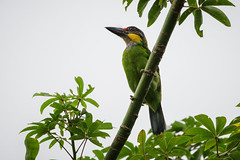
We had three days to explore the area, and the birding certainly lived up to its reputation. Working our way along the quiet backroads and forested slopes, we encountered a remarkable variety of species, with some highlights including repeated sightings of the bizarre Fire-tufted Barbets, gorgeous Long-tailed Broadbills, and Streaked Spiderhunters.
Lesser Shortwings were exceptionally confiding, living up to the joke that there was “nothing lesser” about these birds, while a remarkable Red-bearded Bee-eater and several wonderful Sultan Tits added to an already impressive list.
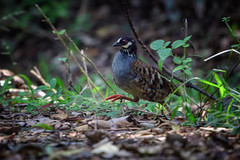
A stakeout for Malayan Partridge required a couple of return visits, but our persistence eventually paid off with superb views of a small covey of birds that seemed completely oblivious to our presence. The birding was complemented by many excellent meals at Restoran Hill View, which quickly became another welcome feature of our stay at Fraser’s Hill.
Taman Negara
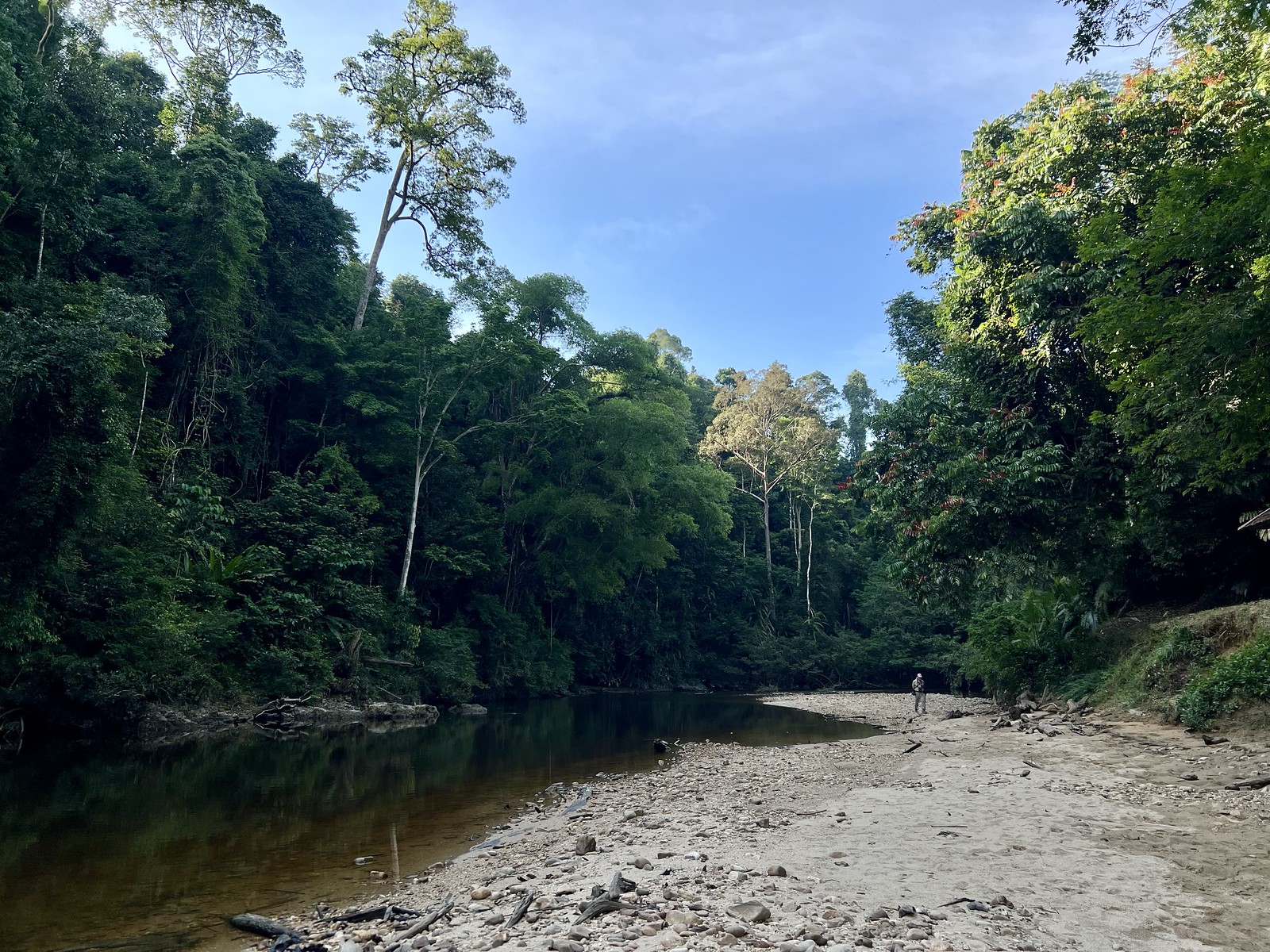
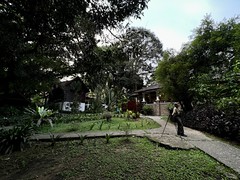
As a complete contrast to the cool mountain air of Fraser’s Hill, we next descended into the steamy lowlands of Taman Negara. Covering more than 4,000 square kilometres, this is Malaysia’s largest national park and protects some of the country’s oldest rainforest, estimated to be more than 130 million years old. Over several days we explored a variety of habitats and trails, including the gardens around our excellent lodge, the Swamp Loop, the Blau and Yong Hides trails, and the Lubok Simpon trail.
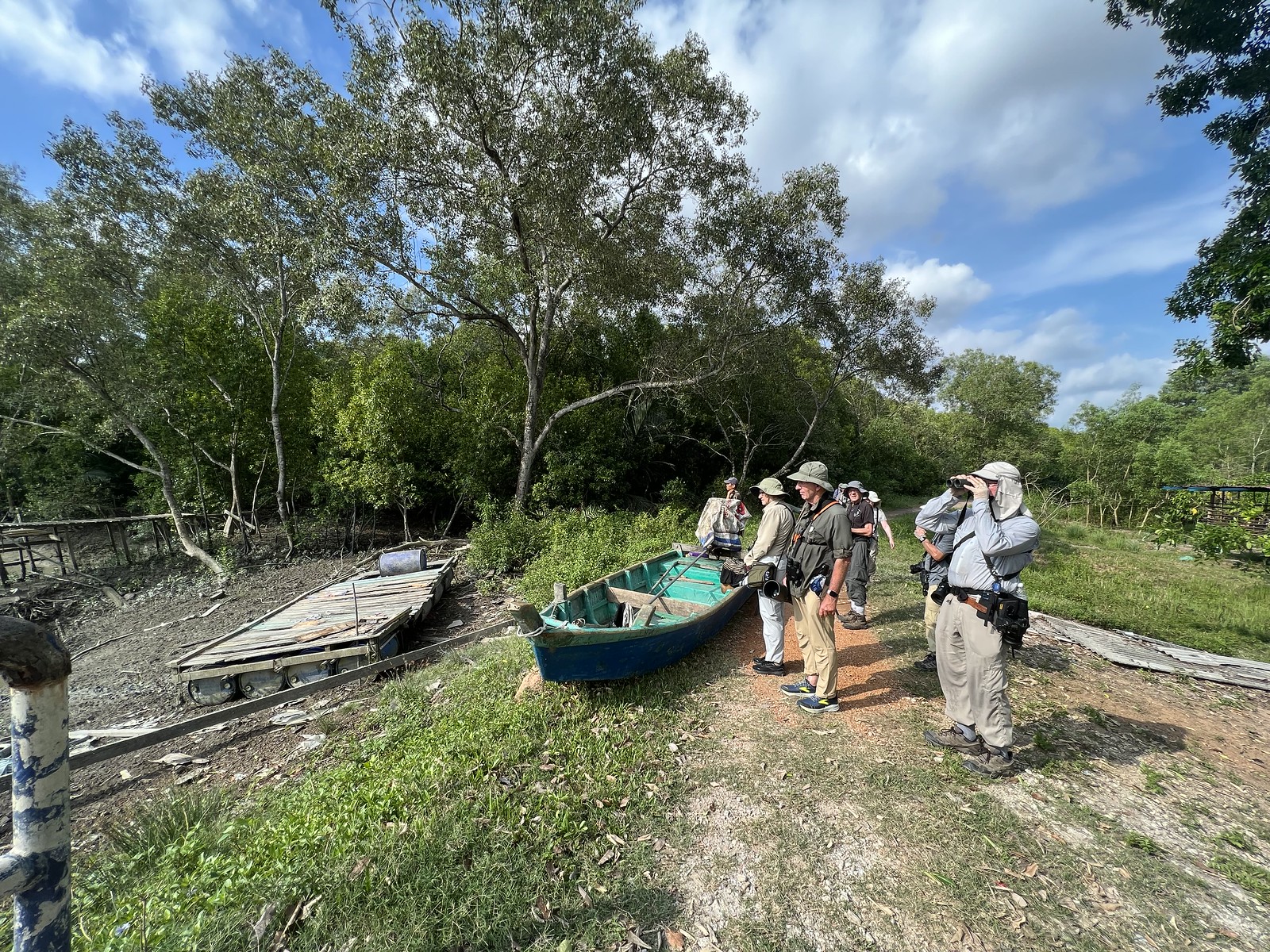
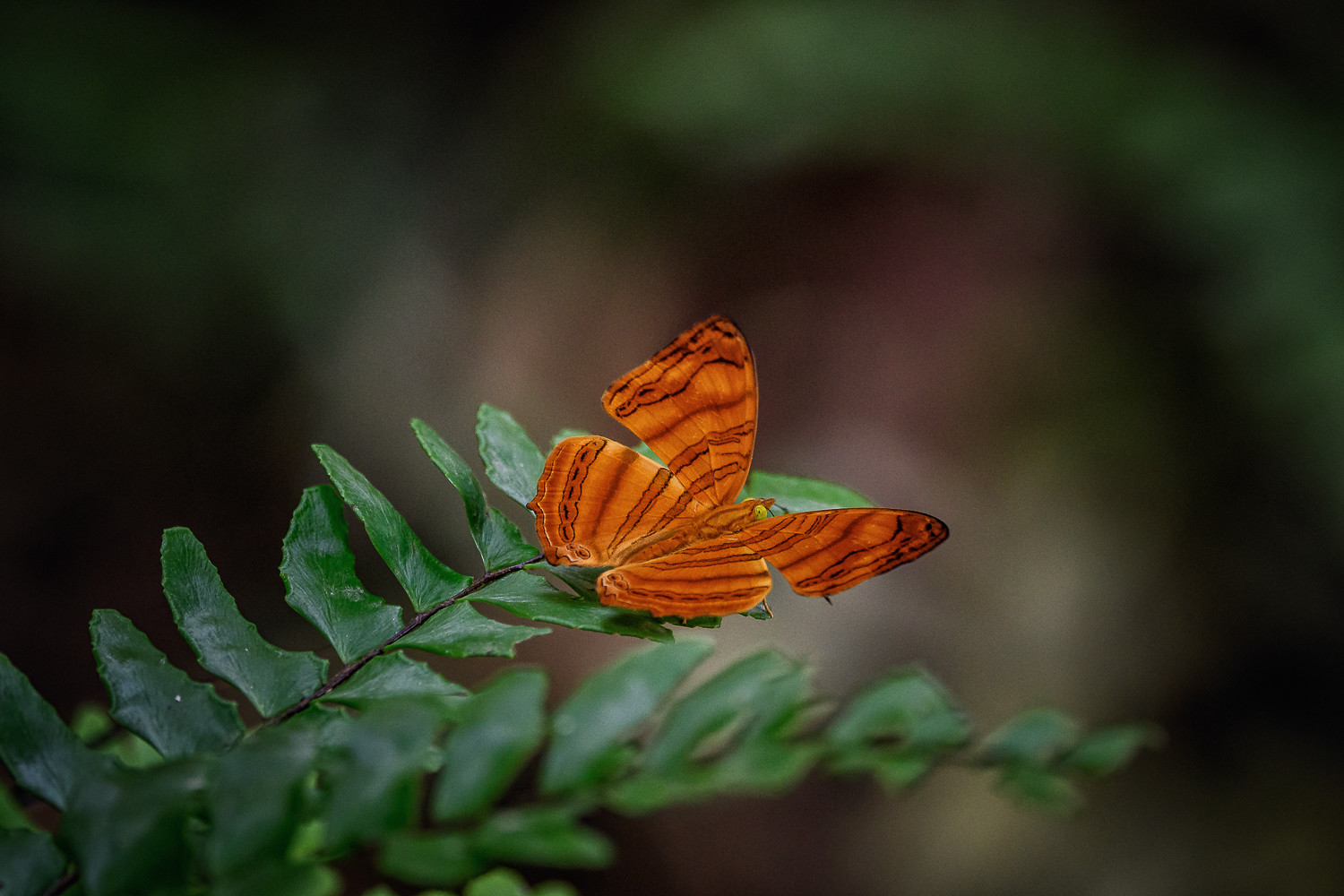
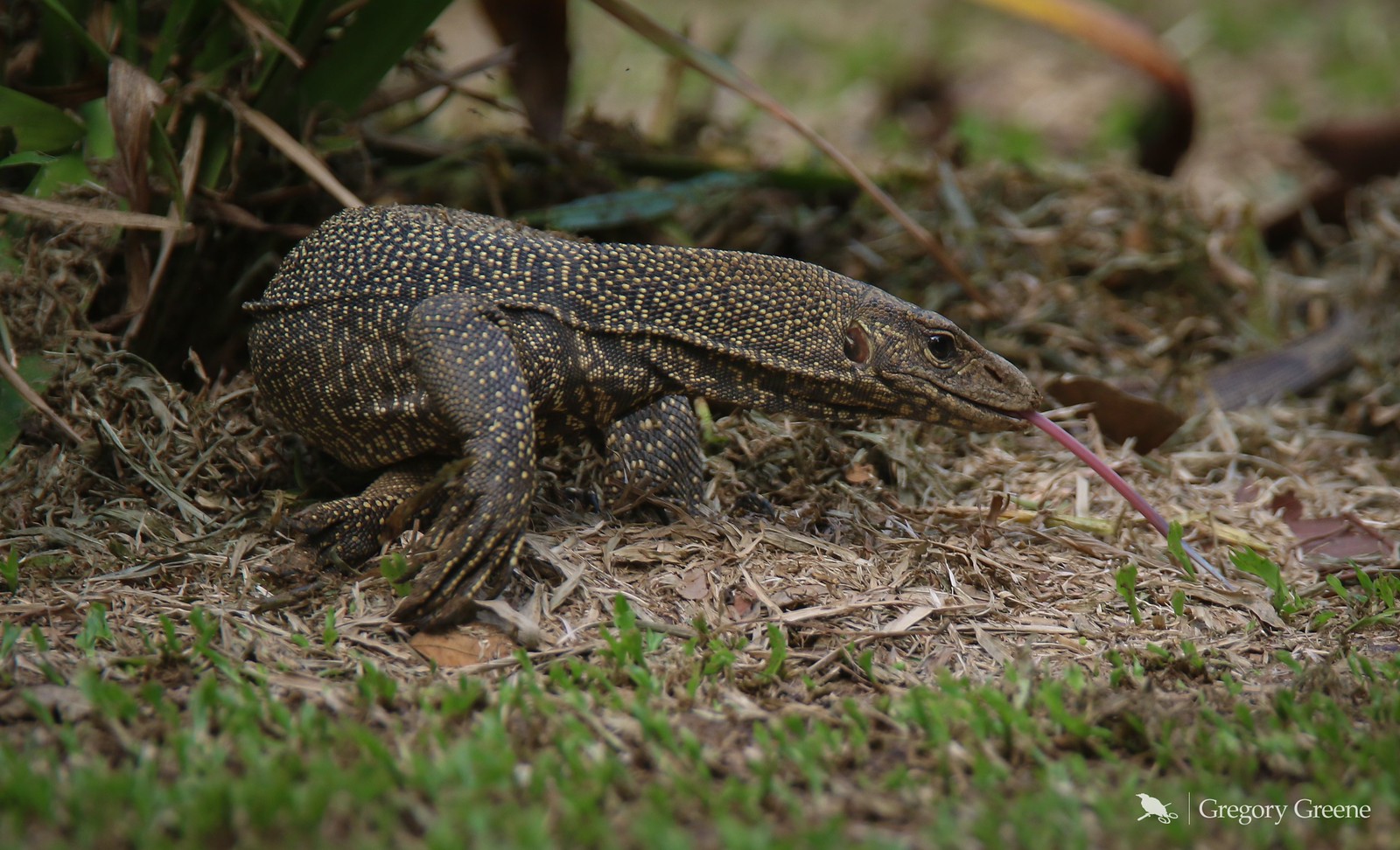
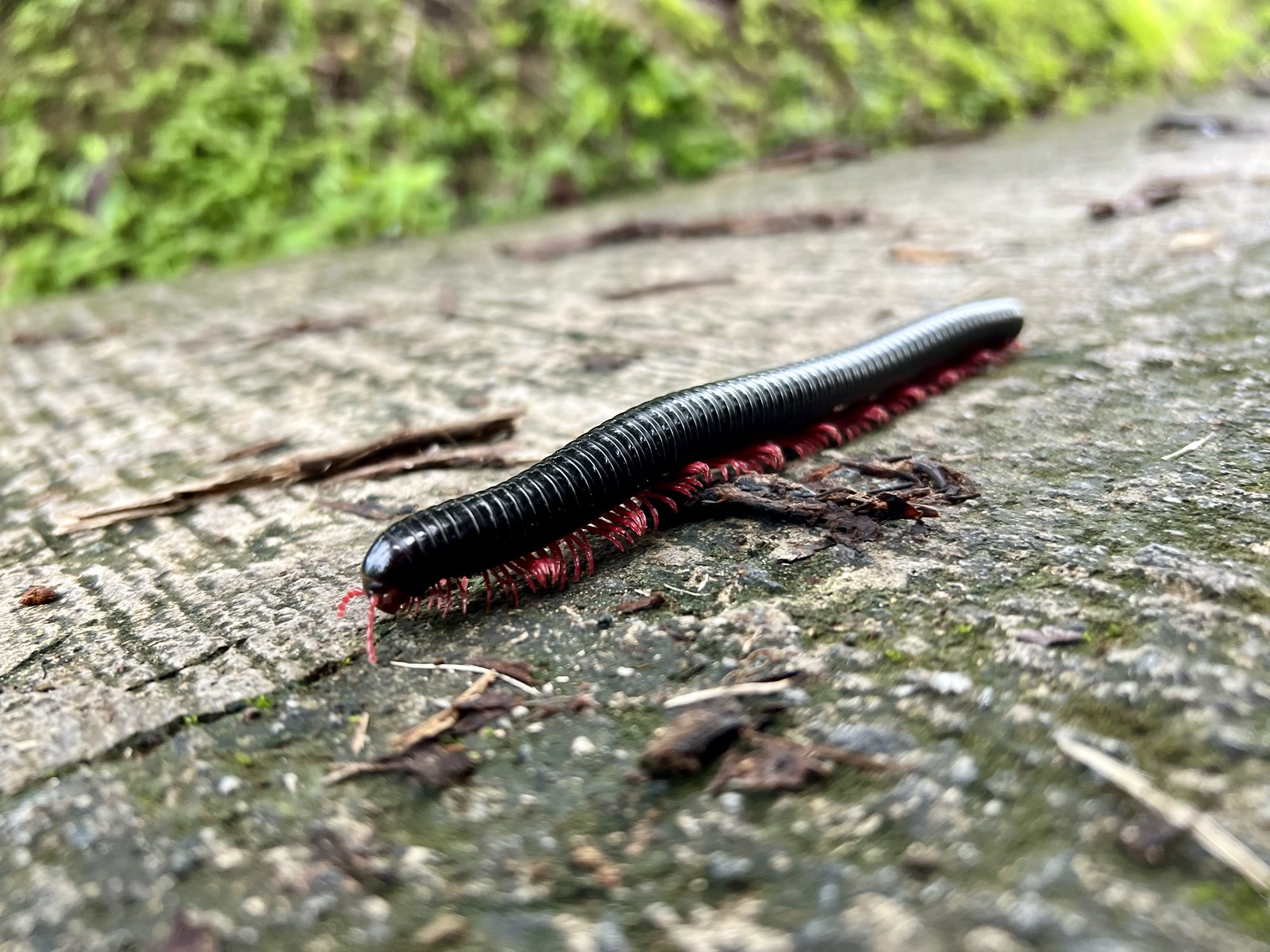
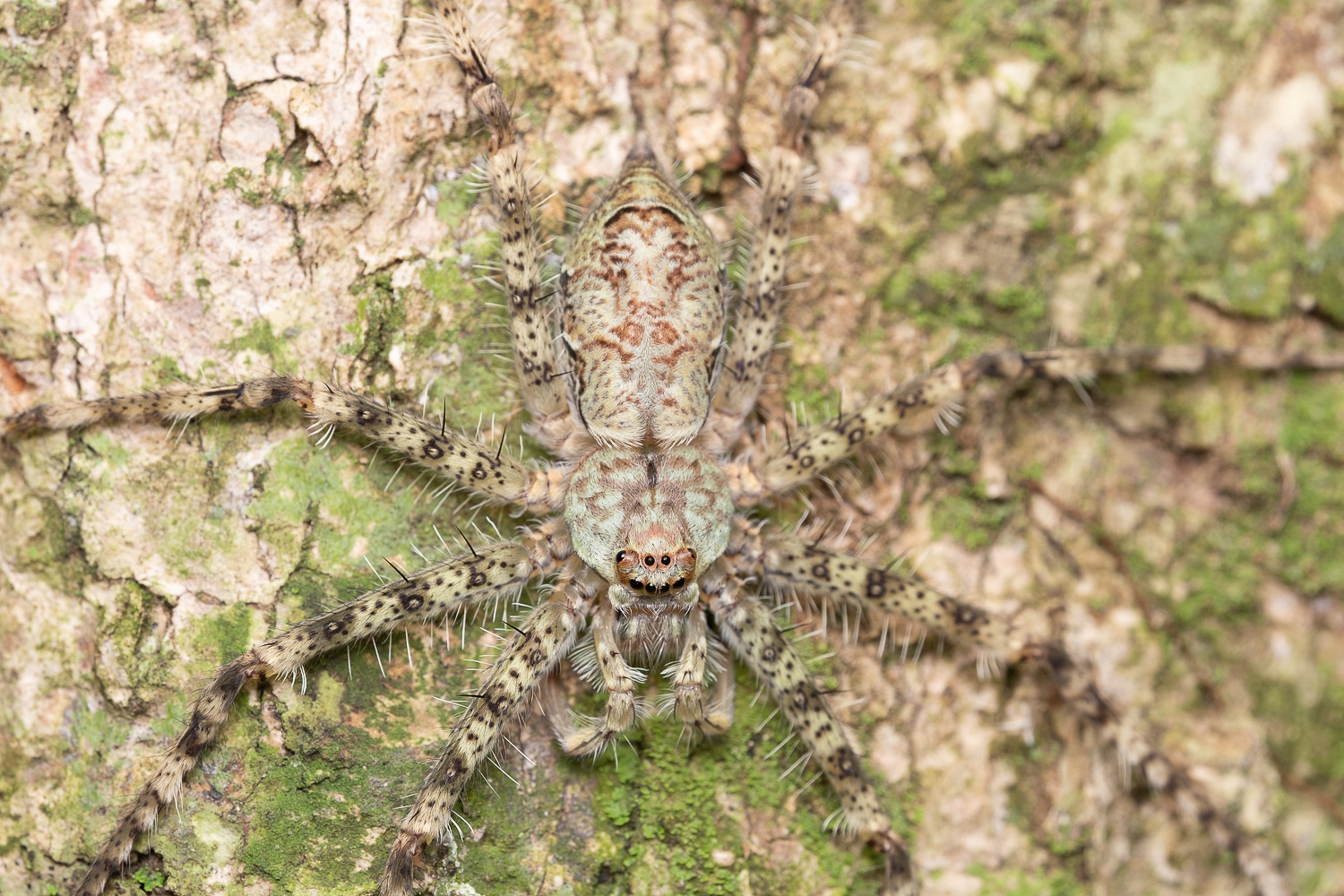
One afternoon we took a boat up the lovely Tahan River, where enormous rainforest trees draped with ferns and orchids leaned over the water, creating a shaded corridor through the forest. The riverbanks and canopy held a steady stream of bird activity, along with the insects and other wildlife that make this such a productive rainforest environment.
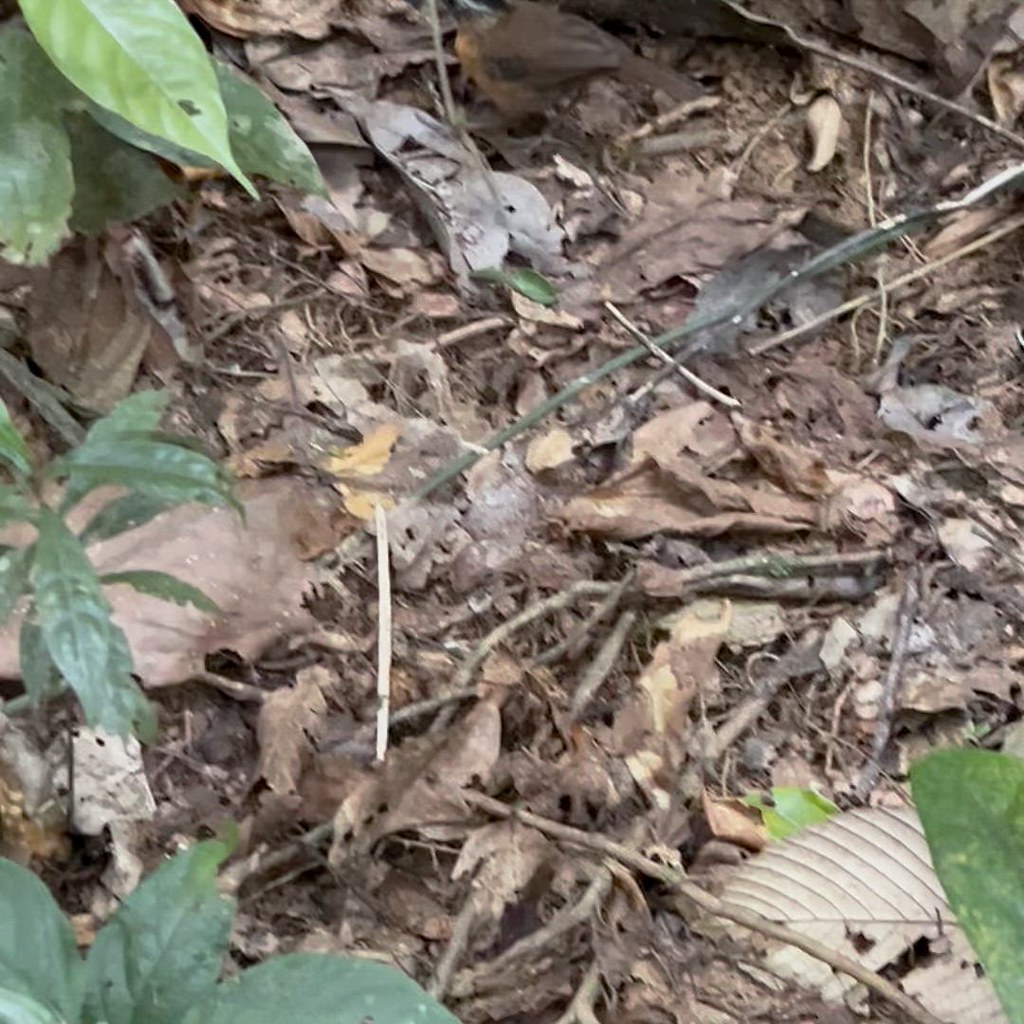
The Swamp Trail produced one of our most memorable encounters when we found a superb male Malayan Rail-babbler foraging right beside the boardwalk. The bird was remarkably unconcerned by our presence, allowing us plenty of time to watch and photograph it. Further along the trail we found Black-throated Babblers, Scarlet-rumped Trogons, and a selection of other rainforest species.
We made several visits to the hide tucked away right behind our accommodation, and it quickly became one of our most productive spots. It was hard to resist returning whenever there was a spare moment, as the surrounding forest seemed to keep producing one good bird after another. Crested Shrikejay, Black Magpie, Red-naped Trogon, and Bushy-crested Hornbill all came into view, with the fabulous Great Slaty Woodpecker providing a particularly memorable encounter.
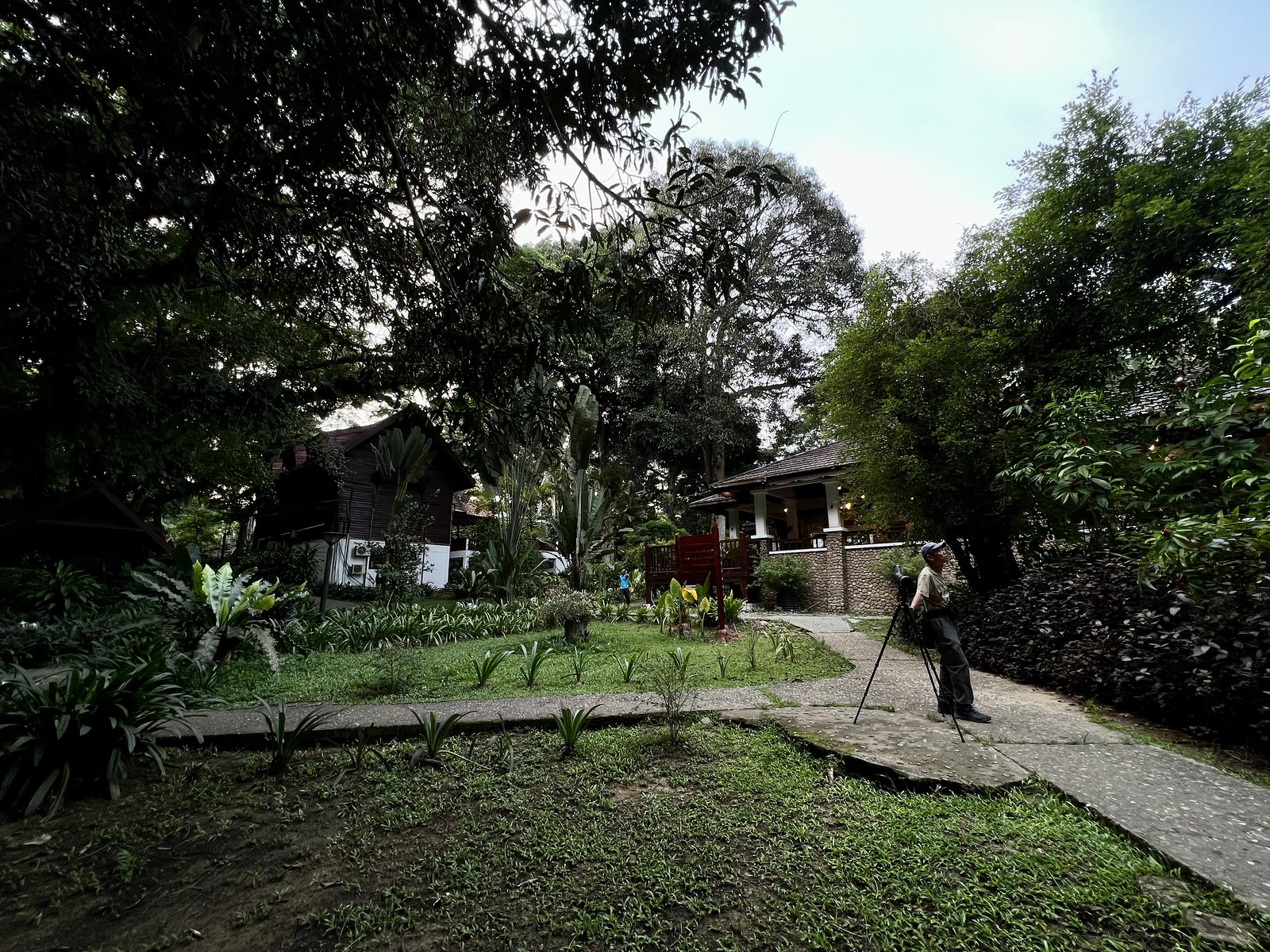
Spending time in the gardens of our resort was also very rewarding, with sightings of Black-bellied Malkohas, Rhinoceros Hornbills, Black-and-yellow Broadbills, Green Broadbill, many different bulbuls and babblers, as well as Asian Fairy-bluebirds and Purple-naped Spiderhunters to name only a few. Our relaxing (yet exciting!) boat trip along the Tahan River to the Tabing Hide also turned up some excellent birds, namely Red-billed Malkoha, five species of woodpecker including the hard-to-find, Orange-backed Woodpecker, and superb Silver-rumped Spinetails.
Taking our leave of Taman Negara, we crossed back over the Tembeling River to Kuala Tahan, met up with our popular and very helpful driver, Steven, and then birded our way out of the rainforest, stopping for Black-thighed Falconets, Grey-bellied Bulbuls, and Baya Weavers along the way.
Spending time in the gardens of our resort was also surprisingly rewarding, with Black-bellied Malkohas, Rhinoceros Hornbills, Black-and-yellow Broadbills, and Green Broadbills among the highlights. A variety of bulbuls and babblers kept things busy, while Asian Fairy-bluebirds and Purple-naped Spiderhunters added to the growing list.
Taking our leave of Taman Negara, we crossed the Tembeling River to Kuala Tahan, where we met up with our popular and very helpful driver, Steven, before birding our way out of the rainforest. Along the way we stopped for Black-thighed Falconets, Grey-bellied Bulbuls, and Baya Weavers, providing a fitting final selection of species as we left the forest behind.
Bukit Tinggi
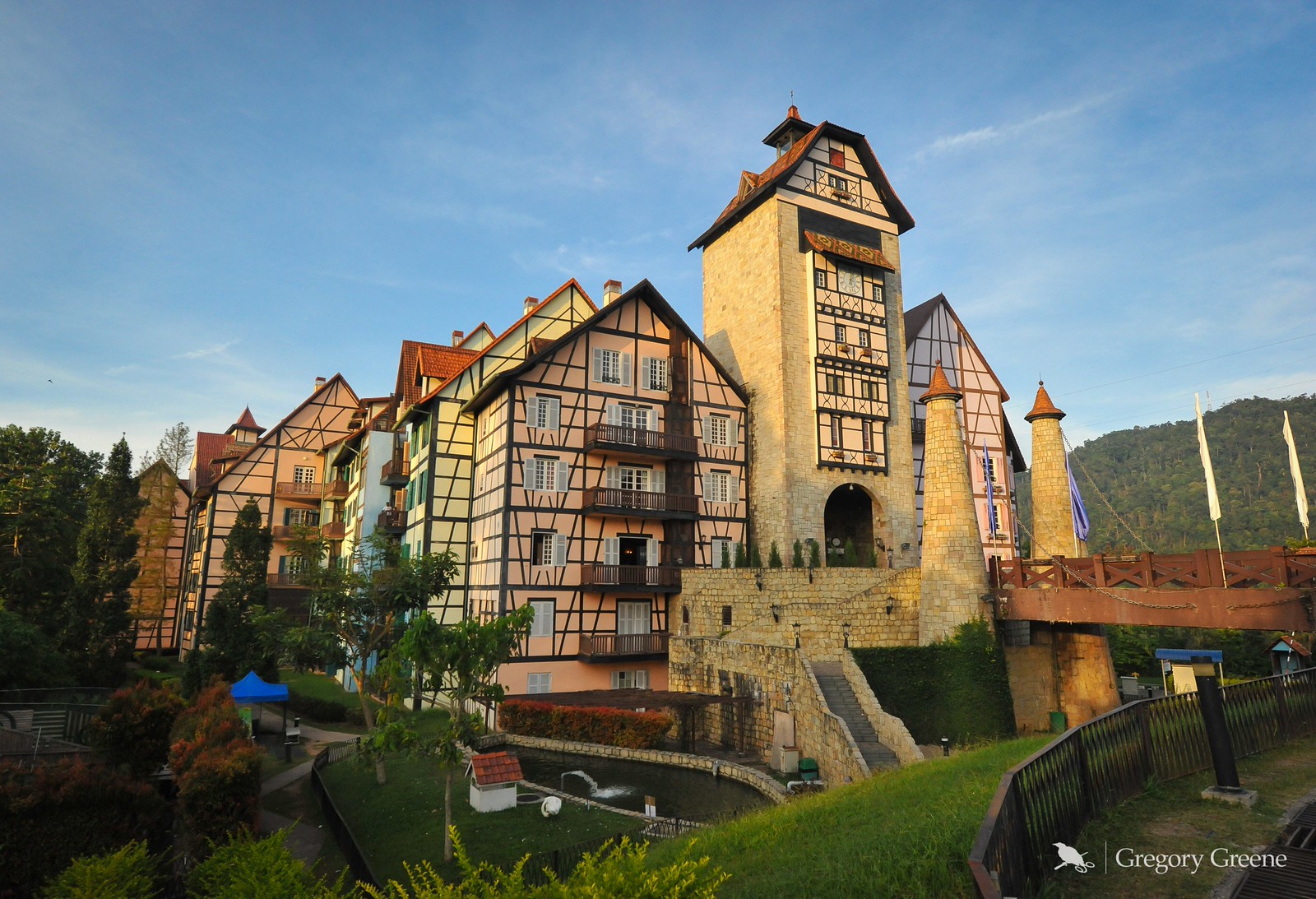
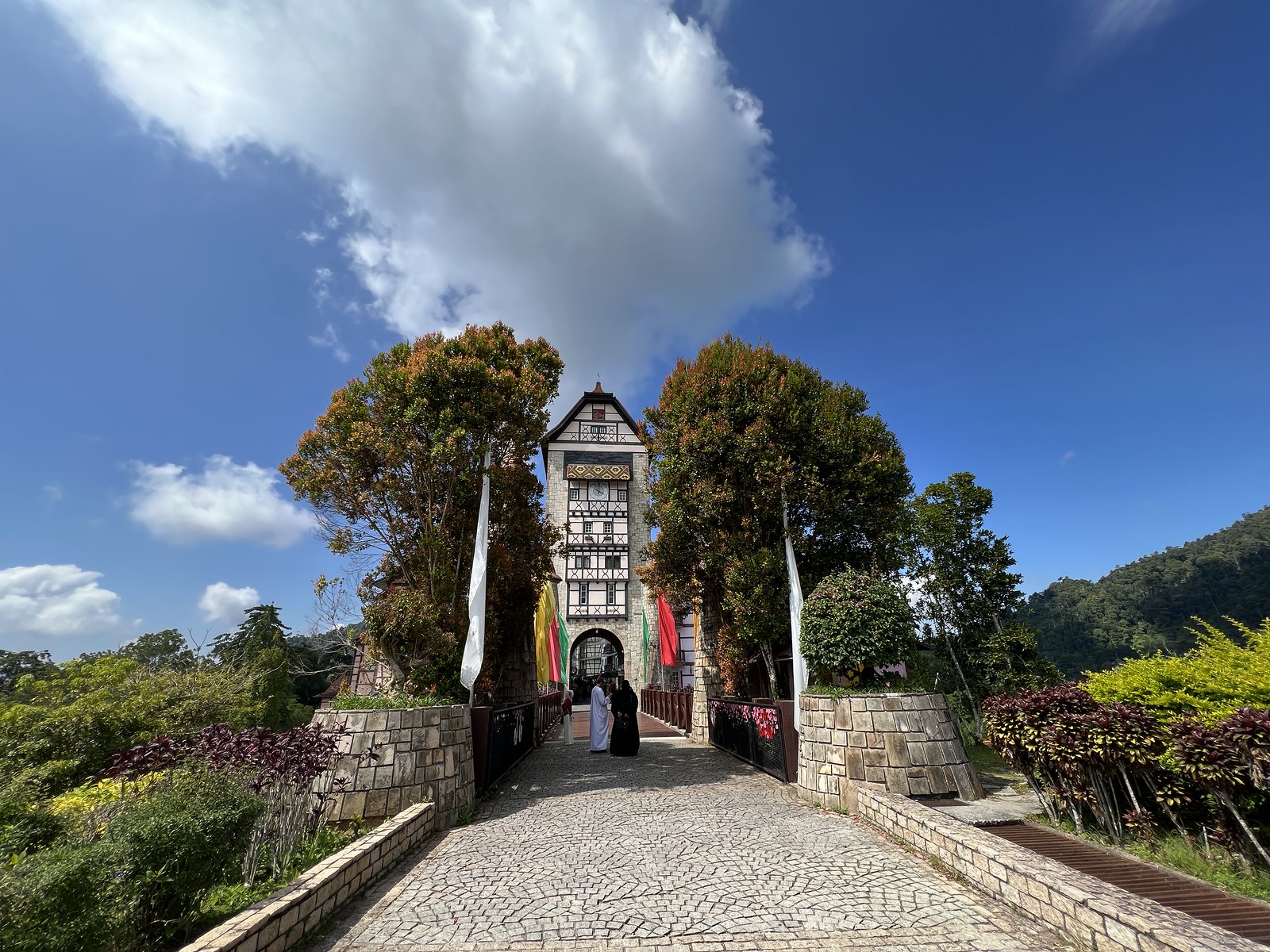
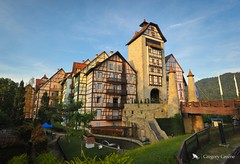
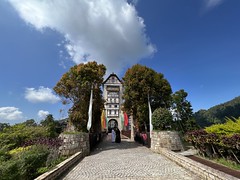
Bukit Tinggi means “High Hill” in English and it sure was nice to be in cooler climes again. But the real star of the show here might just have been our crazy accommodation! The Colmer Castle must be one of the strangest hotels in the world…
Our rooms were very comfortable, and the hotel’s setting, surrounded by a huge expanse of beautiful hill forest, put us in an excellent position to enjoy some really special birding. The quiet roads and the so-called Japanese Garden were particularly productive, with good sightings of Blyth’s Hawk-Eagle, Buff-rumped Woodpeckers, Whiskered Treeswifts, Wreathed Hornbill, Scaly-breasted Bulbul, and the usual assortment of Malaysian babblers, bulbuls, sunbirds, barbets, and more.
The main attraction, however, was our stakeout for Mountain Peacock-Pheasant. This magnificent bird is notoriously difficult to see anywhere else, making the excellent hide here a particularly valuable spot. While waiting for the pheasants, we were entertained by Ochraceous Bulbuls, White-rumped Shamas, and the rather unfortunately named Himalayan Striped Squirrel. Eventually, our patience paid off with views of the Mountain Peacock-Pheasant, providing a fitting finale to a very enjoyable and rewarding tour.
Thank you, everyone for your excellent and enjoyable company. I’d also like to especially thank Lee Kok Chung for his outstanding birding skills and guidance throughout the tour. Steven, our driver, also deserves a shout-out for his friendly and helpful service and for his choice of restaurants!
Maximum group size eight with one WINGS leader.
More Tours with these Leaders