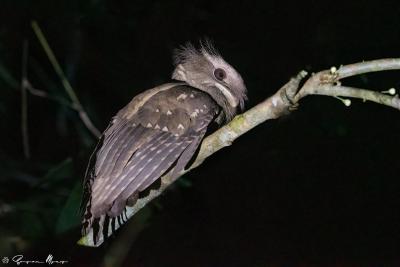
India: The North
Ranthambhore, Bharatpur, Nainital and Corbett
-
Mar 6-24, 2027
Susan Myers and a local leader
2027
Single Room Supplement $1,290


2027
Single Room Supplement $1,290
From the snow-capped mountains of the Himalayas to the sublime beauty of the Taj Mahal and the woodlands where the tigers roam, “Incredible India” really does live up to its reputation as a land of breathtaking landscapes, rich cultural heritage, and extraordinary wildlife. It is also a birding paradise: In the lowland woodlands, woodpeckers, raptors, warblers and babblers abound, while the wetlands and rivers are home to cranes, thick-knees, plovers, lapwings and waders, among many others. The mountains host a similarly exciting array of unique birds including laughingthrushes, robins, redstarts and thrushes. That first sighting of a Himalayan Rubythroat or a Blue-capped Redstart is sure to thrill, as too the sight of Sarus Cranes strutting through grasslands or plunging River Terns. Northern India is also exceptionally rich in other wildlife, most famous among them is of course the incomparable Bengal Tiger, but there are many other large mammals and even reptiles like the amazing Gharial that never fail to fascinate.
WINGS has been offering tours to Northern India for many years, and we usually record up to 400 species of bird, and there is a very good chance we’ll encounter Tiger. We’ve made a few minor changes to our traditional itinerary in response to ever changing local conditions as well as making the tour a bit more comfortable.

Day 1: The tour begins this evening with dinner at an airport hotel in Delhi. Night in Delhi.
Day 2: After breakfast we'll drive south to the town of Dholpur, located near the Chambal River. We’ll arrive in time for lunch at our palatial accommodation followed by a boat trip on the Chambal River. Indian Skimmer still breeds here, and we should be able to find several of these increasingly rare birds, along with Black-bellied Tern and perhaps Sand Lark. The rare Gharial, Mugger Crocodile, and even Gangetic Dolphin are also here, and we’ll hope to see all three.
Our hotel, the Dholpur Palace, is a unique example of the Indian fascination with European, and especially Dutch ceramics. Set in 13 acres of garden, the Palace grounds are as well full of bird life that it shares with the nearby National Chambal Sanctuary. Night at the Raj Niwas Dholpur Palace Hotel.
Day 3: We’ll drive a short distance north to Agra for our visit to the Taj Mahal—“no mere building, but a love immortalized in marble.” Birders who are unmoved by Shah Jahan’s promise to build a tomb that would forever recall the love he shared with Mumtaz Mahal should still enjoy the profusion of raptors over the Taj, not to mention the rich birdlife found on the banks of the Yamuna River. We may encounter Ruddy Shelduck or River Lapwing, while Asian Koel and Brown-headed Barbet can be seen in the leafy gardens.
In the afternoon we’ll drive to Bharatpur National Park, one of the ornithological wonders of the world. Night at Bharatpur.
Days 4-5: Keoladeo National Park, or simply Bharatpur, was originally a vast wetland developed for duck shooting. Coaches are not allowed inside the park so we’ll explore the 10 square miles by electric buggy and on foot. Birding here is always very rewarding, with the possibility of more than 150 species ranging from Sarus Crane to Small Minivet, from Brown Crake to Eastern Imperial Eagle. Among the vast numbers of waterbirds, Black-necked and Painted Storks, Intermediate Egret, and Oriental Darter will vie for our attention as we search for more sought-after species such as Ferruginous Duck, Red-crested Pochard, and Greater Painted-snipe. In the trailside trees we’ll look for Marshall’s Iora, Yellow-footed Green Pigeon, Common Wood-Shrike, White-bellied Drongo, Coppersmith Barbet, and Ashy Prinia. Beneath the bushes the slightest movement could signal a Bluethroat or, with luck, an Orange-headed Thrush or Siberian Rubythroat. In the sky above there might be Greater Spotted Eagle, Red-headed Vulture, or Crested Serpent-Eagle. Dusk may bring us Collared Scops or Dusky Horned Owls, or a nightjar or two. Note that Bharatpur is suffering from a long-term acute water shortage, and although the actual amount of water in the park varies, depending largely on the magnitude of the previous summer’s monsoon, the sanctuary has been very dry for most of the 21st century. Because of this, we might now spend only one full day inside the reserve, and visit sites outside the reserve as time allows. Nights at Bharatpur.
Day 6: Our next destination is the famous Ranthambhore Tiger Reserve. Driving through the open countryside of the Gangetic Plain will be a wonderful introduction to rural India, and we can expect to see Indian Pond Heron, Black-shouldered Kite, Common Peafowl, Rose-ringed Parakeet, Indian Roller, Black Drongo, and Common and Bank Mynas along the way. Arriving around midday, we’ll check into our hotel and later have our first safari drive in the reserve in search of the majestic Bengal Tiger. Night at a comfortable lodge outside the Tiger Reserve at Ranthambhore.
Day 7: Ranthambhore is the subcontinent’s most famous and accessible tiger reserve, and we’ll take six drives in all inside the park during the mornings and early evenings. Our open-topped vehicles allow excellent views of the wildlife, and we’ll undoubtedly see good numbers of Spotted Deer, an important prey item for the elusive tiger. Elusive they may be, but the habitat here is fairly open, and a healthy tiger population and excellent local knowledge ensures that we have a good chance of at least one encounter with this magnificent cat. Ornithological distractions could include Painted Spurfowl, Changeable Hawk-Eagle, and White-naped Woodpecker. Night at Ranthambhore.
Day 8: If we haven’t had an excellent tiger experience, we’ll focus on finding one. There are numerous other attractions here as well, including a spectacular ancient fort and a series of bird-thronged lakes. Outside the reserve we have a good chance of finding regional specialties such as the gorgeous Indian Courser and elusive Painted Sandgrouse. Night at Ranthambhore.
Day 9: After a final morning drive in the reserve, we’ll leave Ranthambhore and return to Delhi to get ready for tomorrow’s early morning train trip. Night in Delhi.
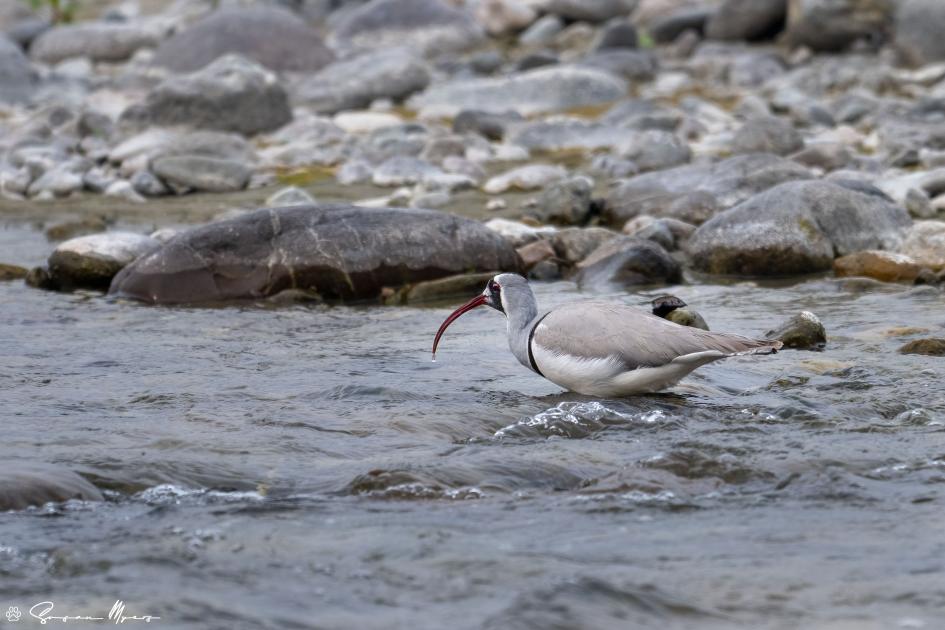
Day 10: We’ll leave very early to catch our train to Kathgodam at the base of the mighty Himalayas. We should arrive around midday and, after lunch, drive to Ramnagar where we’ll search the boulder-strewn river for the rare and increasingly elusive Ibisbill and the stunning Wallcreeper. From there we’ll drive to just outside Corbett National Park where our superb lodge offers marvelous views across the Kosi River and a rich woodland where we are free to wander on foot. Night at The Den.
Day 11: We’ll explore the river edge for Brown and Tawny Fish-Owls, Crested Kingfisher, Brown Dipper, and Plumbeous Water and White-capped Redstarts. It’s an area full of surprises, and in recent years we have regularly seen Long-billed Thrush and Little Forktail, as well as Rufous-bellied Eagle and Mountain Hawk-Eagle. The many new species possible in the forest include Collared Falconet, Crested Tree Swift, Hair-crested Drongo, and Orange-bellied Leafbird. Night at The Den.
Day 12: After breakfast we’ll enter the highly scenic and internationally famous Corbett National Park. Red Junglefowl and Kalij Pheasant are immediate possibilities. The Park, established for Project Tiger in 1935, covers 200 square miles and we may not see tigers here given the vast areas of forest in which they roam. Exploration on foot is not allowed—indeed, it is possible only in areas adjacent to our lodge or if accompanied by an armed guard. Happily, the park is easily accessible by our open-top jeeps.
Located in the Himalayan foothills between 1,300 and 3,500 feet above sea level, the reserve is divided by the River Ram Ganga, which harbors two species of inland crocodile and offers a variety of habitats from dense jungle and mature forests to open grassland, broad river valleys, and rolling hills. After a fantastic day of birding and game viewing in the park, we’ll then transfer to Dhikuli in preparation for tomorrow’s safari in a different section of the park. Night in Dhikuli.
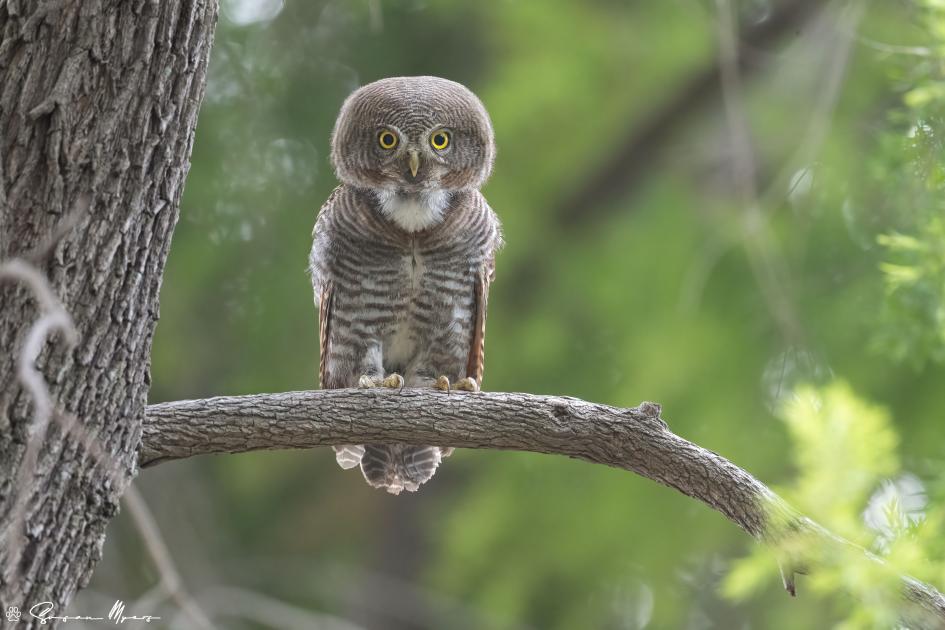
Day 13: The wealth and variety of species in the Dhela and Jhirna zones of the park seems almost inexhaustible: Great Hornbill, Asian Barred Owlet, Slaty-headed Parakeet, Himalayan Swiftlet, Lesser Fish-Eagle, or even Great Thick-knee, Stork-billed Kingfisher, or White-tailed Rubythroat. In addition to Bengal Tiger, mammals could include Indian Elephant, Indian Muntjac, and Hog Deer. Night at Dhikuli.
Day 14: After a final morning exploring the Dhikuli area, we’ll drive to the old colonial-era hill station of Nainital, a journey that takes us along one of the world’s more spectacular mountain roads as we climb into the Kumaon Hills to this delightful “lake city.” We’ll stop along the way to look for birds including Long-tailed Broadbill, Black-throated Jay, Black-throated Bushtit, Blue-capped Redstart, and the stunning Spotted Forktail. Night in Nainital.
Days 15-16: Driving up to the mountain ridge above Nainital, we’ll look across to the snow-capped Western Himalayas and the borders of China and Nepal. If the weather is clear, we’ll be able to see Nanda Devi, at 24,500 feet India’s highest peak, from a viewpoint often alive with Oriental Turtle Dove, Chestnut-crowned and White-throated Laughingthrushes, Gray-winged Blackbird, and Red-flanked Bluetail. A gentle downhill stroll back into town will add many sub-Himalayan species to our list. On walks through the surrounding valleys and forested hills we’ll hope for Hill Partridge, Altai Accentor, White-tailed Nuthatch, Rusty-cheeked Scimitar-Babbler, Golden Bush-Robin, Yellow-breasted Greenfinch, and Common, Dark-breasted, and Pink-browed Rosefinches. From a nearby mountain lookout, close-passing raptors such as Himalayan Vulture, Lammergeier, and Steppe Eagle are possible while other surprises could include Cheer and Koklass Pheasants, Great Barbet, White-browed Shrike-Babbler or Rufous Sibia. Streaked Laughingthrush is a common garden bird here, and the numerous wooded gullies and gardens around town have in recent years produced Chestnut Thrush, Fire-fronted Serin, and Russet Sparrow, all within walking distance of our hotel.
On one day we’ll visit the lake at Sattal, passing through coniferous forests, a patchwork of farm fields, and deciduous woodland surrounding the lake. Each of these habitats holds different birds, and highlights on previous visits have included Brown Wood Owl, White-crested and Rufous-chinned Laughingthrushes, Red-billed Leiothrix, Scaly Thrush, Black-throated Accentor, and White-capped Bunting. Nights in Nainital.
Day 17: After a final morning around Nainital, we’ll return to Kathgodam where we’ll take lunch before boarding our afternoon train back to Delhi with a scheduled arrival time just before nine p.m. Night in Delhi.
Day 18: We’ll finish our birding in this exciting and bird-rich part of the world at Sultanpur, a wildlife reserve close to the capital. Even after nearly three weeks in this fascinating country, there will still be new species to distract us, perhaps including Eastern Orphean Warbler and regional specialties such as Brooks’s Leaf Warbler and Sind Sparrow. Night in Delhi.
Day 19: The tour concludes with transfers to the airport.
Note: The information presented below has been extracted from our formal General Information for this tour. It covers topics we feel potential registrants may wish to consider before booking space. The complete General Information for this tour will be sent to all tour registrants and of course supplemental information, if needed, is available from the WINGS office.
ENTERING INDIA: All U.S. citizens need a passport, valid for 6 months beyond date of visa application, at least two blank pages, and a valid Indian visa to enter and exit India for any purpose. U.S. citizens seeking to enter India solely for tourist purposes, and who plan to stay no longer than 60 days, may apply for an electronic travel authorization in lieu of applying for a tourist visa at an Indian embassy or consulate. Please visit the https://indianvisaonline.gov.in/evisa/tvoa.html for additional information regarding the eligibilities and requirements for this type of visa. Without the electronic travel authorization, which must be obtained at least four days prior to arrival, visas are not available upon arrival for U.S. citizens.
The Government of India has appointed VFS Global to assist with visa services to individuals in the United States. Applicants may apply for Indian visas through this link: https://visa.vfsglobal.com/usa/en/ind/apply-visa.
COUNTRY INFORMATION: COUNTRY INFORMATION: You can review the U.S. Department of State Country Specific Travel Information at https://travel.state.gov/content/travel/en/international-travel/International-Travel-Country-Information-Pages/India.html
Review foreign travel advice from the UK government here https://www.gov.uk/foreign-travel-advice/india and travel advice and advisories from the Government of Canada here: https://travel.gc.ca/destinations/india
PACE OF TOUR: On a number of days there will be optional pre-breakfast walks. Most of these will start at 6:30 a.m. or 6:45 a.m. and may last for up to three hours. Most days we should finish at dusk, around 6:30 p.m., and we usually manage to have about a one hour break before the checklist and dinner. There may be one or two days when we get back after dusk, and we may therefore require a shorter break before dinner.
At Ranthambhore Tiger Reserve safari or game drives start in the early morning (we may have to leave the hotel before dawn – around 6:15 a.m.) and usually last for about three or three-and-a-half hours, after which time we will return to the hotel for breakfast. On several days there will be a further game-drive in the afternoon (they usually run from about 2:45 p.m. to 6:00 p.m.).
There is a reasonable amount of walking involved on this tour, although none of it is particularly strenuous. Sensibly, we are not allowed to walk on foot inside Ranthambhore Tiger Reserve or Corbett National Park, and instead we will explore the sanctuary using either open-topped jeeps or a large, open-topped truck fitted with rows seats. We anticipate birding at several small sites outside the reserves where we are allowed to walk. These walks will be short and easy.
At Bharatpur we’ll be using so-called eRickshaws within the park to gain access to several different sites throughout. The layout of the park is ideal for long, gentle walks, as the entire place is criss-crossed with good, level paths and tracks. We can expect to complete walks of two or three (at most) miles here. We will spend one night and parts of two days at the Dholpur where we’ll take a boat ride on the nearby Chambal River and make a few short walks in nearby birding areas. Again, none of these activities will be strenuous.
At Ramnagar we’ll walk along a braided riverbed which will involve uneven, boulder-strewn terrain. At our inn outside Corbett National Park we’ll go for a couple of long walks that will occupy a full morning, although included in this are numerous stops for birds. During these walks we’ll follow the path of a small stream for some time. This walk, and all the others on the trip, can be easily undertaken by anyone with a reasonable degree of fitness.
At Nainital, although we are in a mountainous area, there will only be a few uphill walks and these will be taken at a gentle pace. We reach altitudes of about 8000 feet (2,500 m) at Nainital. If you have any questions about your ability to take part in any of the walks, please contact the WINGS office. On at least one of the three full days that we spend at Nainital there will be a very early start, and we’ll depart in our jeeps at about 4:45 a.m. (almost one-and-a-half hours before sunrise) to be at a good site for Koklass Pheasant (and possibly also Cheer Pheasant) at dawn. As with most of our early departures, this one will be optional.
HEALTH: The Centers for Disease Control and Prevention (CDC) recommends that all travelers be up to date on routine vaccinations. These include measles-mumps-rubella (MMR) vaccine, diphtheria-tetanus-pertussis vaccine, varicella (chickenpox) vaccine, polio vaccine, and your yearly flu shot.
They further recommend that most travelers have protection against Hepatitis A and Typhoid. Please contact your doctor well in advance of your tour’s departure as some medications must be initiated weeks before the period of possible exposure.
The most current information about travelers’ health recommendations can be found on the CDC’s Travel Health website here: https://wwwnc.cdc.gov/travel/destinations/list
Malaria: There is a malaria risk in India (lower elevations). Please consult your physician.
Altitude: Most of the tour is at low elevation but we reach 8000 ft (2,500 m) when in Nainital.
Smoking: Smoking and vaping are prohibited in the vehicles or when the group is gathered for meals, checklists, etc. If you are sharing a room with a non-smoker, please do not smoke in the room. If you smoke in the field, do so well away and downwind from the group. If any location where the group is gathered has a stricter policy than the WINGS policy, that stricter policy will prevail.
Miscellaneous: Biting insects, except the occasional mosquito, are virtually non-existent on this tour.
Tap water is not safe to drink and should be avoided at all times. Bottled water will be provided throughout the tour and soft drinks and beer are widely available. Mild upset stomachs, often brought on simply by a change of diet, can be hard to avoid in India. We suggest bringing anti-diarrhea medicine such as Imodium. Gatorade or other electrolyte-replacement drinks in powder form are also worth bringing as they replace the vital salts and minerals lost during a bout of diarrhea.
CLIMATE: The temperatures throughout this tour will vary dramatically. Our days at Bharatpur and Ranthambhore Tiger Reserve should be very pleasant with temperatures in the 60°F-80°F range by midday. However, the early mornings and late afternoons, times when we will be out on games drives at Ranthambhore, can be quite cold with air temperatures possibly as low as 37°F and a significant wind chill. Once we leave the plains, we will climb higher and the night-time temperatures drop. Moreover, although the days can still be very warm, there is an increased chance of rain. You should expect early morning frosts at Corbett Park and around our accommodation immediately outside. At Nainital, colder weather is likely, at least in the early mornings and rain, sleet or even, exceptionally, snow is possible. Once the sun goes down, the temperatures here will plummet and, even though there are heaters in the rooms and hot water bottles are provided in the beds, the hotel, which is designed to stay cool in the hot summers, can feel very cold. Warm hats (beanies), gloves and down jackets, and possibly even long johns if you feel the cold, are advised for our birding here.
ACCOMMODATION: The Vivanka and the Dholpur Palace hotels are modern, well-appointed hotels with all the expected facilities. At Sawai Madhopur (near Ranthambhore Tiger Reserve), Bharatpur and Corbett we will stay in very pleasant, medium-sized privately run hotels, all of which are about 15 minutes’ drive from the park entrance. At both hotels, the well-appointed rooms have private facilities, including showers. There’s also internet access at the reception and both properties have outdoor swimming pools (though the one at Bharatpur is often too cold for us to use).
In Nainital we'll be staying at a good, recently refurbished modern hotel. Please note that at The Den and especially at Nainital, we can expect cold nights. The hotel at Nainital is designed for summer use and both the bedrooms and the dining room are not heated. A small electric or fan heater is provided in each bedroom, but this has limited effect. You will find thermal underwear and pyjamas useful here, if not essential.
Internet and Mobile Phone Access: Several places we will visit have Wi-Fi available in the rooms or in common spaces within the hotel. Our hotel at Ranthambhore has a cheap wireless service that works in the dining room and adjacent areas. It does not work in the room. Our hotel at Bharatpur also has Wi-Fi and that works in the hotel lobby but may not work in the rooms or elsewhere in the hotel compound. Our hotel near the Chambal River also has a fast and free wireless service. There is good Wi-Fi service at the hotels in Nainital and in Delhi.
Mobile phones can be useful while on tour but keep in mind that many countries operate on a different cellular technology. Your phone may be incompatible with the local system, so please check with your local carrier. One option is to replace the data (“SIM”) card in your phone in-country. The SIM cards, including data can be very cheap. These can be purchased on arrival in Delhi Airport. If you wish to use this option, you will need to check that your smart phone has a SIM card slot. Most new cell phones now have eSIM options; you may wish to use these and we recommend apps such as aloSIM to enable this on your phone.
FOOD: Throughout the tour we are served a wide variety of good quality Indian food. The food we are served always includes a good selection of vegetarian dishes. In some of the places that we stay, meals are buffet-style with several different dishes available while in other places set meals are provided. However, a typical Indian set meal actually consists of a choice of three or four different dishes.
We appreciate that not everyone likes to eat Indian food (which can occasionally be a little bit spicy) every day or even at all. Almost all of the places we visit will, if requested, provide western food. If a buffet is being served, this normally includes a western-style dish or two. However, if you require western-style food and cannot eat Indian food please advise the WINGS office in advance and the leader once you are on the tour. Even when a western-style meal is provided, it must be said that obviously our meal preparers are able to cook Indian food to a much better standard than they cook western food.
Food Allergies/Requirements: We cannot guarantee that all food allergies can be accommodated at every destination. Participants with significant food allergies or special dietary requirements should bring appropriate foods with them for those times when their needs cannot be met. Announced mealtimes are always approximate depending on how the day unfolds. Participants who need to eat according to a fixed schedule should bring supplemental food. Please contact the WINGS office if you have any questions.
Drinks: Bottled water and/or a soft drink is provided at lunch and dinner, as is coffee or tea. One glass of beer or wine is provided at dinner for those who wish. All extra and other drinks or ‘personal’ drinking water for use in your room etc. is the responsibility of the individual.
TRANSPORTATION: We use trains on this tour for some of the longer journeys, travelling by train between Delhi and the north, and back. We will have comfortable seats in the first class carriage where we will be served breakfast (to Kathgodam) and dinner (to Delhi). Our baggage will be transported by road (by one of our trusted drivers) so that you won’t need to have the hassle of dealing with heavy and cumbersome luggage.
Inside Ranthambhore Tiger reserve we will be in a small open topped bus (a canter). These 15- or 21-seater vehicles invariably have poor suspension and the unpaved tracks inside the reserve are rough and often strewn with large boulders. An inflatable cushion might prove useful and in the past people have occasionally borrowed a pillow from their hotel bedroom. Inside Bharatpur we travel around the reserve 3-4 electric eRickshaws. Outside Bharatpur, when we visit Chambal, Agra and for the journey back to Delhi, we will use a modern coach or 4WD cars.
Travel between Delhi and the Himalayan foothills at Kathgodam will be by express train. On arrival at Kathgodam we’ll be met by four cars and transferred to our accommodation, with stops for birding en route. Our baggage will be waiting for us! For our excursions inside Corbett we will use gypsy vehicles (off road open top cars with seating for four people) but otherwise will travel by minibus. When we return to Delhi, we will again travel by express morning train.
At all times bottled mineral water will be provided on the vehicles. The leader will arrange a seating rotation. Participants should be able to ride in any seat in tour vehicles.
2026 Narratvie
Our trip started in typical Delhi fashion—crowded, chaotic, and slow-moving. The group gathered that evening for a quick meeting and dinner. Everyone seemed eager, and it was clear from the start that we had a solid group.
We headed out the next morning for Dholpur, where we had a hasty lunch before heading out. Chambal was our first real birding site, and it delivered. We made our way down to the river and boarded our boat to take us on our outing along the river. Indian Skimmers, Great Thick-knees, Small Pratincoles, and River and Black-bellied Terns were among the highlights, and we also saw several very impressive Gharials and Mugger Crocs sunning along the banks. After the cruise and a couple of birding stops, we made our way to back to our hotel for a delicious evening meal.
After an early breakfast, we departed for the drive to Agra and the Taj Mahal. Our early morning visit was far less hectic than usual although we hardly had the place to ourselves! As expected, the entrance process was packed and disorganized but once inside, the monument was, of course, stunningly impressive, and we spent the morning exploring with a local guide. After that, it was another hour on the road to our hotel in Bharatpur.
Keoladeo National Park at Bharatpur is always exciting, and we had two full days here. Birding by eRickshaw let us cover plenty of ground, and the species diversity was amazing: Sarus Cranes, Greater Spotted-Eagles, Indian Peafowl, Painted Storks, and many more. One afternoon, we explored a different site outside Agra and had good looks at Spotted Crake, Greated Painted-snipe, and Indian Bushlark—a trip highlight for many in the group.
Next stop was Ranthambore. The drive to our hotel took most of the day with a couple of birding stops, including a successful search for the scarce Indian Courser as well as Yellow-wattled Lapwing, Variable Wheatear, and Tawny Pipit. We checked in to the evocatively named Tiger Den Resort and went out that same afternoon on safari. In Zone 4, we got lucky: a group of teenage Bengal Tiger siblings found sheltering in the bushes from the intense heat.
Over the next few days, we did multiple safaris across different zones. The birding was fantastic with sightings of Painted Spurfowl, Asian Woolly-necked Stork, Brown Fish-Owl, Crested Serpent Eagles, Jungle Owlets, Plum-headed Parakeets—and we even had multiple Sloth Bear sightings – an adult pair, a mother with three cubs, and three teenage siblings no less! Each morning followed a similar rhythm: early breakfast, safari, midday break, and then another drive in the afternoon. We explored different zones on each outing and each zone seemed to have its own character with different micro habitats.
A huge highlight in Zone 3 was a sighting of an adult female Tiger who nonchalantly walked down the road ahead of our vehicle before briefly disappearing into a creek bed, before reappearing holding a well-seasoned deer leg she had clearly previously stashed away. She sat down in front of us for her morning snack.
One mid-morning outing in a dry scrub area in search of Painted Sandgrouse, was less successful but Rufous-fronted Prinias were an added bonus at this very hot and dry site. We also had outstanding views of a rare Indian Fox.
From Ranthambore, we made the long drive back to Delhi, arriving tired but satisfied. The next morning started early again—this time for a train ride north. The station was hectic as usual, but we boarded without trouble. The five-hour ride passed smoothly, with a very ordinary breakfast served on board! On arrival in Kothgadam we had lunch near the station and then stopped at the Koshi Barrage and Girija Devi Temple, where we found a whole new suite of bird species. Then made our way to our delightful hotel (with its gardens full of birds) in the foothills of Corbett.
We spent the following day exploring the Kumeriya area outside the national park, birding along quiet roads and stopping at a roadside stall for a morning pakora snack. Again, a whole new set of bird life greeted us here, and we enjoyed some exciting sightings, including Little Forktail, Black-chinned Babbler, Himalayan Black-lored Tit, and garrulous White-crested Laughingthrushes. A spritely Immaculate Cupwing responded strongly but sneakily to our enticements!
On another afternoon, we returned to the temple and picked up the much-hoped-for Wallcreeper—another major trip target. Back at the hotel, we squeezed in some night birding with success in the form of a Jungle Owlet and Brown Boobook. The grounds of the hotel proved to be excellent for birds, and we found Brown-capped Pygmy Woodpecker, Grey-winged Blackbird, Chestnut-bellied Nuthatch, and Common Green-Magpie.
We transferred to the Dhikala area the next day, on the other side Corbett National Park, and did a full day of birding by jeep inside the park. Despite the rain and cold weather, we had a good day with sightings of Tickell’s Thrush, Small Minivet, Great Hornbill, Himalayan Griffon, and Tickell’s Blue-Flycatcher, and mammals such as Indian Muntjac, Tarai Grey Langur, and Golden Jackal.
From Corbett, we moved on to Nainital, stopping along the way for birding and a visit to the Jim Corbett Museum (which was mostly about souvenir shopping, to be honest). In Nainital, we settled into a more mountainous rhythm. We birded Pangot and the surrounding areas, hitting our highest elevation of the trip. A shout from Gajendra, who’d moved down the road a bit, alerted us to one of the undoubted highlights of our birding journey – the call of a Cheer Pheasants! Fortunately, Chris stayed put, and he expertly spotted it on the other side of the ravine, so we were able to watch this remarkable and highly sought-after pheasant at length.
As we braved the chilly Himalayan morning, we also spotted Upland Pipit and impressively large flocks of Altai Accentors. Species spotted at other sites along this winding, mountainous road included Bar-tailed Treecreeper, Tytler’s Leaf-Warbler, Rufous Sibia, Ultramarine Flycatcher, and Black-throated Tit. At our lunch stop, we were entertained by Black-headed Jays, Streaked Laughingthrushes, and Yellow-breasted Greenfinches.
The next day we visited Sattal, meaning Seven lakes, an interconnected group of seven freshwater lakes situated in the Lower Himalayan Range near Bhimtal, a town of the Nainital district in Uttarakhand, India. We spent the early morning in a hide, where we had a steady stream of fabulous forest species – Rufous-throated Partridge, Kalij Pheasant, Red-billed Blue-Magpie, Rusty-cheeked Scimitar Babbler, and dozens of Red-billed Leiothrix. Woodpeckers were also represented with Brown-fronted Woodpecker and Grey-headed Woodpecker. Outside the hide, we spotted Grey-sided Bush-Warbler and Himalayan Rubythroat, much to our delight.
Later, we went with Ankit, Gajendra’s friend, who guided us through the rest of the day. Further explorations turned up some more exciting birds, including the gorgeous Small Niltava and Ultramarine Flycatcher. Being a local, Ankit had some secret sites, including one for a fabulous Brown Wood-Owl, that we were able to observe and photograph at length. At the Chaffi River, we were pleased to find Brown Dipper and thrilled to see Spotted Forktails and Plumbeous Water-Redstarts.
Traffic on the way back to Nainital was brutal—it was a Sunday—and it took ages to get back to our hotel. But once there we enjoyed a soothing drink at the comfortable bar in our delightful hotel while we did the list. The following morning, we squeezed in one last birding walk on Lands’ End Road before heading back to Kathgodam. What a memorable end with Leopard and Goral spotted on the cliffsides as we spotted Chestnut-crowned Laughingthrushes, Pink-browed Rosefinches and Red-billed Blue-Magpies. Before boarding our train to Delhi, we enjoyed a delicious South Indian thali lunch.
Our final birding destination was Sultanpur National Park. Before entering the park itself, we birded the surrounding areas and had a very productive morning with Striated Babblers, Bank Mynas, Yellow-bellied Prinia, Streak-throated Swallow and three species of weaver. Highlights of the day were shy Paddyfield Warblers and Sind Sparrow. Later, after lunch, we briefly explored Sultanpur, but the heat was too much for birds and birders, and while there were many birds in attendance, there was nothing new for our list.
In just under three weeks, we saw hundreds of species of bird, as well as some sensational mammals, and crossed through multiple ecosystems—from city traffic and riverbanks to scrub plains, tiger forests, and mountain villages. India doesn’t always make it easy, but it always makes it worth it.
Many thanks to you all for a most enjoyable birding tour through this remarkable country. I’d also like to extend a special thanks to Gajendra for his assistance, support and expertise; as well as Vinod for his organisational skills that enabled our untroubled journey through the country.
My photos from the tour can be found here: https://flic.kr/s/aHBqjC6S28 and here: https://flic.kr/s/aHBqjCPf1i
Susan Myers, March 2026
Maximum group size 10 with two leaders.
More Tours with these Leaders
Borneo: Sabah
Mount Kinabalu, Kinabatangan River, Tabin Reserve, and the Danum Valley
Mount Kinabalu, Kinabatangan River, Tabin Reserve, and the Danum Valley
Jun 18 to Jul 3 2026 • Susan Myers