Northern Peru: Amazonian Foothills to the Pacific
-
Sep 3-18, 2027
Ben Lucking
Tour Price to be Determined
2027
Single Room Supplement $420
Tour Price to be Determined
2027
Single Room Supplement $420
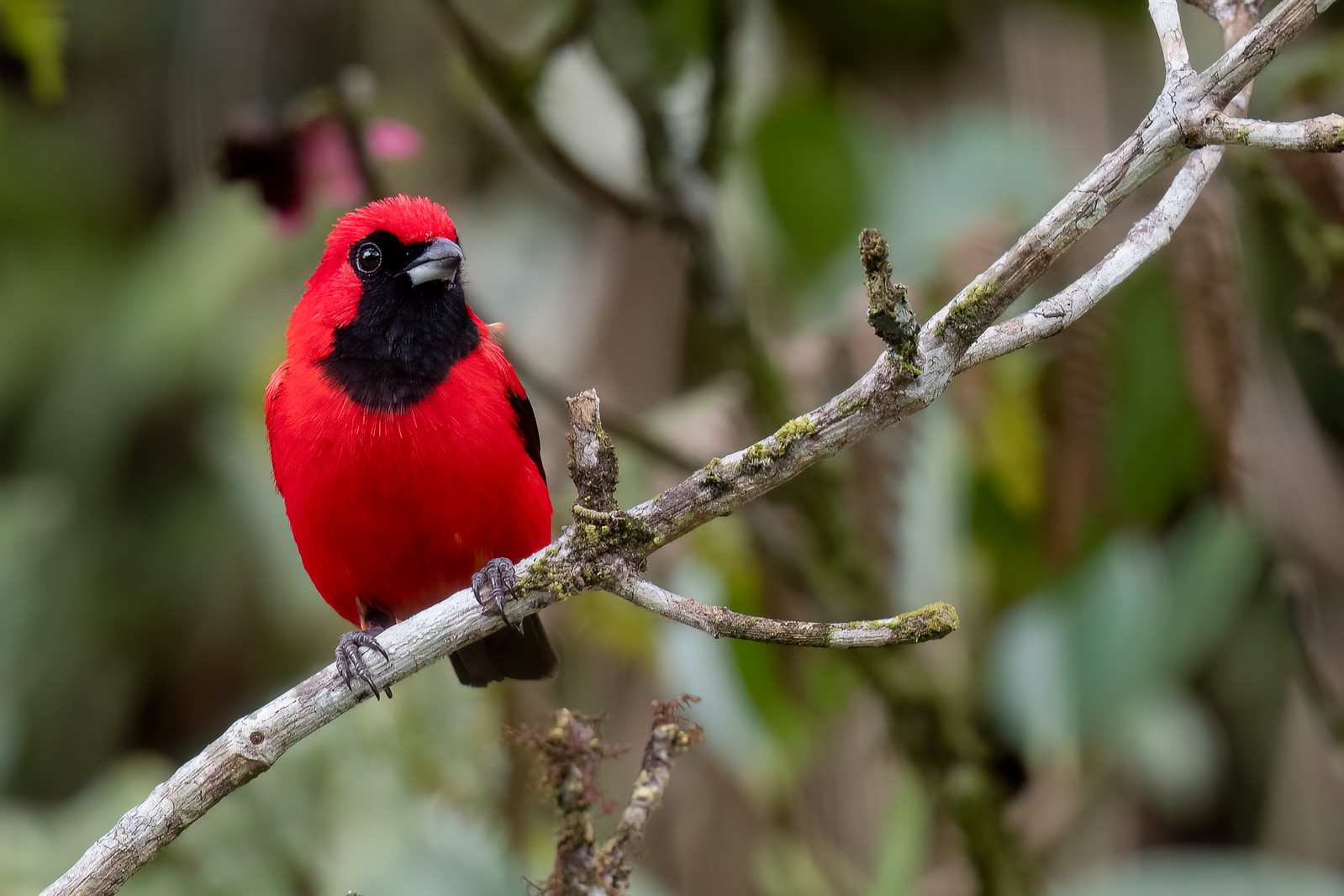
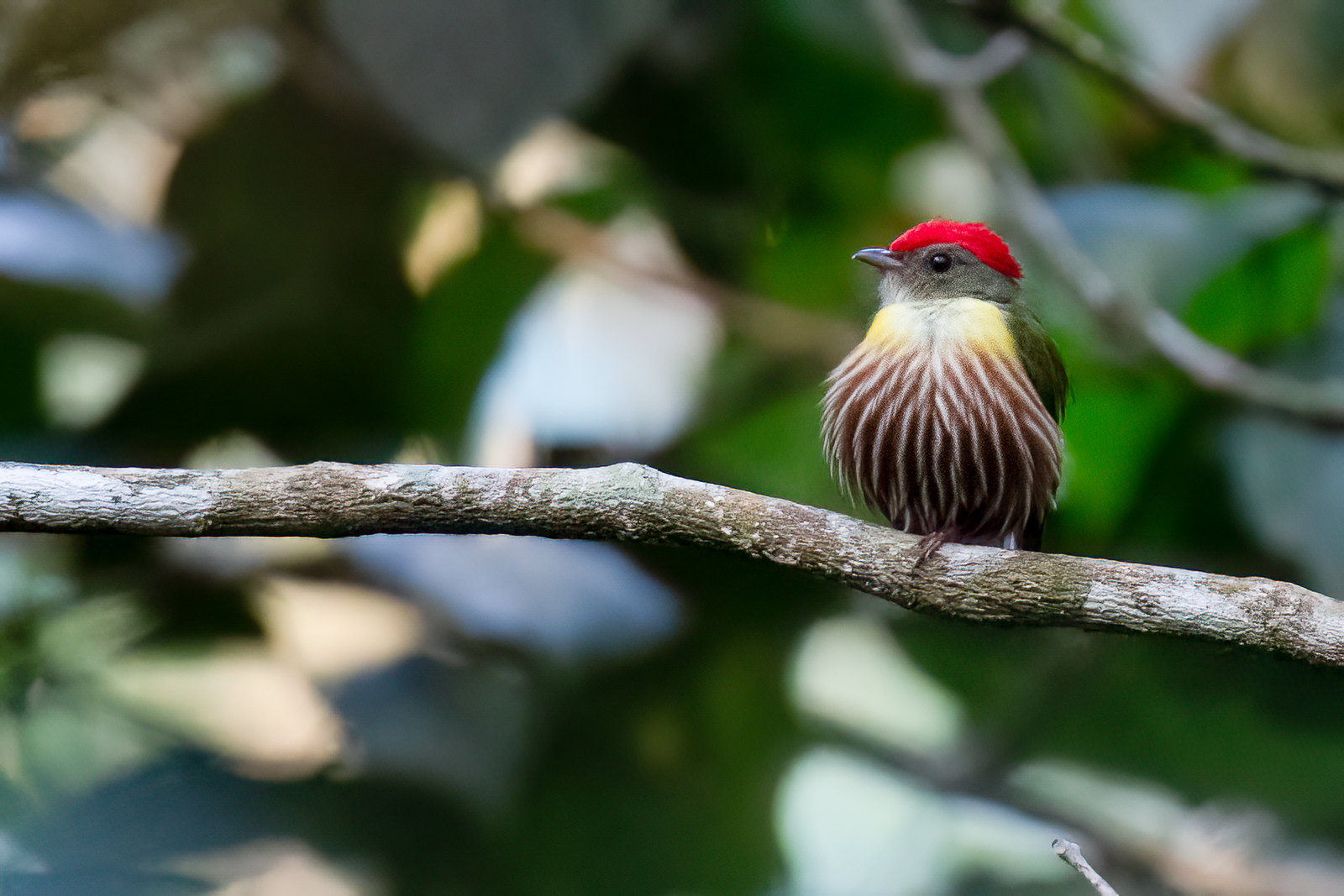
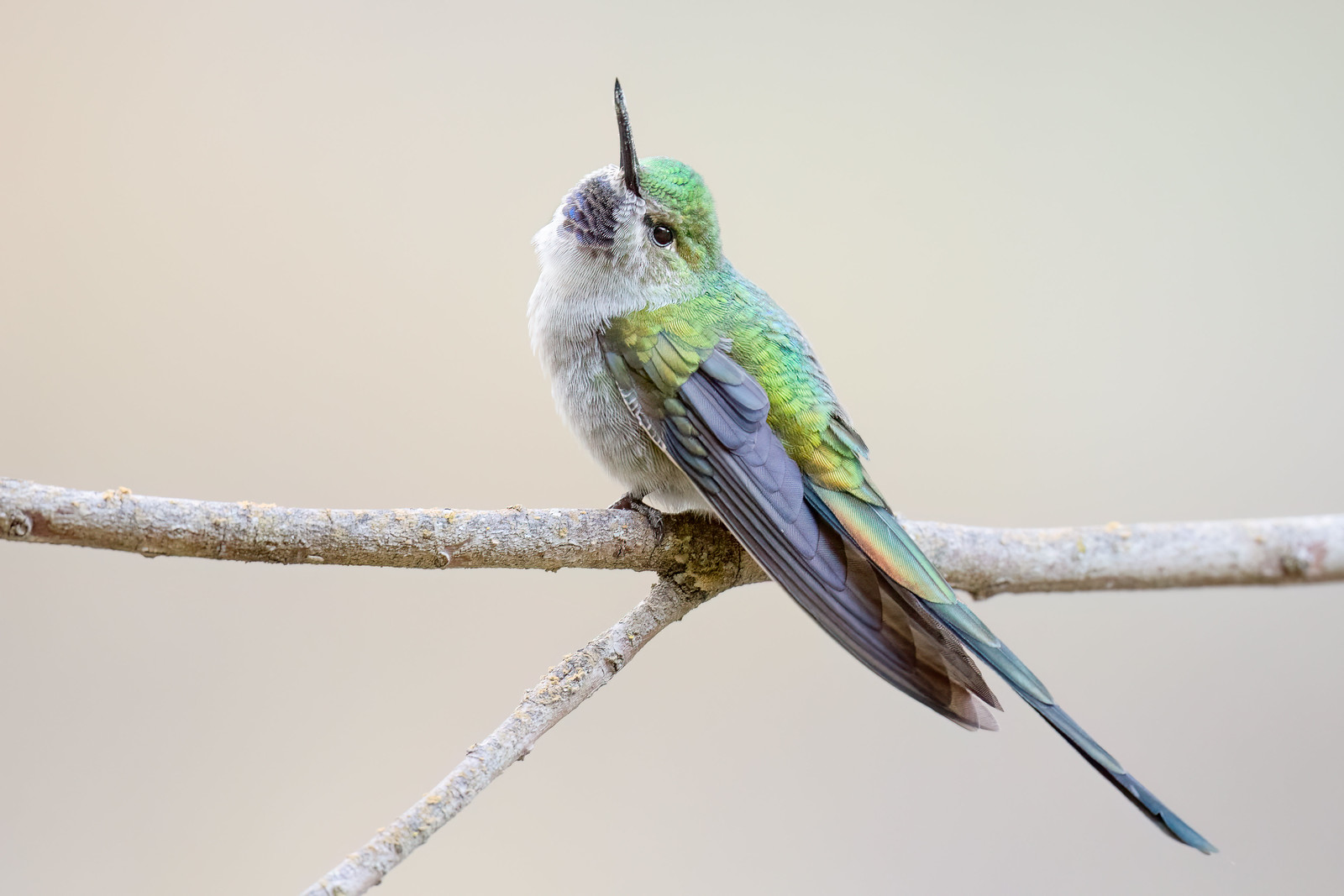
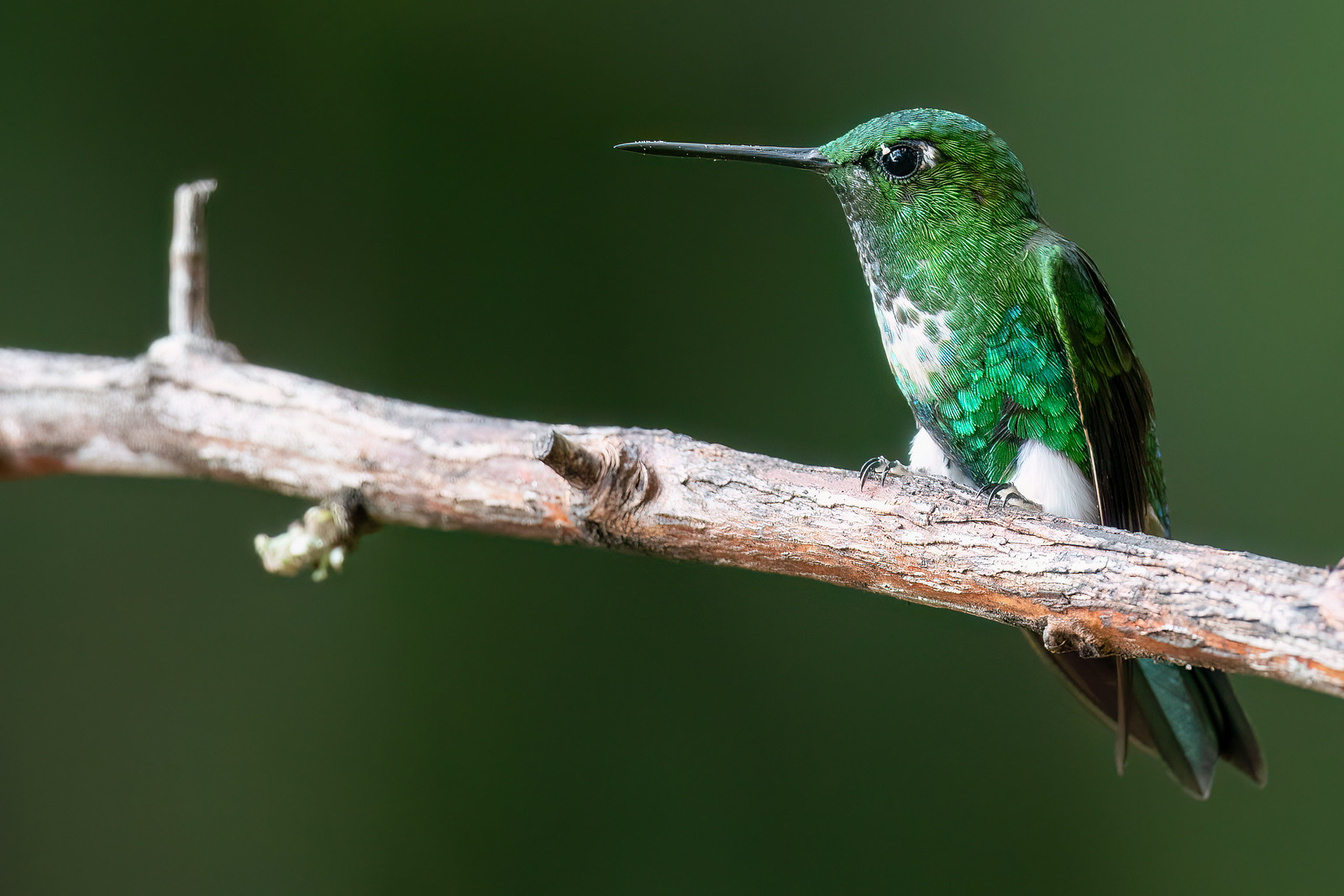
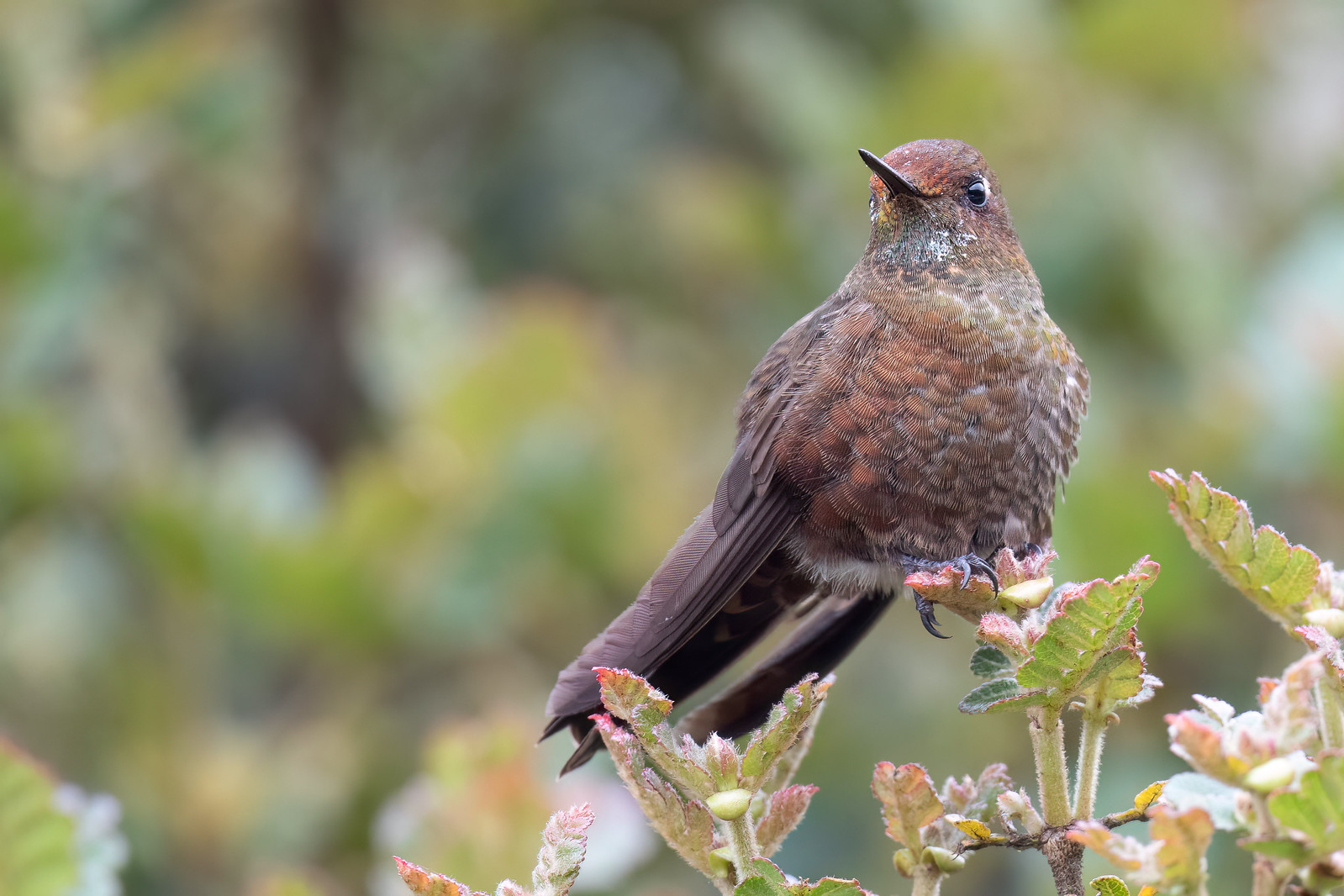
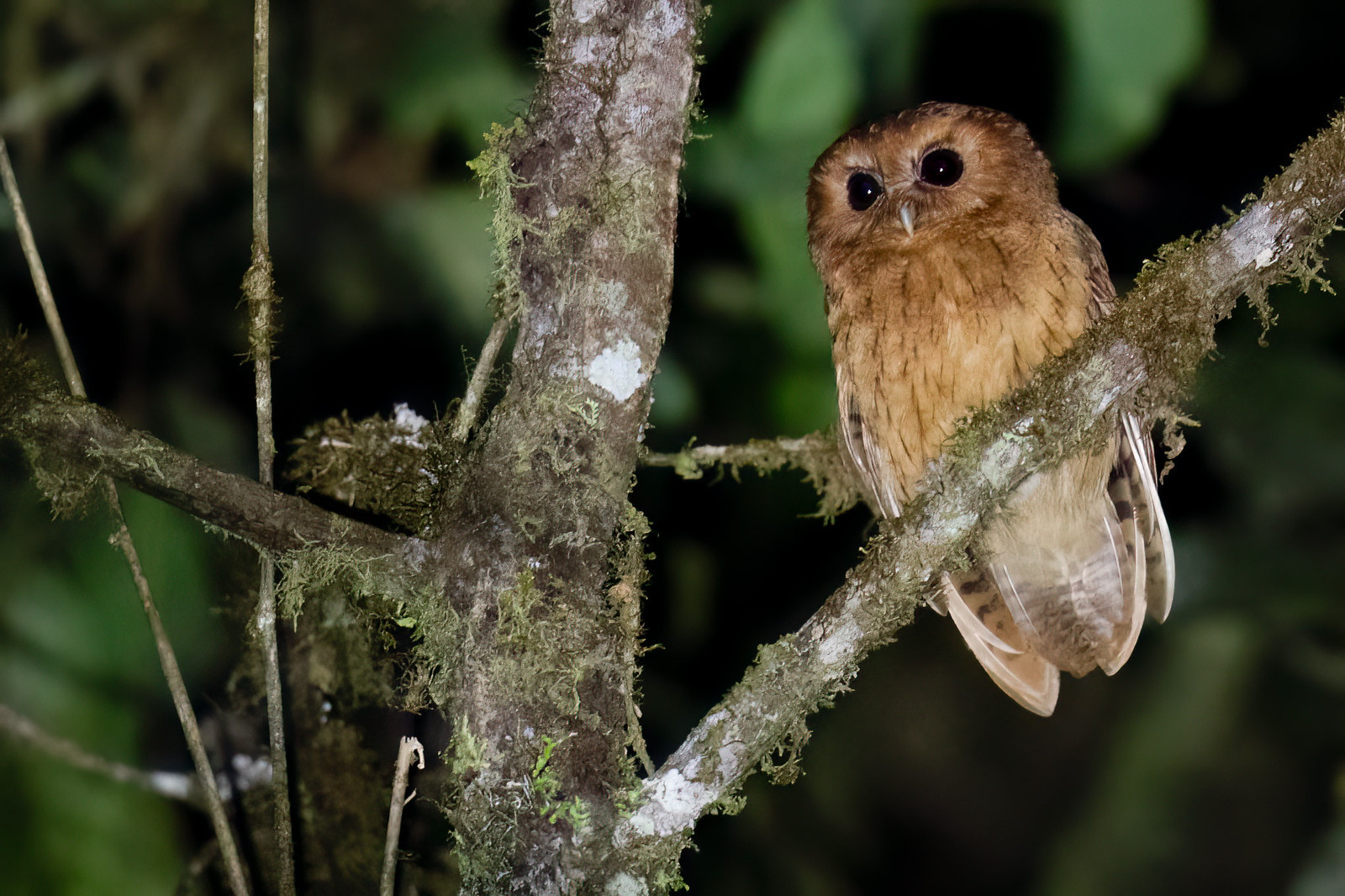
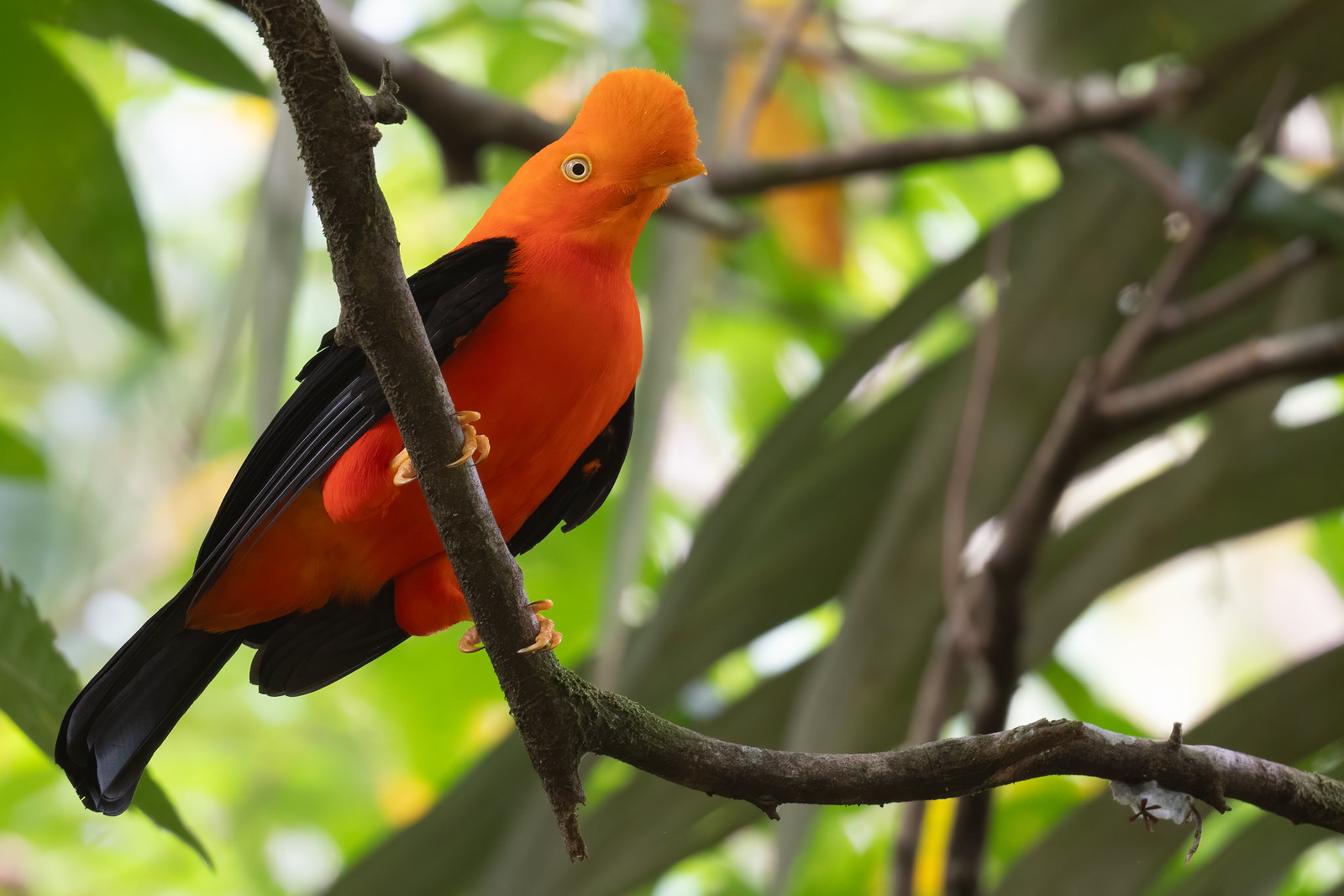
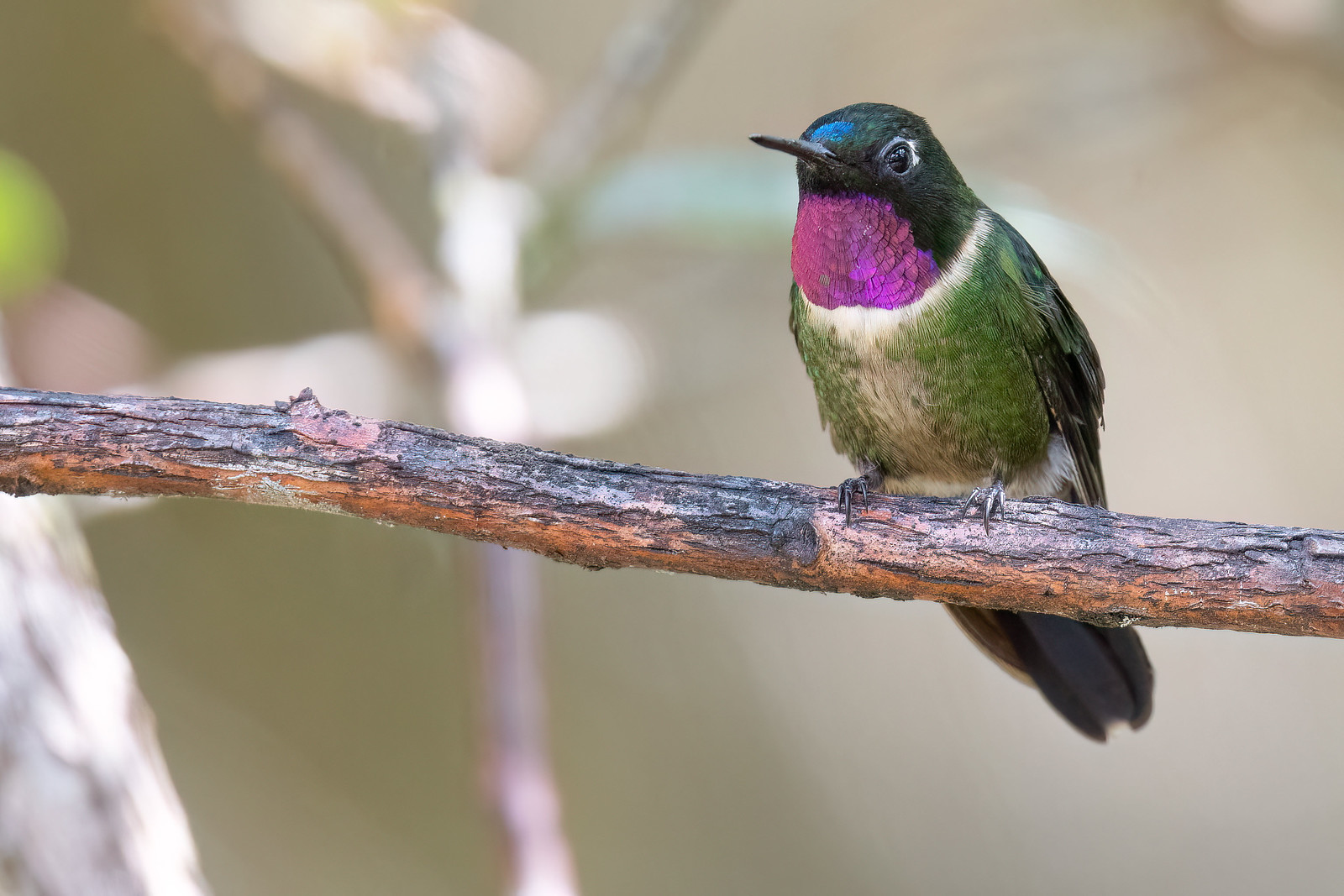
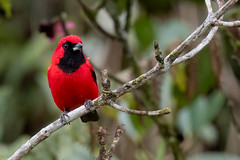
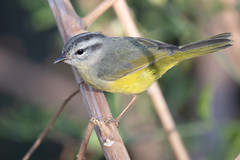
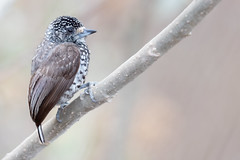
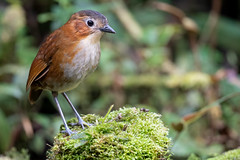
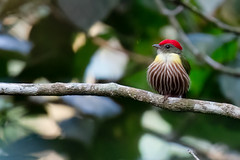
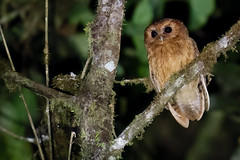
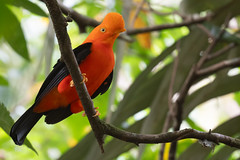
Peru is among the most diverse places on earth, second only to Colombia in total bird species, though even this is largely a result of Colombia being much more heavily birded. Northern Peru is perhaps the best birding the country has to offer, with almost nowhere else offering such stark and rapid changes in habitat, making for plenty of unique species. We will try to sample from each habitat, with opportunities to see such incredible specialties as Marvelous Spatuletail, Long-whiskered Owlet, Painted Manakin, Gray-bellied Comet, and White-winged Guan, as well as more widespread iconic South American species, including Oilbird, Andean Cock-of-the-Rock, Sword-billed Hummingbird, Paradise Tanager, and more. There will be some long drives, such is the geography of Peru, but the scenery and birding will make this worthwhile.


Day 1: Arrival in Tarapoto and transfer to Pumarinri Amazon Lodge. The tour will begin with a 6 pm intro meeting.
Day 2: This morning we will take a boat tour of the Huallaga River. The Huallaga is the Rio Marañon’s largest tributary and is home to many Amazonian species, including the bizarre Hoatzin. After lunch at the lodge, we’ll spend the afternoon birding the unique dry forests surrounding the town. These hold a number of outpost populations of species otherwise found in Southern Brazil and Paraguay, as well as a few other limited range specialties. These include Sulphur-bellied Tyrant-Manakin, Planalto Hermit, Ashy-headed Greenlet, Rufous Casiornis, and more. We’ll also spend some time at Laguna Ricuricocha where more dry forest species can be found, alongside wetland species such as Comb Duck, Wattled Jacana, and Brazilian Teal. Night in Tarapoto.
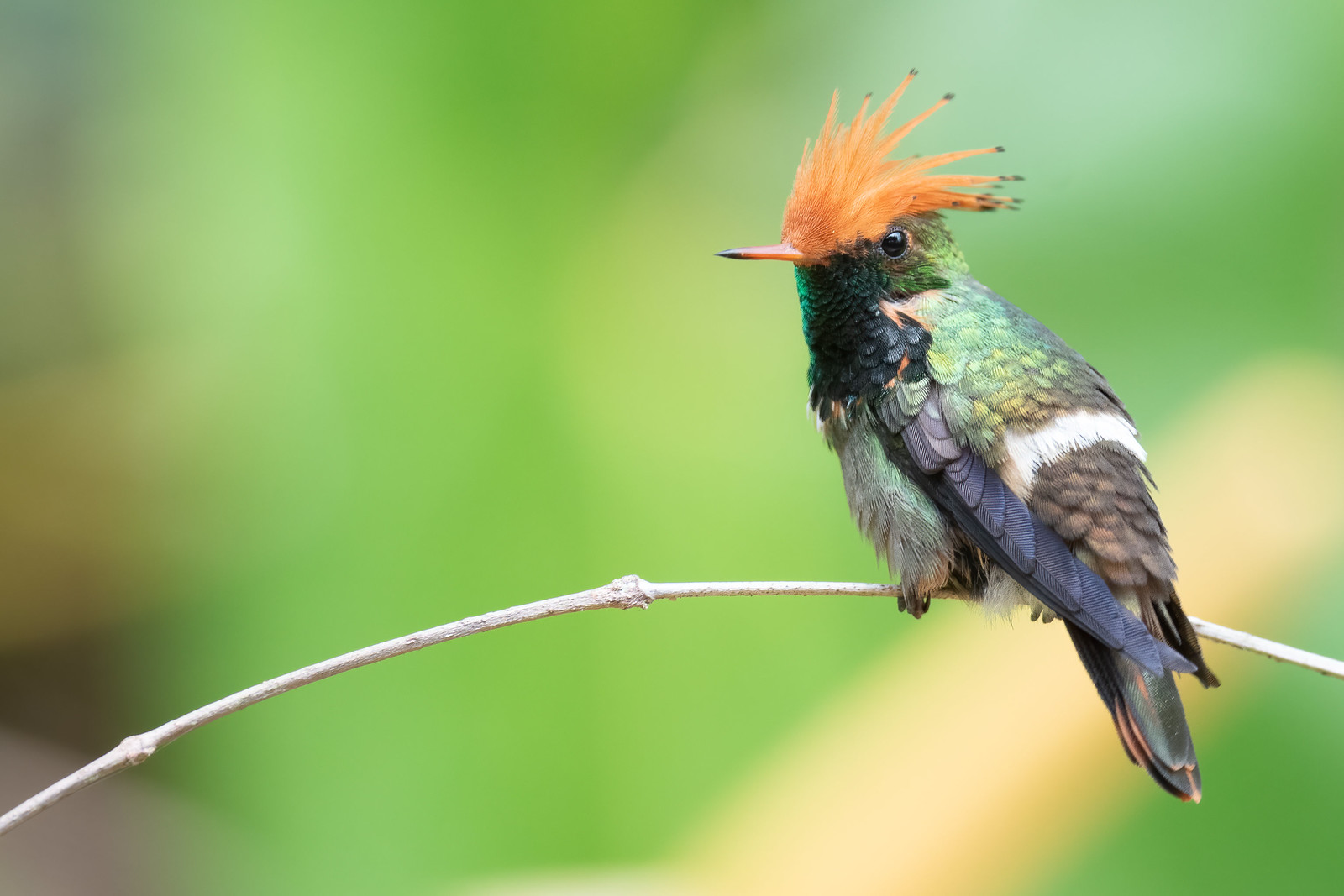
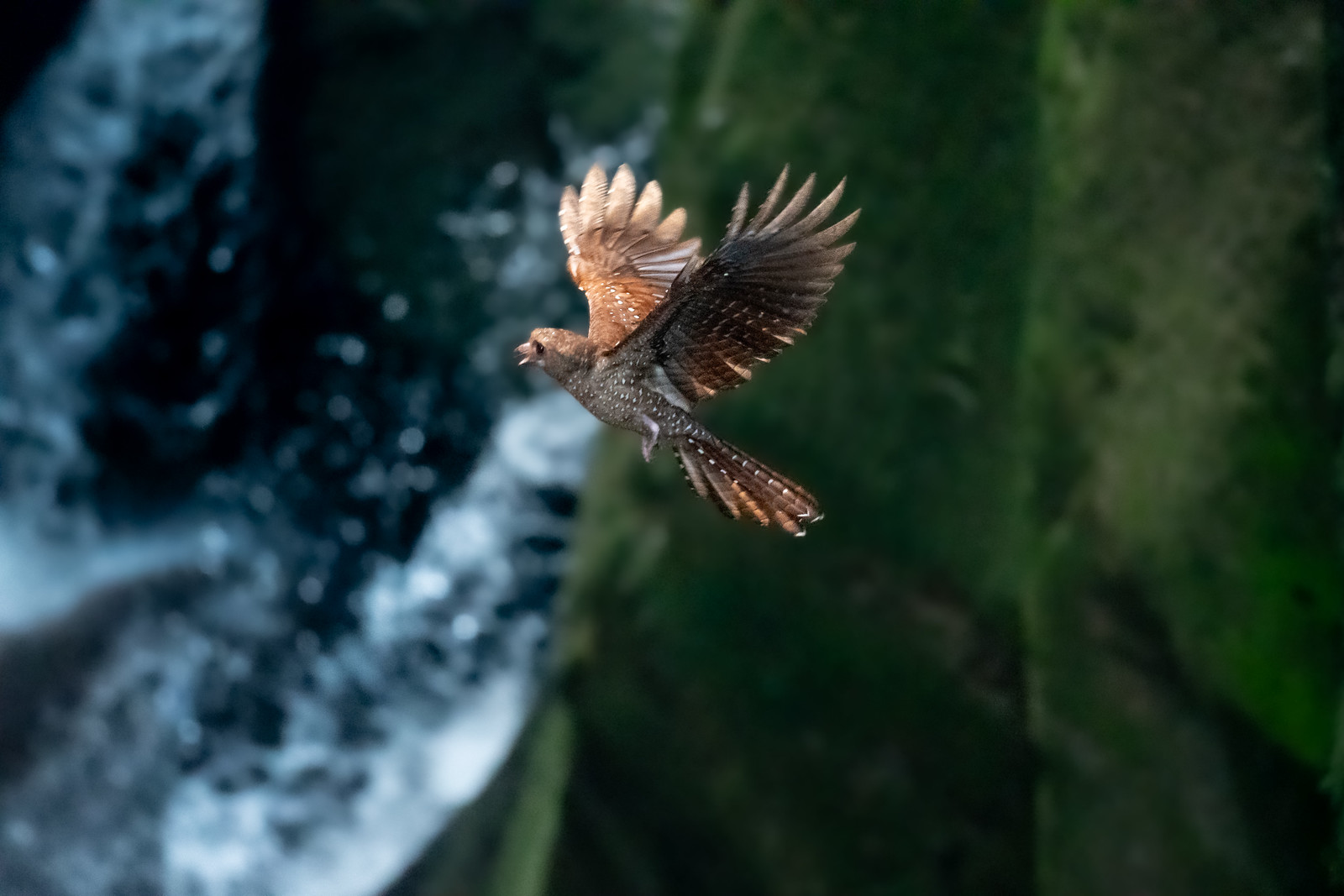
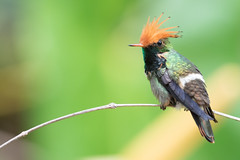
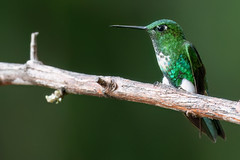
Day 3: Today we will depart Tarapoto for Moyobamba, but we have more targets to seek out first. We will begin by heading up into the nearby Cordillera Escalera. This ridge is home to wetter tropical forests and has an interesting mix of both foothill and Amazonian species. Roadside birding can produce mixed flocks with Yellow-lored Tanager, Paradise Tanager, and Fiery-capped Manakin. Scarce species sometimes seen here also include Curl-crested Aracari, Plumbeous Euphonia, and Dotted Tanager. A reserve on the opposite side of the ridge, ACONABIKH, has hummingbird feeders and trails. The rare Pink-throated Brilliant is a possibility here, while Koepke’s Hermit and Gould’s Jewelfront are regular sights. Golden-headed Manakin, Golden-collared Toucanet, and even White-plumed Antbird inhabit the trail system. After lunch at a restaurant on the ridge, we’ll head West towards Moyobamba. Along the way, we’ll make a stop at a slot canyon which is home to a large colony of Oilbird. This bizarre nocturnal frugivore is the only member of its family and is rarely seen away from known roost sites. Upon arriving at Waqanki Lodge, we should have time for some birding before dinner. The hummingbird feeders can be excellent here, with the highlight being the delightful Rufous-crested Coquette. Night at Waqanki Lodge.
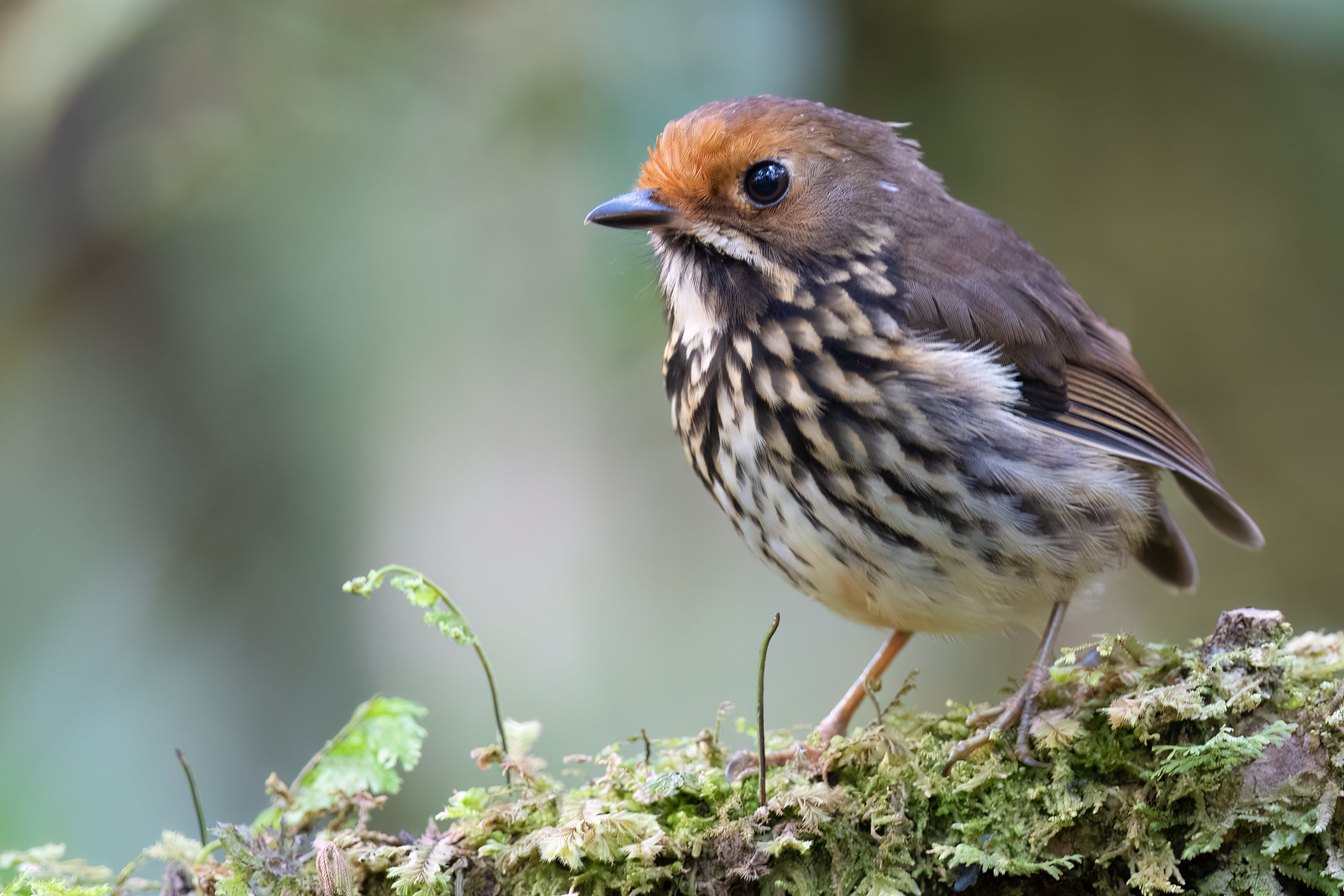
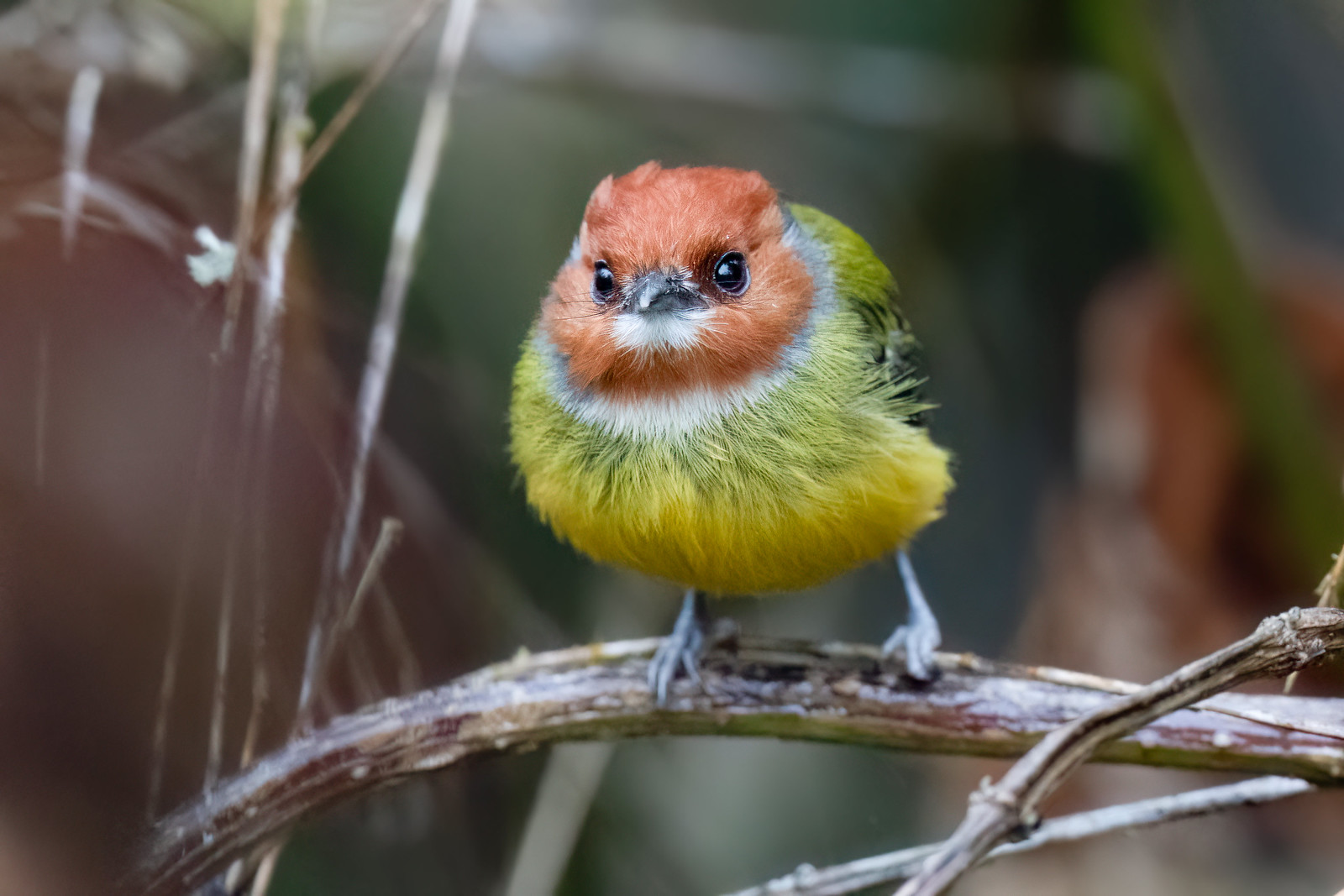
Day 4: This morning before breakfast, we will have an optional short, but somewhat challenging, hike behind the lodge to a lek for the recently discovered Painted Manakin. This attractive species has a tiny range in this region of Peru, and was described as recently as 2017. Other interesting species are possible on the hike too, including Fiery-throated Fruiteater, Black-and-white Tody-Flycatcher, Buff-tailed Sicklebill, and White-bellied Pygmy-Tyrant. After breakfast, we will spend our time birding at sites around Moyobamba. Nearby grasslands are home to isolated populations of Ocellated Crake, Wedge-tailed Grass Finch, and Rusty-backed Antwren, while wetlands may hold Comb Duck, Brazilian Teal, and Masked Duck. Further West en route to our next destination at the foothills of Alto Mayo, a collection of rice fields can be particularly active, with potential for Pale-eyed Blackbird, Black-billed Seed-Finch, Orange-backed Troupial, Spotted Rail, and even the enigmatic Paint-billed Crake. Night at Reserva Arena Blanca.
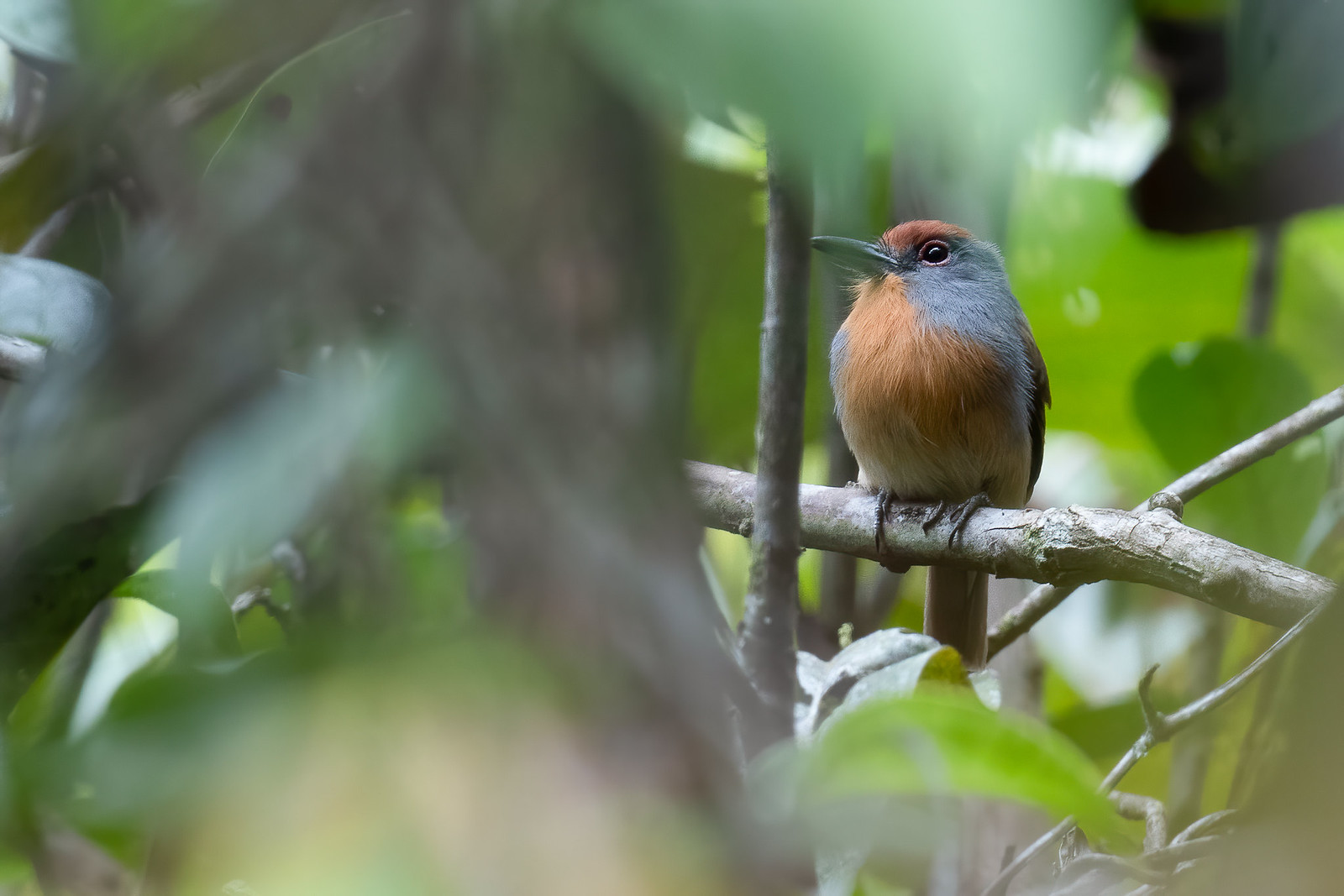
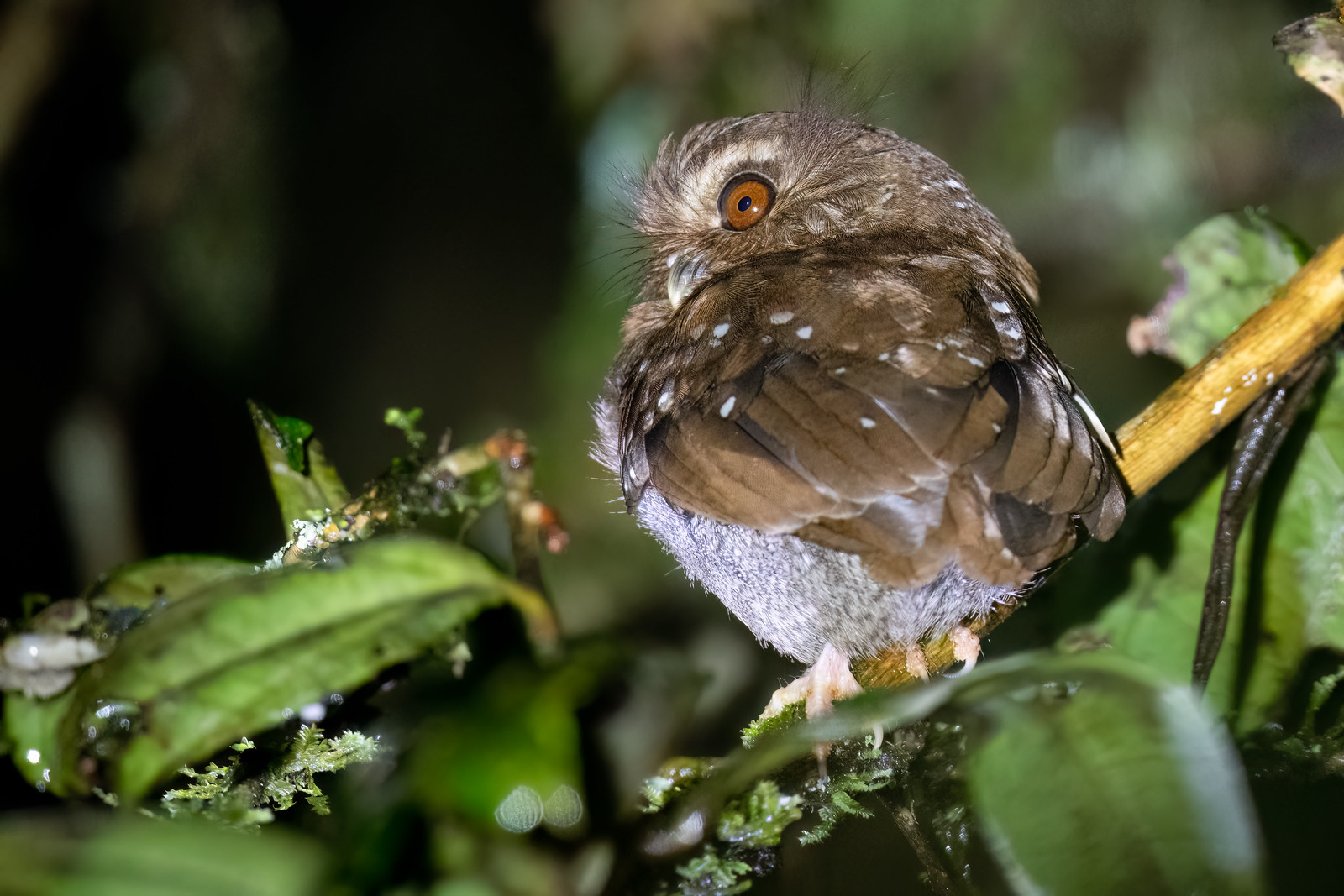
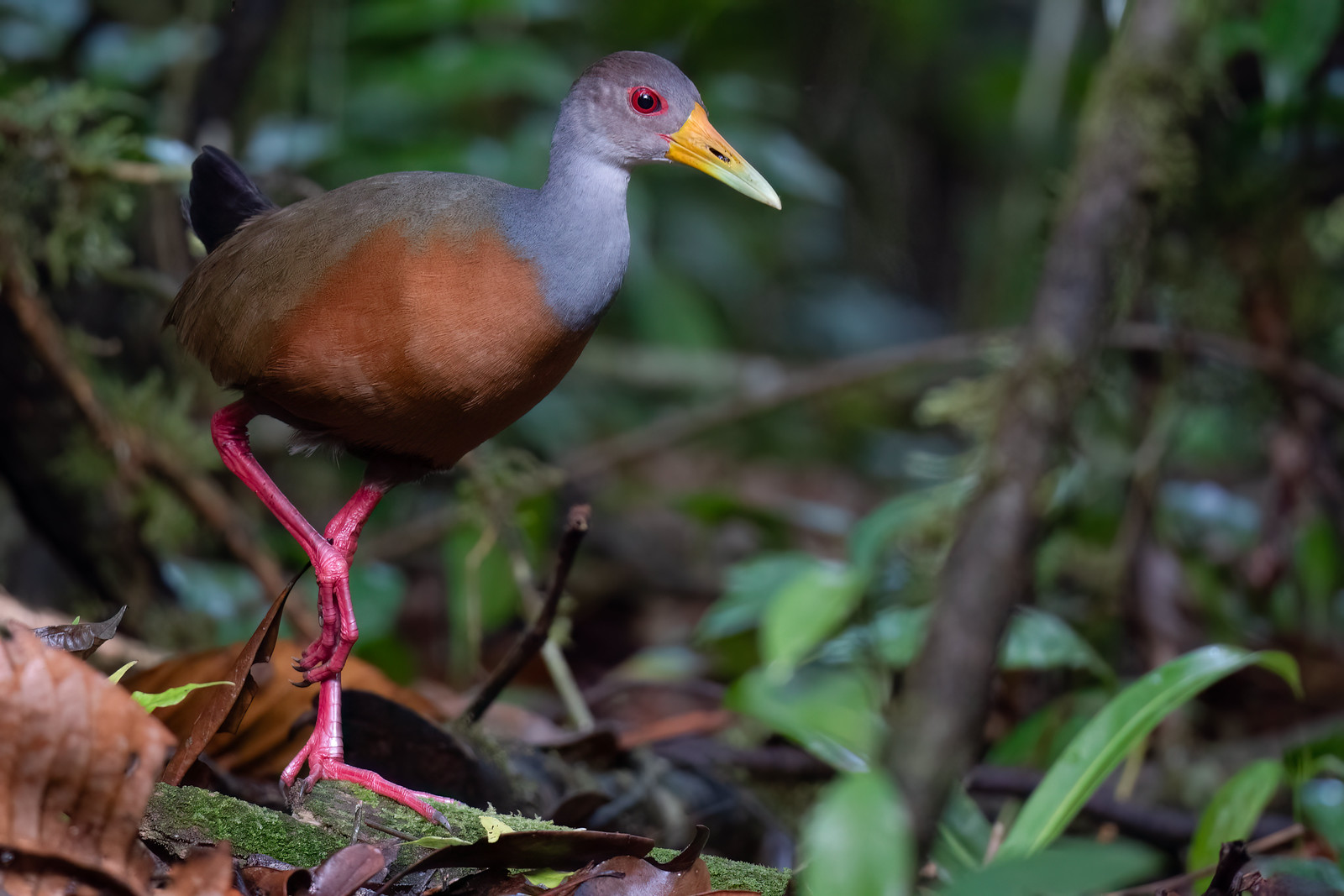
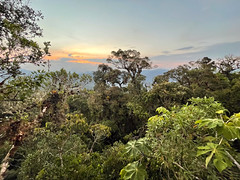
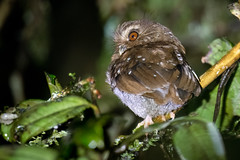
Day 5: Reserva Arena Blanca has an extensive collection of well-managed feeders, with possible visitors including Uniform Crake, Rufous-breasted Wood-Quail, Cinereous Tinamou, Black-bellied Tanager, and many more. We will spend the morning enjoying each setup, as well as the birds of the surrounding forest. Mixed flocks can be productive, and both Zimmer’s Antbird and Rufous-capped Nunlet are often present on the grounds. From here, we will head West, higher into the surrounding hills towards our destination of Owlet Lodge in Alto Mayo. Here, downtime at the hummingbird feeders should produce plenty of new species, including Emerald-bellied Puffleg, Amethyst-throated Sunangel, and Peruvian Racket-tail. Sword-billed Hummingbird is also a fairly regular visitor. Depending on the weather, we may make our attempt for Long-whiskered Owlet tonight. Night at Owlet Lodge.
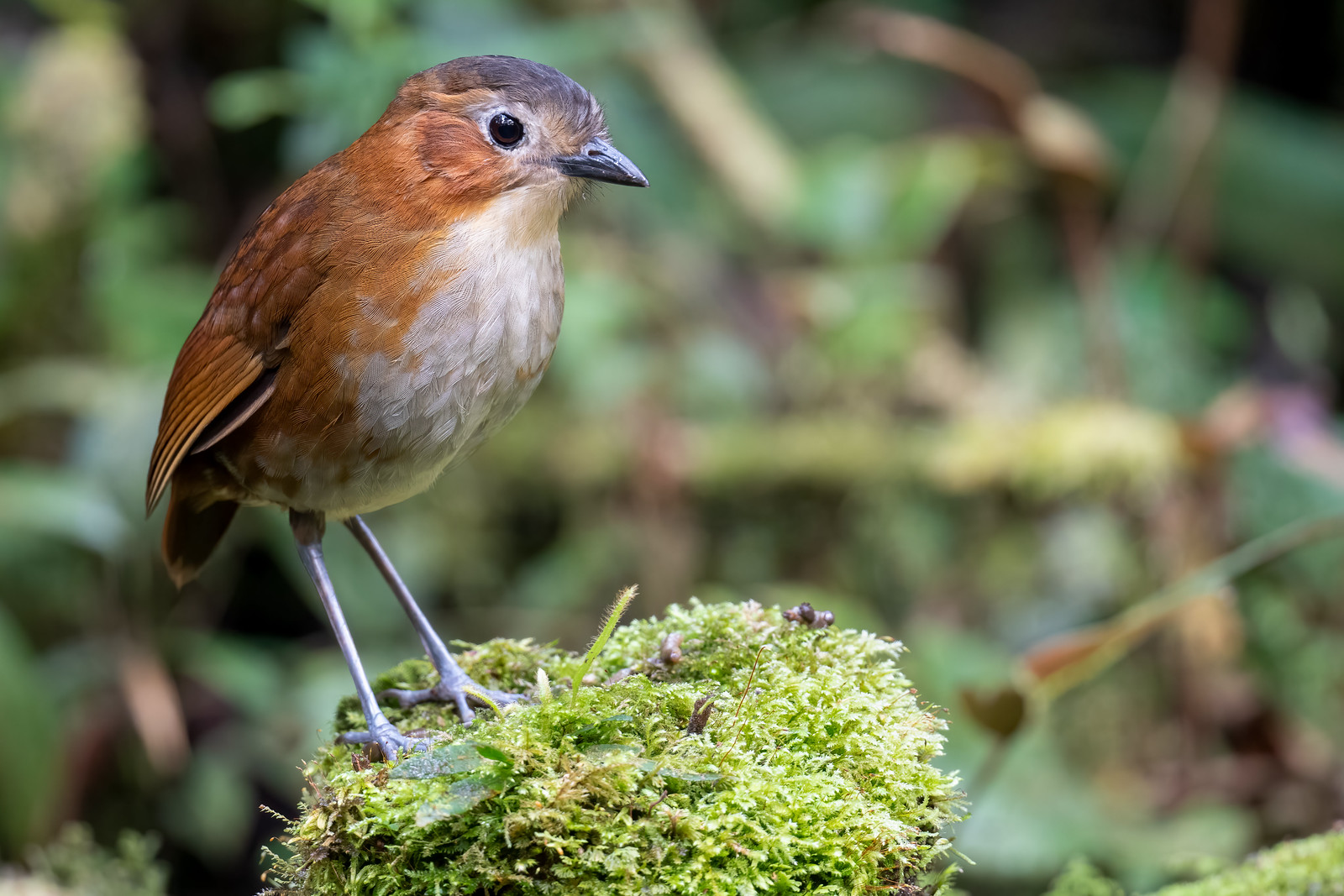
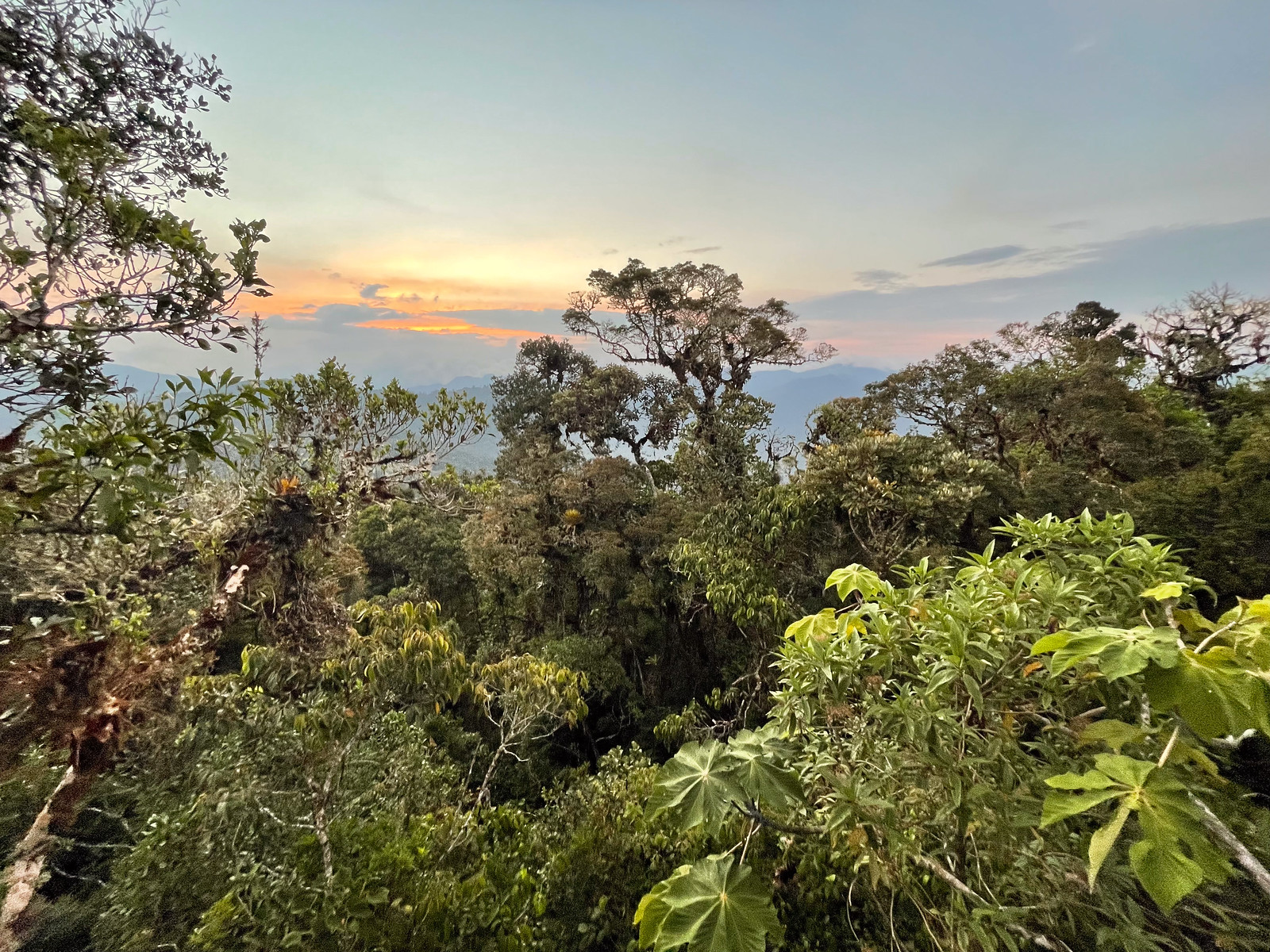
Day 6: This morning will initially be focused on Antpittas. The nearby Fundo Alto Nieva often has both Ochre-fronted and Rusty-tinged Antpittas visiting a feeder. Both are highly localised endemics. The trails here are also home to some exciting new species, including specialties such as Cinnamon-breasted Tody-Tyrant and Bar-winged Wood-Wren, as well as more widespread species such as Crested and Golden-headed Quetzals. In cloud forest along the roadside, we may luck into large mixed flocks. Vermillion and Yellow-throated Tanagers are often amongst the more common Saffron-crowned, Golden, Orange-eared, Flame-faced, and Blue-browed Tanagers. Versicolored Barbet, Inca Flycatcher, Olivaceous Piha, and more may also follow along. Lower down towards the Llanteria, Equatorial Graytail and Ecuadorian Piedtail are also possible. Back up at the lodge, we may spend more time at the hummingbird feeders, as well as a canopy platform which can sometimes provide eye-level views of higher elevation species such as White-capped and Grass-green Tanager. Night at Owlet Lodge.
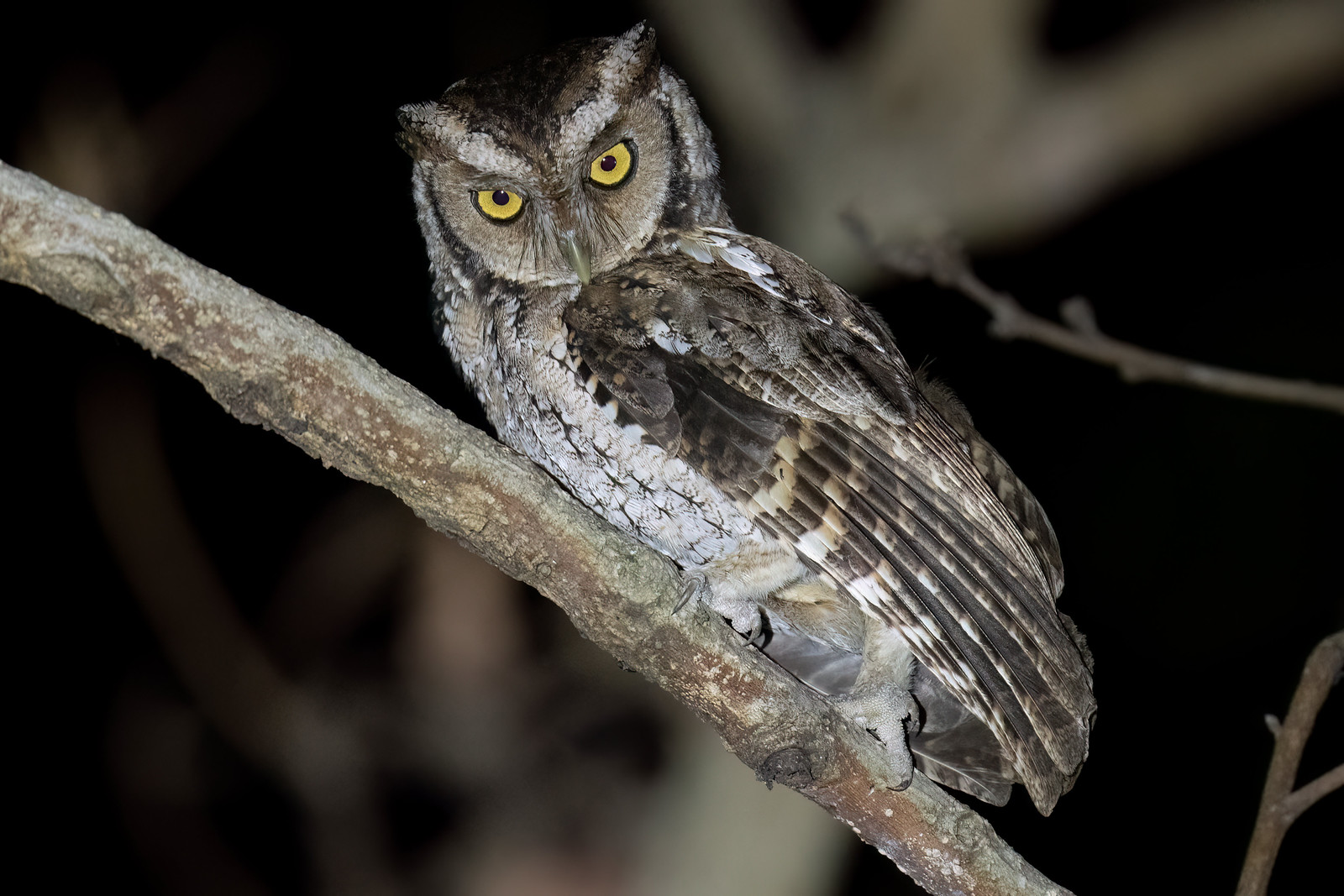
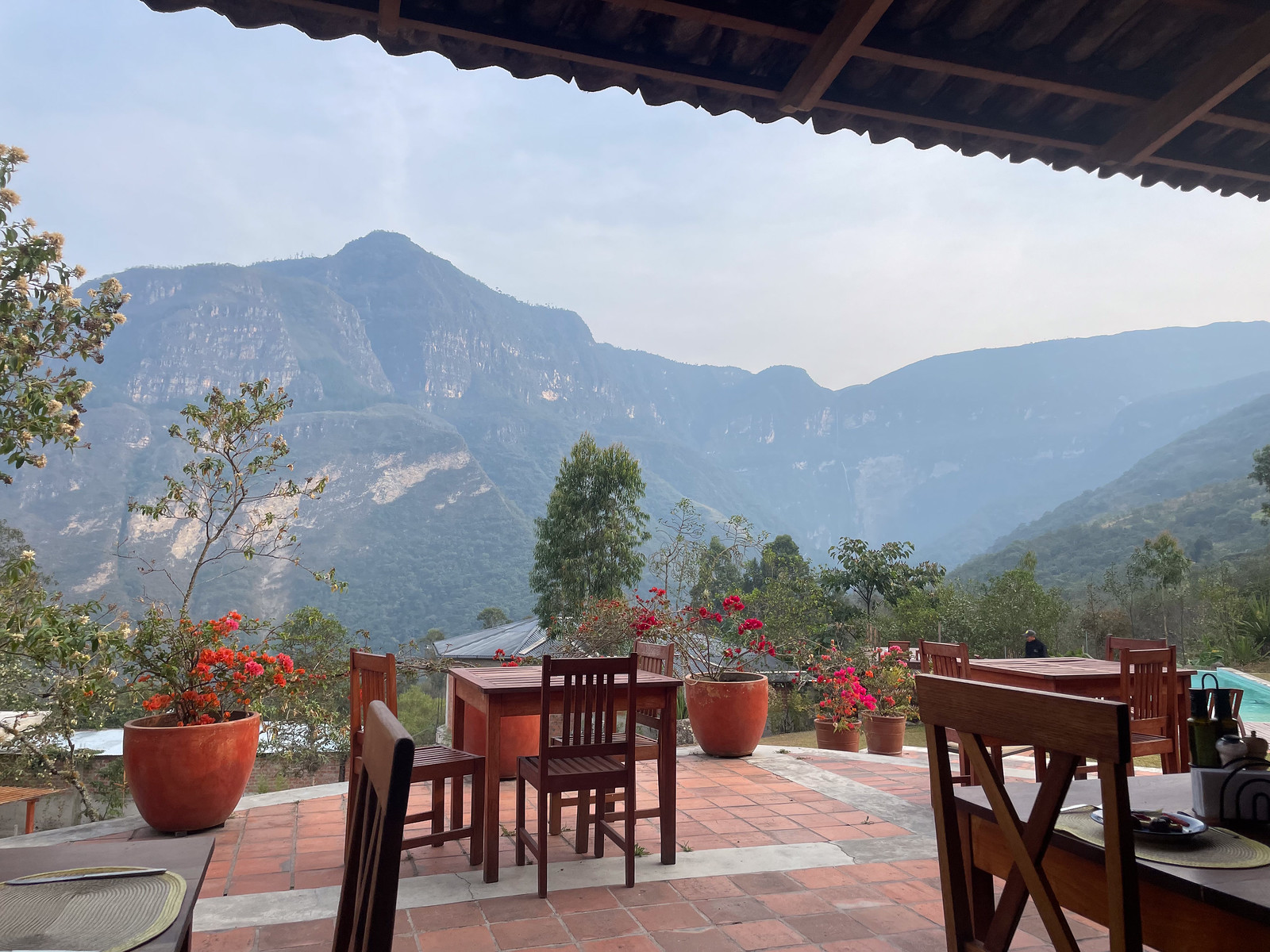
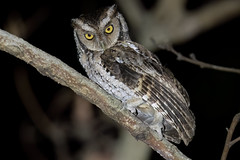
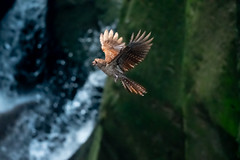
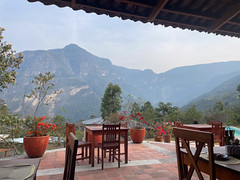
Day 7: Before breakfast, we’ll begin today with another endemic antpitta, this time a Chestnut Antpitta at the lodge feeder. After this, we’ll spend the rest of the morning seeking out any missing Alto Mayo targets- perhaps flock species or stunted forest specialists such as Royal Sunangel. After lunch at Owlet Lodge, we’ll pack up and drive West into the Utcabamba Valley. We’ll stop in Pomacochas, where the marshy edges of Laguna Pomacochas may hold Plumbeous Rail, Pantanal Snipe, and Grass Wren alongside the pleasantly numerous Vermillion Flycatcher. From here, we’ll finish the journey to Cocachimba, where we’ll be staying in the gorgeous Gocta Andes Lodge. Overlooking Catarata Gocta, Peru’s tallest waterfall, this will be our base for the next 2 nights as we seek out a number of Marañon endemic species. The Marañon subspecies of Peruvian Screech-Owl is sometimes found on the lodge grounds. Night at Gocta Andes Lodge.
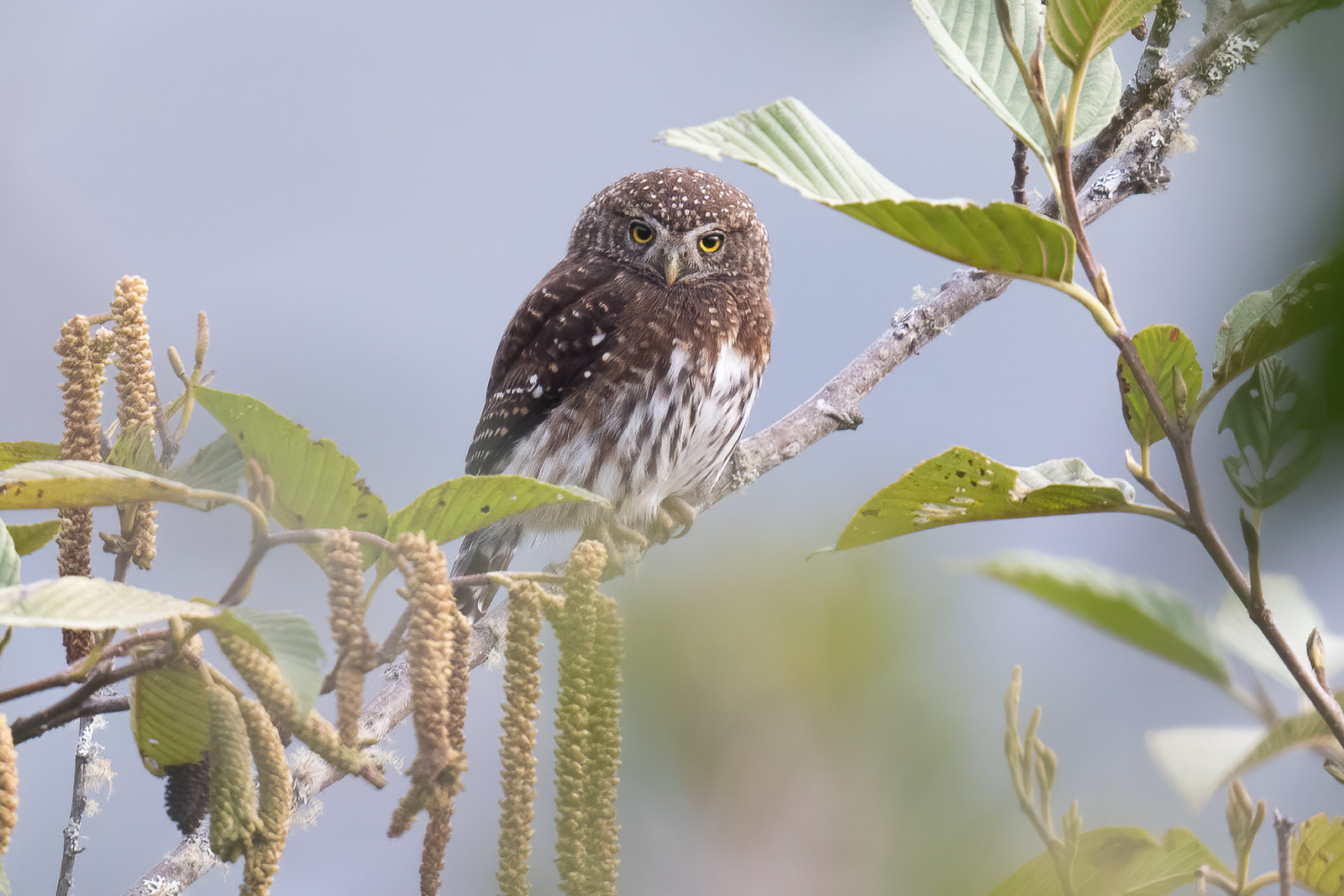
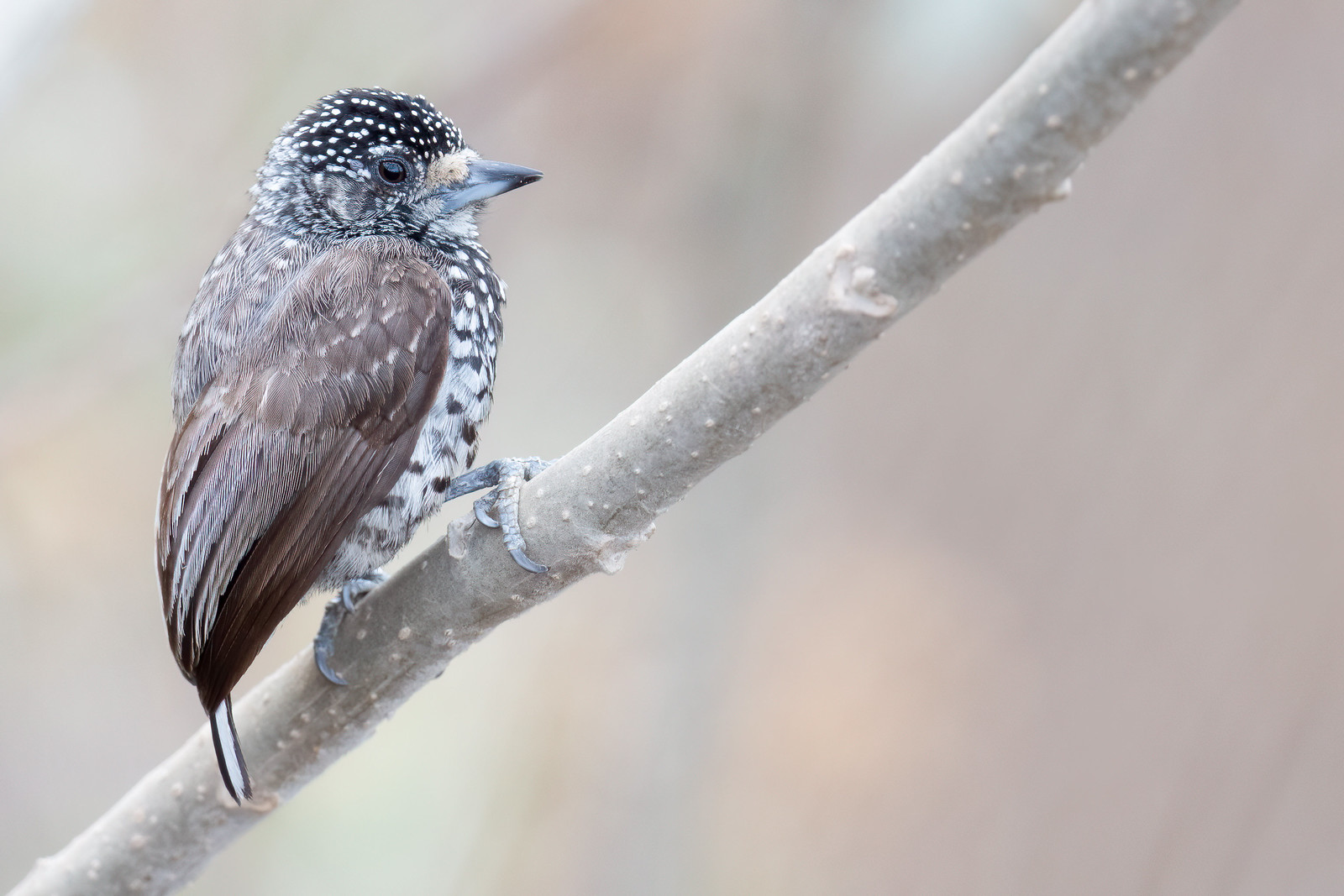
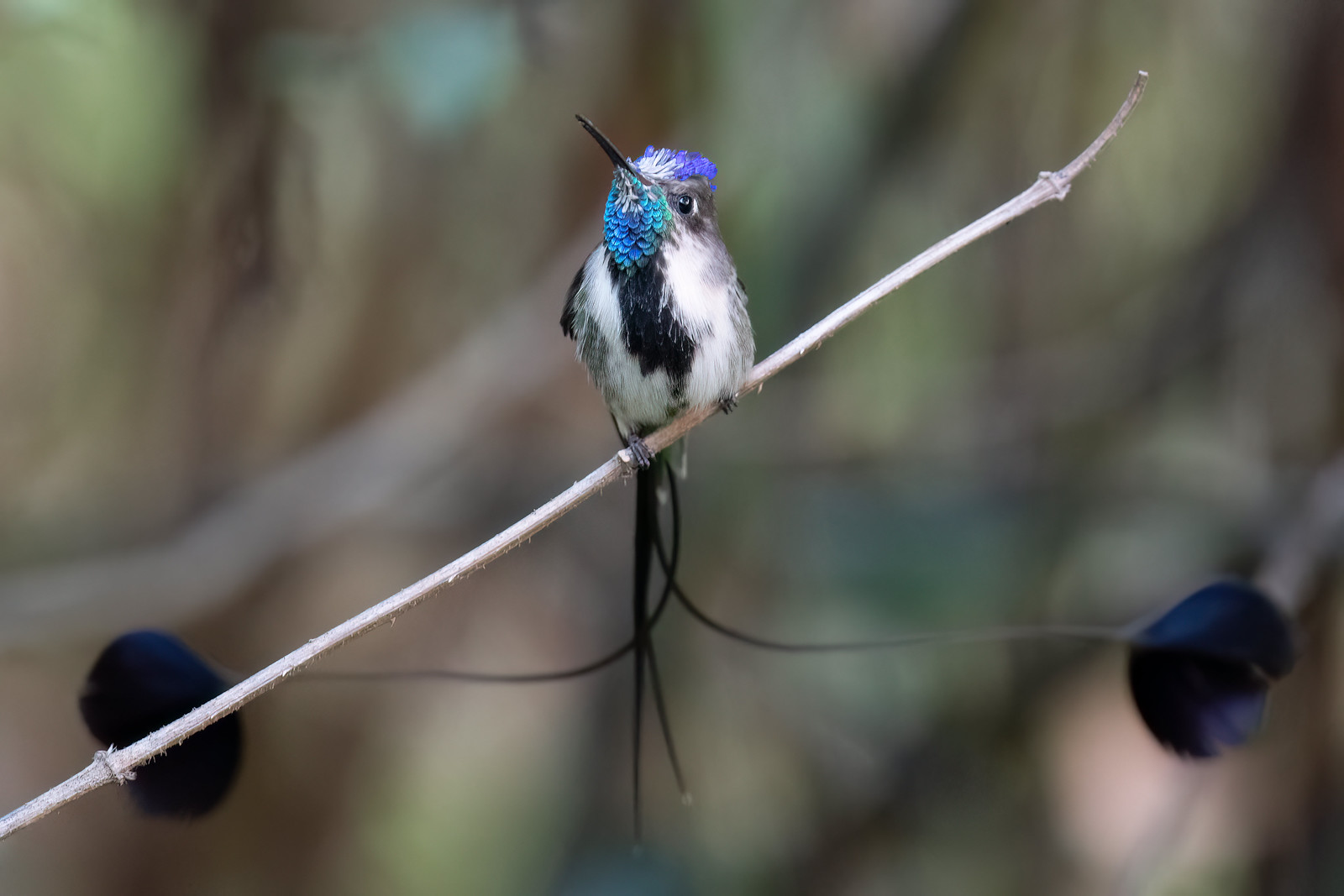
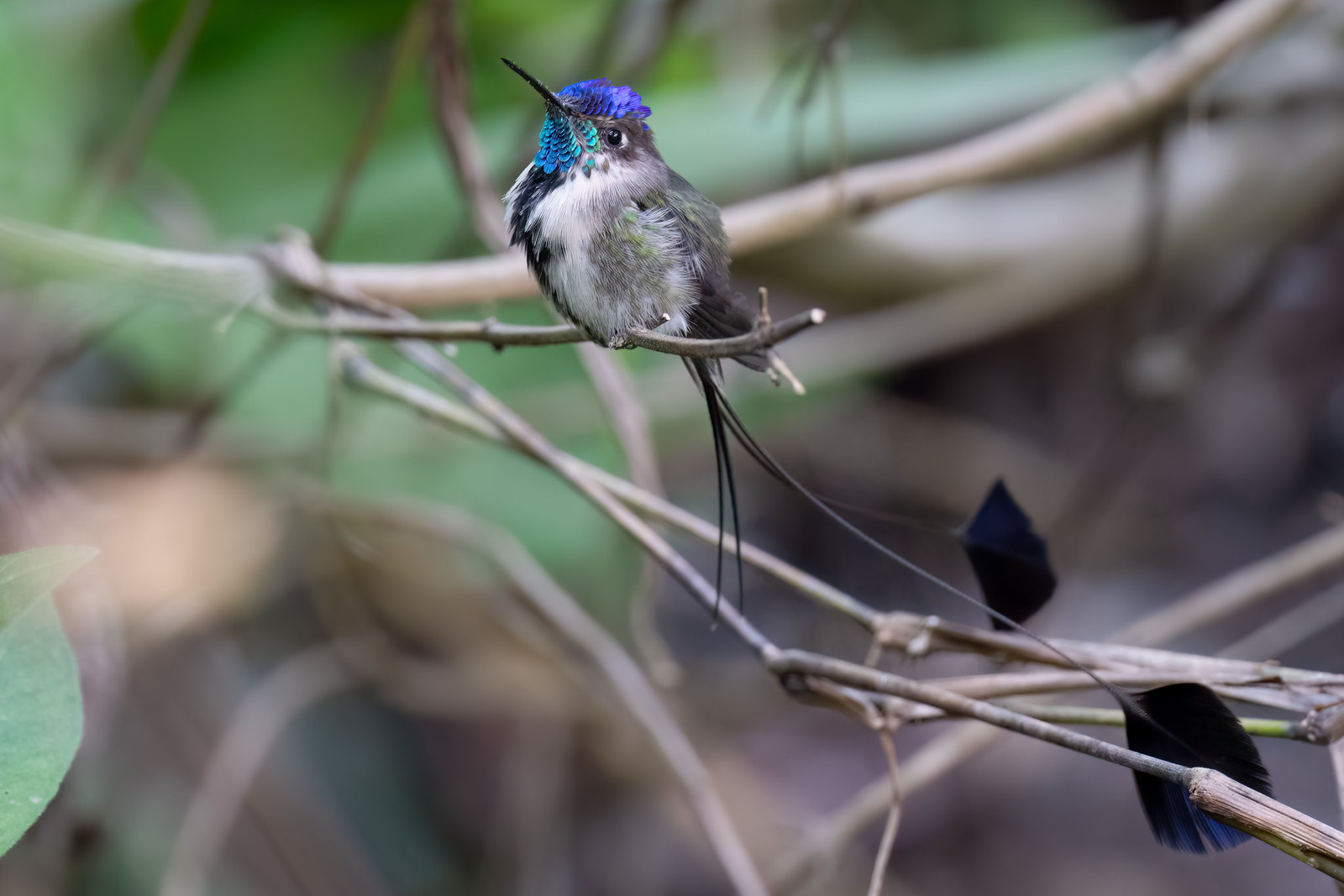
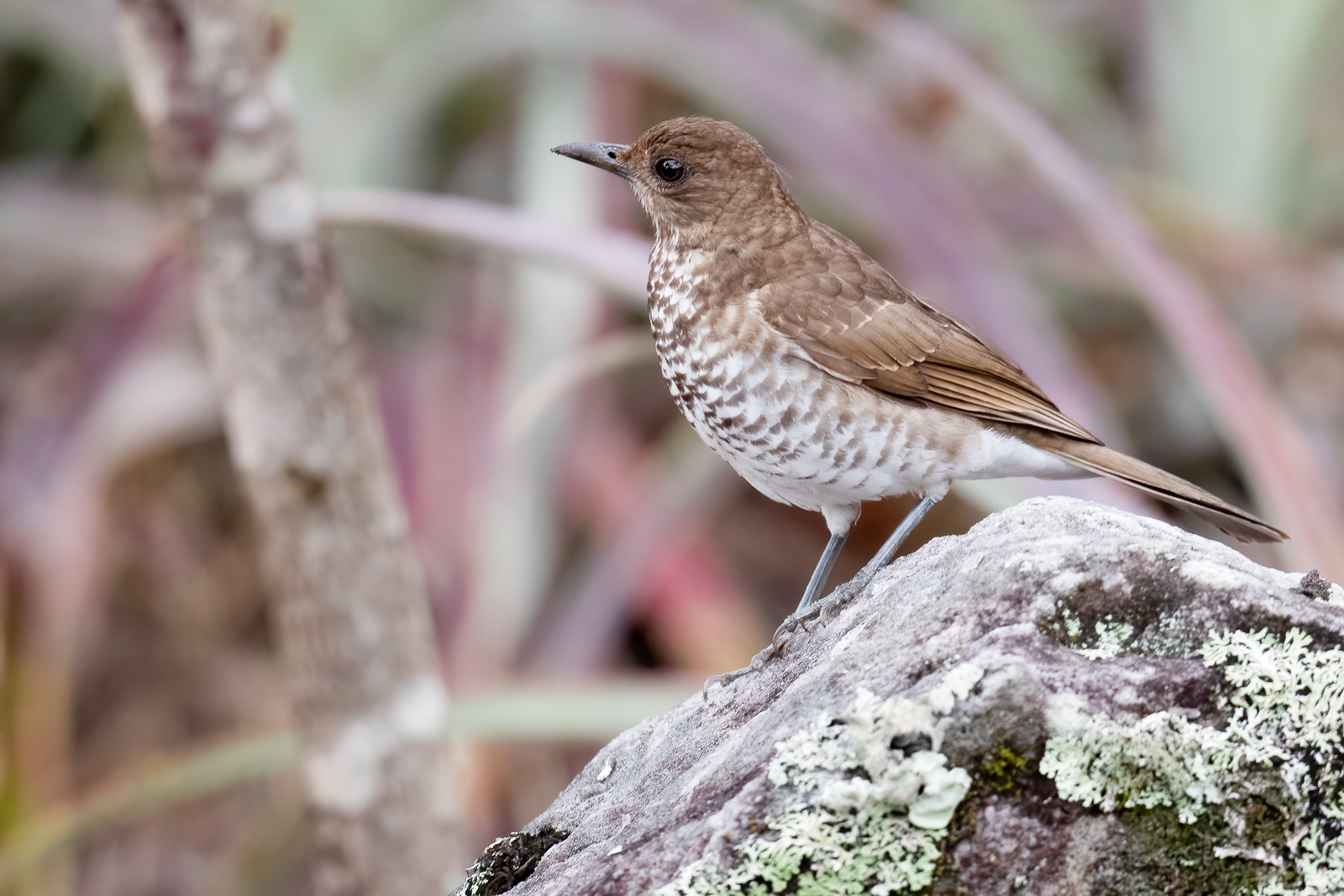
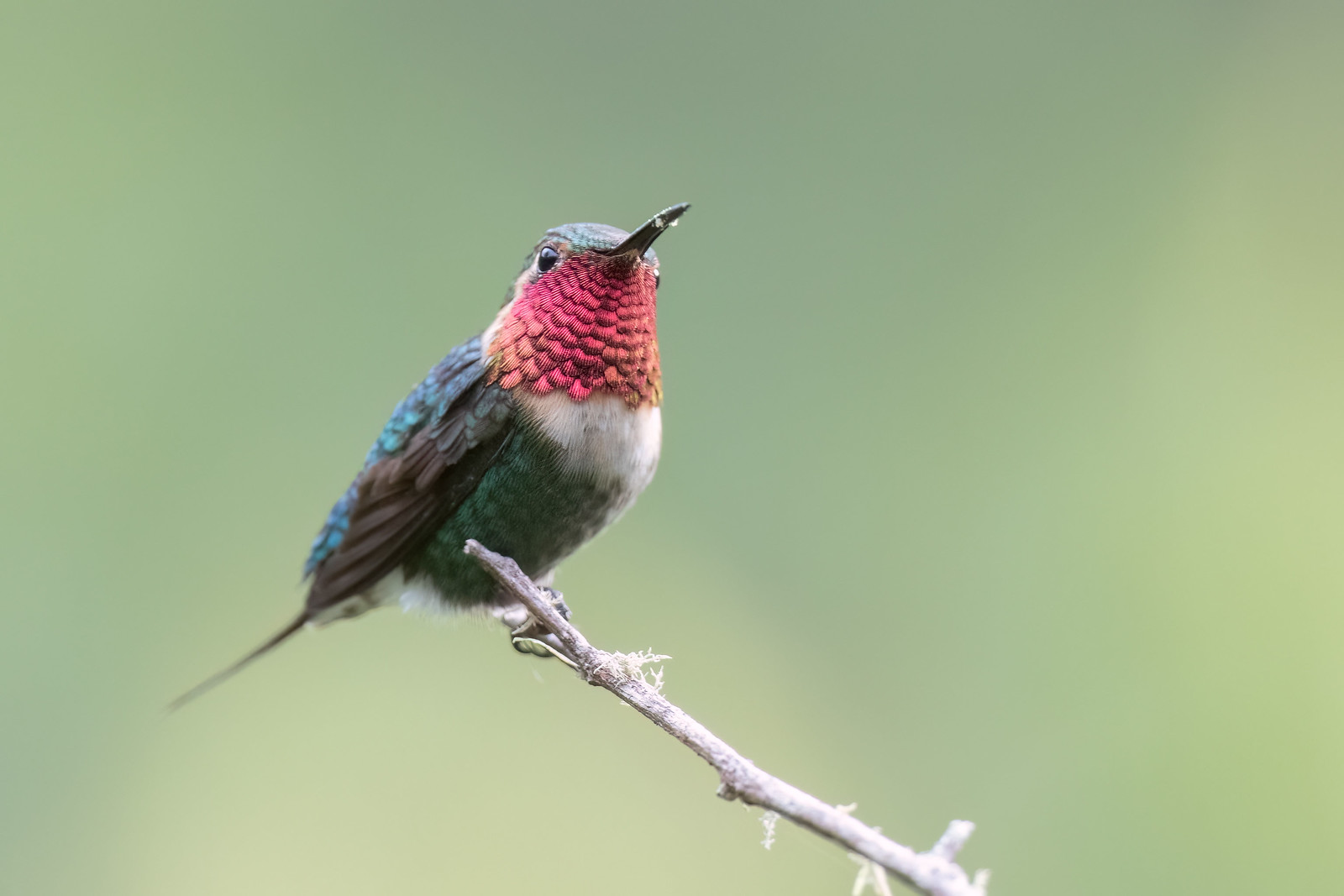
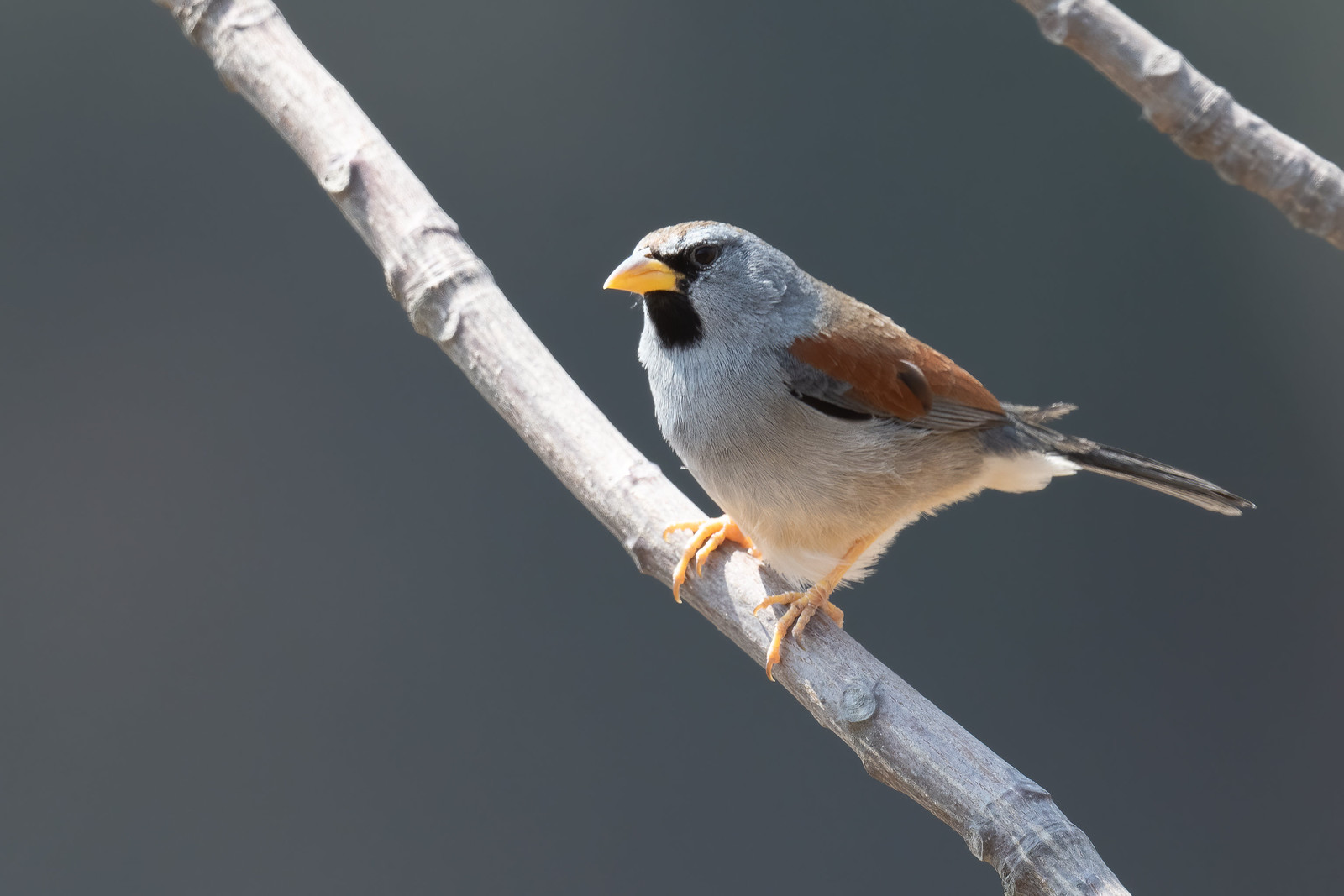
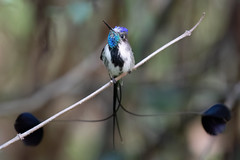
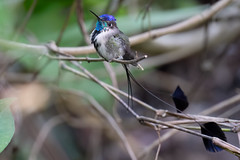
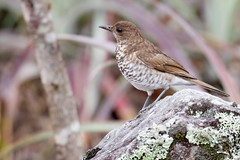
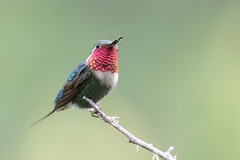
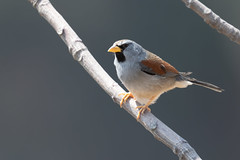
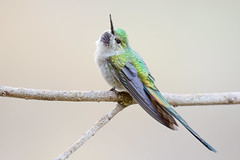
Day 8: Though by no means the only exciting bird here, the Utcabamba Valley is undoubtedly best known for one species: Marvelous Spatuletail. One of the world’s most unique and incredible species, it is found nowhere else on earth. We’ll spend some quality time this morning at a nearby reserve dedicated to the species. Alongside the spatuletails, we may enjoy close views of Silvery Tanager, Andean Slaty Thrush, Purple-collared Woodstar, Little Woodstar, and Gray-chinned Woodstar. Having enjoyed this special bird, we will bird the town’s entrance road until lunch. Marañon Crescentchest is skulky but findable, and we should be able to find Speckle-chested Piculet, Marañon Thrush, Marañon Gnatcatcher, Marañon Tyrannulet, and more. In the afternoon, we will visit the hillsides around Shipasbamba, home to the newly split Marañon Sparrow, the Marañon subspecies of Speckle-chested Wren, Peruvian Pigeon, and even a chance at the tricky Marañon Spinetail. Night at Gocta Andes Lodge.
Day 9: Today we’ll head South along the Utcabamba Valley, perhaps visiting some of the more humid ridges to the West around Colcamar in search of Utcabamba Tapaculo, Peruvian Wren, and perhaps even Pale-billed Antpitta. The lower stretches of the valley are drier, home to Cordilleran Parakeet and Black-necked Woodpecker. We’ll also keep an eye on the river, which often holds Torrent Duck, White-capped Dipper, and Fasciated Tiger-Heron. Night in Leimebamba.
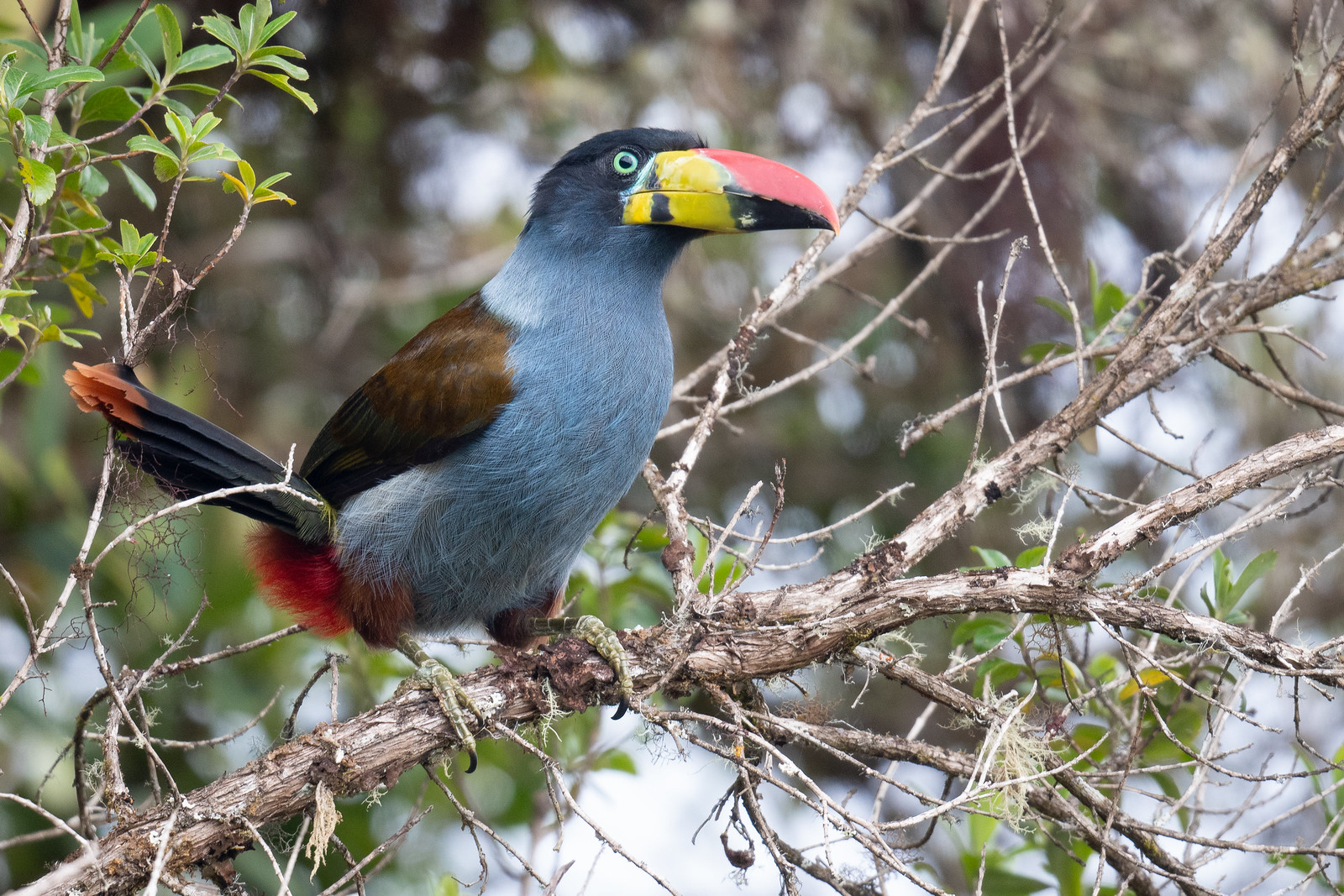
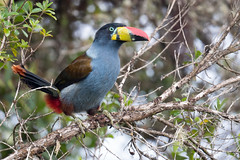
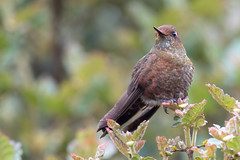
Day 10: Our first target this morning will be the recently split Atuen Antpitta. This highly localised species is found at the treeline, near the village of Atuen. Sharing this habitat, we’ll also look for the stunning Tit-like Dacnis, Stripe-headed Antpitta, Neblina Tapaculo, Line-cheeked Spinetail, and high-elevation waterfowl such as Yellow-billed Teal and Yellow-billed Pintail. Descending the valley back towards Leimebamba, we’ll enjoy high-quality cloud forest. Maroon-belted Chat-tyrant, Large-footed Tapaculo, Rainbow-fronted Starfrontlet, Orange-chested Tanager, and Red-hooded Tanager are possible. Andean Condor is regular towards the end of the valley near Leimebamba. After lunch, we’ll head up into more cloud forest on the other side of town, where we may encounter Yungas Pygmy-Owl, Chachapoyas Antpitta, Leymebamba Antpitta, Gray-breasted Mountain-Toucan, Purple-throated Sunangel, Moustached Flowerpiercer, and more. Night in Leimebamba.
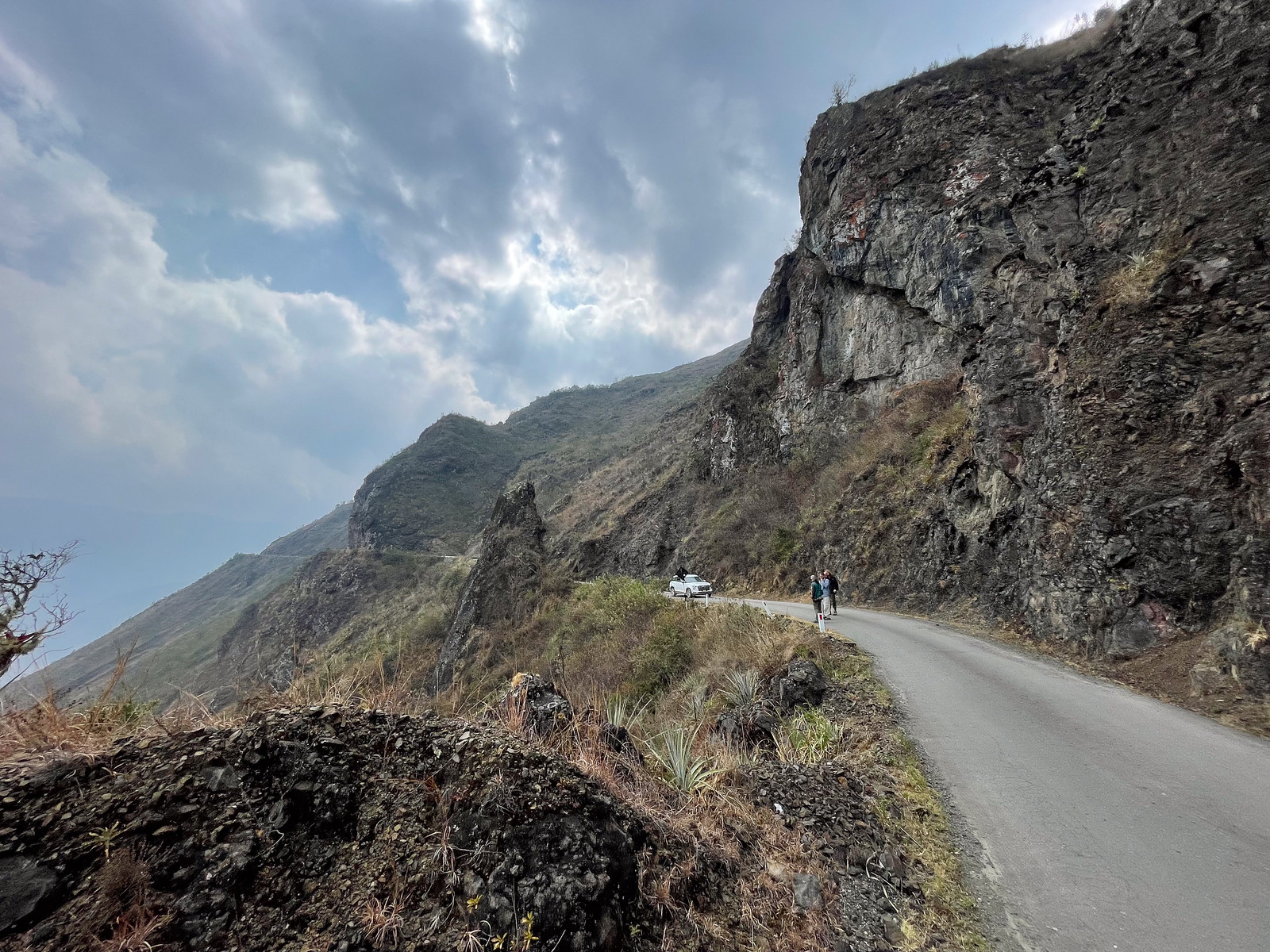
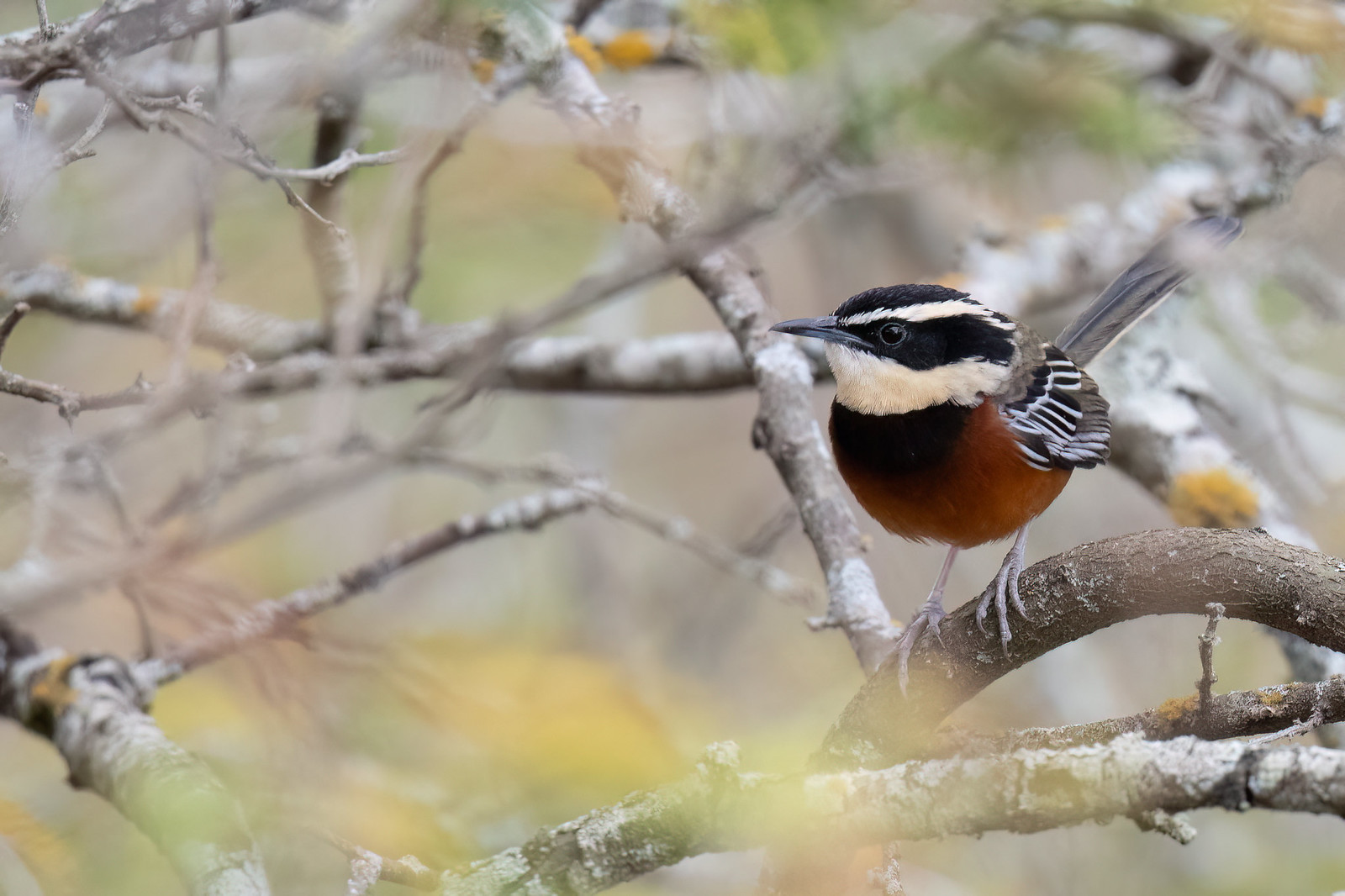
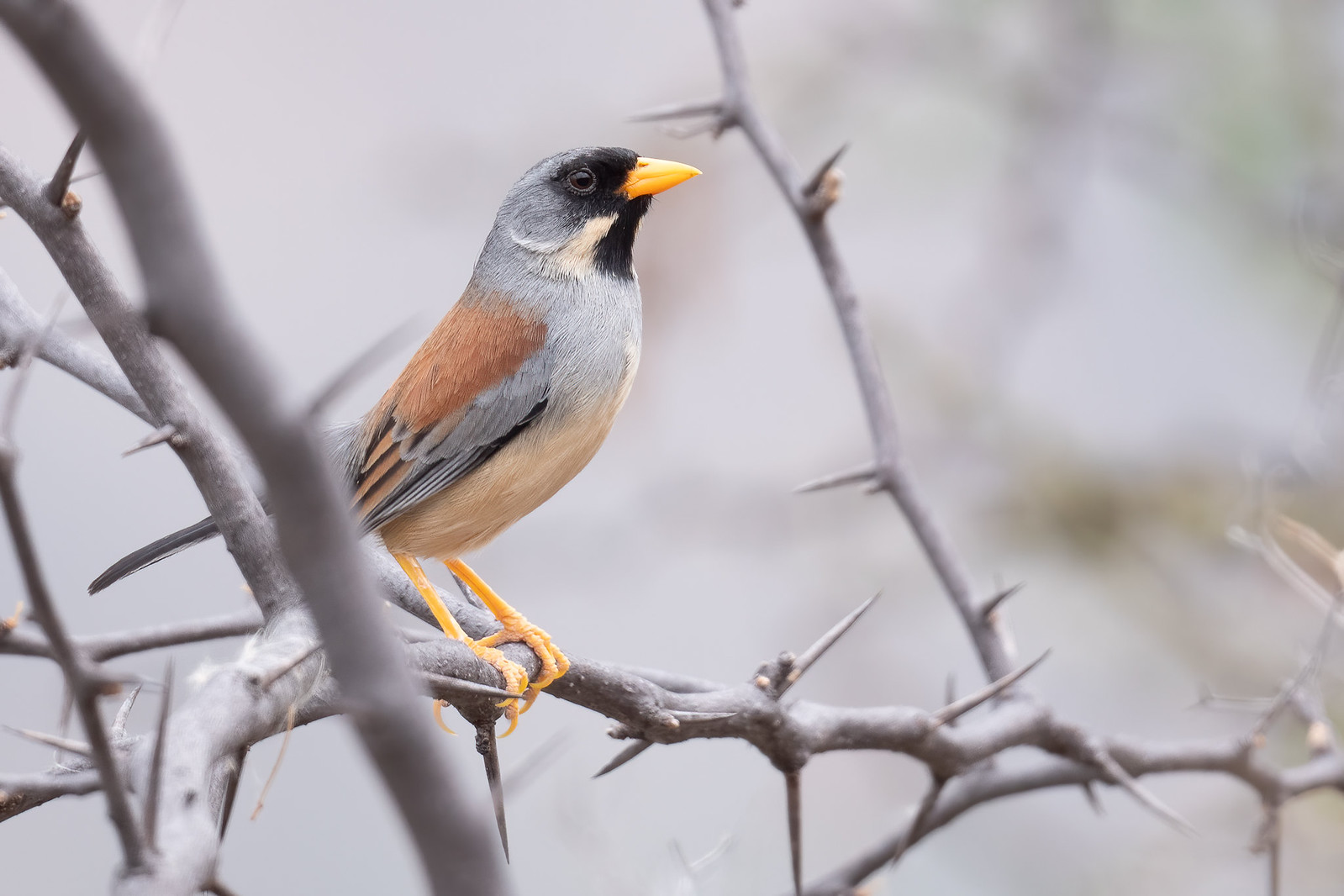
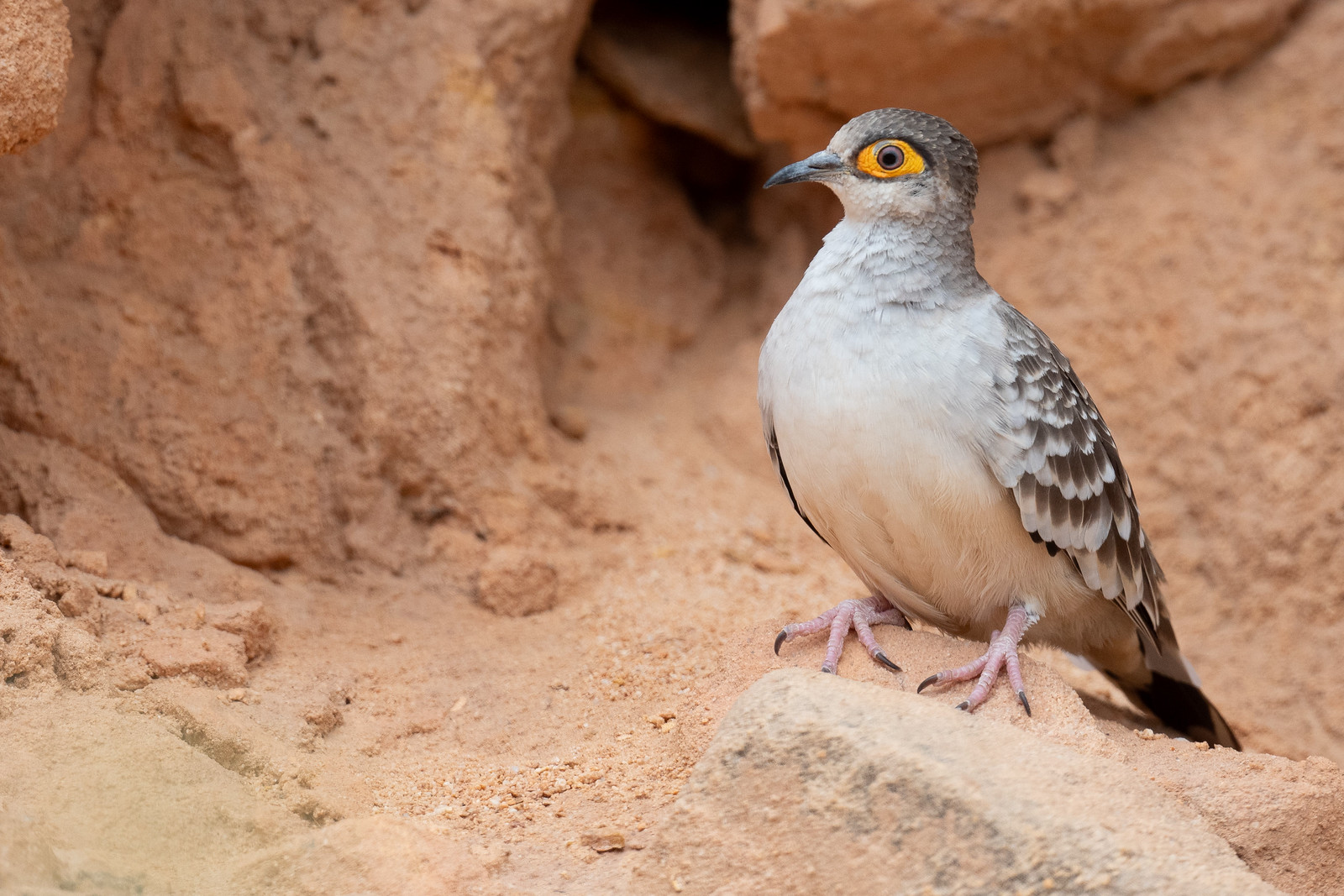
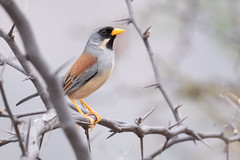
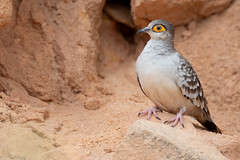
Day 11: A long drive ahead of us today; we’ll be covering a lot of ground and seeing some incredible birds and scenery. First, we’ll clean up any missing cloud forest species as we leave Leimebamba, before dropping into the drier valleys to the West. Stops near Agra Barro Negro could produce Jelski’s Chat-Tyrant or Buff-bellied Tanager. The habitat becomes dramatically drier as we descend closer to the Rio Marañon, and here the real specialties begin to appear. Buff-bridled Inca-Finch will be our first of this endemic genus, and should be joined by Fasciated Wren and Bare-faced Ground-Dove. Crossing the Marañon, we’ll carefully search the cacti-filled canyons for Yellow-faced Parrotlet, likely seeing more Buff-bridled Inca-Finches in the process. Our first Peruvian Pygmy-Owls and Long-tailed Mockingbirds should also be present. Higher up the other side of the valley, we’ll visit “endemic point”, where we will look for Gray-winged Inca-Finch and Chestnut-backed Thornbird. Other more widespread Marañon endemics are also present here, in addition to White-winged Black-Tyrant and our first Tumbes Pewees. From here, we will continue towards our hotel in Celendín. Night in Celendín.
Day 12: After yesterday’s long drive, today will be somewhat more relaxed. First, we’ll seek out Cajamarca Antpitta, Plain-tailed Warbling-Finch, and White-tailed Shrike Tyrant in the vegetated pockets in the agriculture-dominated highlands to our West. Soon we’ll be getting close to the larger city of Cajamarca, where we’ll be spending tonight. A few exciting species are found only in the area around this historic city. First we’ll search a picturesque canyon for Gray-bellied Comet, a stunning hummingbird only rediscovered in the 1990’s. Black Metaltail, Giant Hummingbird, Black-crested Tit-Tyrant, Striated Earthcreeper, and Rusty-crowned Tit-Spinetail are all present too. After this, we’ll move on to thorn scrub South of the city, where we will search for the challenging Great Spinetail. Night in Cajamarca.
Day 13: Finally completing our crossing of the Andes, today we will be descending all the way down to the Pacific coast at Pacasmayo. First, a couple of stops outside of Cajamarca may produce Rufous-backed Inca-Finch, as well as Canyon Canastero and Unicolored Tapaculo before we continue our descent beyond Represa de Gallito Ciego, a large reservoir nestled amongst the dry canyons of the Pacific slope. This drive goes through some underbirded regions which may host species not currently reported, and we will make a few more stops in interesting habitat. After checking into our accommodation near Pacasmayo, we may opt to bird Laguna El Gallinaso, where Tumbes Swallow, one of the trickier Tumbes endemics, can often be found. Night in Pacasmayo.
Day 14: Moving up the coast, today’s focus will be Tumbes endemic species and coastal specialties. At Mocupe, we’ll bird coastal dunes where Peruvian Plantcutter, a bizarre vegetarian cotinga, as well as Cinereous Finch, Peruvian Sheartail, Rufous Flycatcher, Tumbesian Tyrannulet, and more can be found. Pacific Parrotlet is delightfully common. Around Eten, we may encounter Many-colored Rush-Tyrant, Peruvian Pipit, Peruvian Tern, and more. Least Seedsnipe is occasionally present, and Waved Albatross can sometimes be seen from shore. From here we will head inland, making a brief stop at a Chestnut-collared Swallow colony before finishing the day’s birding at Reservorio de Tinajones. This reservoir and the surrounding agriculture support impressive volumes of birdlife, with hundreds of common species such as White-cheeked Pintail and Slate-colored Coot joined by smaller numbers of Chilean Flamingo, Peruvian Thick-knee, Black-faced Ibis, Roseate Spoonbill, and Cocoi Heron. Savanna Hawks and Burrowing Owls can be found in the drier agricultural edges. Passerines include a number of Tumbes endemics, such as Necklaced Spinetail, Sulphur-throated Finch, and Parrot-billed Seedeater. Night at Chaparri Lodge.
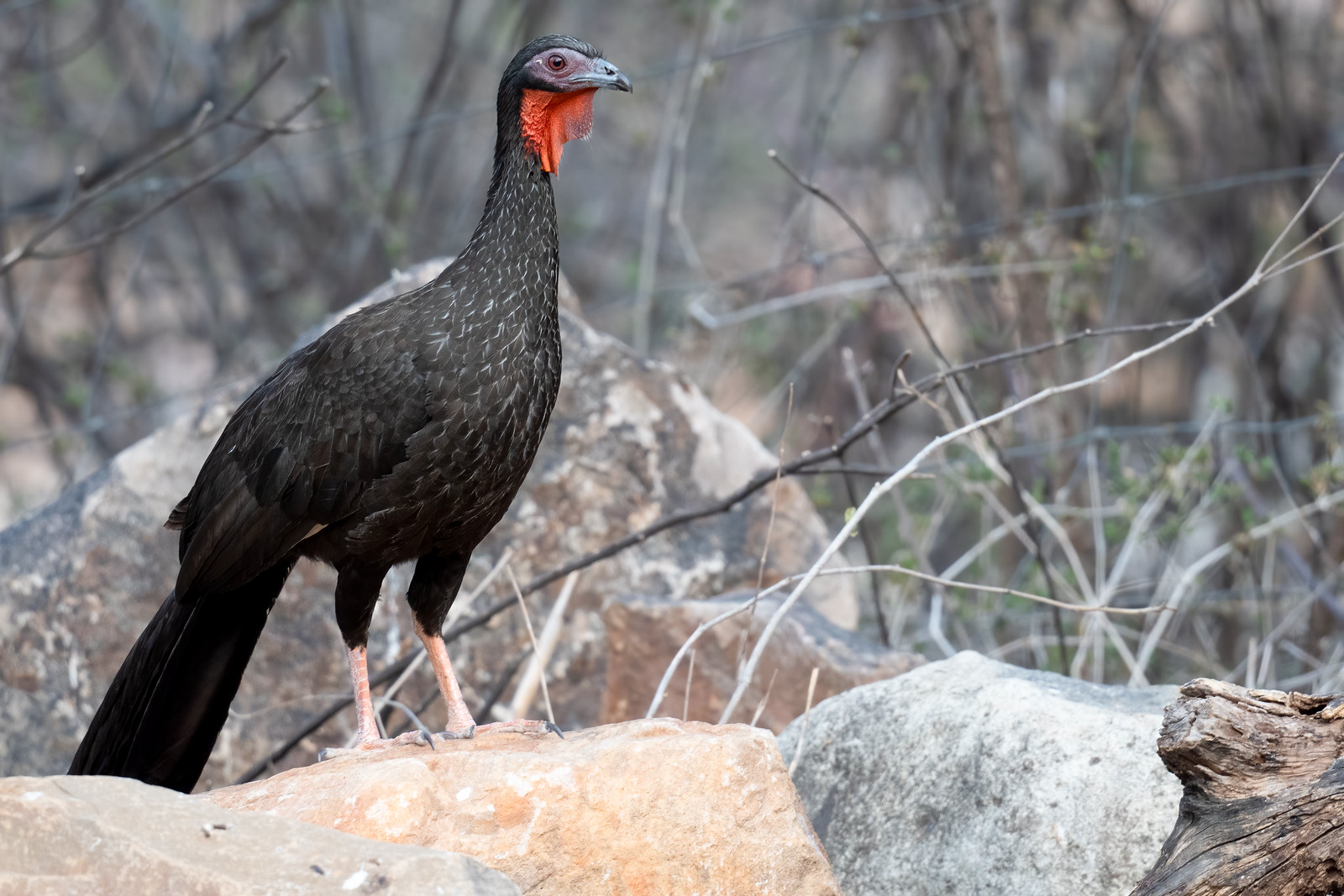
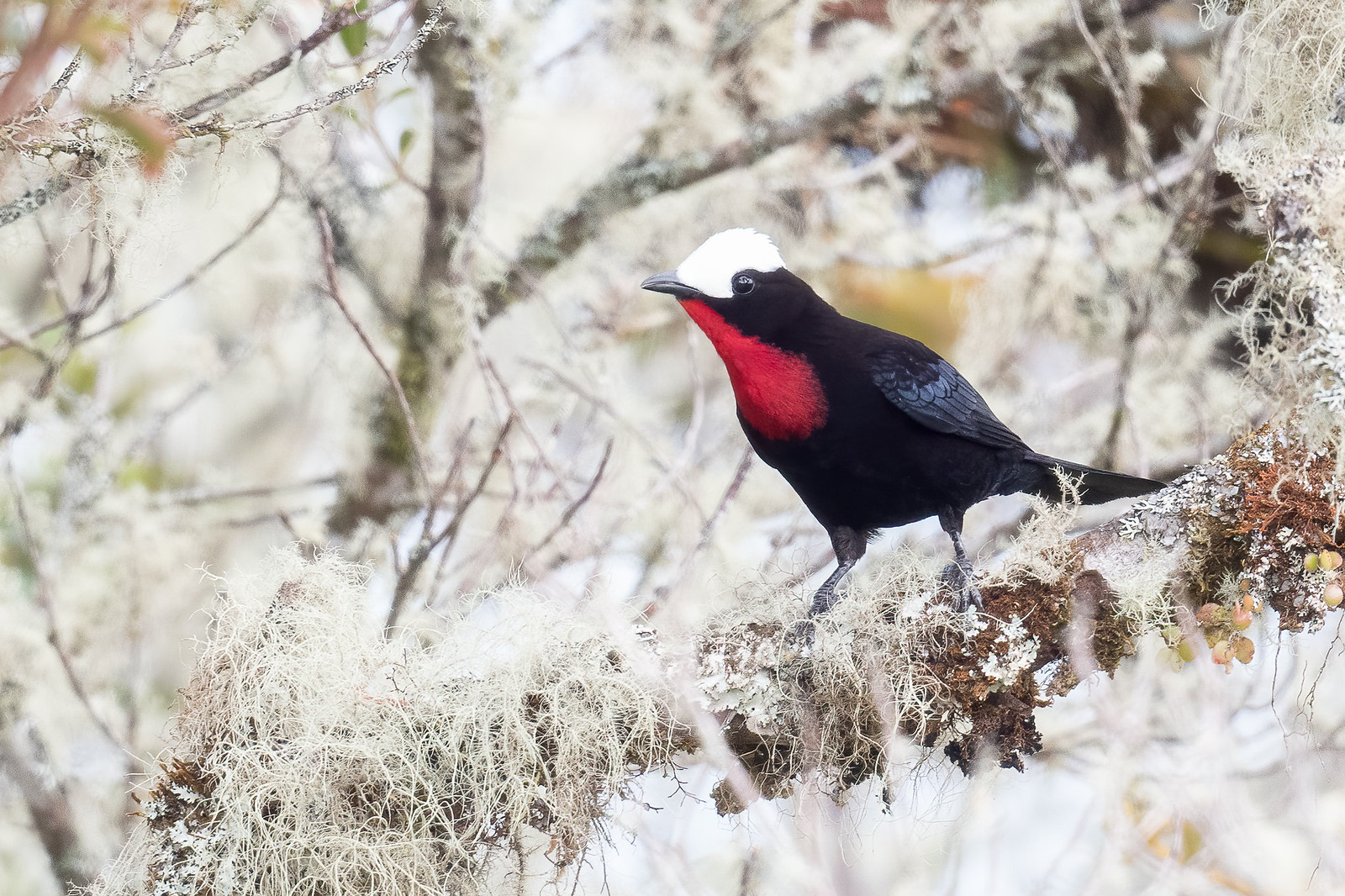
Day 15: Today we will spend a full day on the grounds of Chaparri. This unique lodge and conservation project is home to a great number of special species, including much of the world population of White-winged Guan. This large gamebird was brought back from the brink of extinction and was only recently downlisted from Critically Endangered to Endangered due to reintroduction efforts at Chaparri. Despite this, the population is still estimated at below 250 individuals. In addition to the guan, Chaparri is also home to Tumbes Hummingbird, Elegant Crescentchest, White-headed Brushfinch, Tumbes Chat-Tyrant, Tumbes Sparrow, and even the enigmatic Black-and-white Tanager. This rare tanager is unique in its migratory movements, moving between breeding grounds in the Tumbes region across the Andes to the Western Amazon for its non-breeding season. The reserve is also perhaps the only site in the world where Andean Condor and King Vulture regularly share the sky. Night at Chaparri.
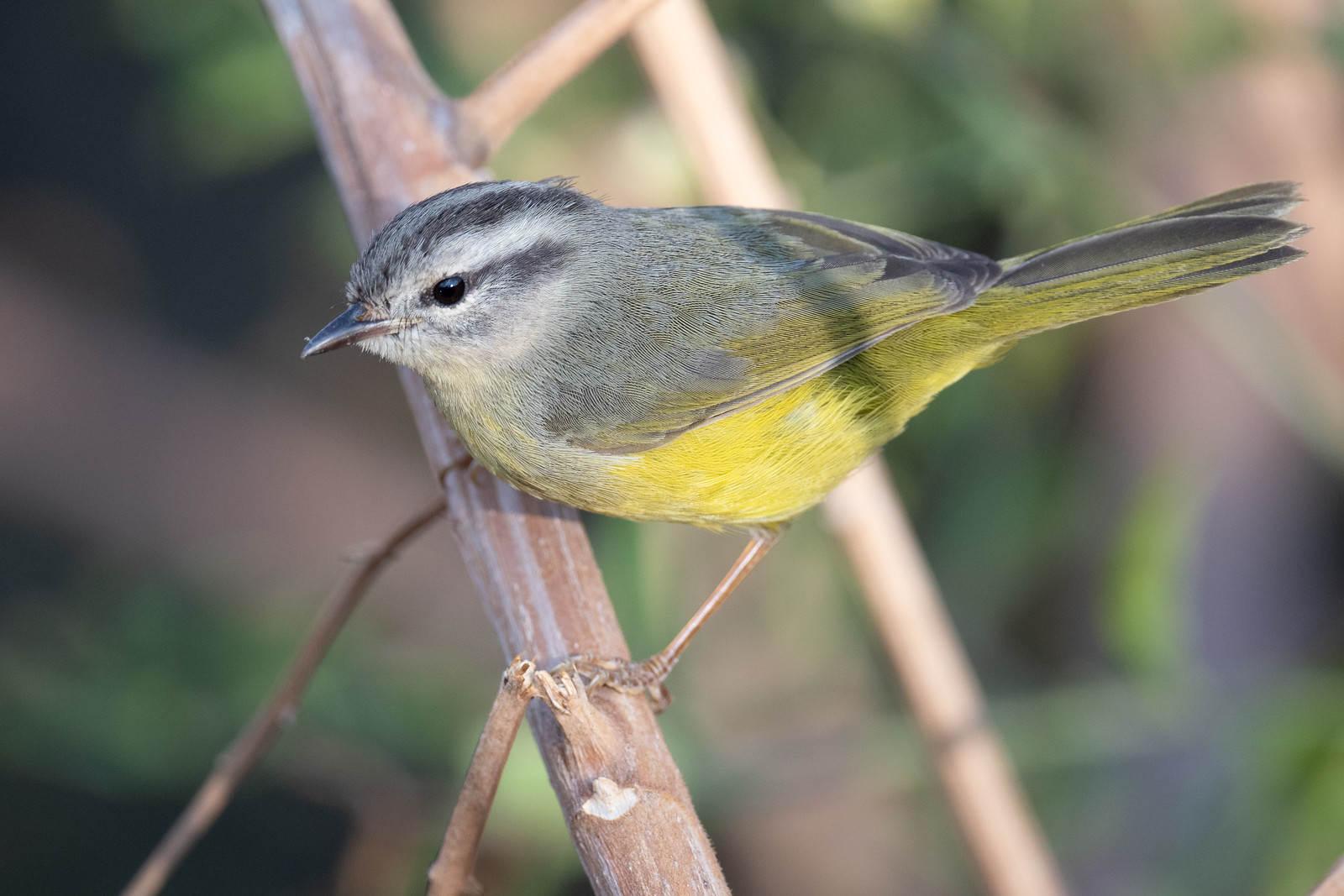
Day 16: Our final day will begin early, as there are yet more birds to see. We’ll be heading down to the foothill forests of Casupe, where we should add a number of new birds. Ecuadorian Piculet, Plumbeous-backed Thrush, Henna-hooded Foliage-gleaner, Ecuadorian Trogon, Chapman's Antshrike, Ochre-bellied Dove, Gray-and-gold Warbler, and many more are found in this dry forest. Solitary Eagle is also occasionally seen in the area. After a morning of birding the Casupe Road, we’ll head to Chiclayo for lunch before afternoon flights out.
Note: The information provided here is an abbreviated version of our formal General Information for Tours to Northern Peru: Amazon Foothills to the Pacific. It is intended solely to give readers a sense of what to expect on this tour. Although we do our best to make sure that what follows here is completely accurate, it should not be used as a replacement for the formal document which will be sent to all tour registrants, and whose contents supersede any information contained here.
TRAVEL TO PERU: This tour begins in Tarapoto (airport code: TPP) and ends in Chiclayo (airport code: CIX).
ENTERING PERU: U.S. citizens must present a passport that is valid on the day of entry, with at least one blank page available for an entry stamp, as well as a return airline ticket. No visa is required. Tourist permits and customs forms have recently been discontinued, so your passport should be the only document stamped upon arrival. If these procedures change and you are given an immigration form or tourist permit, keep the stub with your passport at all times, as it may be required when departing Peru.
A valid Yellow Fever vaccination is required if you are arriving from a country where the disease is a risk. See http://wwwnc.cdc.gov/travel/yellowbook/2014/chapter-3-infectious-diseases-related-to-travel/yellow-fever#1948 for more information.
COUNTRY INFORMATION: You can review the U.S. Department of State Country Specific Travel Information here: https://travel.state.gov/content/travel.html and the CIA World Factbook here: https://www.cia.gov/the-world-factbook/. Review foreign travel advice from the UK government here: https://www.gov.uk/foreign-travel-advice and travel advice and advisories from the Government of Canada here: https://travel.gc.ca/travelling/advisories.
PACE OF THE TOUR: We will be starting most mornings with breakfast around 5:30 a.m. and begin our daily birding at first light, but since the sun sets by 6:30 p.m., we will end some days having eaten dinner as early as 8 p.m. Most days will include an after-lunch siesta and/or an hour or so off before dinner. During the day, about three quarters of the birding is on roadsides with easy walking or sitting and watching hummingbird feeders.
When on the road, we’ll not be far from the bus, but one should be prepared for long periods of standing and walking slowly, and a small travel stool is handy for those who find this tiring. There will be occasional owling excursions, occasionally pre-dawn but usually after dinner, and these will of course be longer days. Morning owling could start as early as 4:00 a.m., followed by a later breakfast, but we’ll also end earlier on such days. Other days might have us owling in the evening followed by a later dinner around 8:30 p.m. or so, or possibly even after dinner for later owling, after which we won’t have an extra early morning.
Considering that the roadside and trailside vegetation may be wet from dew or rain, waterproof footgear is useful – waterproof hiking boots are best, but if you don’t mind having wet feet, a cheap pair of sneakers also works, as long as you have something dry to change into back at the room. Keep in mind that in the cool, moist environments of the Eastern half of the tour, damp shoes and clothing may not dry readily.
HEALTH: The Centers for Disease Control and Prevention (CDC) recommends that all travelers be up to date on routine vaccinations. These include measles-mumps-rubella (MMR) vaccine, diphtheria-tetanus-pertussis vaccine, varicella (chickenpox) vaccine, polio vaccine, and your yearly flu shot.
They further recommend that most travelers have protection against Hepatitis A and Typhoid.
Malaria and Yellow Fever: Protection against both malaria and yellow fever are recommended by the Centers for Disease Control (CDC). Please consult your physician.
Please contact your doctor well in advance of your tour’s departure, as some medications must be initiated weeks before the period of possible exposure.
The most current information about travelers’ health recommendations can be found on the CDC’s Travel Health website here: https://wwwnc.cdc.gov/travel/destinations/list
Insects: Many potential health problems can be prevented by adequate protection against insects. Even when mosquitoes may be sparse, biting gnats and chiggers can still be a nuisance. To be protected, bring plenty of spray repellent and wear long sleeves and pants when in the field. We recommend using insect repellents with a concentration of DEET of at least 20%.
Smoking: Smoking is prohibited in vehicles or when the group is gathered for meals, checklists, etc. If you are sharing a room with a nonsmoker, please do not smoke in the room. If you smoke in the field, do so well away and downwind from the group. If any location where the group is gathered has a stricter policy than the WINGS policy, that stricter policy will prevail.
Miscellaneous: We do not often encounter snakes and take the time to observe them whenever possible; most are not venomous, and venomous ones are not aggressive. At times we will be remote, and while the lodges have emergency medical supplies, professional medical assistance will be several hours away from some of them.
One can never completely escape the risk of parasites or fungal infections. Please consult with your physician. We avoid tap water but filtered and bottled water are readily available.
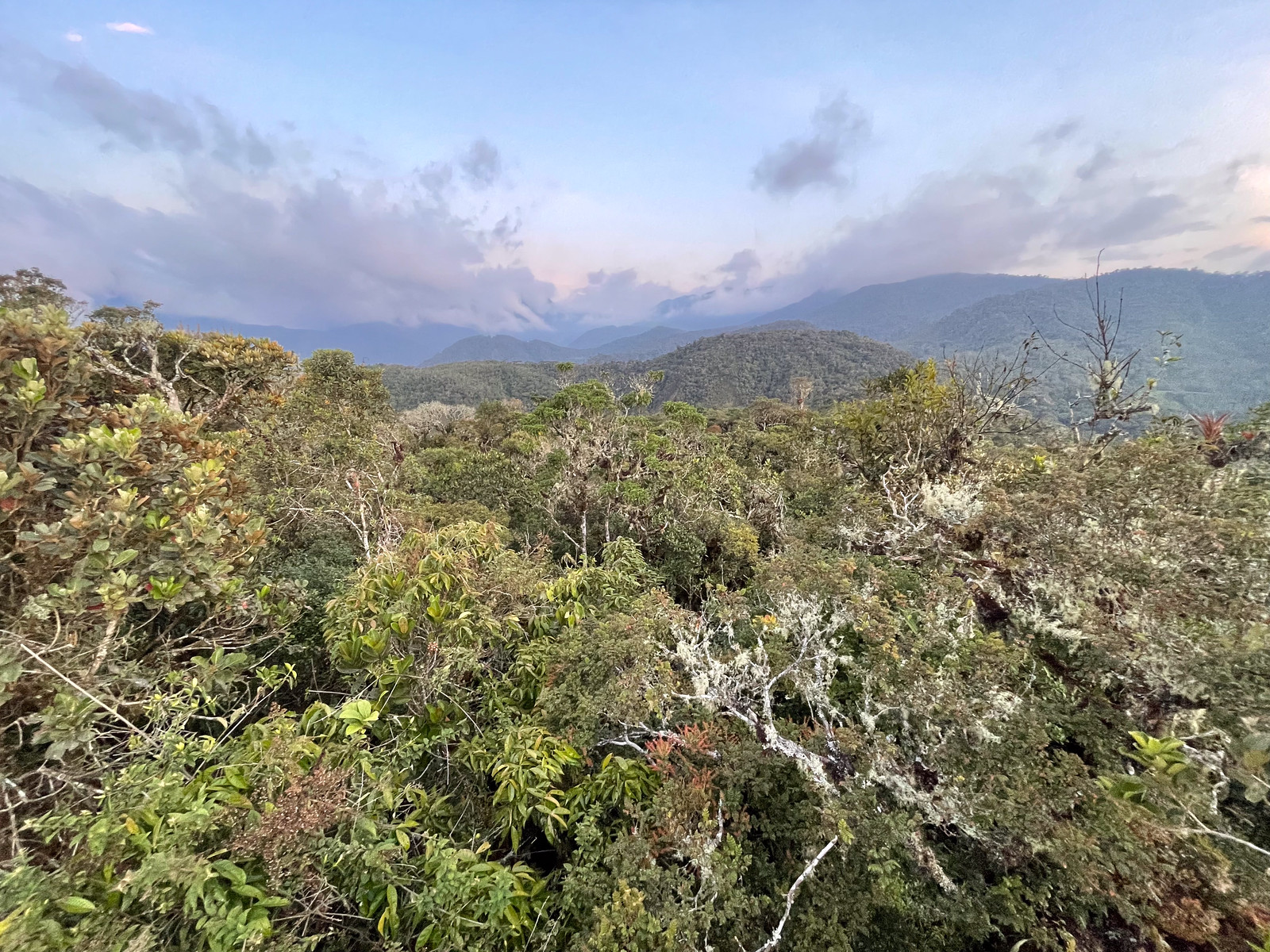
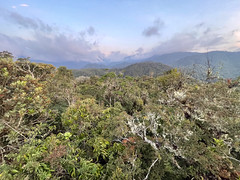
CLIMATE: In Northern Peru, we can expect a variety of climate conditions as we’ll be at different elevations, and visit both dry and humid slopes of the Andes. From Chiclayo to Cajamarca, expect warm, tropical, and dry conditions. At Leymebamba we’ll be at a much more comfortable maximum of 7200 feet (2200 m) with low temperatures perhaps dipping down to the low 50°F (10 C) at the coldest and daytime temperatures in the mid- to upper-60s F. This being a very moist climate, mornings at this temperature can feel downright chilly, and some will find long underwear, light gloves, and a light down jacket or fleece necessary, especially considering that rooms in the hotel are not heated. We’ll also visit two areas on both sides of the Marañon Canyon, at altitude above 10,000 feet, where temperature can drop down to freezing point and we even experienced snow falls on previous visits. As we will be at the beginning of the dry season, rain is a possibility, especially in the afternoons, but weather patterns are so unpredictable these days, it’s fully possible that we could see some days with no rain at all…or rain nearly every day. To deal with all climatic contingencies we recommend a rain jacket that could double as a windbreaker, warm clothes for the time we will be at high elevation, and light weight warm weather clothes for the lowlands. Below Alto Mayo and East to Tarapoto, hot, humid conditions associated with tropical forest can be expected. A compact umbrella is also essential for birding in light rain or very sunny days. A poncho is potentially useful for occasional heavy rains.
ACCOMMODATIONS: We’ll stay at the best accommodations available and have reserved rooms with private baths at all locations where possible. All of our hotels have hot water, electricity with at least one outlet in the rooms, and some have Wifi. Chaparri Eco-lodge produces its own electricity with solar panels, and electricity is only available during the daytime and only in the dining area. At Chaparri, those who need electricity at night for medical devices should let us know ahead of time to ensure a generator can be prepared. Accommodation in Leymebamba and Celendín is really limited, and we have no choice other than to use a simple hotel at the main square, where nights can sometimes be rather noisy. In Leymebamba, nights can be chilly and there is no heat in the rooms, but extra blankets are available. Keep in mind that power outages, while infrequent, do happen from time to time. A headlamp or small flashlight is important and may also come in use during our evening checklist sessions where overhead lighting may be suboptimal.
INTERNET AND MOBILE PHONE ACCESS: Mobile phone access is rather limited on this tour and is only available in and around Lima, Cusco, & Puerto Maldonado, though some might find service at Villa Carmen. Wifi internet is available at all of our hotels but is limited to the generator hours of 6:00 am - 9:00 pm in San Pedro, and 7:00 am - 9:00 pm at Los Amigos. As of this writing, there is no internet at Tambo Blanquillo, but that may change by the time our tour runs.
FOOD: Other than a few picnic lunches, all meals will be at or near our accommodation. The specialties of the North of Peru region usually include different kind of fishes, “Ceviche” (raw fish marinated in lemon juice), “Lomo Saltado” (sliced beef cooked with onions, tomatoes and French fries), “Aji de Gallina” (sliced chicken in a sweet yellow pepper sauce) and other ways to prepare chicken, though nowhere in Peru is the food spicy unless you add the almost always available hot sauce or chopped pepper. At Leymebamba and Celendín food is much simpler, with most meals starting with a soup, followed by a plate with portion of a meat, vegetable, and a starch. On our final night, we have a farewell dinner at a very upscale restaurant with a wide variety of Peruvian fusion specialties, especially famous for its seafood.
Drinks: Bottled water and/or a soft drink or a beer is provided at lunch and dinner, as is coffee or tea. All other drinks or ‘personal’ drinking water for use in your room etc. is the responsibility of the individual; our lodges typically have filtered water available for refilling your own bottles. We also keep bottled water on the bus for ‘emergency’ use during the day.
Food Allergies / Requirements: We cannot guarantee that all food allergies can be accommodated at every destination. Participants with significant food allergies or special dietary requirements should bring appropriate foods with them for those times when their needs cannot be met. Announced meal times are always approximate depending on how the day unfolds. Participants who need to eat according to a fixed schedule should bring supplemental food. Please contact the WINGS office if you have any questions.
TRANSPORTATION: Our transportation will be in a small bus provided by our ground agent. Most road travel will be on a mix of paved and unpaved, often bumpy road, but we are fortunate just to have roads into this fabulous area. Some roads may be quite bumpy and/or winding; anyone susceptible to motion sickness should bring an appropriate remedy. Participants should be able to sit in any seat in our vehicles.
We can't render google maps without your cookie consent. To see the map, please reset your cookies, then accept all, then reload this page.
Maximum group size seven with one leader