Through our Lens - Chile: Tierra del Fuego to the Atacama Desert


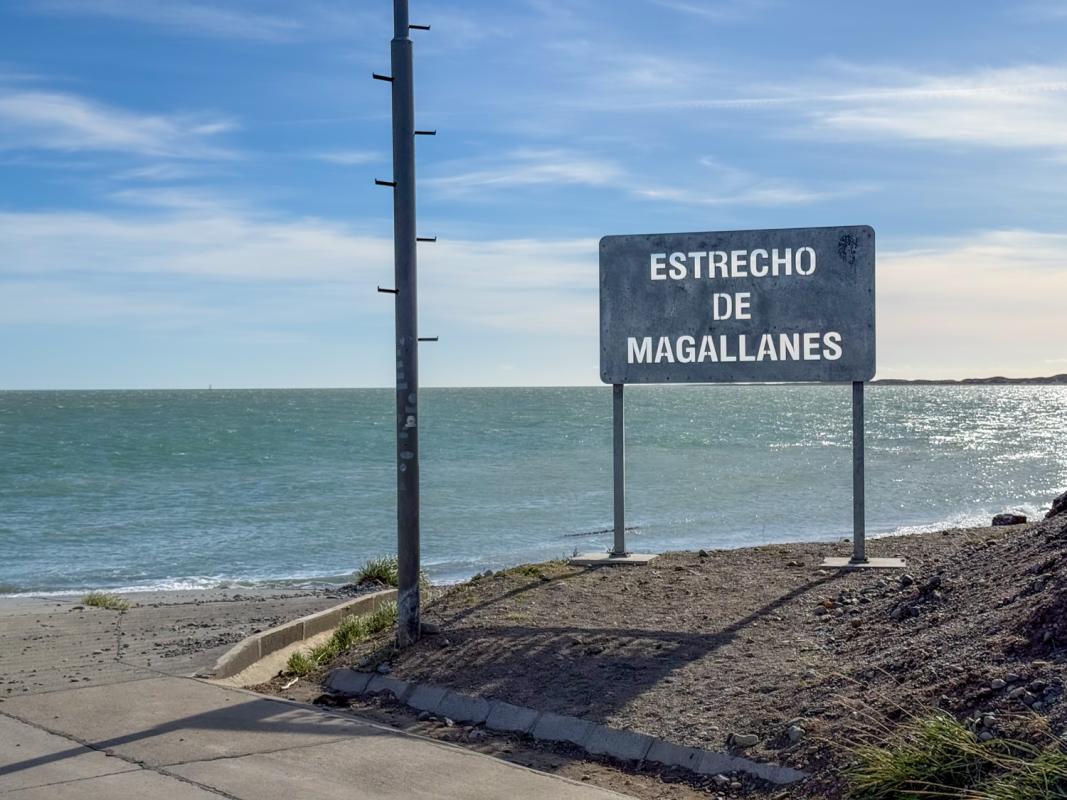
Spanning 38 degrees of latitude, Chile truly is one of the most diverse countries on earth when it comes to habitat. This year’s tour with Stephen Menzie and J. Quillen Vidoz sampled many of those habitats, from wind-battered Magellanic Straits…
…to the high-altitude beauty of the altiplano in the north (here, Lake Chingará at 15,000 feet above sea-level, with the Parinacota volcano behind, straddling the Chilean-Bolivian border and rising to over 20,000 feet).

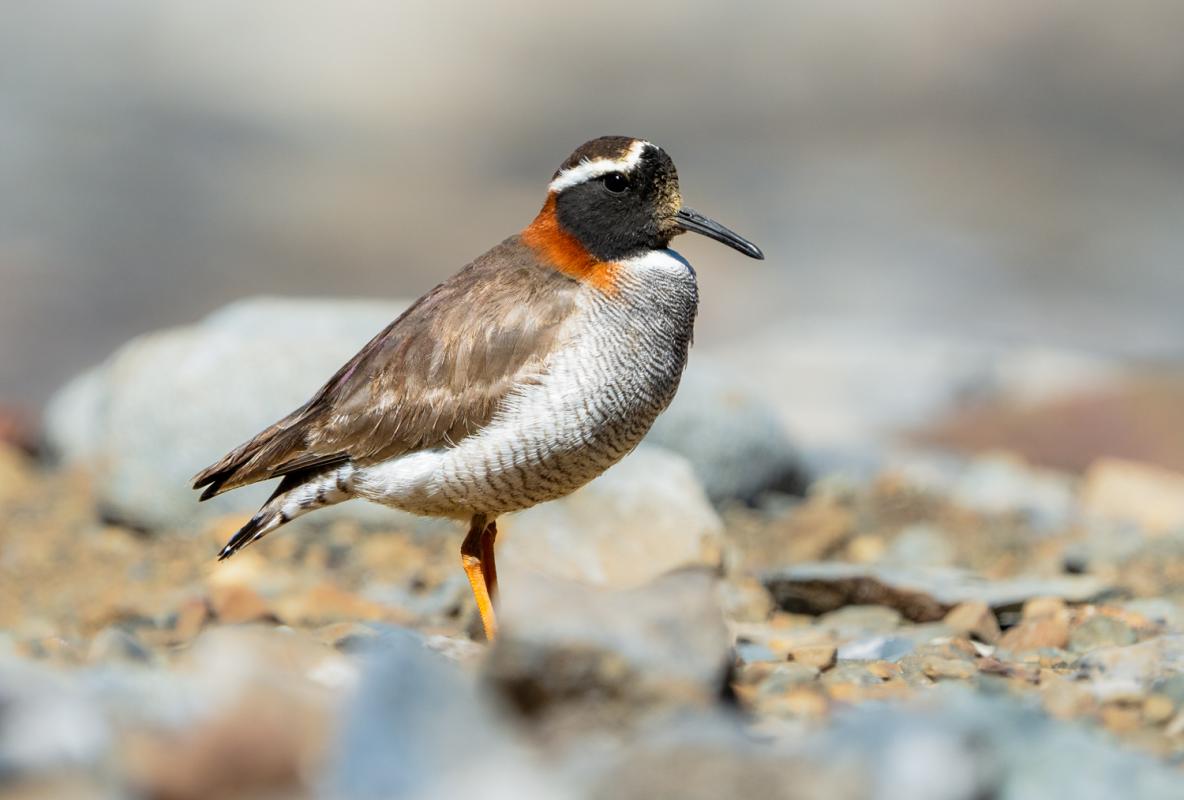
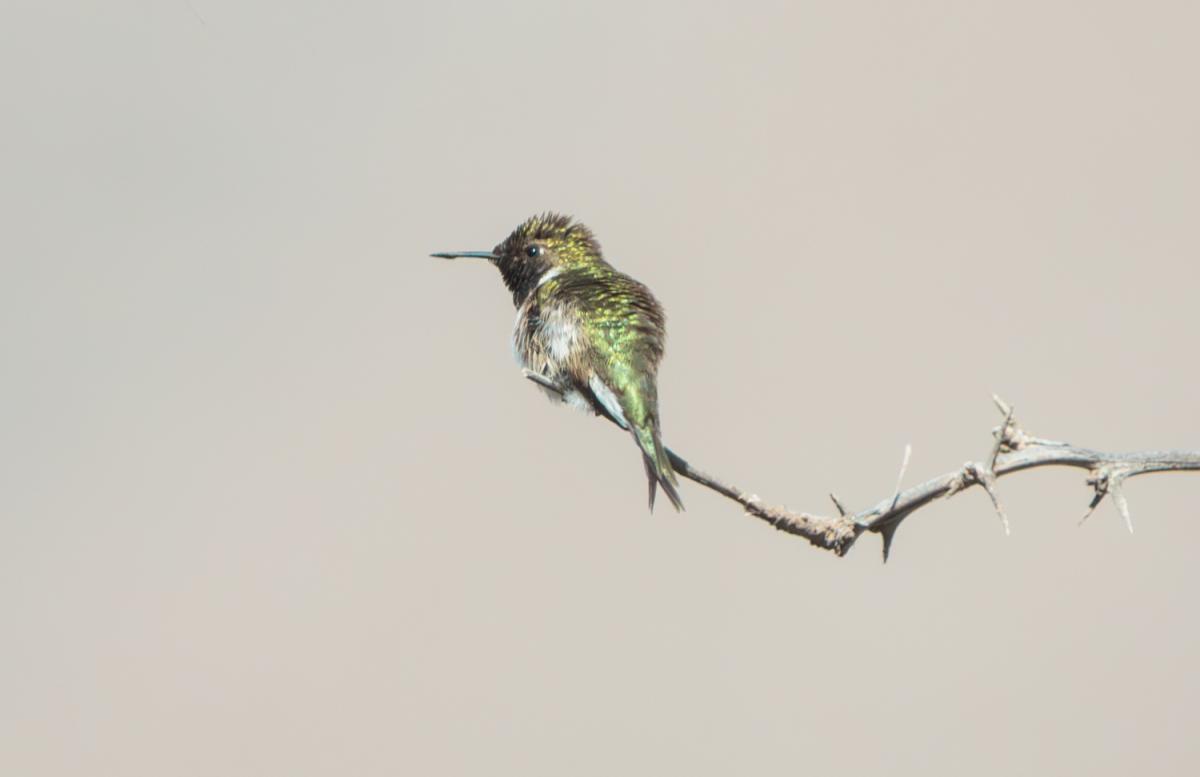
The trip list (birds and mammals) was as diverse and as magnificent as the scenery, with species seen ranging from the unique Diademed Sandpiper-plover…
…to the diminutive – and tragically rare – Chilean Woodstar.
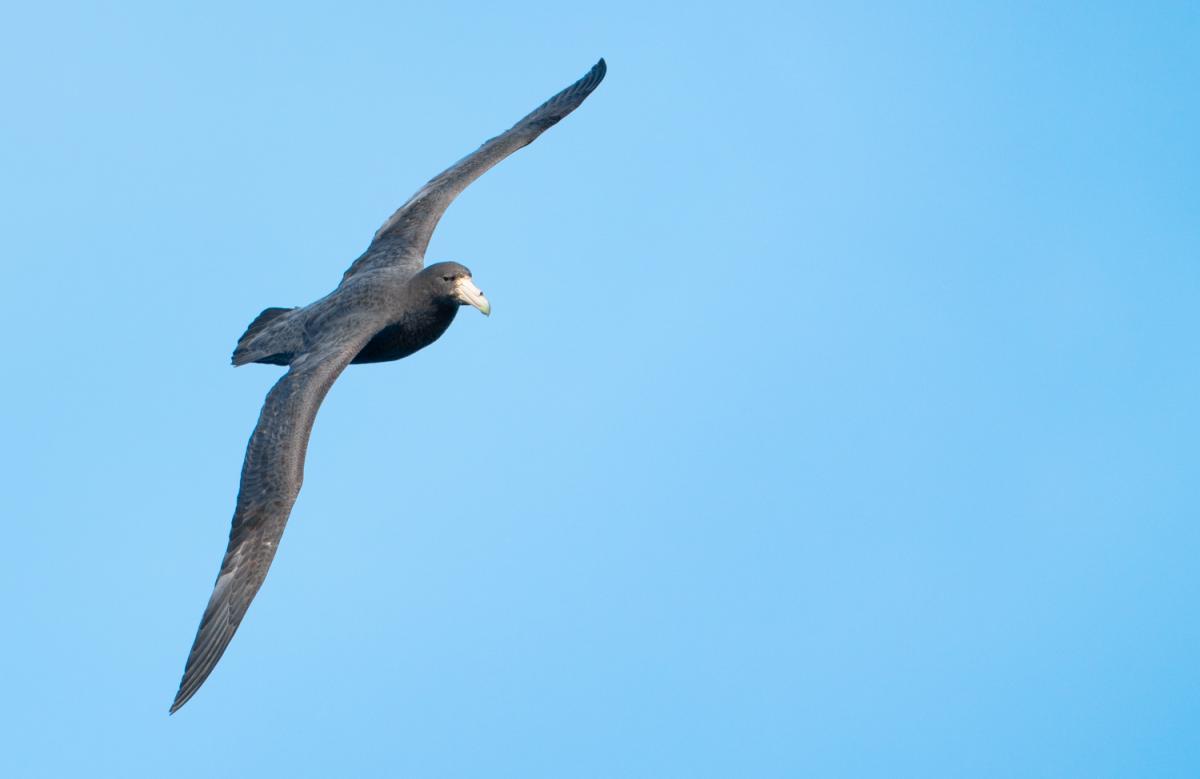
With such a long and diverse coastline, seabirds were well represented on this trip, too, from this monstrous Southern Giant Petrel…
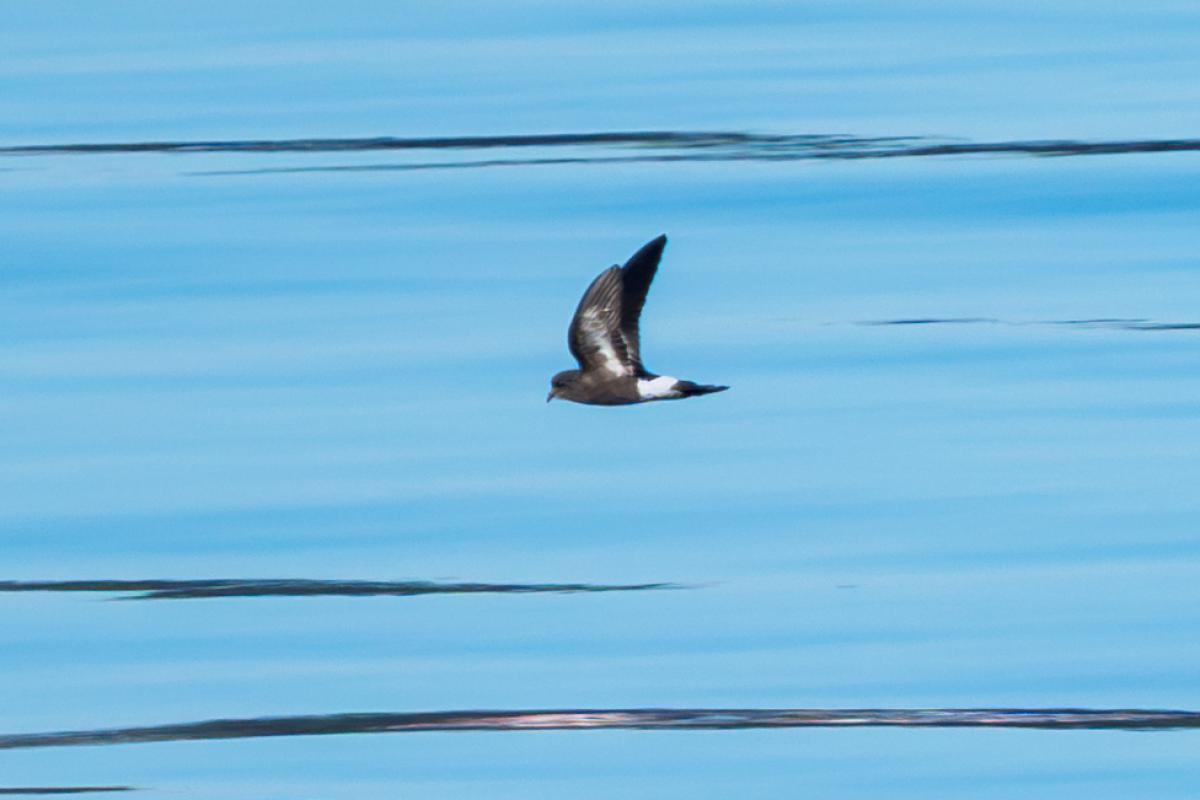
…to this delicate and highly localized Pincoya Storm-petrel.
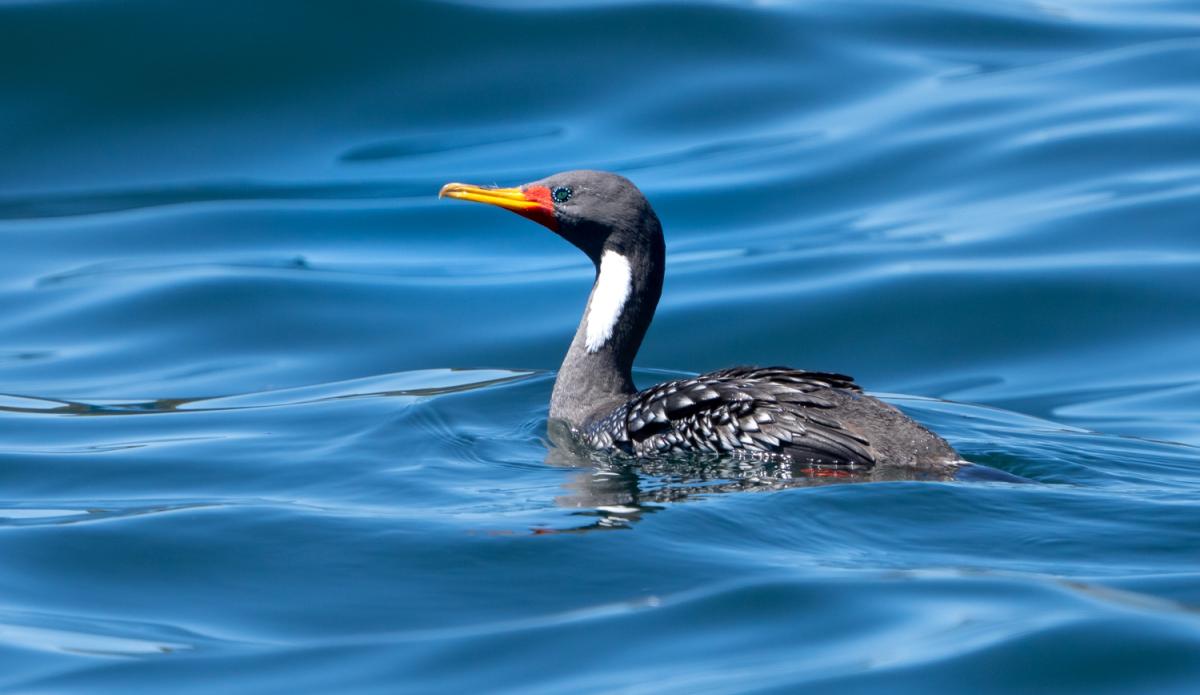
Other marine-going species included the handsome Red-legged Cormorant…
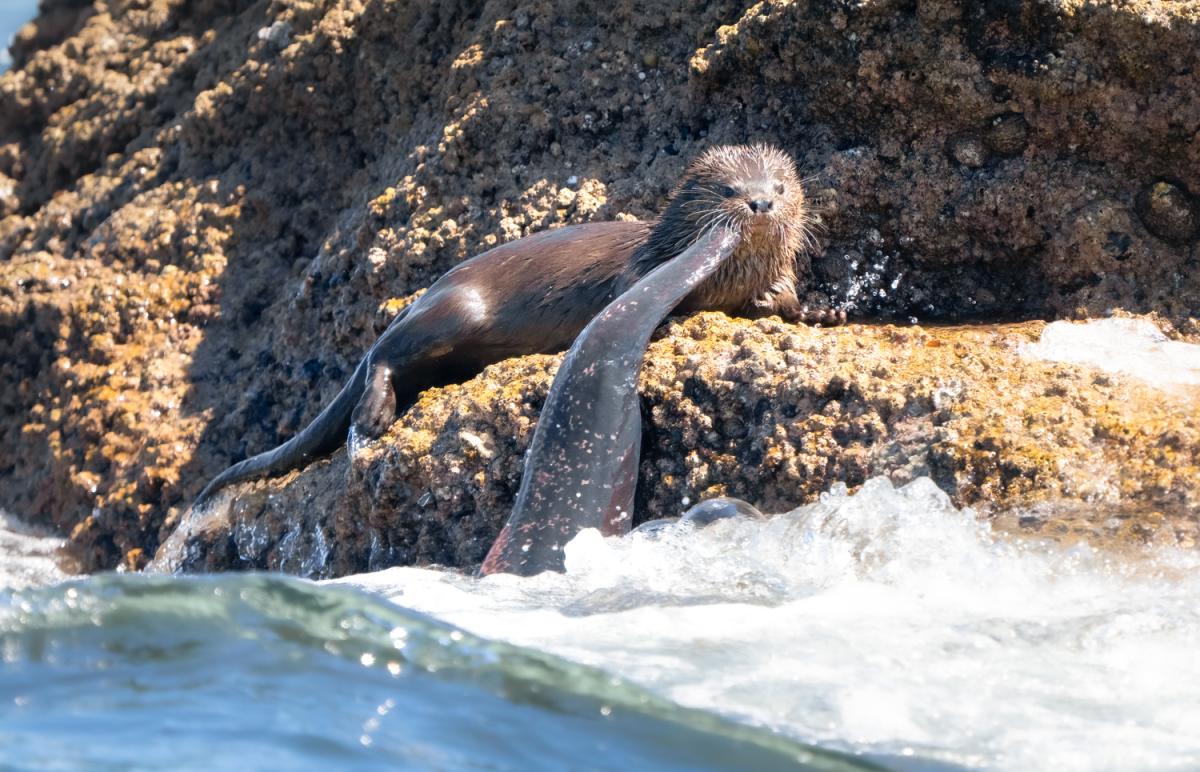
…and this globally endangered Marine Otter, wrangling a Red-cusk Eel.
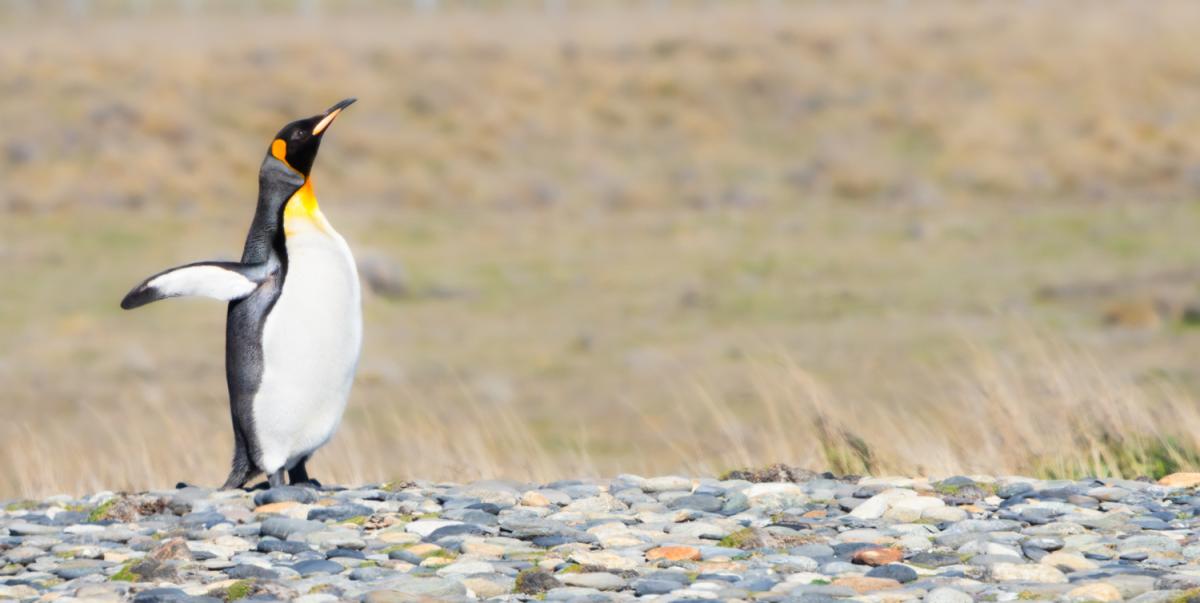
In the south, we visited the small King Penguin colony on Tierra del Fuego…
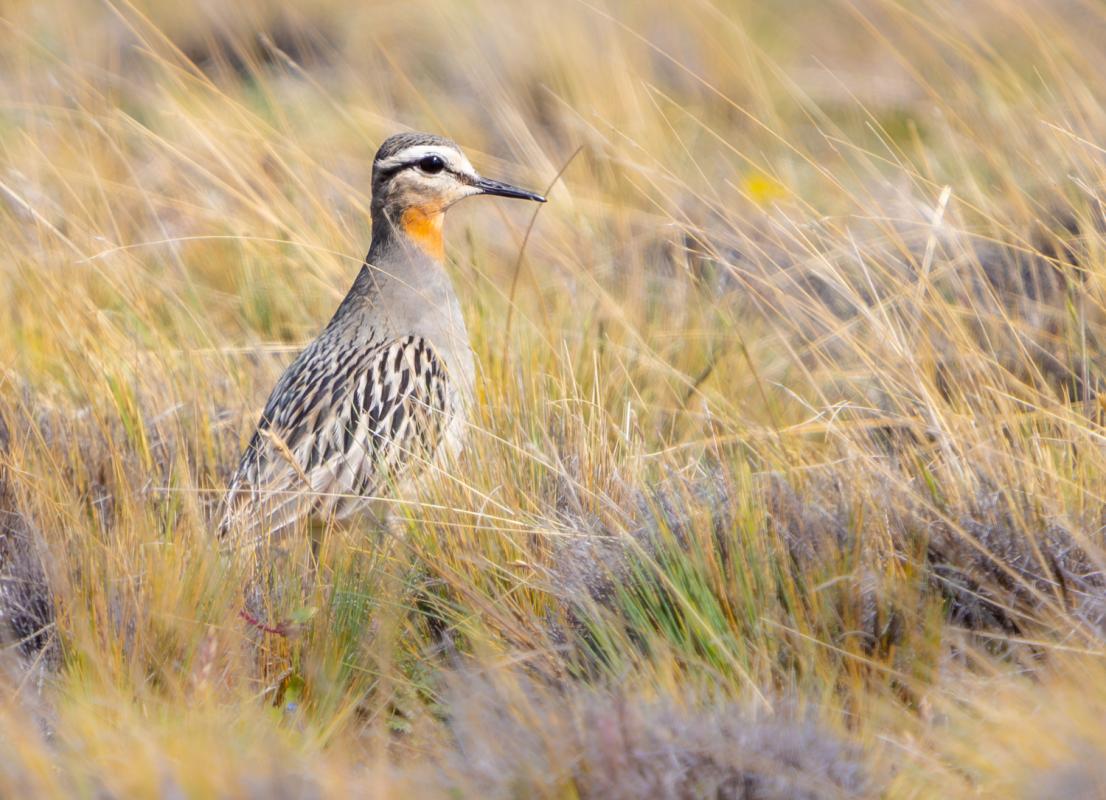
…while back on the ‘mainland’ we found delights such as this Tawny-throated Dotterel…
…and this scarce Band-tailed Earthcreeper…

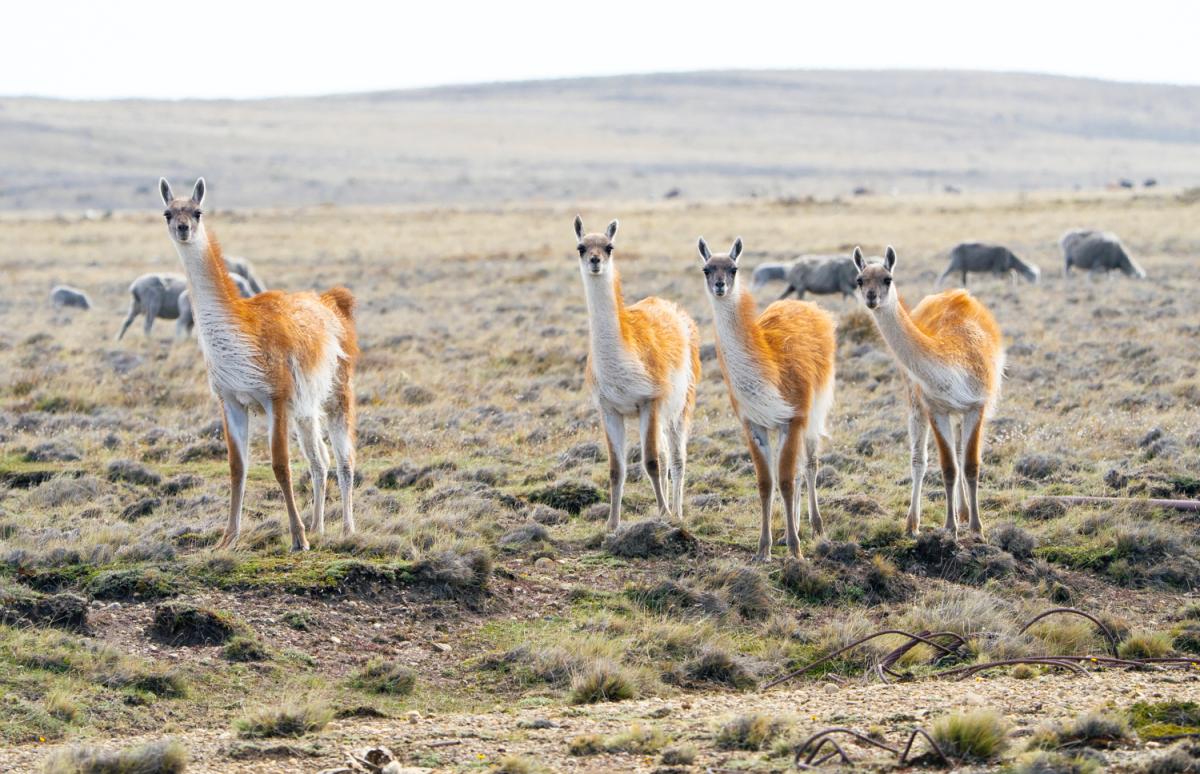
…as well as inquisitive groups of Guanacos.
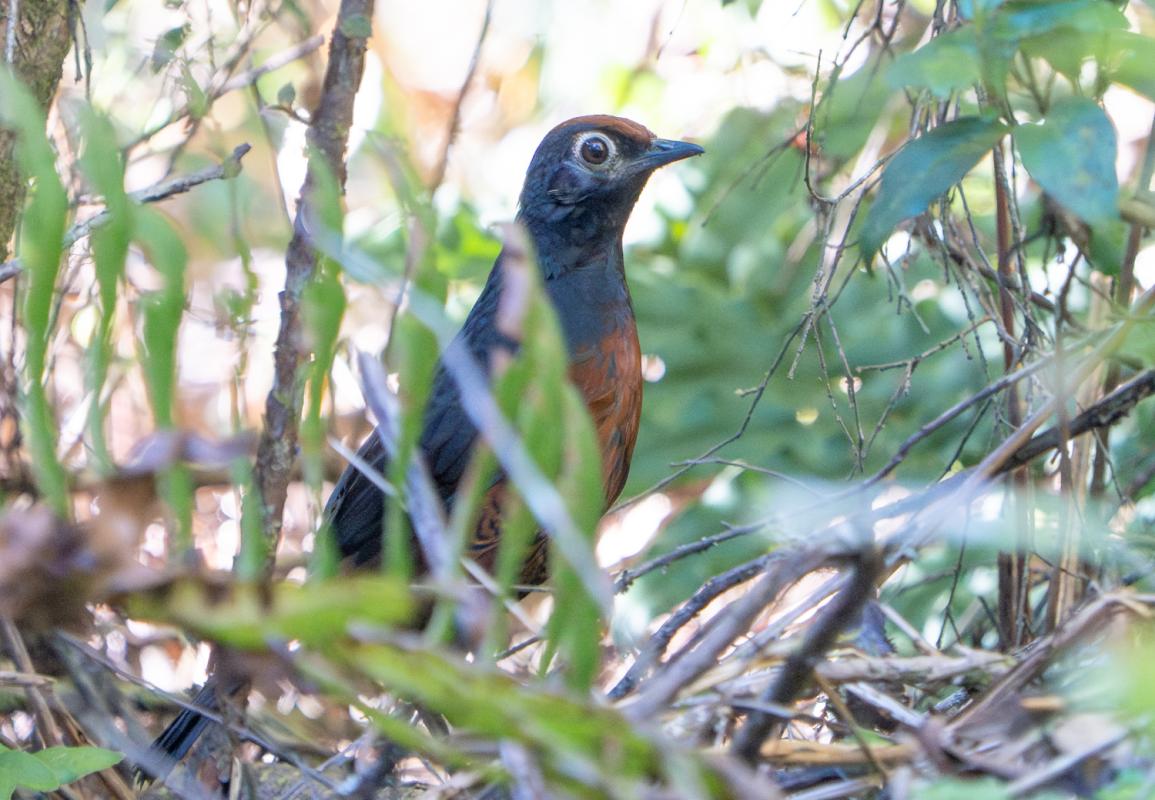
In the lush Lake District we found several species of tapaculo, such as this Black-throated Huet-huet…
…and this charismatic Chucao Tapaculo.
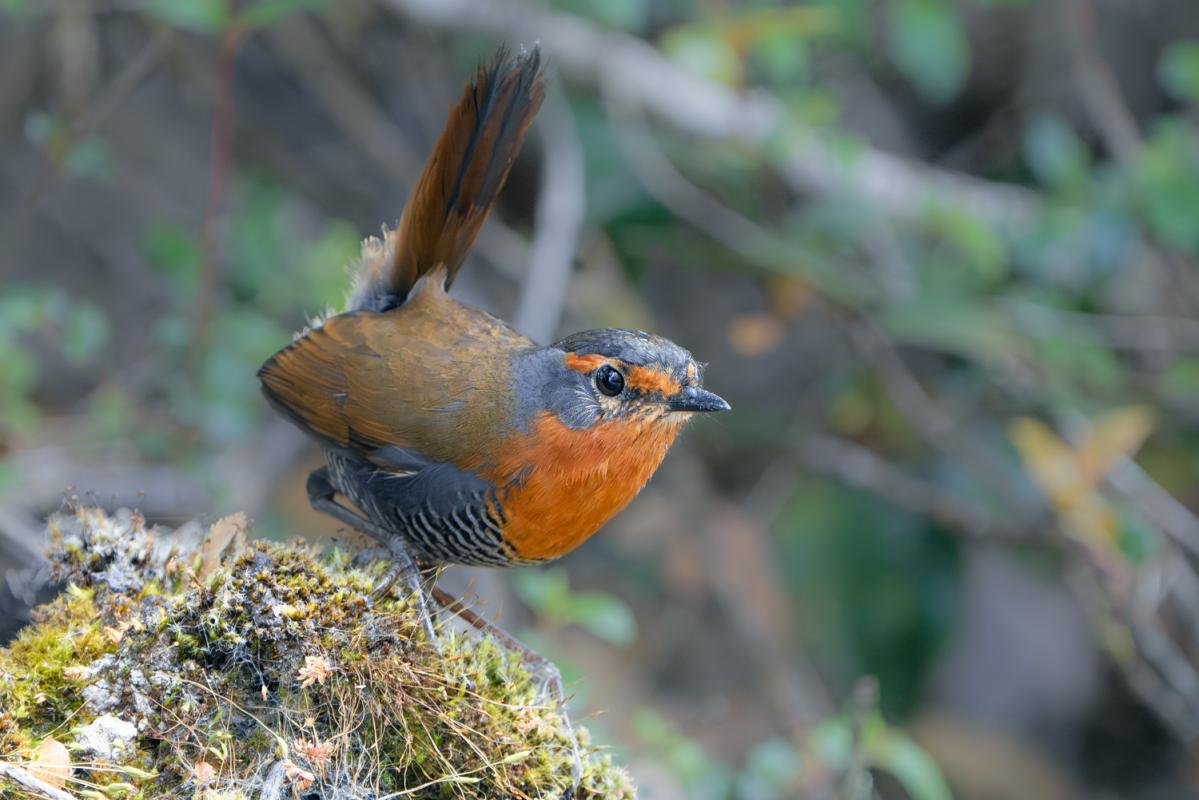
In central Chile, we caught up with numerous lowland species, such as this handsome Rufous-tailed Plantcutter…
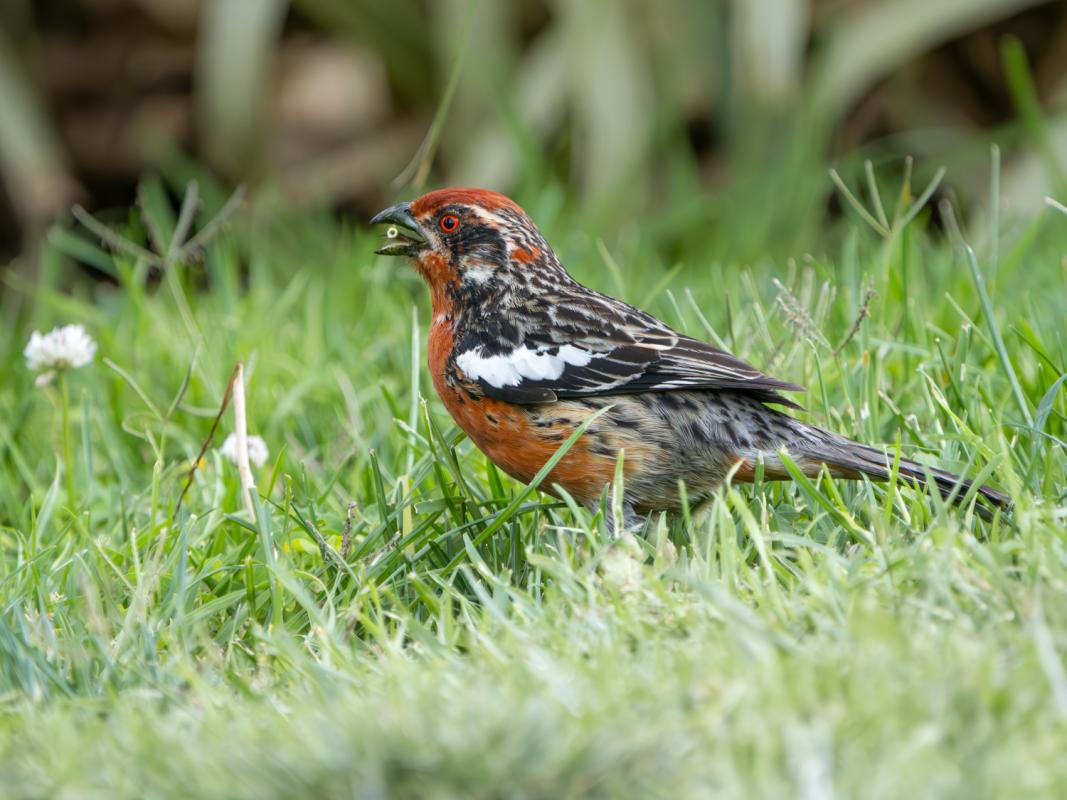
…and this remarkably showy Black Rail...
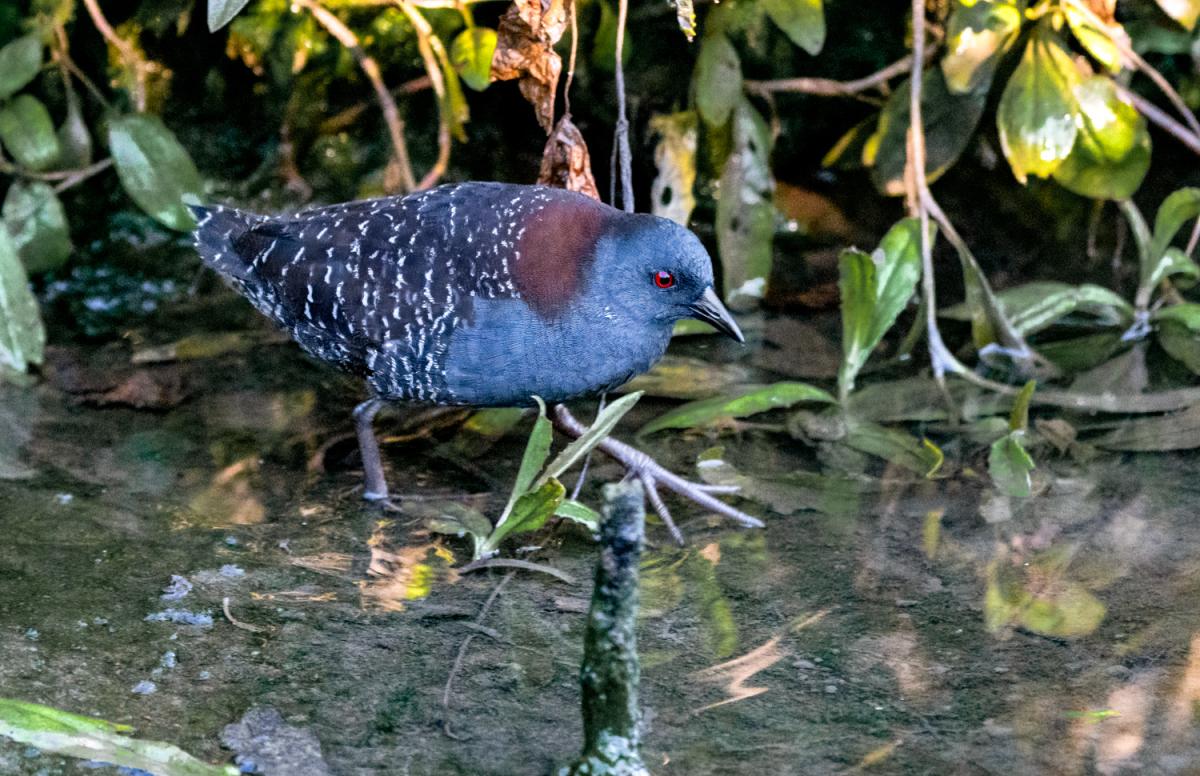
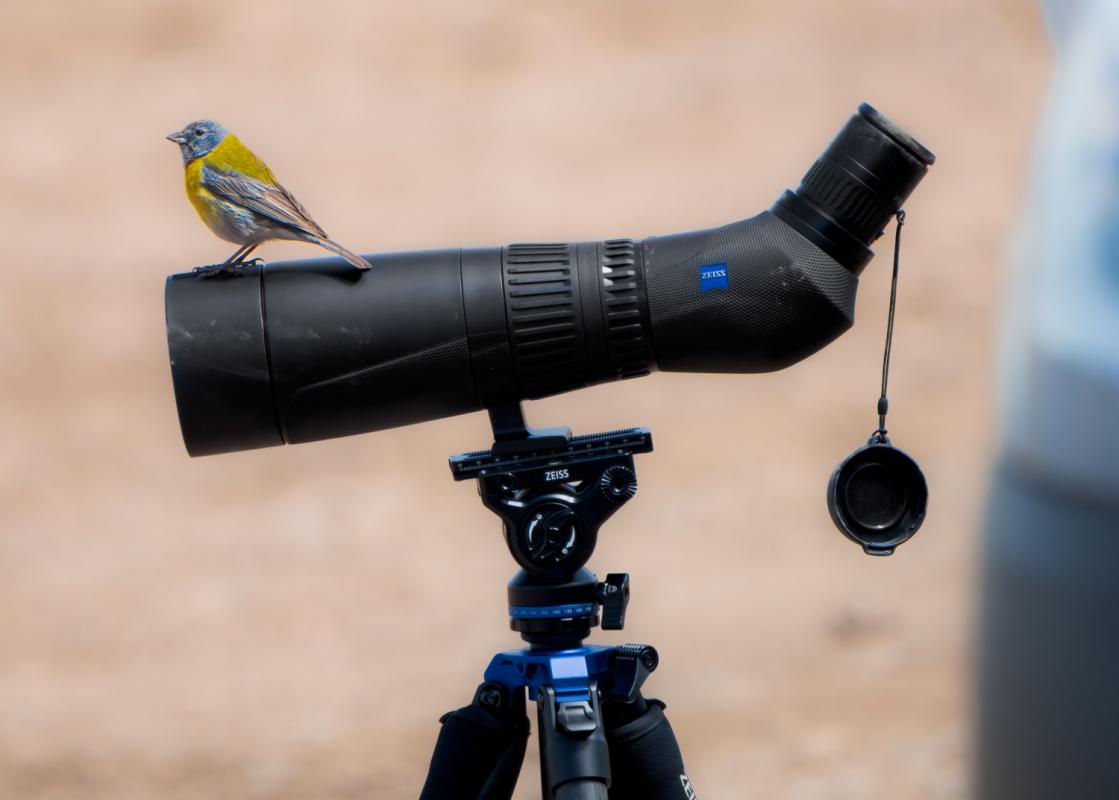
…while in the valleys above Santiago, we encountered birds such as this handsome Gray-hooded Sierra-finch…
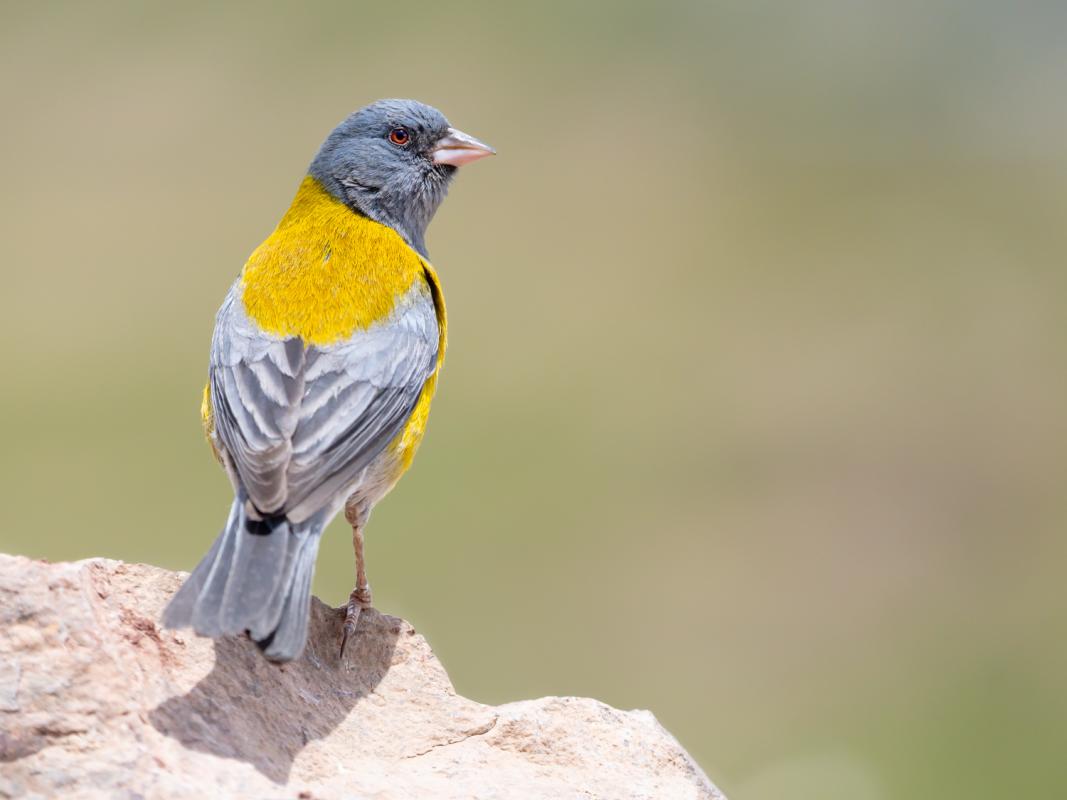
…which weren’t difficult to find(!)...
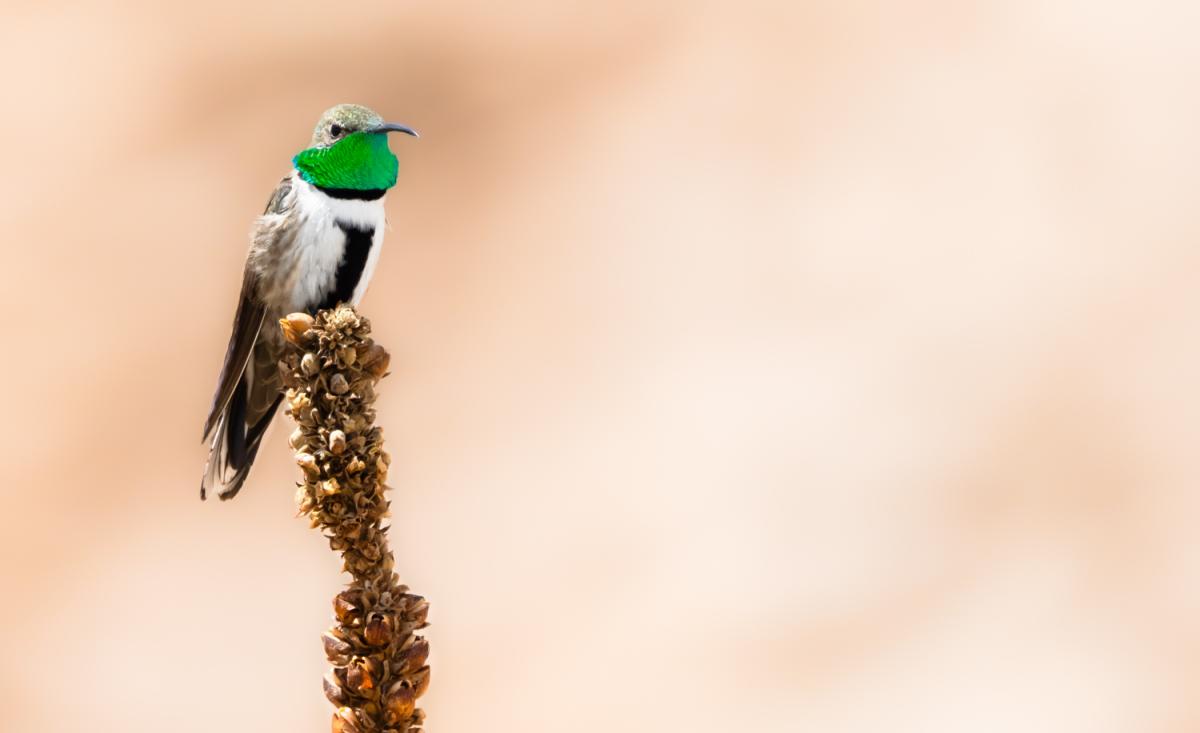
…and the smart White-sided Hillstar.
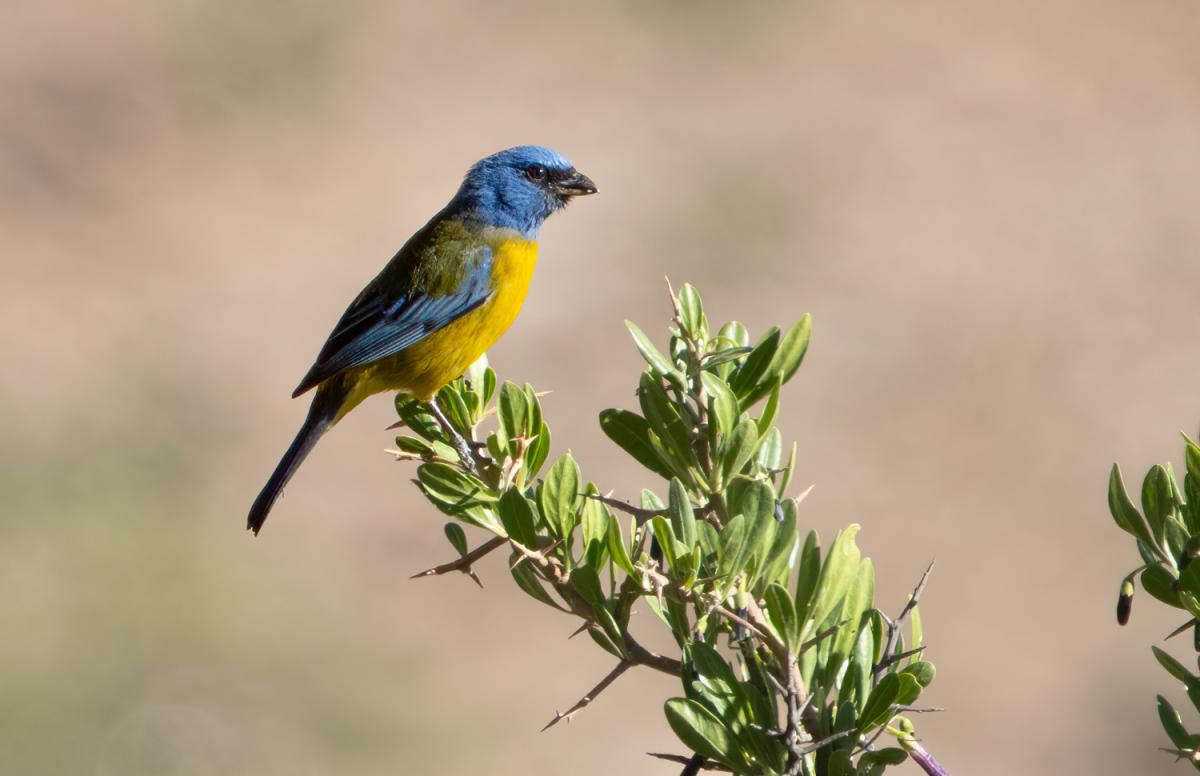
The trip finished in the north, where the birdlife becomes distinctly neotropical, with species such as this Blue-and-yellow Tanager…
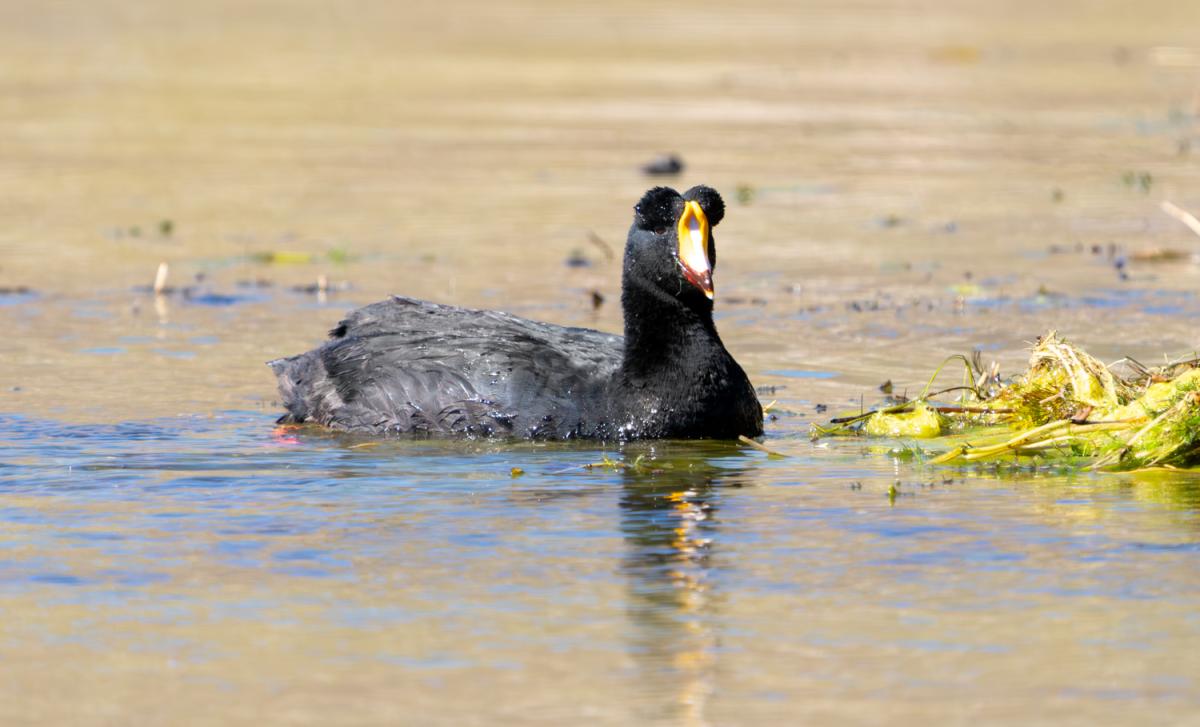
…as well ultra-high-altitude breeders, such as Giant Coot…
…and the subtle White-winged Cinclodes.

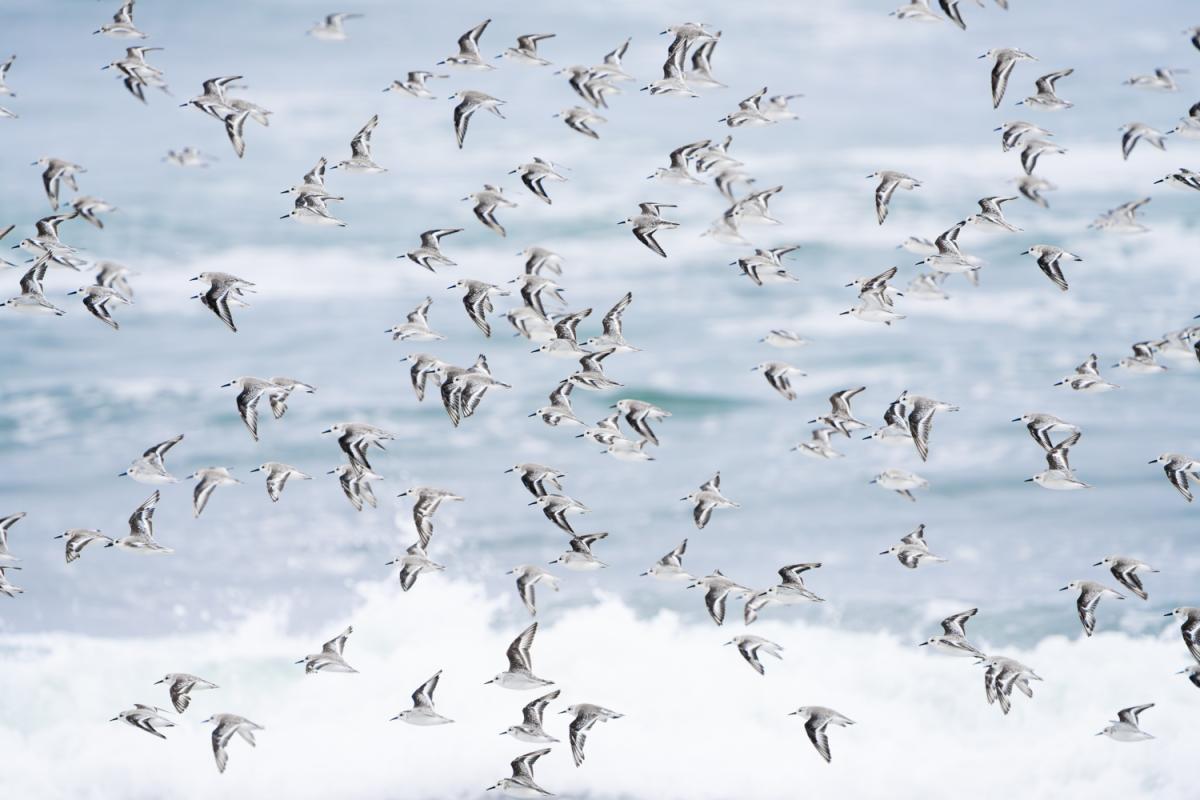
A final day back at sea-level gave us chance to recover from the thin air of the altiplano and prepare ourselves for our migration back north, just as these wintering Sanderlings will be doing in a few months from now.