Southern Argentina Field Report


We just wrapped up another exciting tour through southern Argentina from the vast pampas grasslands all the way to the end of the world.
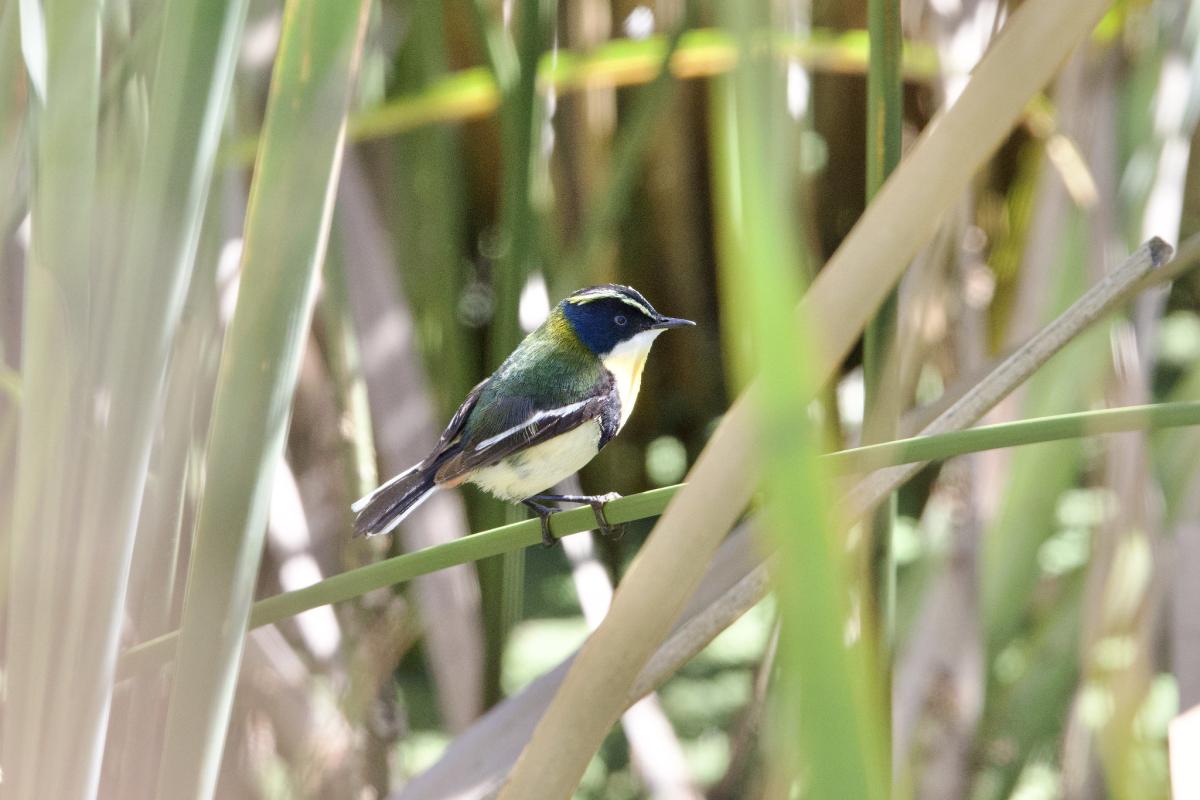
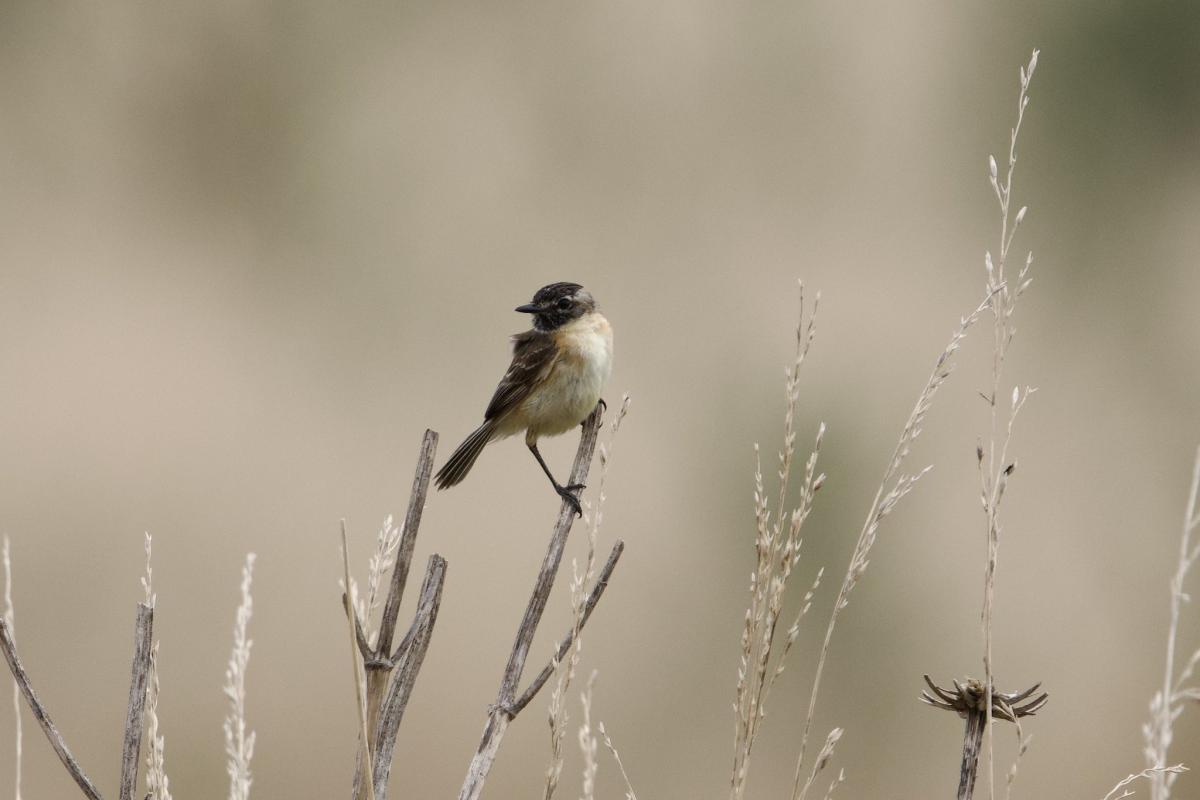
The first leg of our journey had us exploring the Rio de la Plata’s estuary surrounding San Clemente. It was a great opportunity to take in the masses of shorebirds, gulls, and terns that feed in its rich waters. In the vast marshes, we found one of our favorite birds of the trip when a male Many-colored Rush-Tyrant appeared and had us captivated with its pallet of colors. Just before heading back east, we birded the windswept grasslands to track down another tiny flycatcher that calls this land home. A male Bearded Tachuri took time away from singing to come in for close inspection.
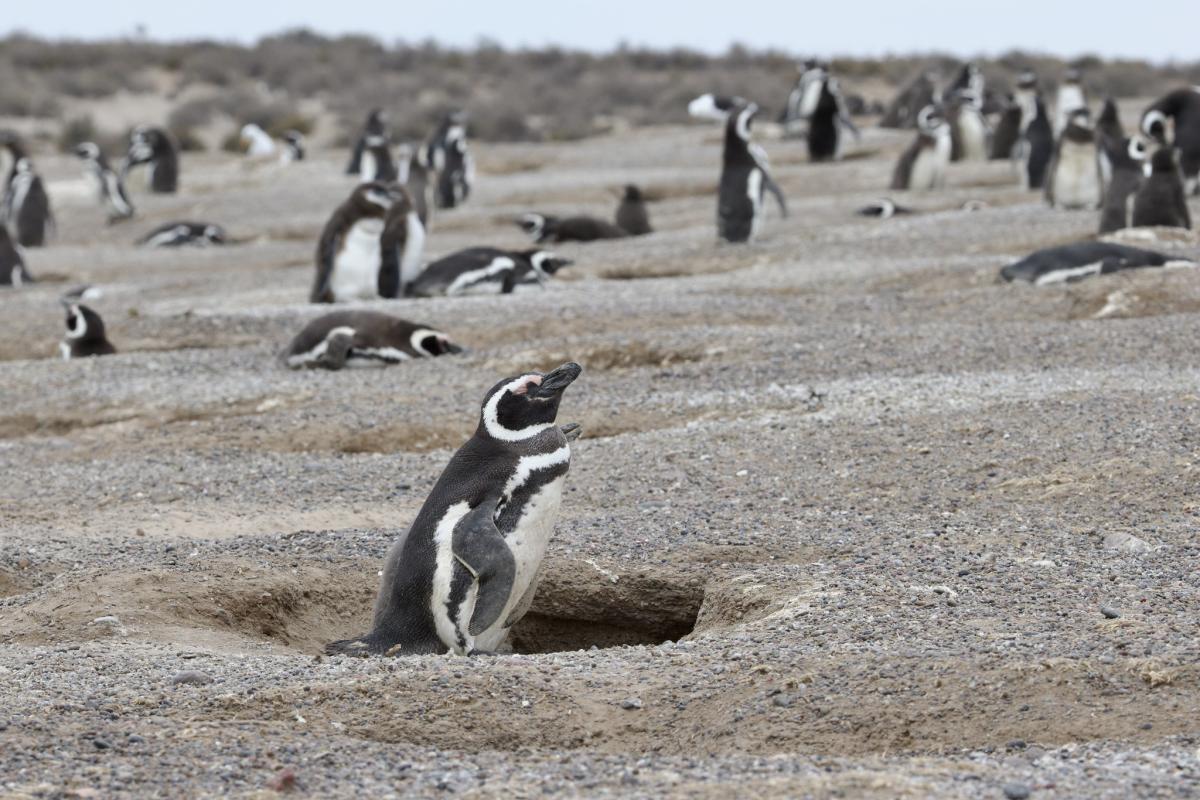
The next part of our journey took us to the rugged central Patagonia coast and the abundant wildlife that calls it home. One main reason we come here is the unforgettable sensory experience of walking through a colony of 130,000 nesting pairs of Magellanic Penguins.
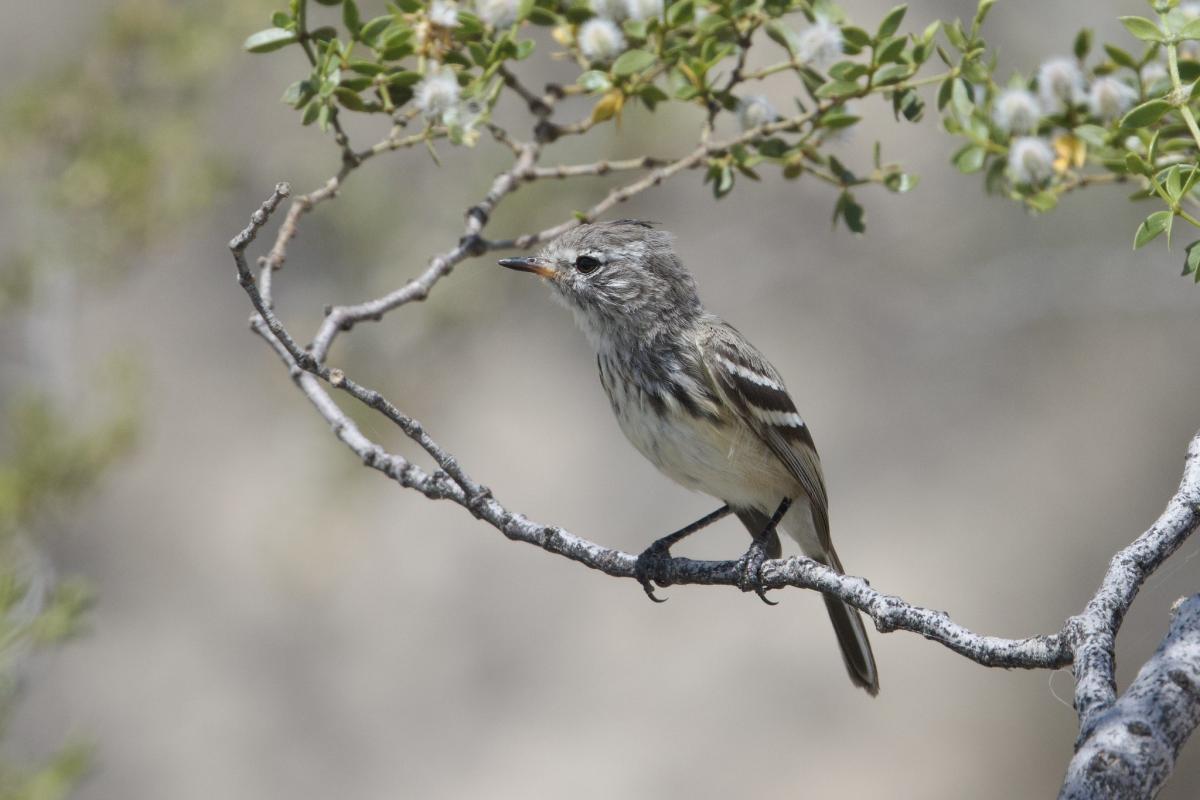
The surrounding areas are covered in monte desert, one of the unique habitats Argentina boasts. One species that calls this region home is the Yellow-billed Tit-Tyrant. Although small, there’s a lot of might wrapped up into this tiny package.
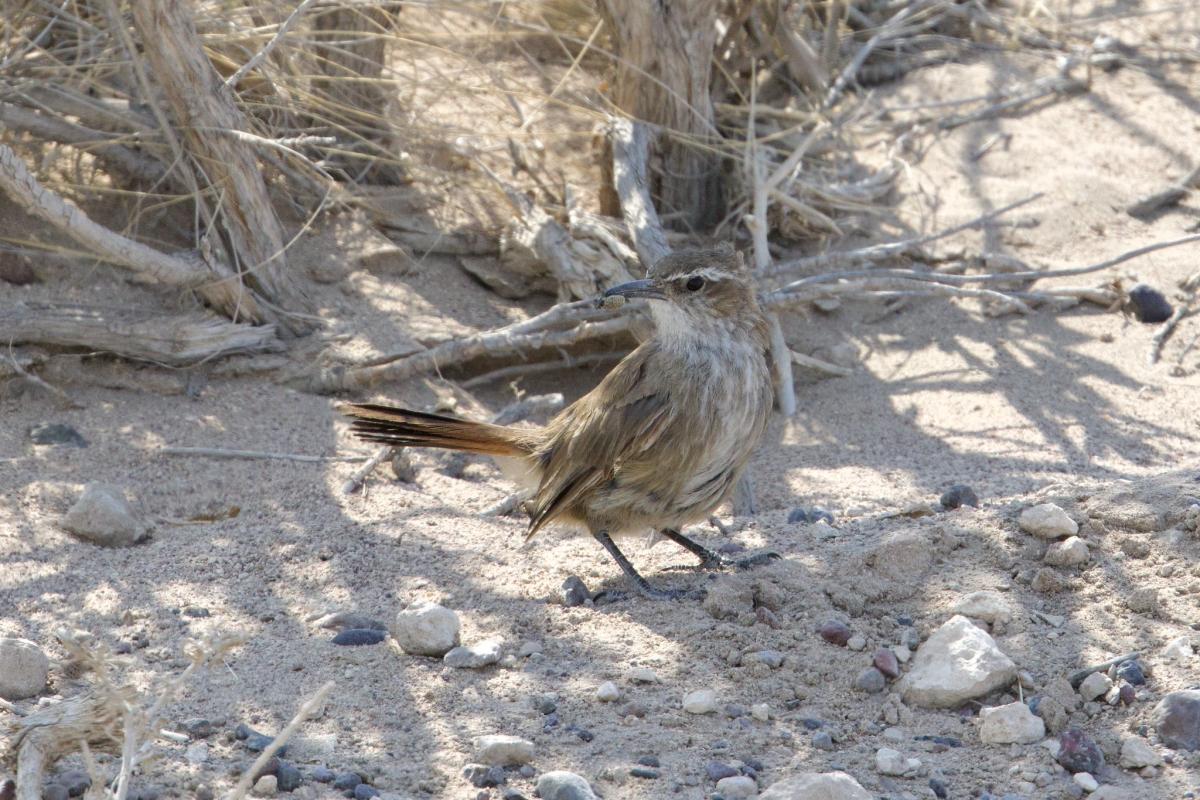
Another near-endemic species we took time to study was the Band-tailed Earthcreeper. We found one along a dusty two-track and watched as it repeatedly smashed its prey on the ground before likely heading back to hungry young.
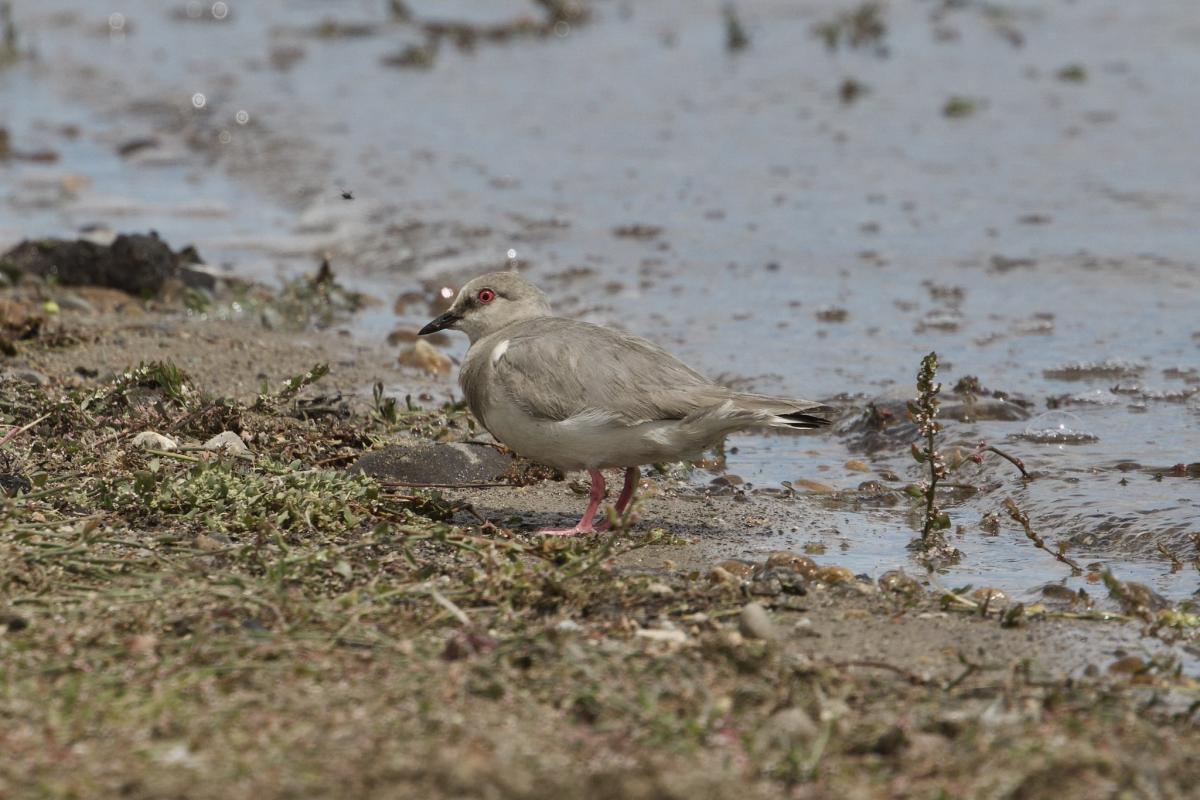
We then headed southwest to El Calafate where we took in the sights and sounds of the calving Perito Moreno glacier. We strolled along the turquoise glacial waters of Lago Argentino in search of a Magellanic Plover, a main target for the tour. After seeing one on a distant island, we decided to walk away and just as we did, one of these odd ‘shorebirds’ landed at our feet allowing an unsurpassed photographic opportunity.
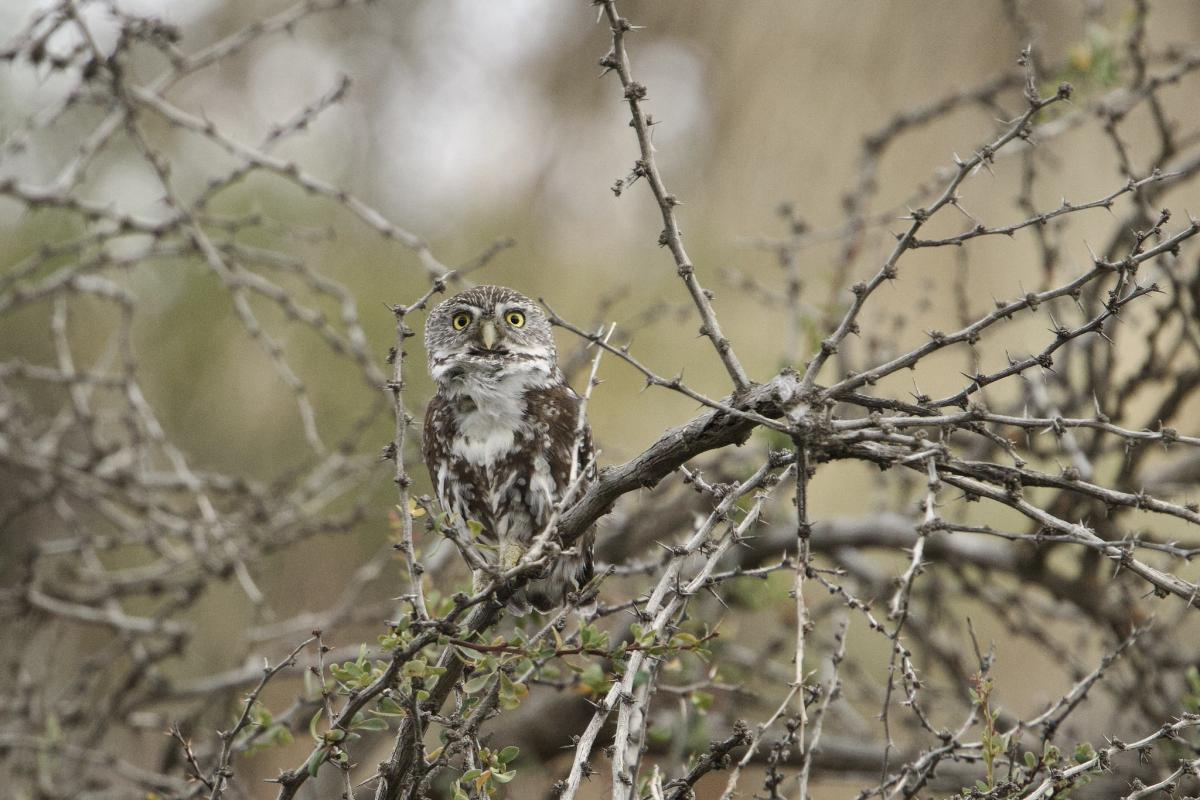
We also encountered several Austral Pygmy-Owls while exploring the countryside. One was spotted in an area without any trees and instead favored large Calafate bushes for its hunting grounds.
Our last area left to explore was around Ushuaia, which sits comfortably on the scenic shores of the Beagle Channel.

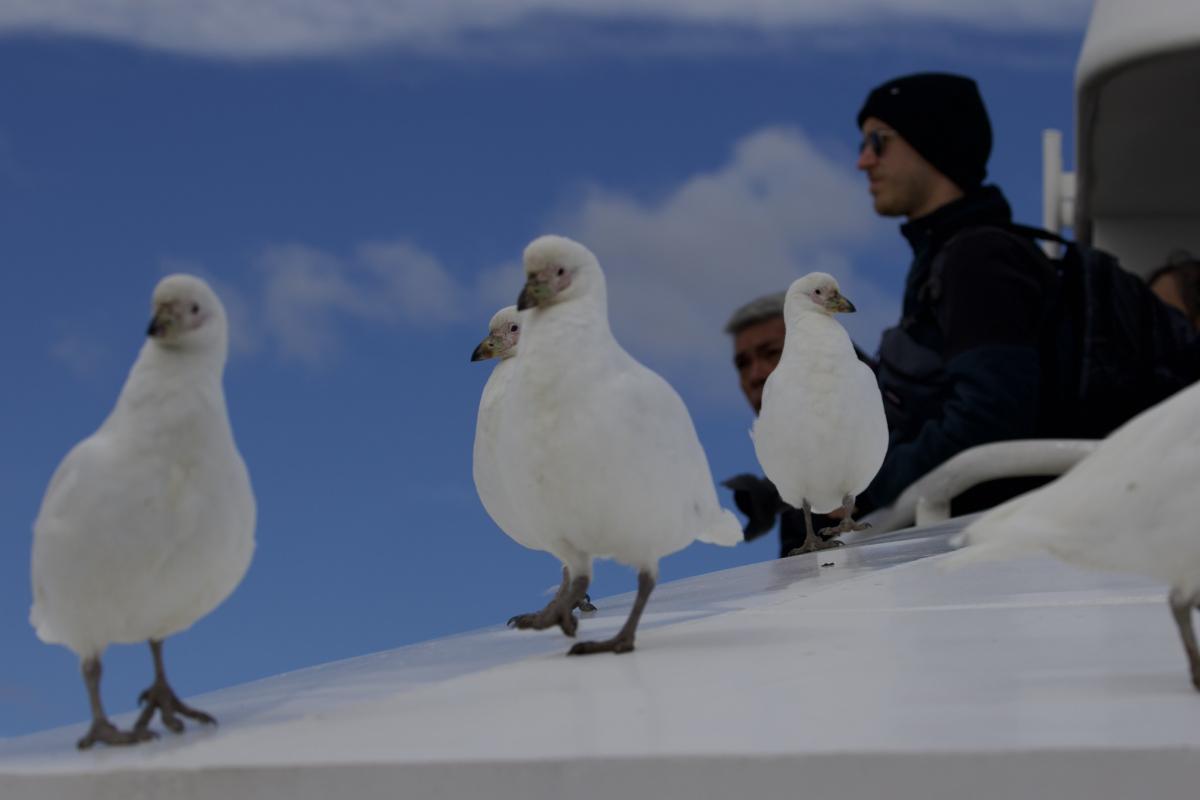
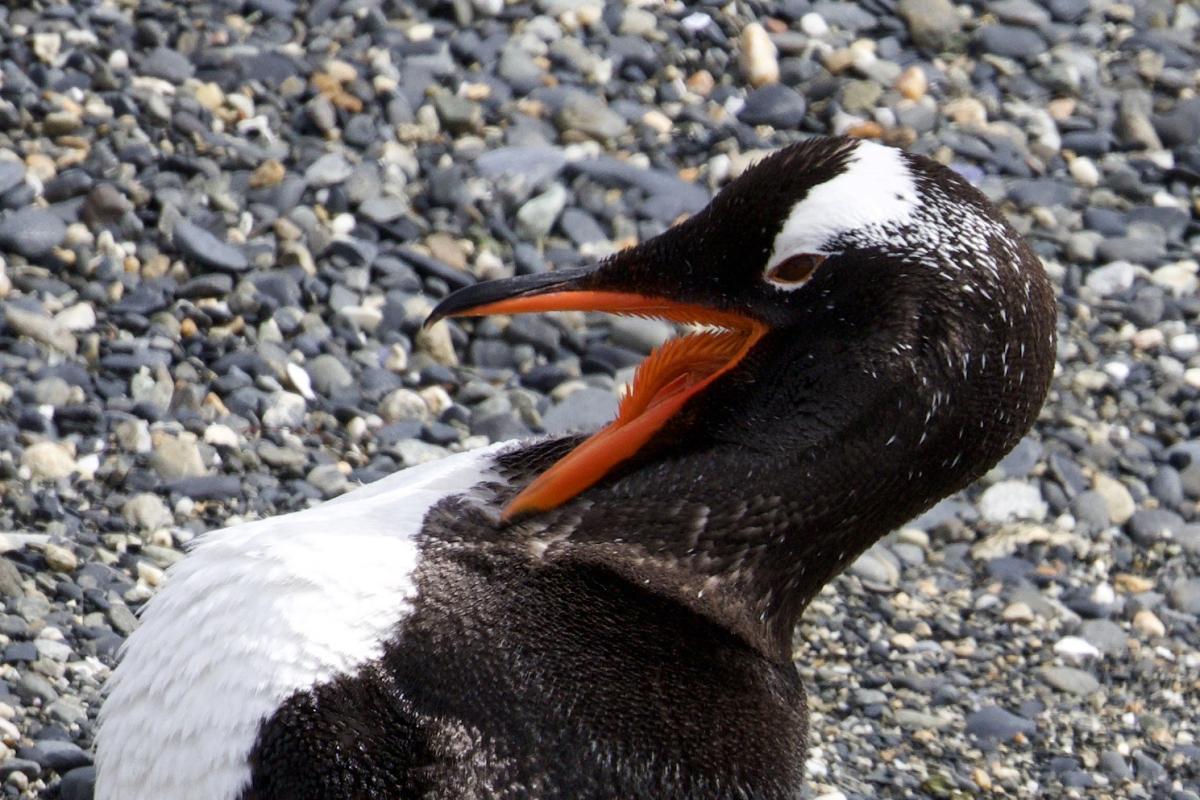
Our boat trip down the protected waters of the channel was a blast. At one point, 5 Snowy Sheathbills came in and landed on our vessel, close enough for selfies to ensue! Just before turning around and heading back to town, we stopped at a Gentoo Penguin Colony where over 125 of these mostly pelagic birds were nesting.
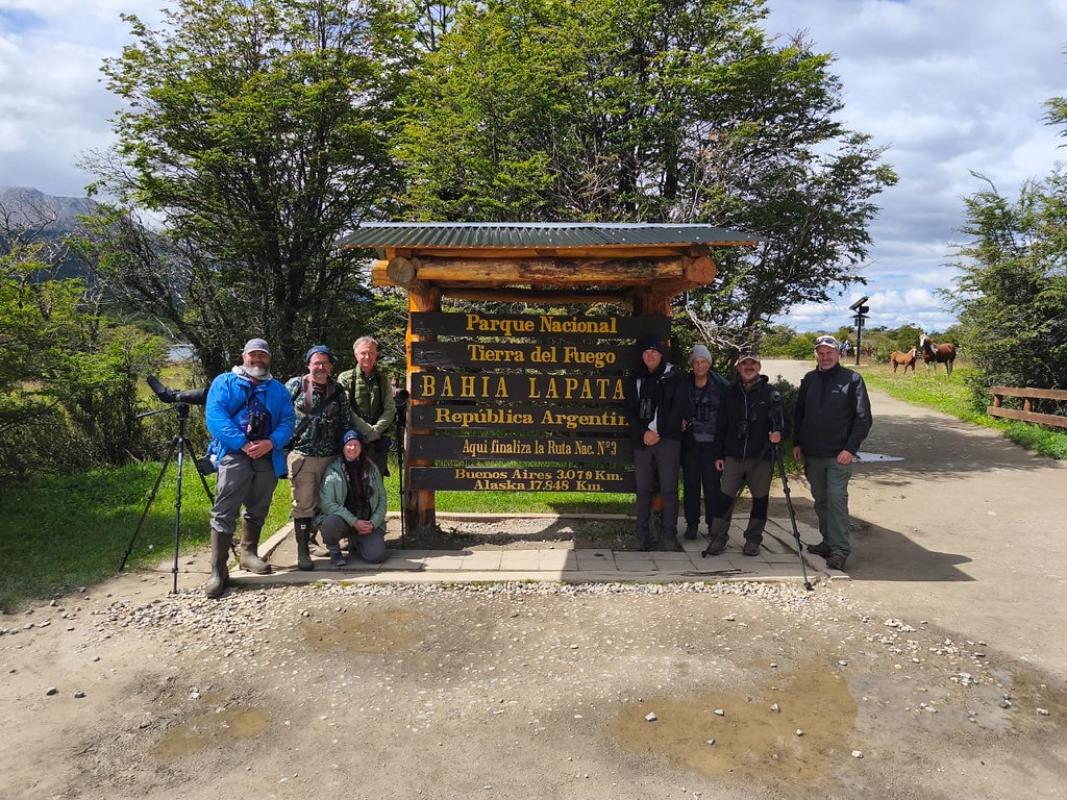
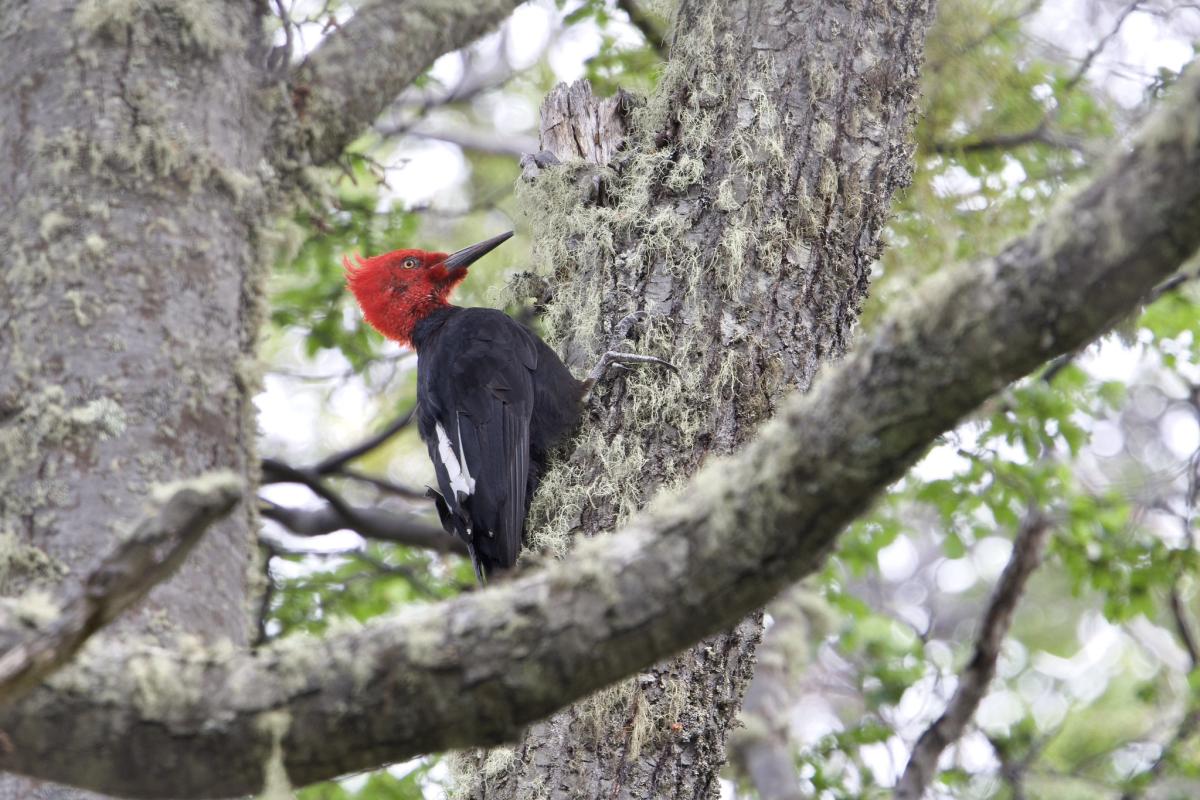
Tierra del Fuego National Park isn’t to be missed. It protects a large portion of Southern Beech Forest and the birds that inhabit it, including the majestic Magellanic Woodpecker.
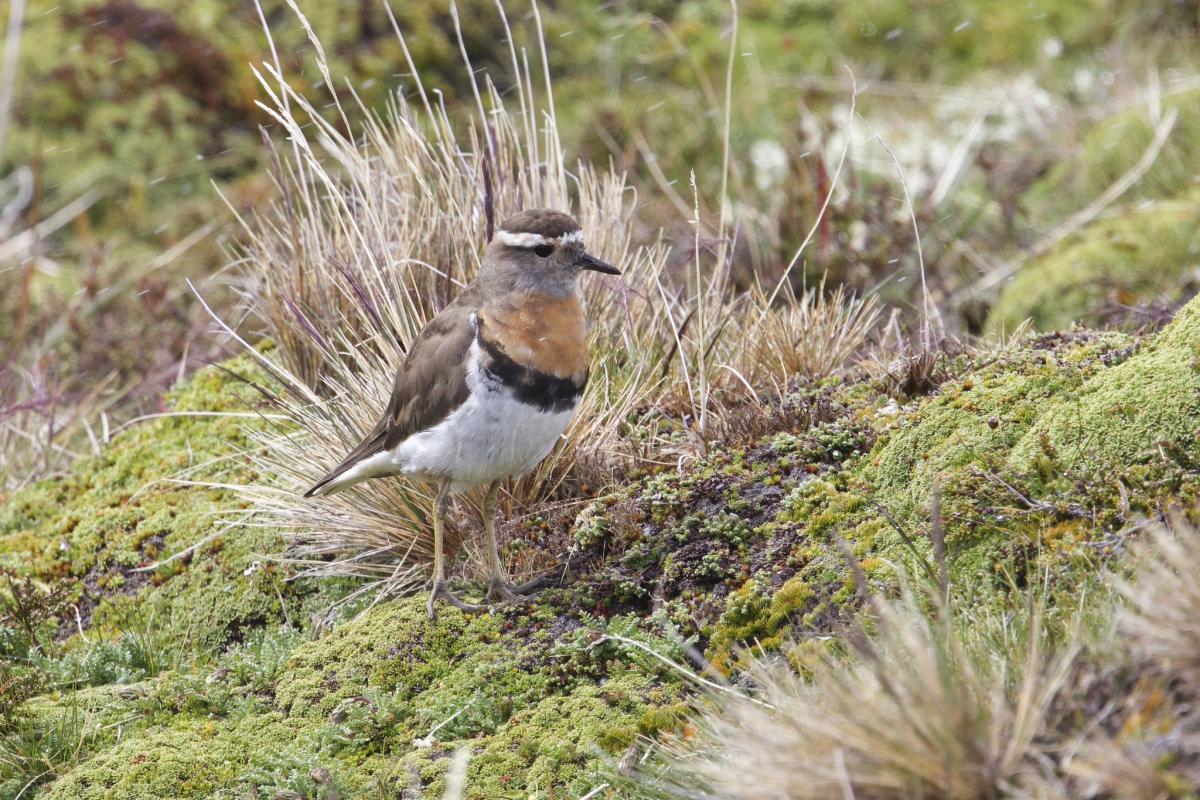
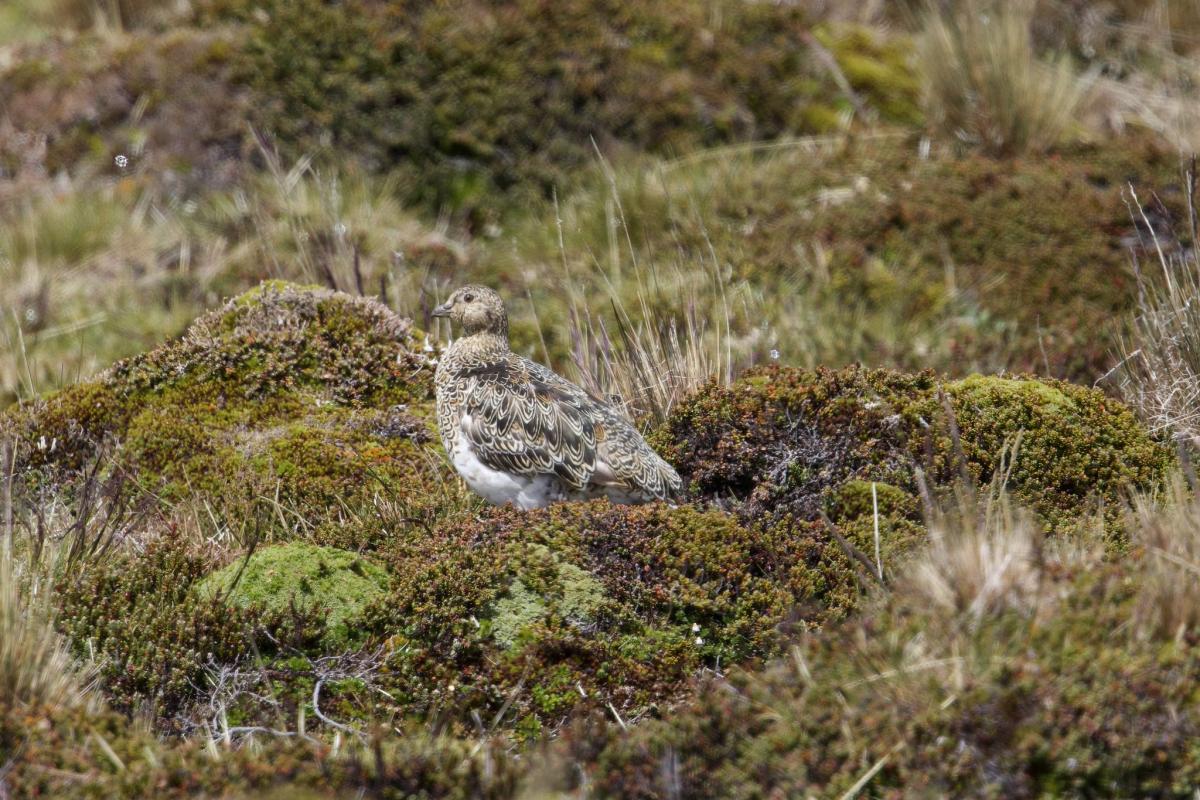
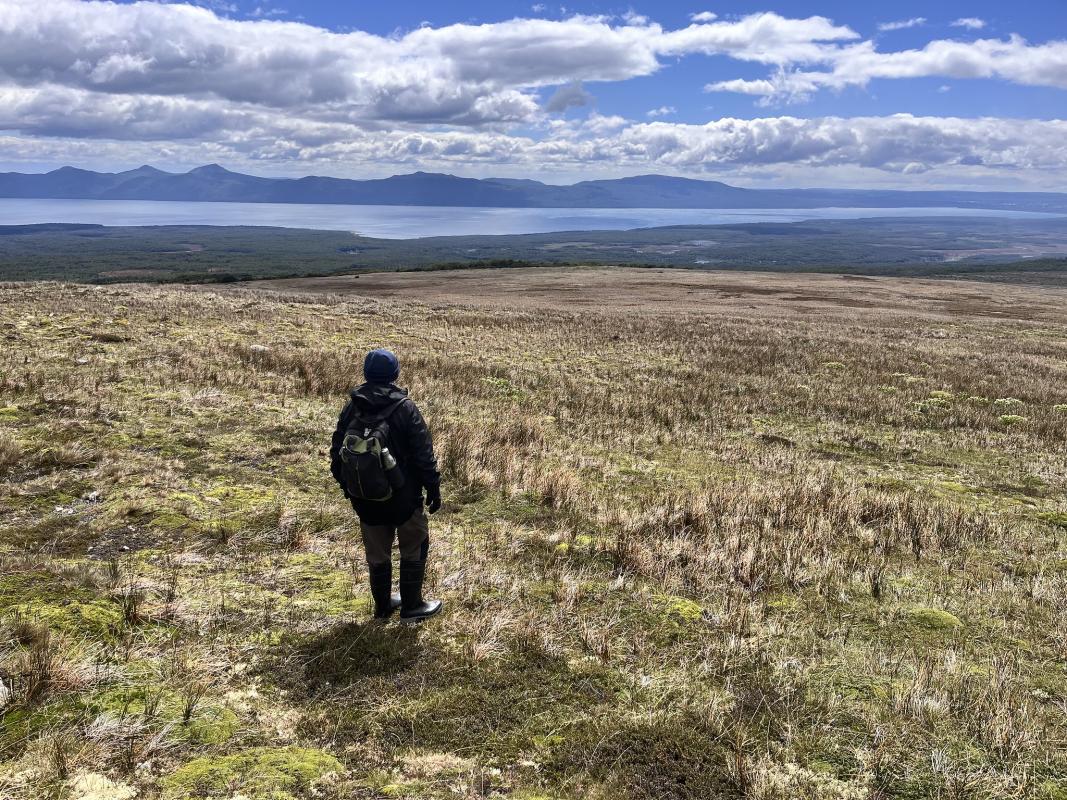
Finally, we headed above treeline to search for some of the rarest species of the trip. Rufous-chested Dotterels were common, sporting their breeding colors and running around with tiny fluffball young. After some searching, we finally found a specialty bird of the region when a group of 5 White-bellied Seedsnipe crossed our paths.