Chile North to South


Once again, we had a fantastic trip through the spectacular country of Chile, rewarded with a long list of incredible birds and impressive scenery.
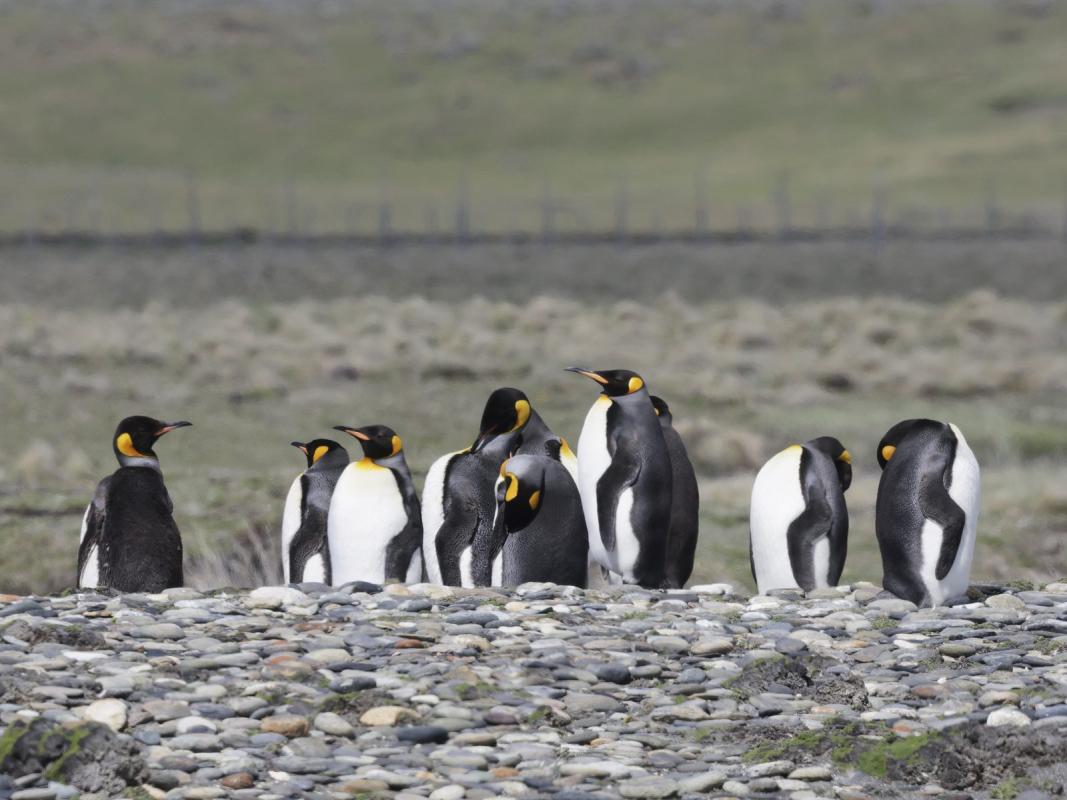
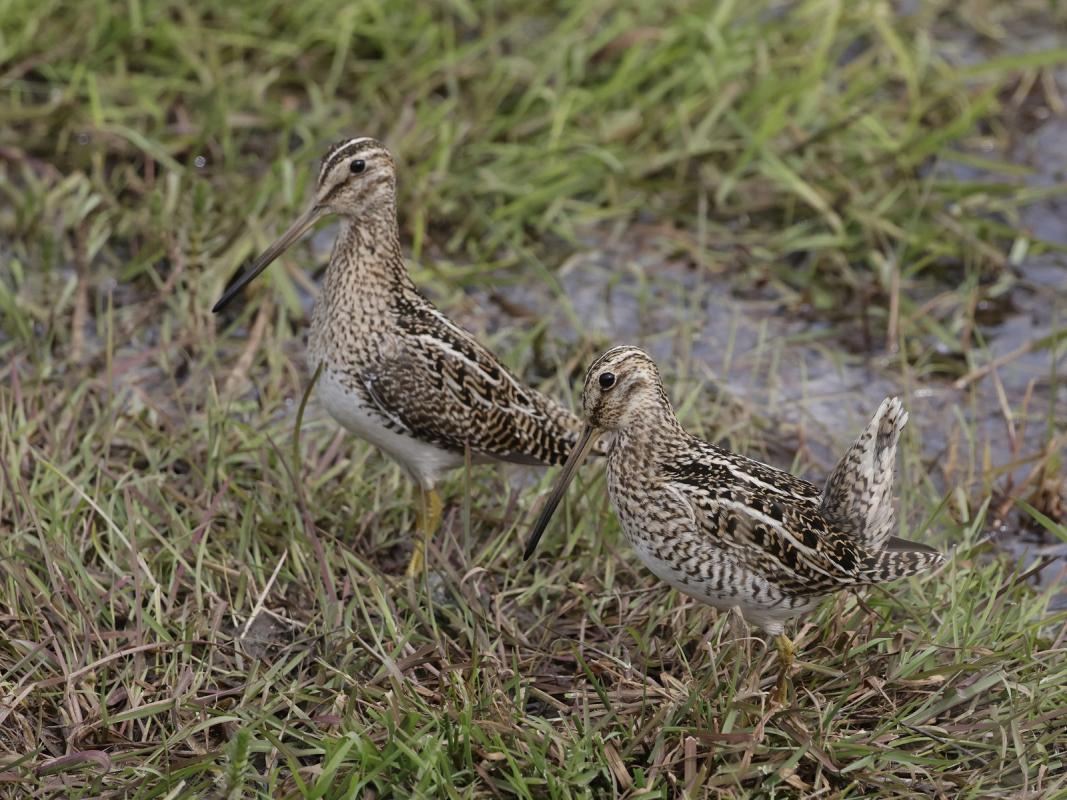
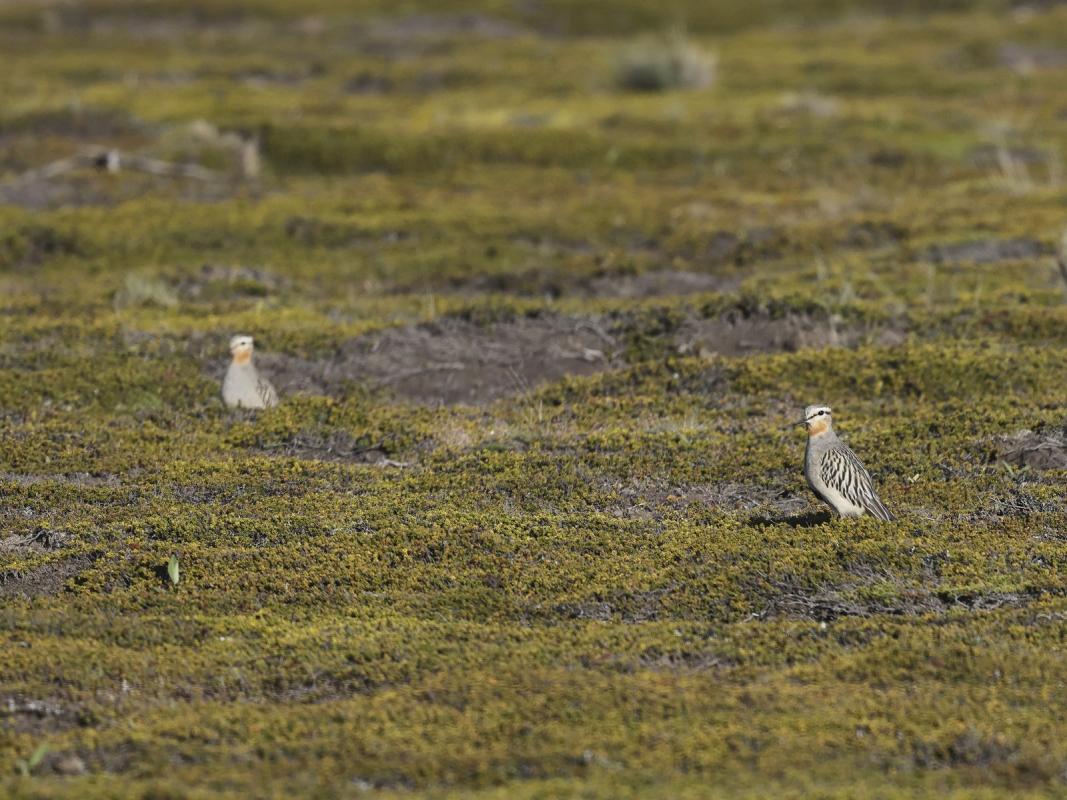
Starting in Patagonia, we had fantastic views of a pair of the unique Magellanic Plovers, as well as Tawny-throated Dotterels and Least Seedsnipes. We saw a group of King Penguins packed onto a windy Tierra del Fuego beach, Lesser Rheas running alongside Guanacos on the Patagonian steppe, a displaying pair of Magellanic Snipe, the endangered Ruddy-headed Goose, and more!
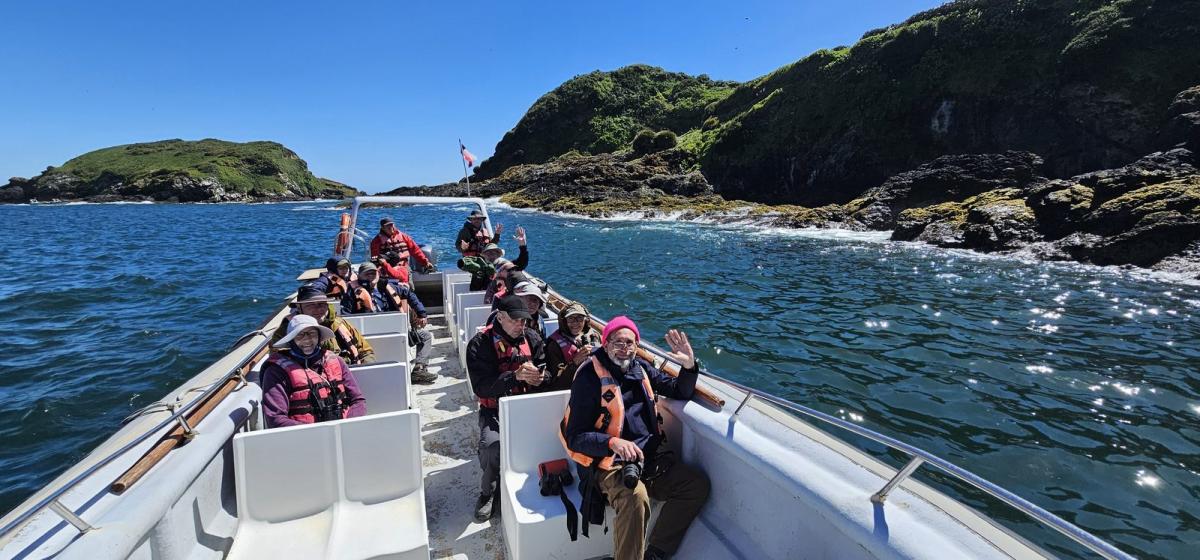
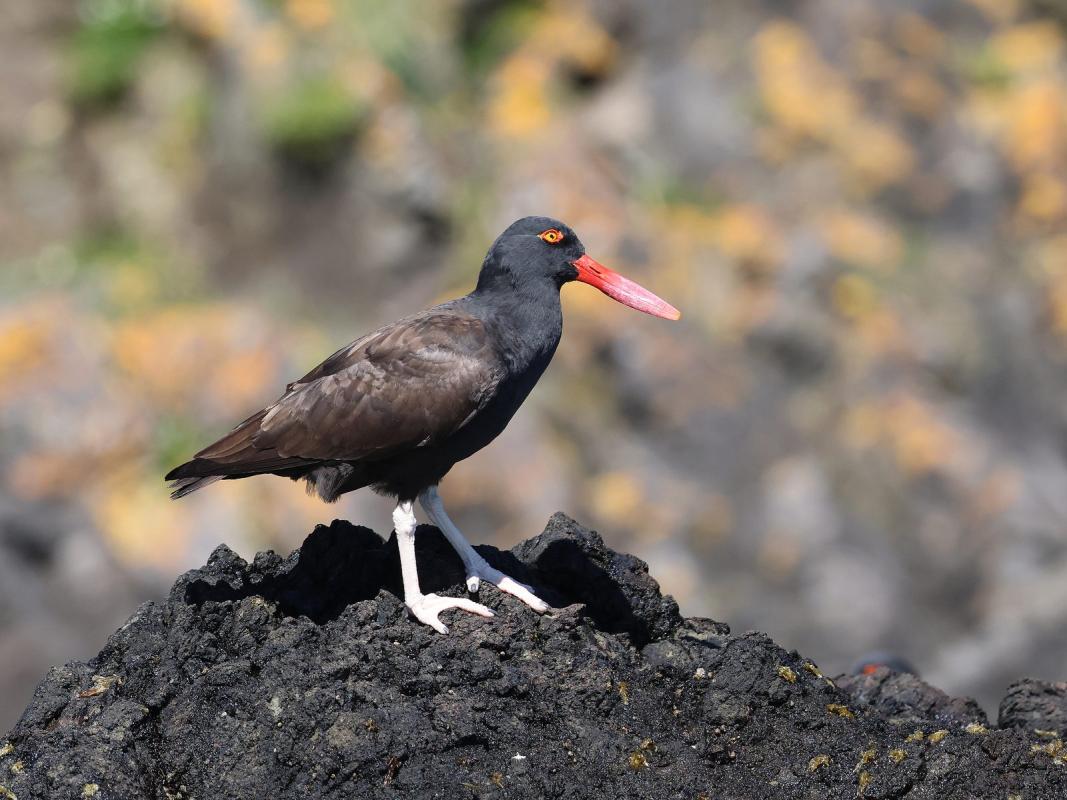
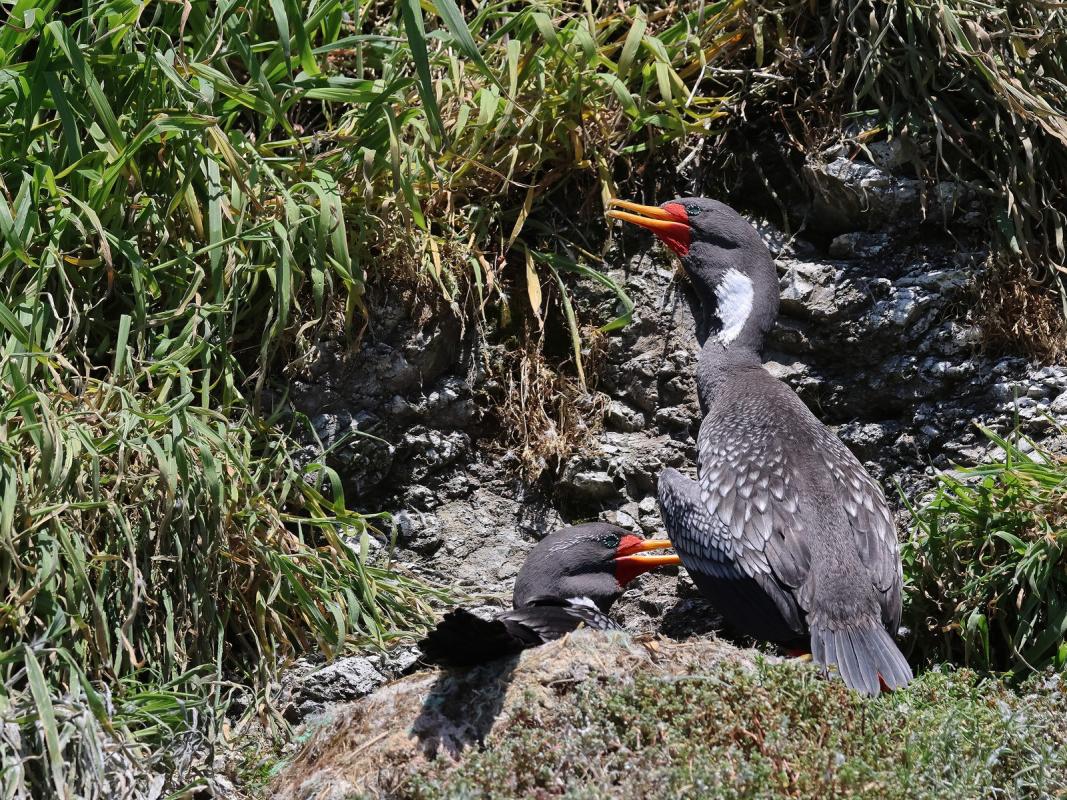
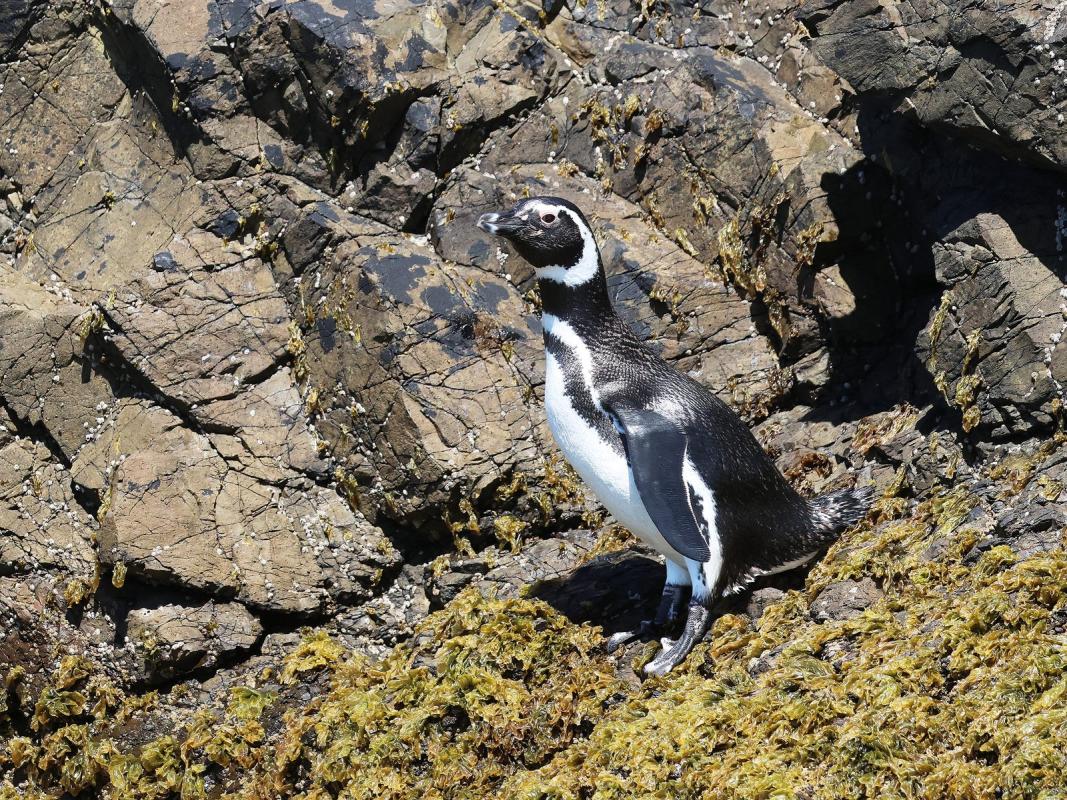
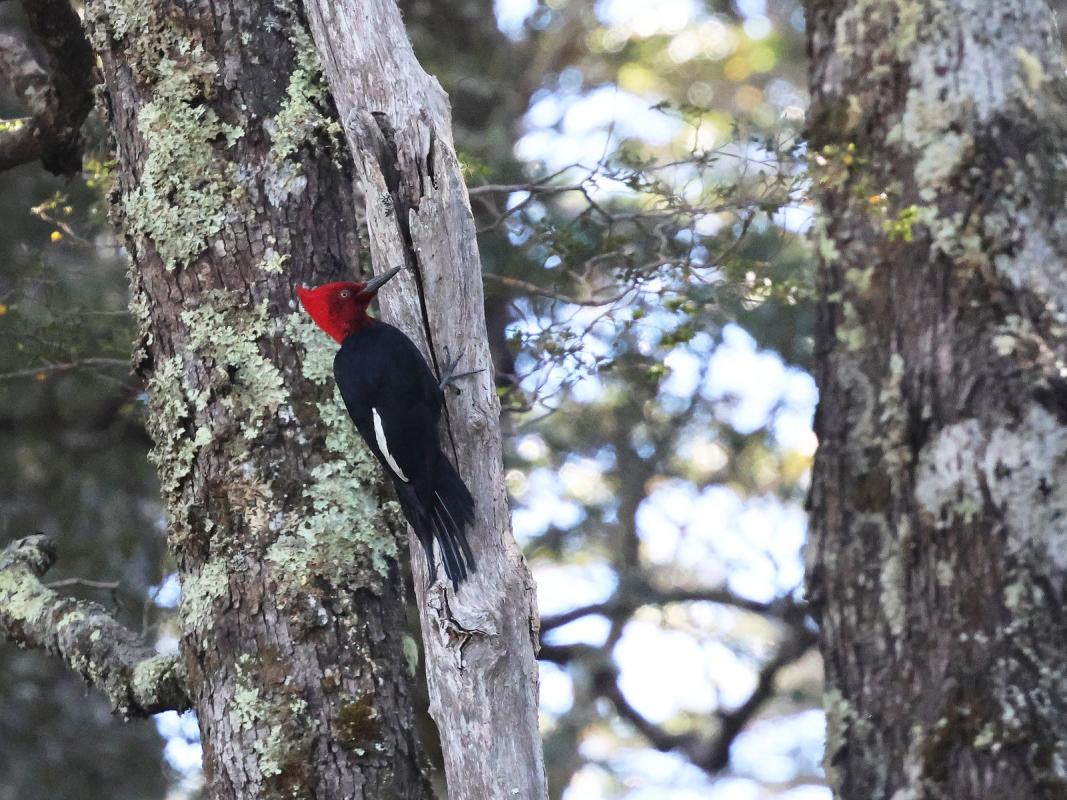
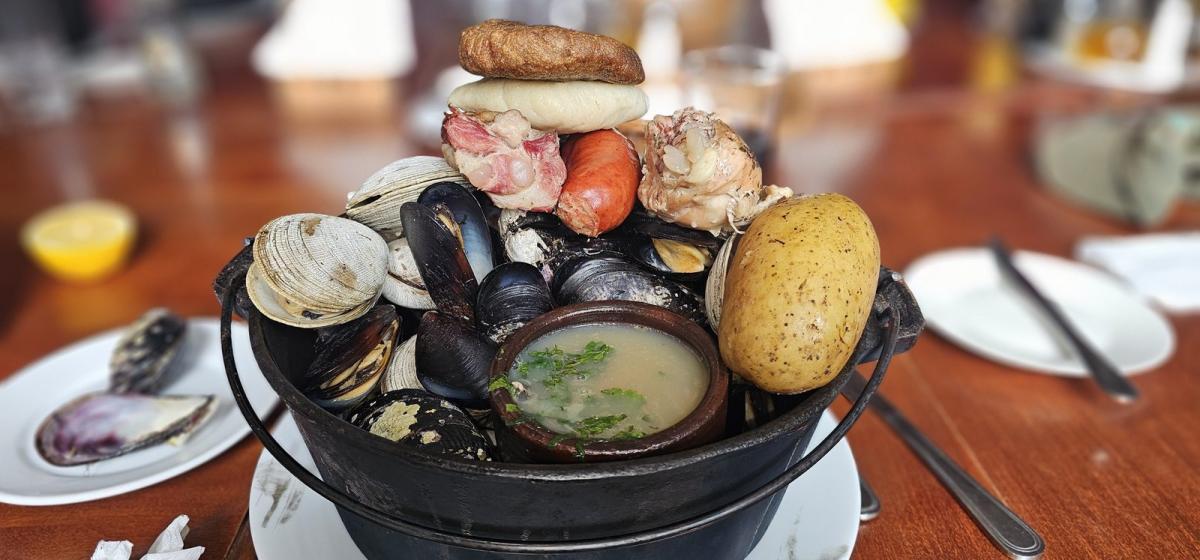
Outside of Puerto Montt, we enjoyed the majestic Nothofagus forest, where we saw and heard the fantastic Chucao Tapaculo, along with plenty of other stunning birds such as Magellanic Woodpecker, Black-throated Huet-huet, Des Murs's Wiretail, Slender-billed Parakeet, and White-throated Treerunner! We also had a lovely excursion to Chiloé Island, where a boat ride took us to a small colony of Humboldt and Magellanic Penguins, and we found Flightless Steamer-Ducks, Blackish Oystercatchers, Red-legged Cormorants, and more. It was also where we had the chance to taste curanto, a delicious traditional meal from Chiloé Island!
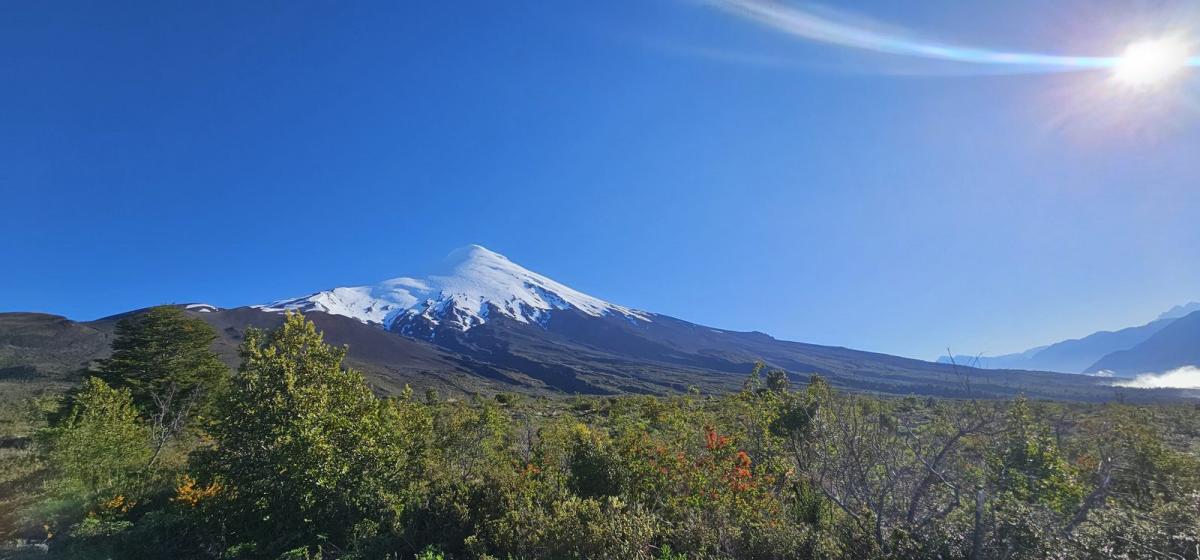

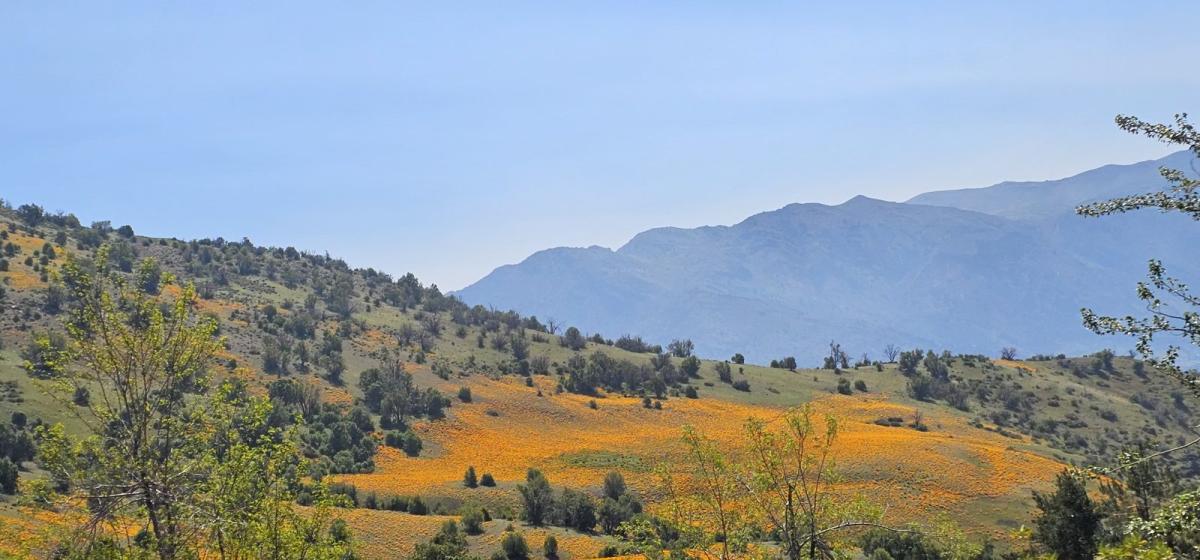
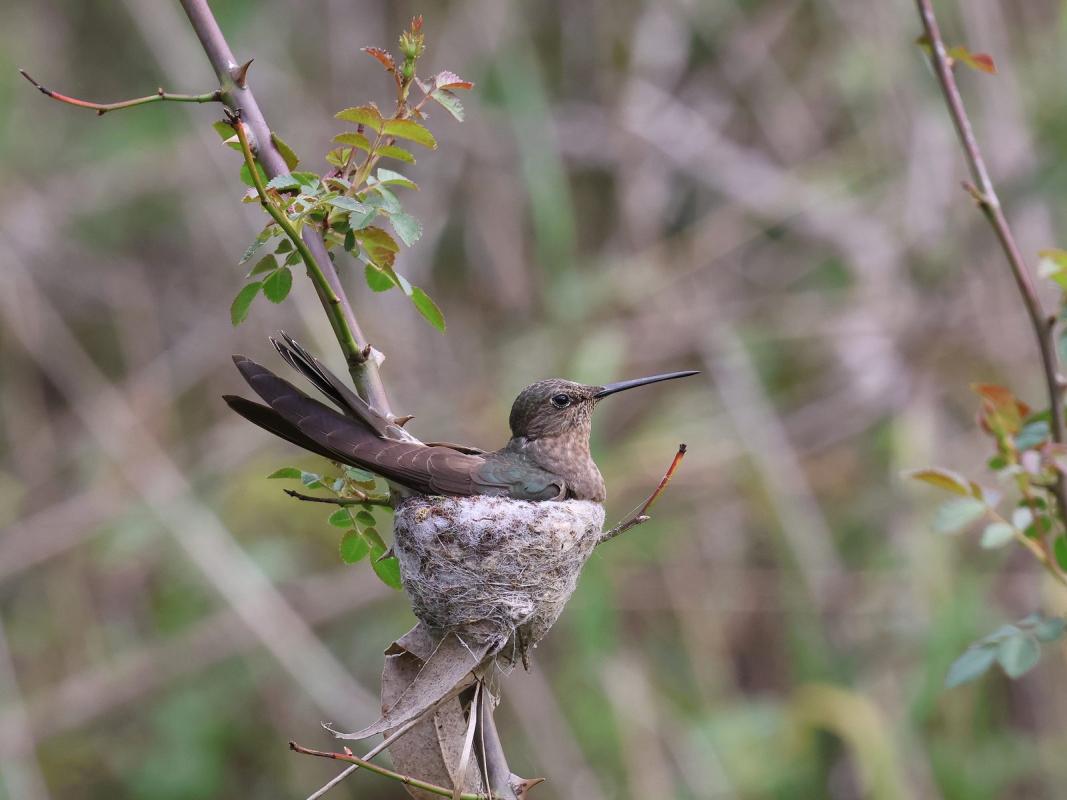
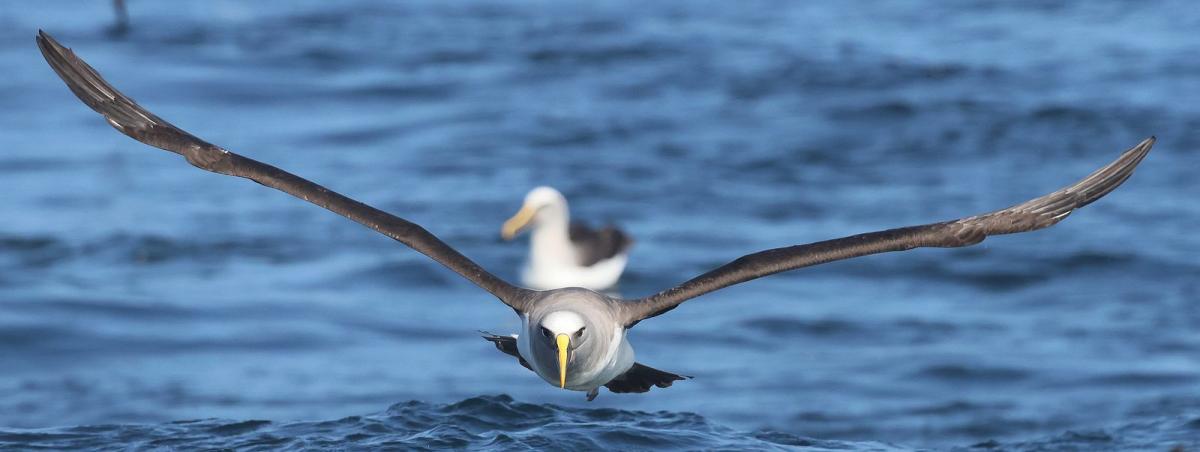
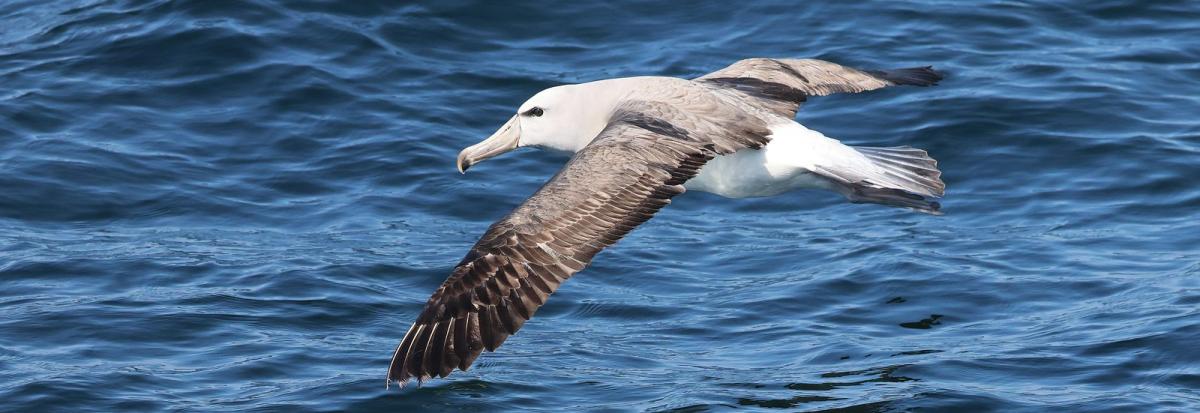
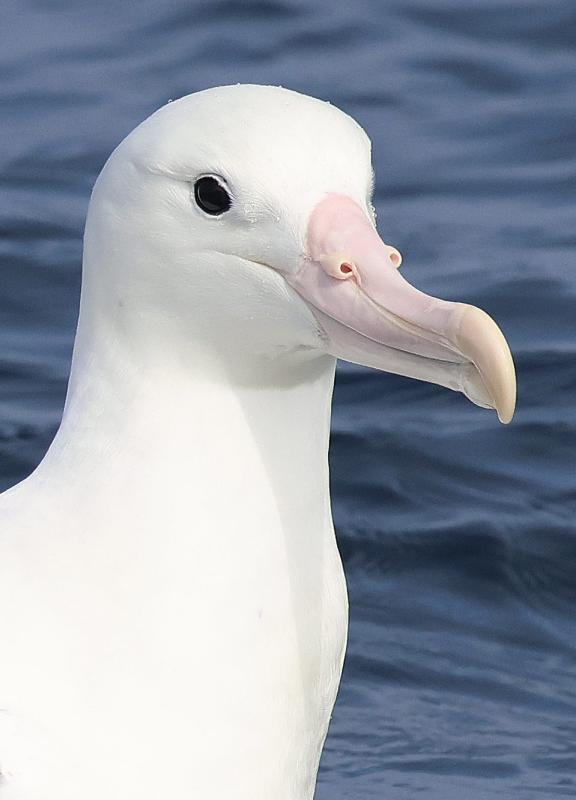
In Central Chile, we enjoyed the comical Moustached Turca running on the barren slopes of the impressive Andes while a few Andean Condors soared high in the sky. We also saw a Southern Giant Hummingbird on its nest, and had great views of Chilean Tinamou, White-throated Tapaculo, and more. We also did a memorable pelagic trip off Valparaíso, with amazing views of no fewer than four species of albatross (Black-browed, Salvin's, Buller's, and Southern Royal) and plenty of other seabirds, including the tiny, recently described (but not yet recognized) Andean Storm-Petrel.
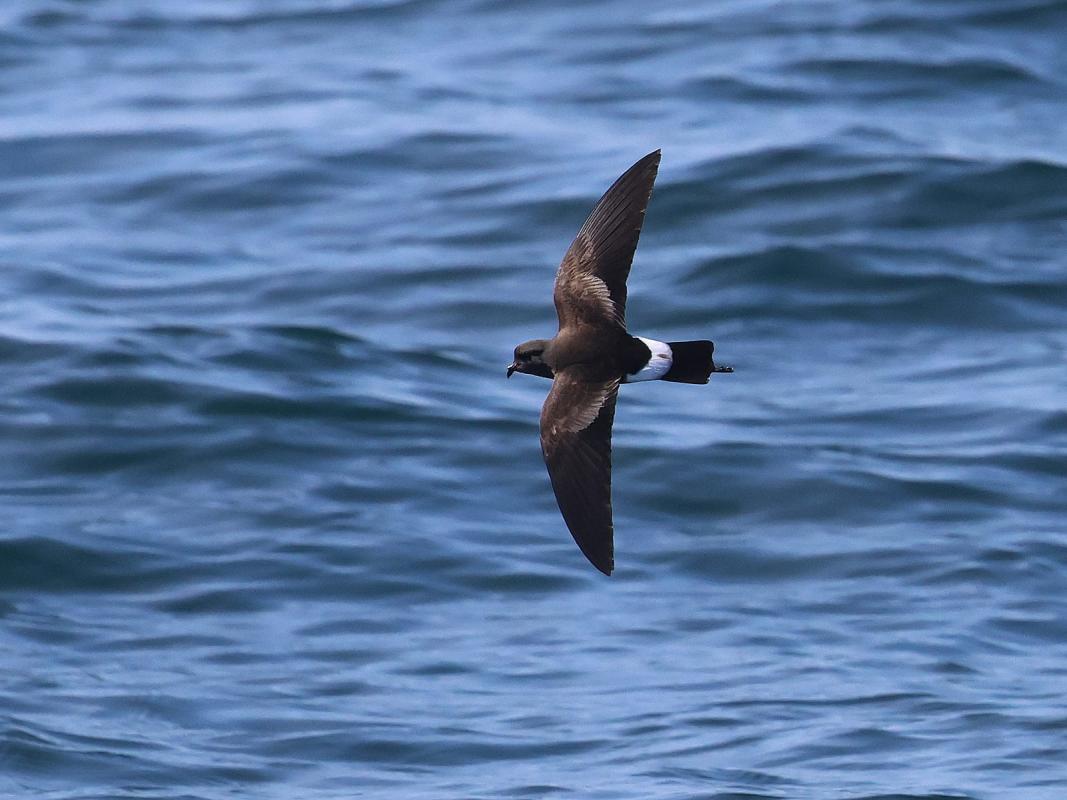
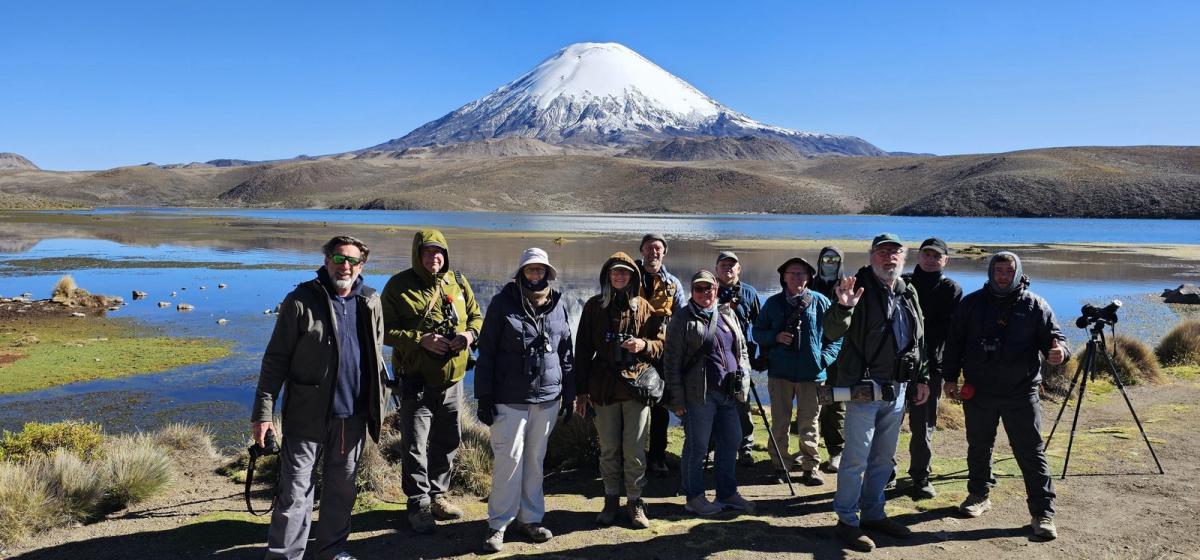
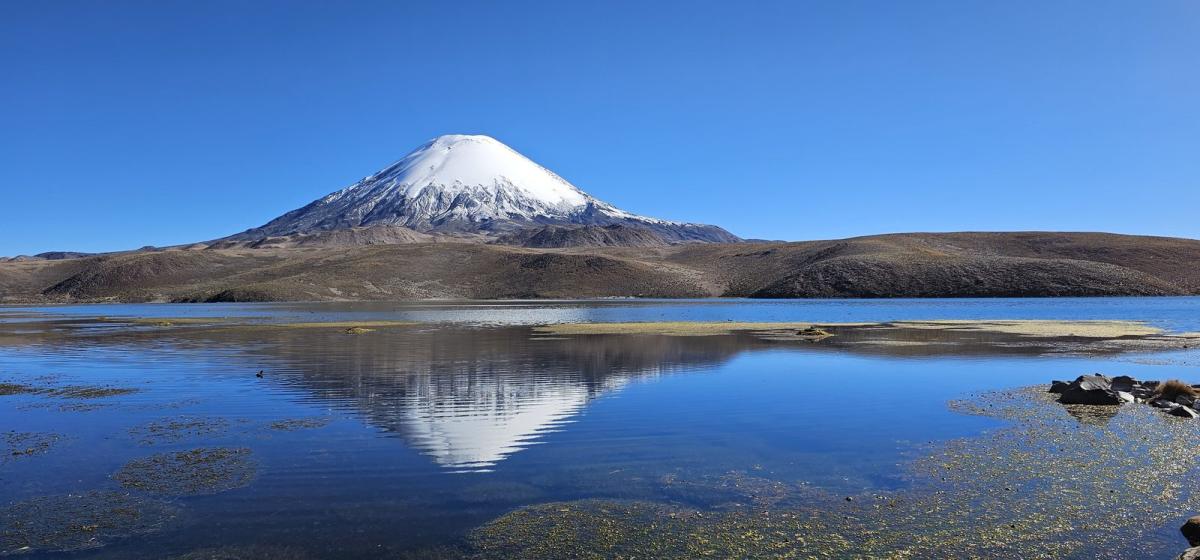
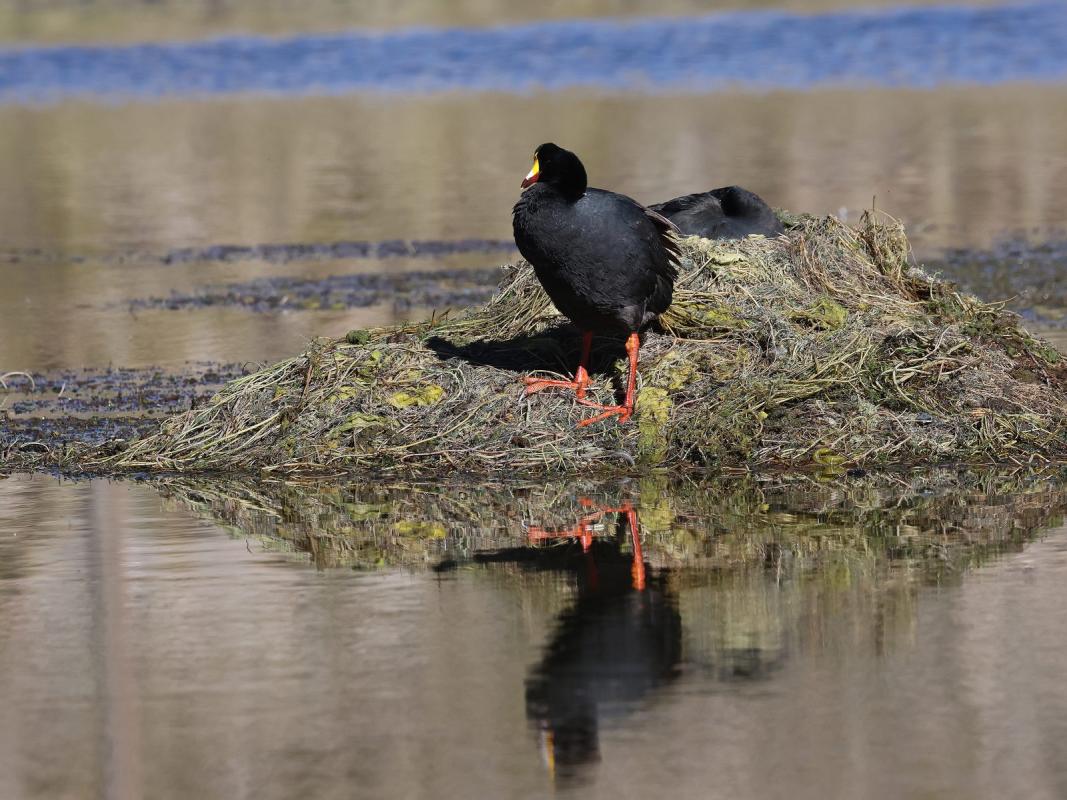
Finally, the northern part of the country rewarded us with even more impressive scenery, such as the beautiful Parinacota Volcano rising behind Lake Chungará, and the majestic altiplano steppe, where we found Giant Coot, Diademed Sandpiper-Plover, no fewer than three species of flamingo, and quite a few Mountain Viscachas (a sort of cross between a rabbit and a kangaroo).
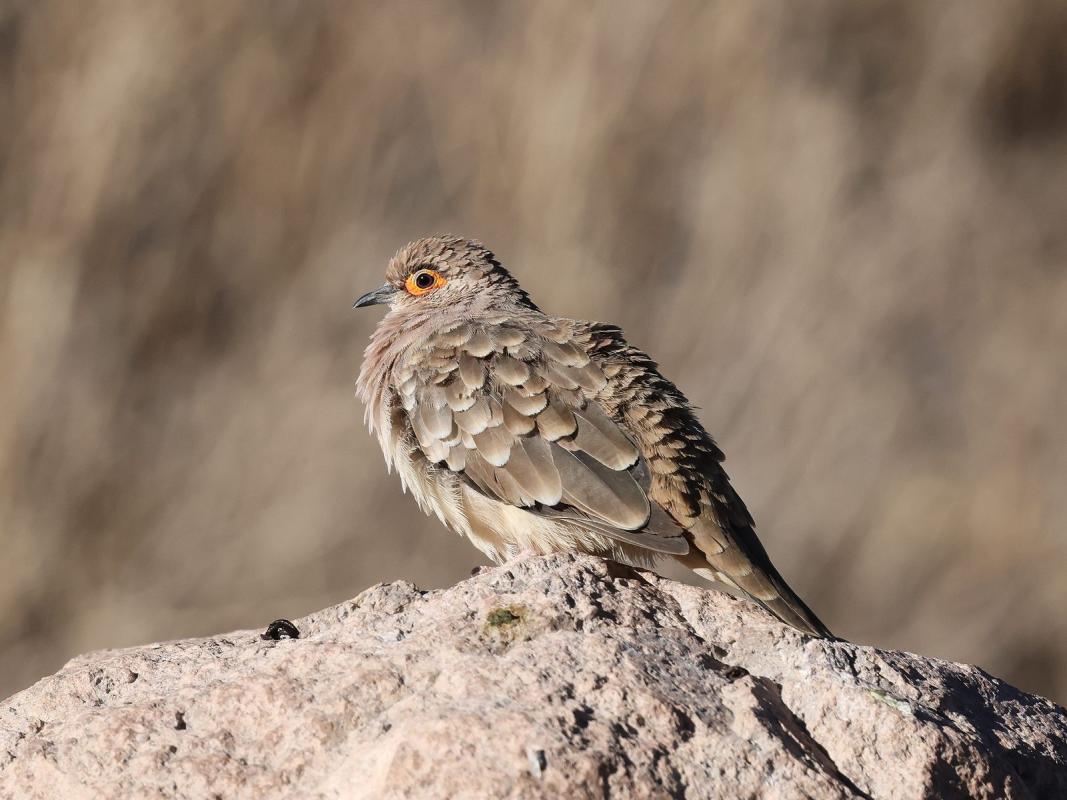
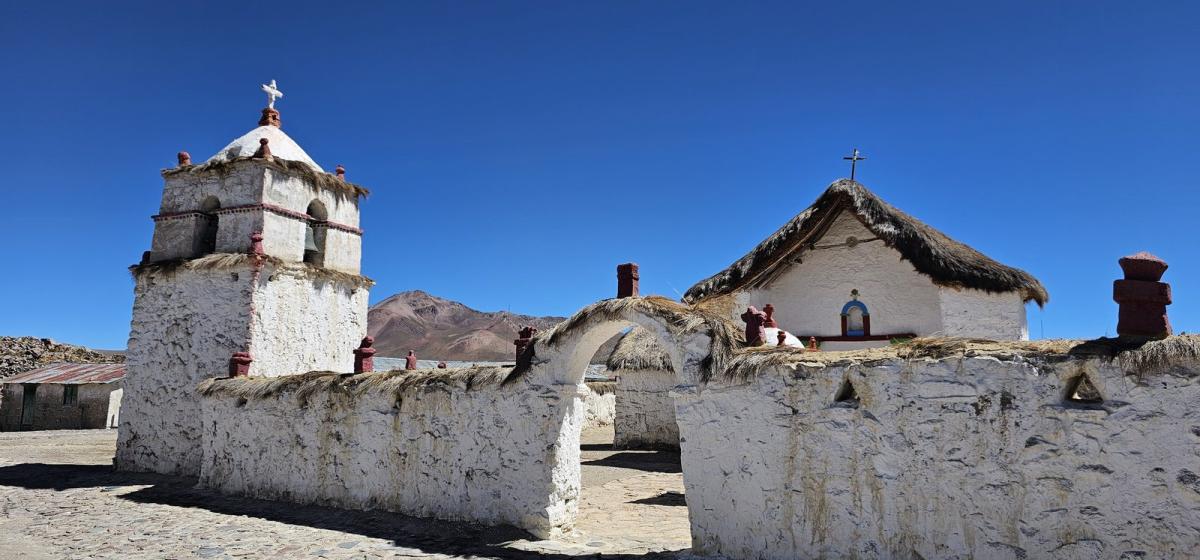
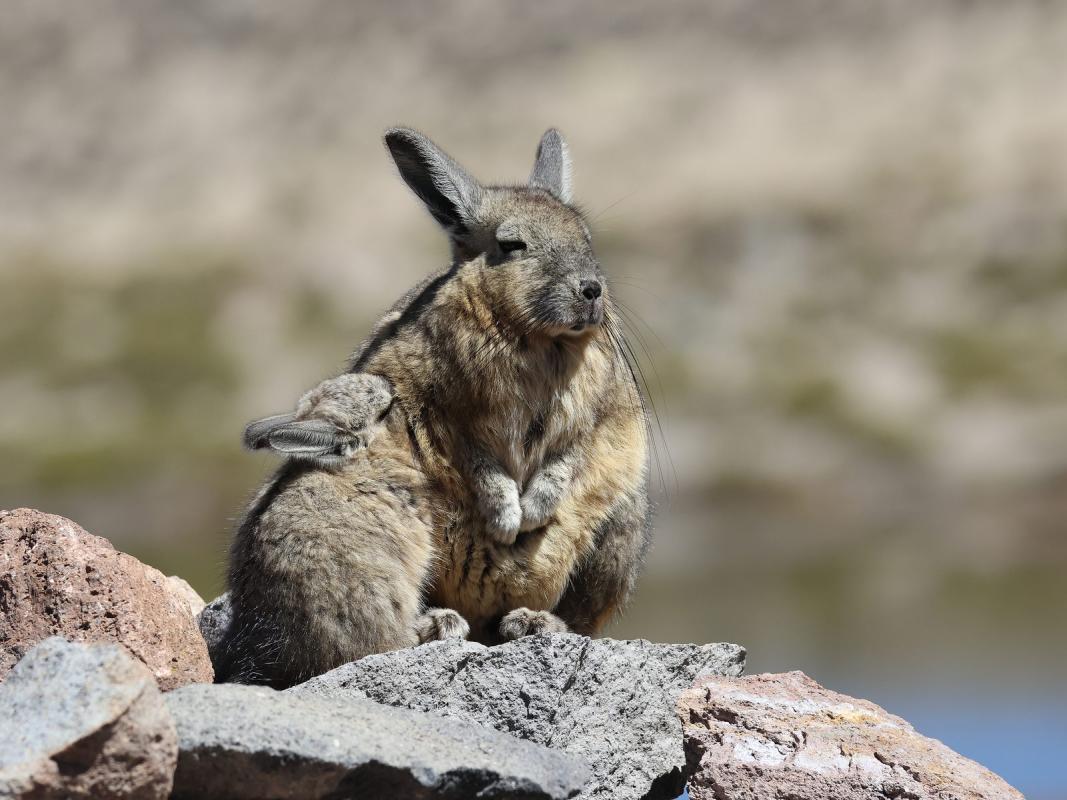
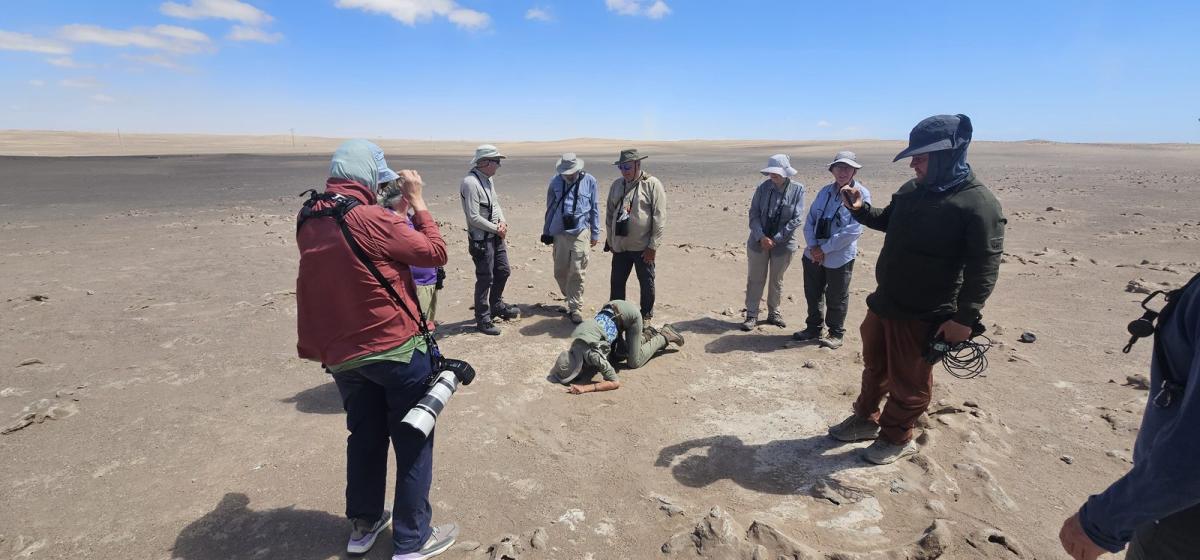
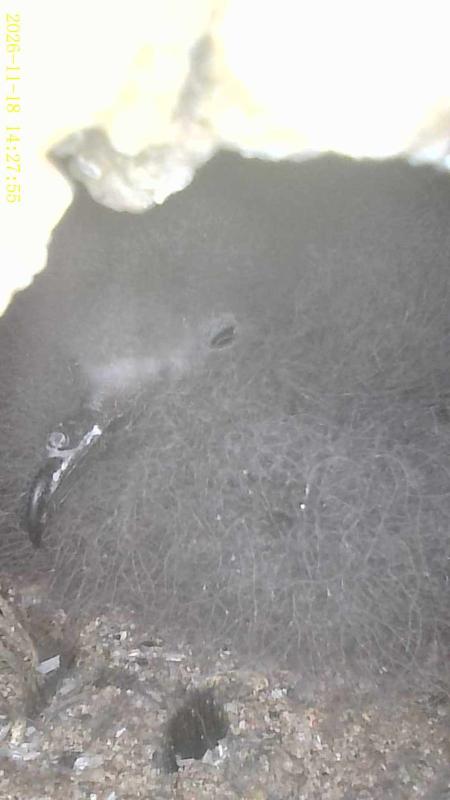
We ended the trip with a visit to the arid Atacama Desert and some of its oases, where we found the critically endangered Chilean Woodstar. We also stopped by a colony of Markham's Storm-Petrels, small seabirds that breed in crevices in the middle of the driest desert in the world. With the help of an endoscopic camera, we even saw chicks that would soon leave for their first flight to the ocean!
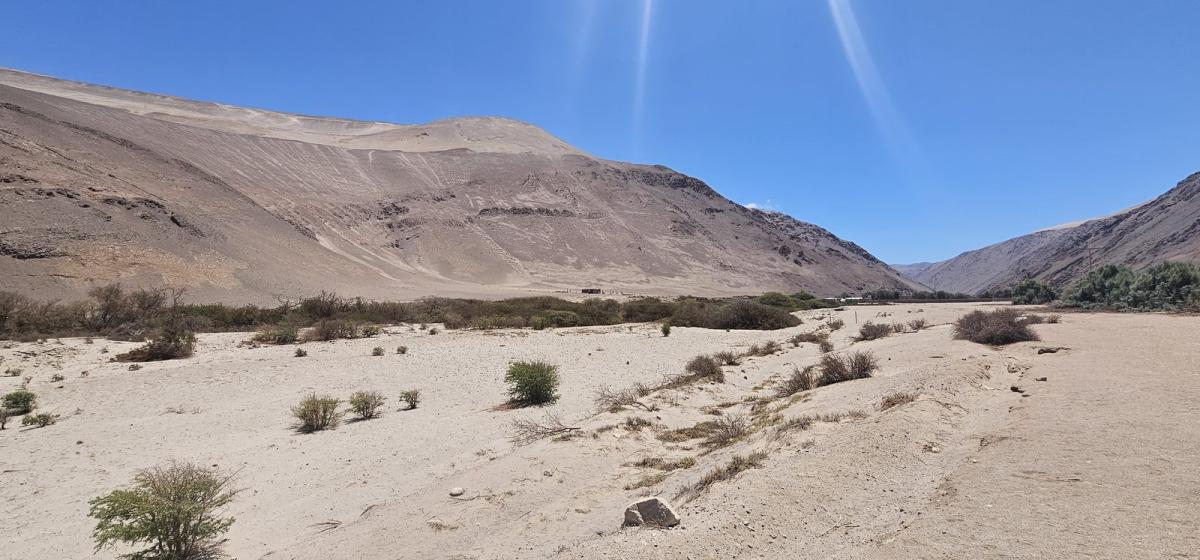
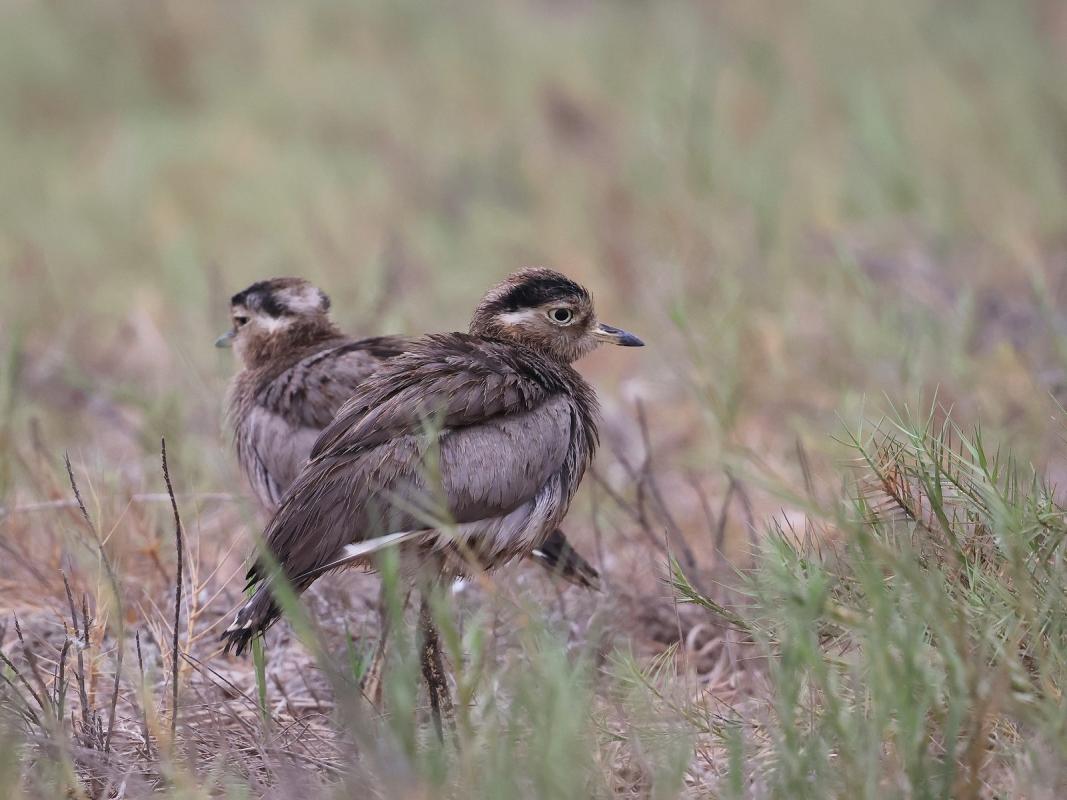
An eBird trip report illustrated with many photos taken by the participants can be viewed here: https://ebird.org/tripreport/592259