Minnesota and North Dakota
North Woods to Prairies
-
May 26 to Jun 3 2027
Ethan Kistler
-
May 26 to Jun 3 2028
Ethan Kistler
2027
Single Supplement $790
2028
Tour Price to be Determined
2027
Single Supplement $790
2028
Tour Price to be Determined
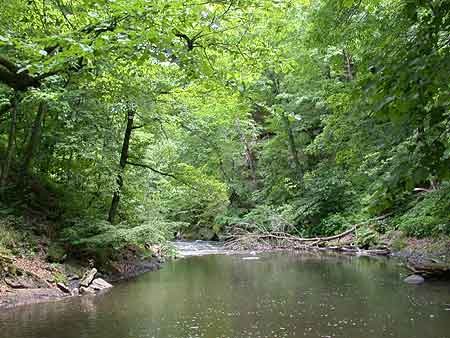
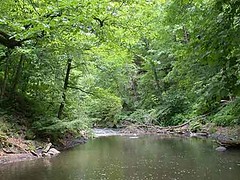
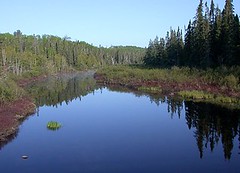
The wonders of the breeding season in Minnesota and North Dakota could well be the best kept secret in all of birding—and with our small group size, we plan to keep it that way! June landscapes are as lush as the birds are conspicuous. From boreal forests to aspen parkland and the grasslands and prairie potholes of North Dakota, this trip covers some of the richest breeding locales in all of North America.
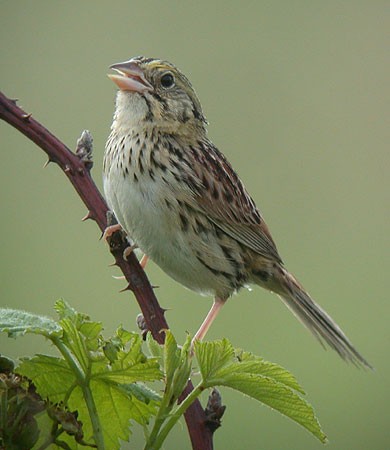
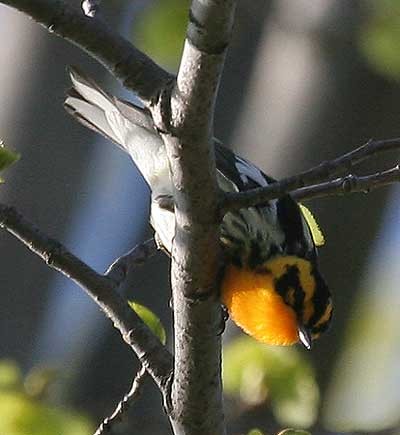
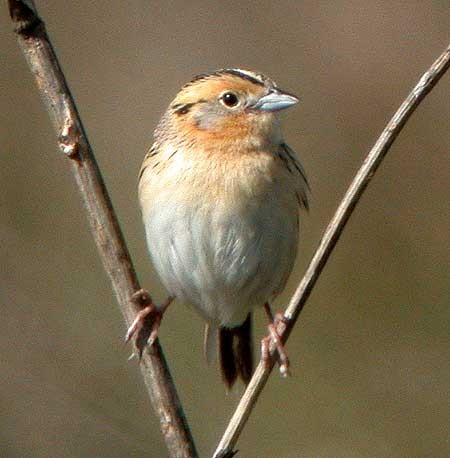
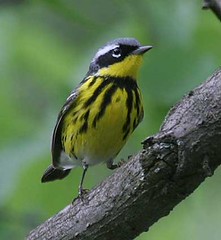
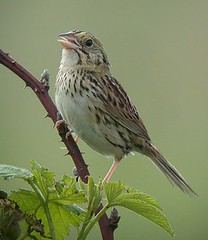
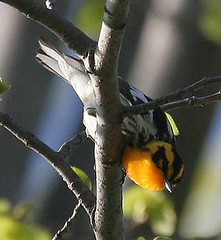
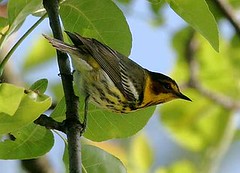
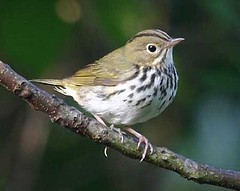
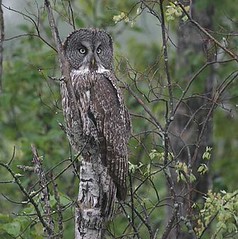
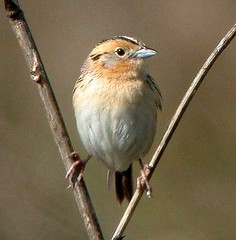
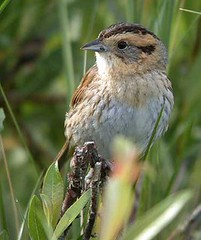
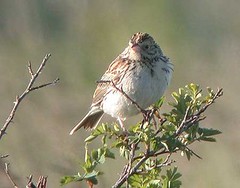
We’ve recorded over two dozen species of ducks and half a dozen grebes, often with adorable babies. Seventeen species of sparrows are possible, including many of the most difficult species to detect in all of North America. The subtle songs and muted plumages of Baird’s, Henslow’s, Nelson’s, and LeConte’s Sparrows are always among the highlights. But perhaps more than any other group, it is the wondrous warblers that draw us time and again to the region. We typically record at least twenty-five species, and unlike watching warblers during migration, our views are often leisurely and prolonged: imagine scope views of Golden-winged or Mourning Warbler, and Connecticut and Canada Warblers singing from near your feet! We are also on the southern boundary for nesting Great Gray Owls, and we’ll spend a morning or two driving the quiet roads in search of this enigmatic species. On another evening, we’ll visit an extensive sedge meadow to listen for what is certainly a good candidate for the most enigmatic species in the country: the nearly mythical Yellow Rail. With great luck, we may even see one. Perhaps best of all, almost the entire tour takes place far from the hustle and bustle of the city, giving us ample time to enjoy the tranquility of the northern forests and prairie potholes and the tremendous birdlife that calls this region home.


Day 1: The tour begins at 6:00 pm at our hotel near the Minneapolis-St. Paul International airport. Night in Bloomington.
Hard to imagine anything that would improve this tour. Perfect! Evan was without a doubt one of the best tour leaders I’ve been with, possibly the best. Sara was great with details and follow-up. - Jeffrey C.
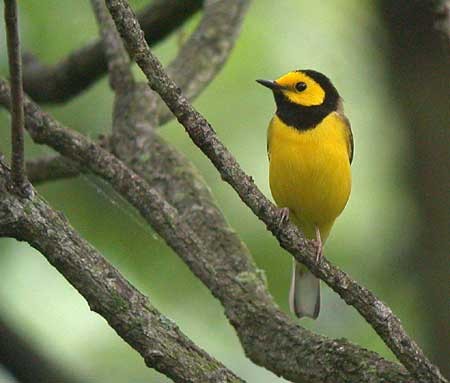
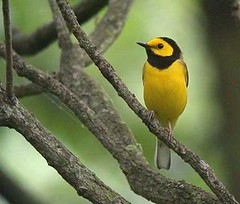
Day 2: Starting in the Twin Cities allows us a morning to look for birds with more southern affinities—species that are pulled north along the Mississippi and Minnesota Rivers. The winding trails of William O’Brien State Park offer a wonderful opportunity to explore this avifauna that we won’t see later on in the tour including Acadian Flycatcher, Blue-gray Gnatcatcher, Wood Thrush, Blue-winged and Hooded Warblers, Eastern Towhee and Field Sparrow. In recent years Henslow’s Sparrow and Cerulean Warbler have been found in small numbers, and we’ll hope to see both of these avian gems. A number of productive regional and county parks and nature centers throughout the greater Twin Cities area will give us additional options for birding before we leave in the afternoon for Duluth. Night in Duluth.
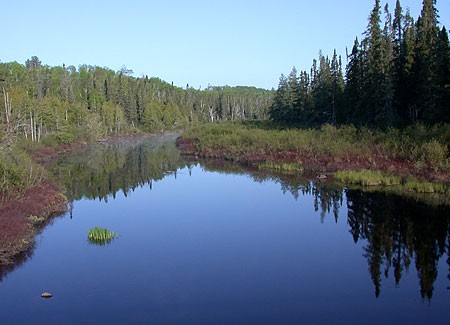
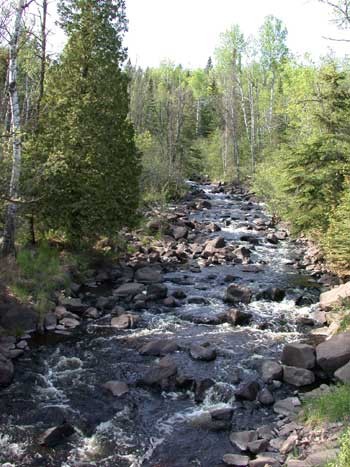
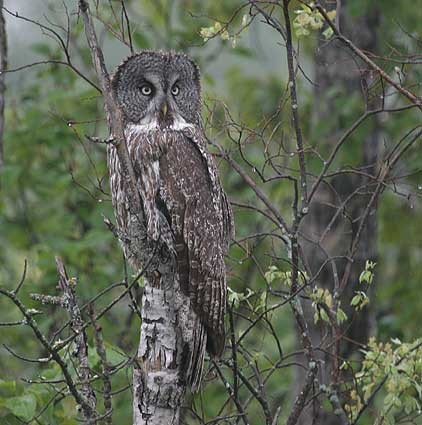
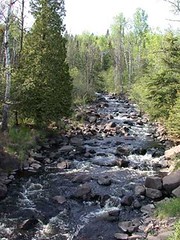
Days 3-4: The Northwoods of Minnesota are comprised of a rich variety of habitats from jack pine stands to tamarack bogs, from spruce woodlands and alder swamps to hardwood forests, interspersed here and there with sedge meadows and cattail marshes. From our convenient location in the Twin Ports (Duluth and Superior) we’ll head out looking for such highly prized species as Connecticut Warbler, Yellow-bellied Flycatcher and Great Gray Owl.
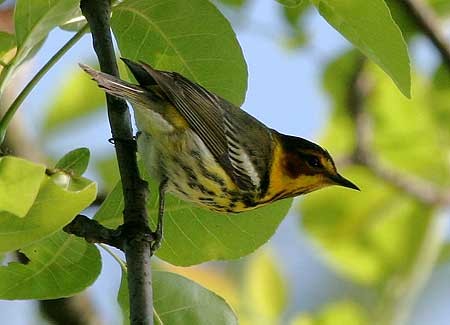
We’ll spend one morning along the edges of bogs and coniferous forests, where the woods are alive with warbler songs including Mourning, Canada and Blackburnian. Haunting songs of White-throated Sparrow, Hermit Thrush, Veery and Winter Wren echo from inside the bog, while Blue-headed Vireo and Purple Finch often sing nearby. Just north of Duluth is the southwestern limit of Black-throated Blue Warbler, and we’ll search for it along the little-visited portions of Lake County, where we also have a slim chance of finding Philadelphia Vireos. Also in the forests of Lake County, we have excellent chances for Tennessee, Cape May, and Bay-breasted Warblers, all of which are birds of the true Boreal.
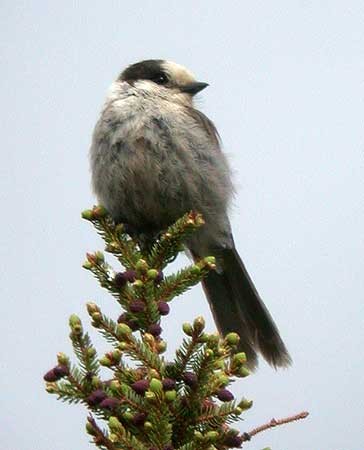
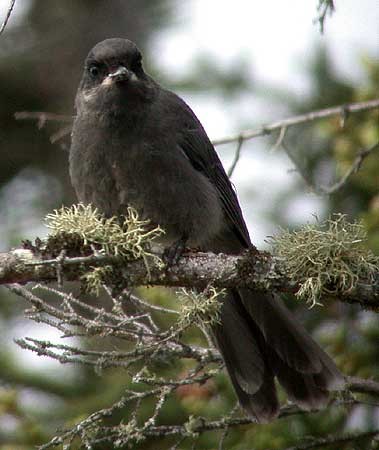
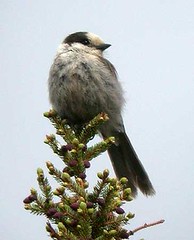
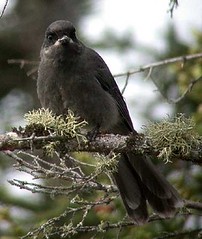
Of course, no visit to the Duluth area would be complete without a trip to the Sax-Zim Bog. This is prime habitat for Connecticut Warbler, and we’ll concentrate on finding this species. Other summer residents include Boreal Chickadee, Canada Jay, Olive-sided Flycatcher and Golden-winged Warbler. Displaying Bobolink, Eastern Kingbird, Brewer’s Blackbird and perhaps Upland Sandpiper will give us our first taste of the grassland species that we’ll see in abundance later in the trip. We’ll also make an evening excursion to look for Great Gray Owl and will keep an eye out for Moose, Fisher, River Otter, Beaver and if we are truly lucky, a wolf. Nights in Duluth.
Day 5: We’ll keep our morning options open and look for species that we haven’t yet encountered. We may visit nearby Rice Lake National Wildlife Refuge, whose deciduous woodlands and scrubby grasslands hold species such as Black-billed Cuckoo, Eastern Wood-Pewee, Great Crested Flycatcher, Scarlet Tanager, Rose-breasted Grosbeak and Clay-colored Sparrow. In the afternoon we’ll make our way to Grand Forks in time to rest up before an evening in search of the enigmatic Yellow Rail. There are a number of locations for this species in this part of the country and, with some luck and current local information, we can hope to at least hear its distinctive call. Nelson’s Sparrows should also be present in numbers and become more vocal at dusk. Night in Grand Forks.
Day 6: We’ll likely do some local birding around Grand Forks in the morning, perhaps finding some lingering shorebirds at Kellys Slough National Wildlife Refuge, or Red-headed Woodpecker and songbirds along the Red River, before making our way on county roads towards Jamestown. We may pass through Arrowwood National Wildlife Refuge, just to the north of town, where we will hope to find Grasshopper Sparrow, Upland Sandpiper, and perhaps more migrant shorebirds. Late in the afternoon we’ll drive to Jamestown, North Dakota. Night in Jamestown.
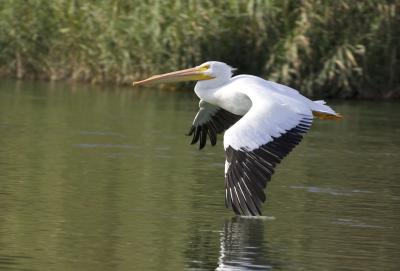
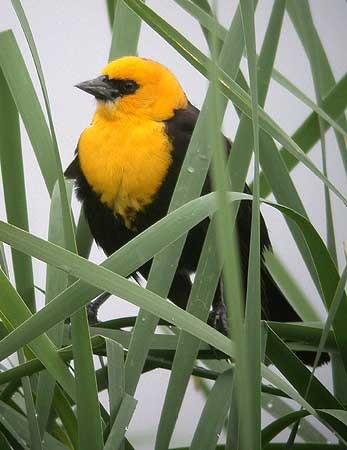
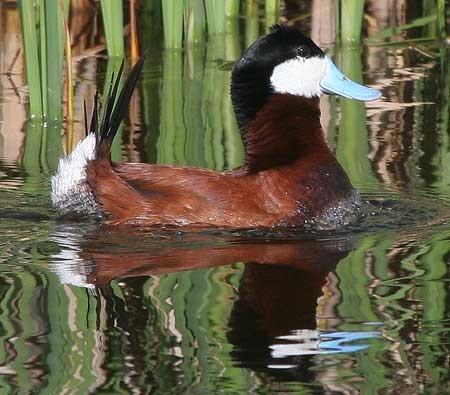
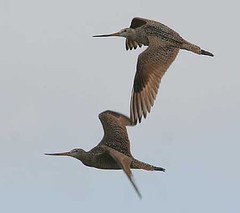
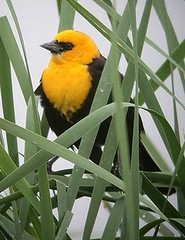
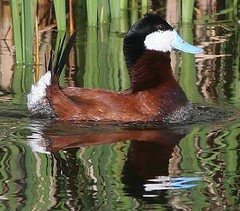
Day 7: Today we’ll explore the remarkable freshwater marshes and lush prairies of Kidder County. In the marshes and sloughs the guttural pumping calls of American Bitterns and the cacophony of “song” produced by colonies of Yellow-headed Blackbirds fill the air; Black and Forster’s Terns wheel about over their nests among the cattails, and small flocks of Franklin’s Gulls fly between marshes; Ruddy Ducks, one of more than a dozen species of waterfowl that breed here, engage in their unusual courtship displays while Willets, Marbled Godwits and Wilson’s Phalaropes dart back and forth across the meadows; and American White Pelicans and Eared, Western and a few Clark’s Grebes dot the scattered alkaline lakes. This early in the season there are often still some northbound shorebirds including White-rumped Sandpipers. Piping Plovers are sporadic but possible.
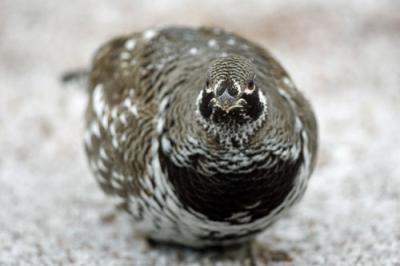
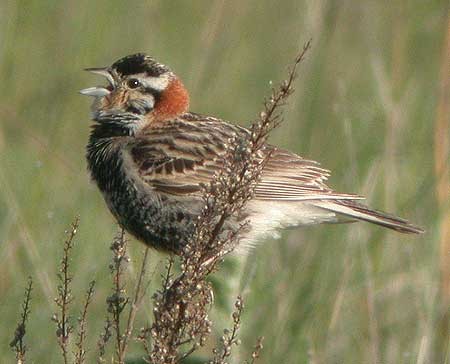
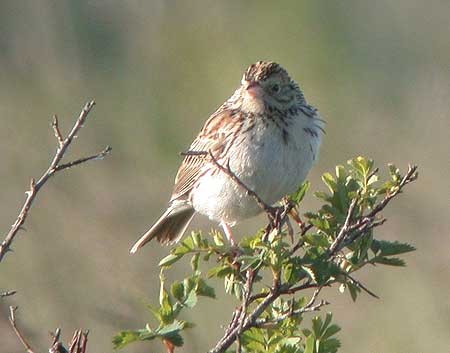
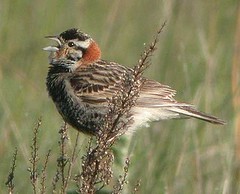
In the prairies Chestnut-collared Longspur and Grasshopper, Vesper and Savannah Sparrows will be common, and we’ll listen for the tinkling song of Baird’s Sparrow and the elaborate flight song of Sprague’s Pipit. We’ll also hope to see Dickcissel and Lark Bunting although the numbers of these nomadic birds vary from year to year. These open expanses also attract Northern Harrier and Red-tailed, Swainson’s and Ferruginous Hawks, and each year seems to bring a surprise or two. We’ll have a good chance as well for Sharp-tailed Grouse and we’ll scan roadsides for Gray Partridge. Night in Jamestown.
Day 8: This morning we’ll have the option of revisiting the prairies north of the towns of Tappen and Dawson looking for species we may have missed the day before or concentrating on more intimate looks at species of particular interest. Or perhaps we’ll decide to head east to explore the prairies of western Minnesota en-route to the Twin Cities where Greater Prairie-Chicken is possible. After lunch we’ll begin our drive east toward Minneapolis and if time permits, we may do some target birding before reaching our hotel. Night in Bloomington.
Day 9: The tour concludes this morning in Bloomington.
Note: The information presented below has been extracted from our formal General Information for this tour. It covers topics we feel potential registrants may wish to consider before booking space. The complete General Information for this tour will be sent to all tour registrants and of course supplemental information, if needed, is available from the WINGS office.
ENTERING THE UNITED STATES: Non-U.S. citizens will need a valid passport and may need a tourist visa. Consult your nearest U.S. Embassy or consulate for details. Canadian citizens should carry proof of citizenship in the form of a passport or birth certificate.
PACE OF THE TOUR: We will be rising very early each morning in order to be in the field at or before sunrise (around 5:00 am). There will also be several late evenings during the course of the tour to look for rails and/or owls although such forays will always be optional. We’ll make every effort to mitigate the effects of these long days by scheduling time to rest in our motels before supper.
There will be moderate to long drives between destinations on several days. This time spent in the van can also be used to nap.
Bathroom Breaks: Many areas that we visit have bathrooms and we’ll always take advantage of any that we may pass. During longer drives we pass plenty of opportunities including rest areas and gas stations.
On our early mornings, breakfast bags will be provided by the hotel, and the leader will also have fruit, granola bars, and other breakfast items available in the van for later in the morning. Lunches will either be in restaurants or sandwich shops, or in the form of a picnic in the field, weather-permitting. With unforeseen exceptions suppers will be relaxed sit-down affairs in restaurants near the hotels.
As a rule breakfasts and lunches will either be taken in restaurants or sandwich shops and in good weather, when appropriate, the leader will purchase supplies which will either be eaten while travelling or in the field. With unforeseen exceptions suppers will be relaxed sit-down affairs in restaurants near the motels.
Most walking will be gentle along well-maintained gravel roads and trails. The exception will be for certain species like Connecticut Warbler and Yellow Rail that may require us to walk in damp to wet meadows and bogs. Please note that we do not make this walk every year as it depends upon water levels. If we do venture into the marsh we will be walking in ankle- to knee-deep water across hummocks which will require being able to lift your feet relatively high and set each down again on potentially unstable substrate, balancing ability and stamina (although the pace will be slow). Expeditions into the marsh are always optional and this is not for everybody. There may be the occasional longer walks, especially on the first day, which may be several hours long.
HEALTH: Birdwatching in Minnesota poses no major health hazards.
Insects: Biting insects can be numerous on several of the mornings and evenings with mosquitoes being the major adversary. Those with an allergic reaction to mosquitos may wish to consult their physician. Long sleeves and insect repellents work well to prevent bites. Head nets are generally not recommended as they’re hot and make binocular use very difficult, but you may want to bring one anyway, if you have the space, in case the mosquitos are too bothersome. We can expect to encounter wood ticks in a few locations and deer ticks exist in small numbers in AitkinCounty.
Sun: The days are long, the sun is strong. Wide brim hats and sunscreen are important.
Smoking: Smoking is prohibited in the vehicles or when the group is gathered for meals, checklists, etc. If you are sharing a room with a nonsmoker, please do not smoke in the room. If you smoke in the field, do so well away and downwind from the group. If any location where the group is gathered has a stricter policy than the WINGS policy, that stricter policy will prevail.
CLIMATE: Early mornings may be as cool as 35-40º F (circa 4º C) in some locations with temperatures warming to 65-90º F (18-32° C) during the day. On rare occasions, we have experienced highs only in the 50s F (10-16° C) to as high as 103F. Rain is possible anytime and we can expect it at some point during the tour (though it is usually brief).
ACCOMMODATIONS: We will be staying in comfortable standard hotels throughout the trip, all within close walking distance of a restaurant or restaurants.
Our hotels have good Wi-Fi connections. Cell phone signal is good near our lodging locations but can be intermittent when in the field
FOOD: Food is good American standard. We try to visit a variety of restaurants and cuisines throughout the tour.
Food Allergies / Requirements: We cannot guarantee that all food allergies can be accommodated at every destination. Participants with significant food allergies or special dietary requirements should bring appropriate foods with them for those times when their needs cannot be met. Announced meal times are always approximate depending on how the day unfolds. Participants who need to eat according to a fixed schedule should bring supplemental food. Please contact the WINGS office if you have any questions.
TRANSPORTATION: We will be traveling by leader-driven 15-passenger window van or minivan, depending on the group size. When using 15-passenger window vans, we will take a maximum of seven passengers plus the leader/driver. Participants should be able to ride in any seat in tour vehicles.
Footwear: Sturdy tennis shoes or light- to moderate-weight hiking shoes will suffice for a vast majority of the trip although some may find comfortable hiking boots with firm soles helpful during our walks on gravel roads. There are two schools of thought on dealing with marsh walking. Some opt to use old sneakers which are light and easy to pack and have the advantage of letting the water out as well as in. The water may be chilly, however, and many opt to wear knee-high rubber boots. Be prepared to get a little wet, regardless of footwear. Mornings in North Dakota walking into the grasslands, as well the first morning in the Twin Cities, may also be damp and dewy and some people prefer to wear rubber boots.
PHOTOGRAPHY: Scenery and memory shots will be plentiful and simple to obtain but birds are difficult to photograph. Although there will be occasions when bird photography is possible, a birdwatching tour is not normally the best means of pursuing this aim. “Digiscoping”, on the other hand, is perfectly compatible with the tour, though you should bring your own telescope. If you are a serious photographer, please contact us for further information about photographic possibilities. Camera equipment should be packed in moisture- and dust-proof bags, as a precaution.
Minnesota & North Dakota
We can't render google maps without your cookie consent. To see the map, please reset your cookies, then accept all, then reload this page.
2026 Narrative
Our tour began at William O’Brien State Park, just east of the Twin Cities along the scenic St. Croix River. We spent the morning exploring a productive loop trail that winds through grasslands, marshes, and eastern deciduous forest, focusing especially on bird species with southern affinities, many of which become scarce as we travel farther north.
Right from the parking area, we were greeted by our first birds of the day: Willow Flycatcher, Field Sparrow, Marsh Wren, Eastern Towhee, Indigo Bunting and a pair of Sandhill Cranes. As we moved closer to the forest edge, we added Ruby-throated Hummingbird, Yellow-throated and Eastern Warbling Vireos, Blue-gray Gnatcatcher, Baltimore Oriole, Rose-breasted Grosbeak, and our first warblers: Blue-winged, Northern Yellow, Common Yellowthroat, and American Redstart. In the nearby wetland we also encountered Sora, Green Heron, Veery, and a heard-only Virginia Rail.
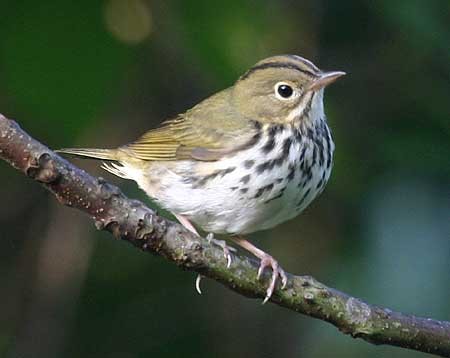
Deeper into the woods, our list continued to grow with species like Red-shouldered and Broad-winged Hawks, Yellow-bellied Sapsucker, Pileated Woodpecker, Red-eyed Vireo, Wood Thrush and Scarlet Tanager. Warblers were particularly well represented: Ovenbirds called from nearly every bend in the trail, and we enjoyed excellent views of Golden-winged, Black-and-white, Tennessee, a couple of Hooded Warblers, and a gorgeous male Mourning. Without question, the highlight of the morning was hearing a Connecticut Warbler singing, though it remained out of sight. By the time we returned to our vehicle, tallied nearly 70 species on the walk with Pine Warbler being the last new addition.
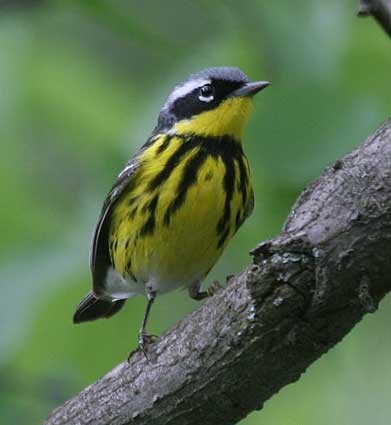
After lunch, we headed north toward Duluth. A quick stop at a productive rest area offered not only a welcome break, but also more birds. This eBird hotspot came through with our first Red-breasted Nuthatch, Magnolia and Chestnut-sided Warblers along with a couple more Golden-winged Warblers and charismatic Franklin’s Ground Squirrels.
With a bit of time before checking into the hotel, we made a stop at Park Point to look for migrants. From the beach, we scoped plenty of Ring-billed Gulls and Double-crested Cormorants but little else. We shifted our focus to the nearby trees, where we were rewarded with our first Nashville Warbler along with a bonus pair of Hudsonian Whimbrels feeding in the baseball field. On our way out a few ducks caught our attention, namely Greater and Lesser Scaup offering excellent comparisons and a Red-breasted Merganser.
After a good night’s sleep, we rose early and made our way to the renowned Sax-Zim Bog for a full day of birding. Although the area is best known for its winter specialties such as finches and owls, it is equally impressive in spring and today we enjoyed our first look at its breeding season birds.
We began the morning by slowly looping a few roads in search of Great Gray Owl. These majestic birds breed in the bog and, with chicks to feed at this time of year, they often stay active longer into the morning. Unfortunately, it was a terrible winter for them and there had been no recent sightings this spring.
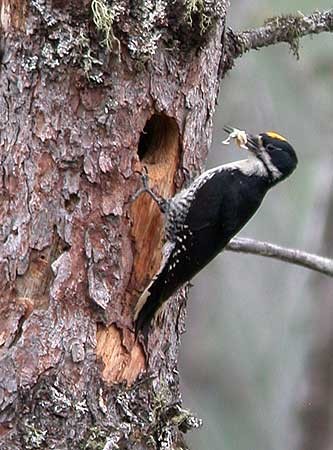
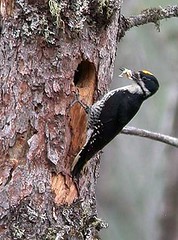
However, the bog was teeming with breeders, and we had excellent views of a pair of Black-backed Woodpeckers and Boreal Chickadees. Other highlights along this stretch included a drumming Ruffed Grouse, Yellow-bellied Flycatcher, Blue-headed Vireo, Canada Jay, Golden-crowned Kinglet, Brown Creeper, Winter Wren, Hermit Thrush, White-throated Sparrow, and several warblers such our first Blackburnian, Yellow-rumped, and Canada. The highlight of the morning goes to a male Connecticut Warbler, which started to sing after we entered our vehicles and were already driving away. We hopped back out, put on our water boots, and trekked into the bog being rewarding to incredible views of this rare breeder. We then visited a good site for breeding Palm Warblers, quickly finding one before heading off to lunch at a local mom and pop diner.
After lunch a stop along the Whiteface River provided great views of Eastern Wood-Pewee, male Golden-winged and Mourning Warblers along with a small group of Purple Finches. Nearby a damp meadow turned our attention to sparrows where we had Clay-colored and LeConte’s Sparrows and several Sedge Wrens while down the road we found some R2D2-sounding Bobolinks and an American Kestrel.
No birding trip is complete without a visit to a wastewater treatment plant, so we visited the small Meadowlands WTP to see what was around. Blue-winged and Green-winged Teals, Spotted Sandpiper, and yet another cooperative Golden-winged Warbler kept us entertained.
We finished off the day slowly birding a quiet gravel road adding Wild Turkey, Northern Waterthrush, Northern Parula, Black-throated Green Warbler, and a Lincoln’s Sparrow to a very productive first day.
The next morning, we headed north into Lake County and the Superior National Forest. This remote area of northern Minnesota is often completely devoid of people and holds a few species that are difficult to find in Sax-Zim Bog. Driving along miles of gravel road, we were welcomed by a beautiful dawn chorus. We were quickly greeted by yet another pair of Black-backed Woodpeckers, signaling and excellent year for this often-difficult species to find. Other new additions included Swainson’s Thrush and our first Cape May and Bay-breasted Warblers of the sixteen warblers recorded this morning.
On our way to lunch we made a quick stop at a wastewater treatment plant, as birders often do. This produced Bank, Tree, and Barn Swallows and nearly 70 individual warblers of fifteen species including male and female Canada.
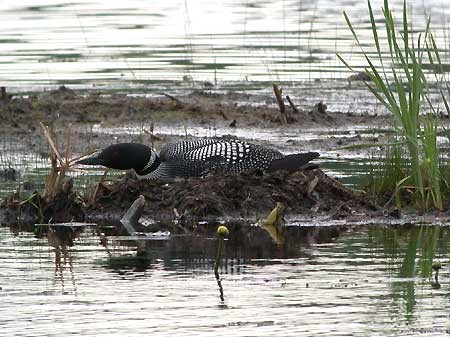
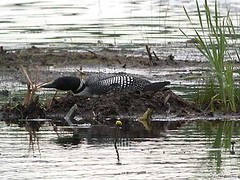
After a delicious lunch at a small coffee shop, we made several stops along the Lake Superior shoreline on our return south toward Duluth. The coastline is wild and scenic here and we added American Herring Gull, Common Loon, and Brown Thrasher.
Before dinner we visited the Hartley Nature Center for a relaxed hour of birding through the park. By now we cleaned up pretty well on all expected species, but we still squeezed out a couple Pine Siskin among the usual suspects.
The following morning, we turned our attention back to Sax-Zim Bog, as we were hoping to obtain better views of LeConte’s Sparrow. Shortly after arriving at a promising spot, we had our first Black-billed Magpie. Shortly after and after a bit of an effort, we came face to face with a curious LeConte’s Sparrow right at our feet! Elated, we pushed on and visited a nearby bird feeding station for some relaxed birding picking up a breeding Dark-eyed Junco along the way.
The feeders were active with Ruby-throated Hummingbirds visiting the nectar feeders, Yellow-bellied Sapsuckers enjoying the grape jelly, and Rose-breasted Grosbeaks enjoying the seed feeders. A pair of Eastern Bluebirds had an active nest in one of the bluebird houses.
We then began the long drive west toward North Dakota and enjoyed watching the landscape gradually change from spruce bogs to transitional forest and eventually to the open expanses of the Great Plains. In western Minnesota we stopped at a rest area that also serves as a productive birding spot. The bathroom area overlooks a large lake that provided our first Canvasbacks and Ring-necked Ducks. Upon arriving in Grand Forks, North Dakota, we birded a cemetery to look for the resident Red-headed Woodpecker, which we ended up only hearing at this time. We did see a couple Hooded Mergansers and a large family of Wood Ducks in a small pond.
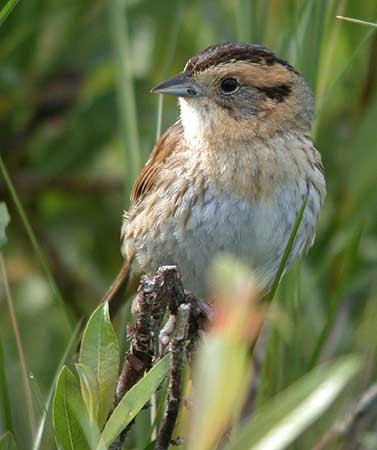
After several early mornings and late evenings, we allowed ourselves a bit of rest and enjoyed breakfast at 7 a.m. before heading to Kelley’s Slough National Wildlife Refuge. On the way we checked for Nelson’s Sparrow obtaining excellent views of this orange sparrow. There were plenty of other sparrows around including Grasshopper, Clay-colored, LeConte’s, Savannah, Song, and Swamp all along a short distance covered. We also had Trumpeter Swan, Gadwall, Gray Partridge, cooperative Sedge Wrens, Western Meadowlarks, and Orchard Orioles along with a couple of flyby Sharp-tailed Grouse.
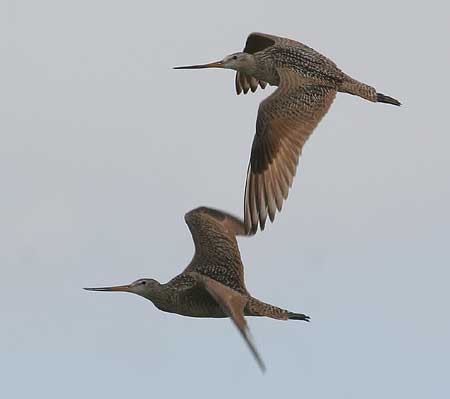
Before reaching the refuge, we stopped at a flooded field that was hosting a good variety of shorebirds, including our first Northern Shoveler. Northern Pintail, Marbled Godwit, Stilt, White-rumped, and Semipalmated Sandpipers, and Dunlin. Just down the road, a keen-eyed observer spotted a Great Horned Owl sitting in a tree right along the road.
The refuge serves as an important stopover for waterfowl and shorebirds, and we focused our efforts on scanning the larger lake and surrounding ponds. Although we had already seen most of the locally breeding ducks earlier in the trip, we picked up our first Redhead and Bufflehead. Shorebird diversity was on display from locally breeding American Avocet, Wilson’s Phalarope, and Western Willet, to migrant Stilt and White-rumped Sandpipers heading north. Other highlights included our first of many Black Terns and American White Pelicans.
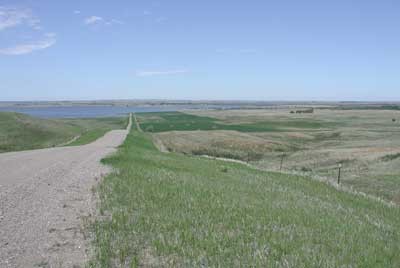
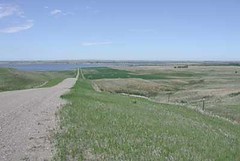
After lunch we started our journey toward Jamestown. Soon we were surrounded by classic prairie pothole habitat, where every rise in the road was followed by another flooded depression filled with ducks, shorebirds, and Yellow-headed Blackbirds. Over the next several hours of driving we encountered our first Ruddy Duck “making bubbles”, Pied-billed and Eared Grebes, White-faced Ibis, Black-crowned Night-Heron, and Upland Sandpipers.
A brief visit at Arrowwood National Wildlife Refuge to scan of the reservoir only added American Coot, Purple Martin, and Brewer’s Blackbird, so we headed towards our destination for the next two nights, Jamestown. Of course, you can’t go far in North Dakota on backroads without stopping every few feet for birds and a very cooperative American Bittern proved that!
The main objective the next morning was to find one of the star birds of the Dakotas, the Baird’s Sparrow. We made our way to an area in Kidder County that still contains some intact native grassland, which has sadly become rare in modern times. Strong winds are always a threat for prairie birding, but we pressed on and managed to have a gorgeous morning! Before we even stepped out of the vehicle we were greeted by up-close Sharp-tailed Grouse and Chestnut-collared Longspurs. With Marbled Godwits calling overhead and a Northern Harrier hunting in the distance we heard the distinctive song of the Baird’s Sparrow and proceeded to have phenomenal views of this huge target.
After this early morning success, we headed to the nearby Horsehead Lake WMA scanning the lake from several vantage points and birding the productive grasslands and farmlands that surround it. Highlights here included Forster’s Tern, Western Grebe, “Krider’s” Red-tailed Hawk among the usual waterbirds.
With no major targets remaining, we made our way back toward Jamestown picking up Vesper Sparrow, Dickcissel, and Ruddy Turnstone along the way. Before reaching town, a small rookery added Snowy, Great, and Western Cattle-Egret while a small lake nearby hosted around 40 Snow Geese still working their way north.
In the afternoon we birded a couple parks around Jamestown adding Lark Sparrow, Red-headed Woodpecker, Olive-sided Flycatcher, and a breeding Piping Plover to our growing trip list.
We spent our final full day slowly working our way toward Minneapolis, with several planned stops to break up the drive. East of Fargo, just into Minnesota, we arrived at Bluestem Prairie with the hopes to spot a Greater Prairie-Chicken. Despite unfavorable weather looming, the incoming storm held off just long enough for us to get good scope views of this prairie specialty. Further along we added a distant breeding-plumaged Red-necked Grebe among many Westerns.
Just before reaching Minneapolis and the end of our trip, we made one last birding stop at a large park outside the Twin Cities. Shortly after arriving we pulled out a cooperative Black-billed Cuckoo which we got to listen and see very well. Then we entered a nice tall grass prairie section where a couple Henslow’s Sparrows teed up offering extended scope views. Sparrow species number seventeen and an excellent final new trip bird.
- Ethan Kistler, 2026
Ethan was wonderful. Even among bird guides, his song and call recognition is outstanding. He was on top of everything—birds, territories, schedule, unique places to eat. Would love to go with him again.
- Jean T. on Minnesota and North Dakota
Perfect tour! North Dakota was the biggest surprise. I had no idea how green and lush ND was everywhere we went on the tour. Ethan is an excellent and very knowledgeable tour guide. I have been on 16 previous birding tours with other tour companies, so I know a great guide and Ethan is it!
- George R. on Minnesota and North Dakota
This tour is limited to seven participants with one leader.
More Tours with these Leaders
South Africa: The East
Birds and Mammals
Birds and Mammals
Nov 3-21, 2026 • Ethan Kistler

Trinidad and Tobago
with Trinidad Piping Guan
with Trinidad Piping Guan
Jan 10-19, 2027 • Ethan Kistler
More Tours in this Region