Iceland
-
Jun 10-19, 2027
Ethan Kistler
-
Jun 20-29, 2027
Ethan Kistler
-
Jun 2028
Ethan Kistler
2027
Single Room Supplement $990
2028
Tour Price to be Determined
2027
Single Room Supplement $990
2028
Tour Price to be Determined
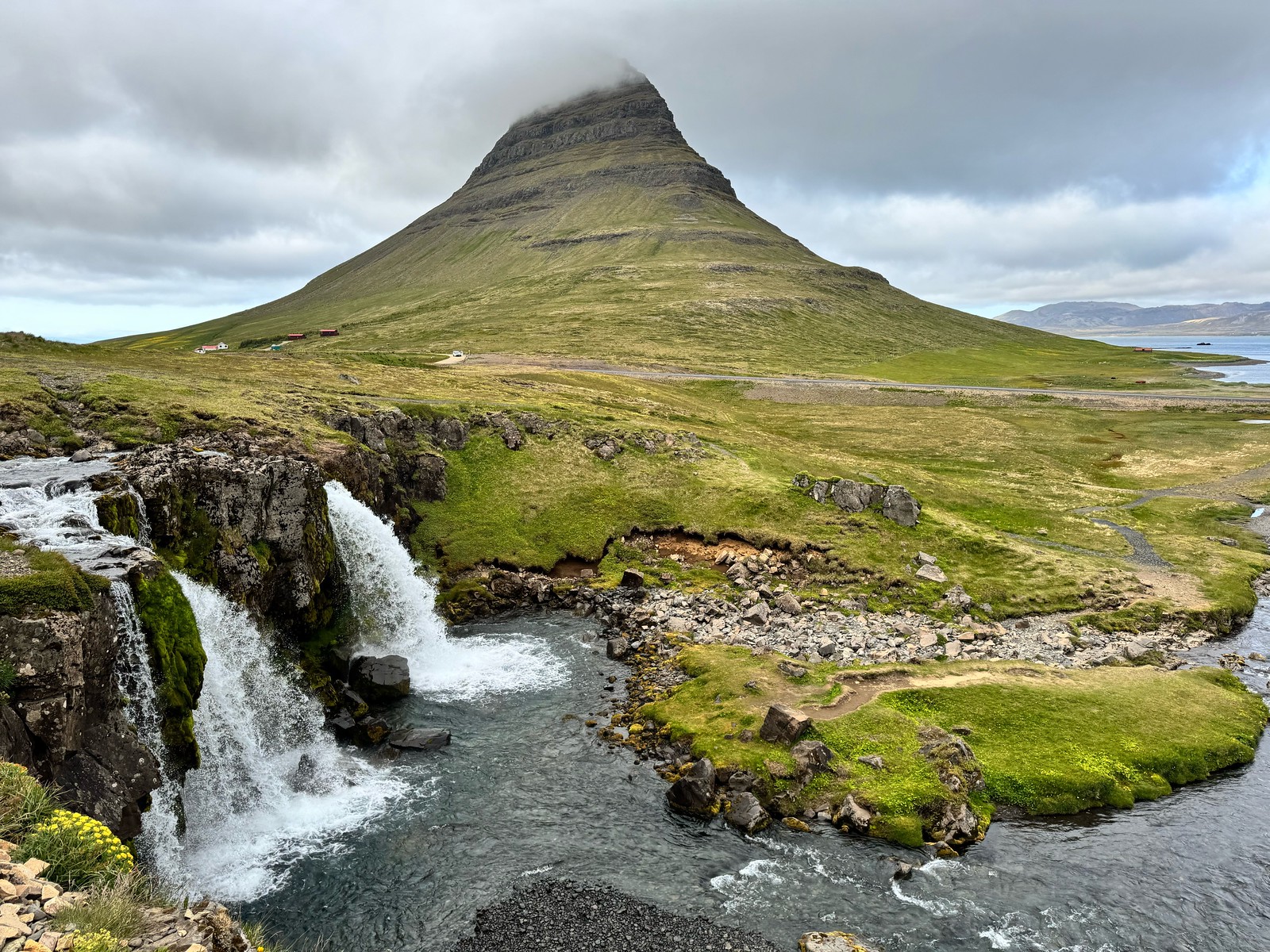
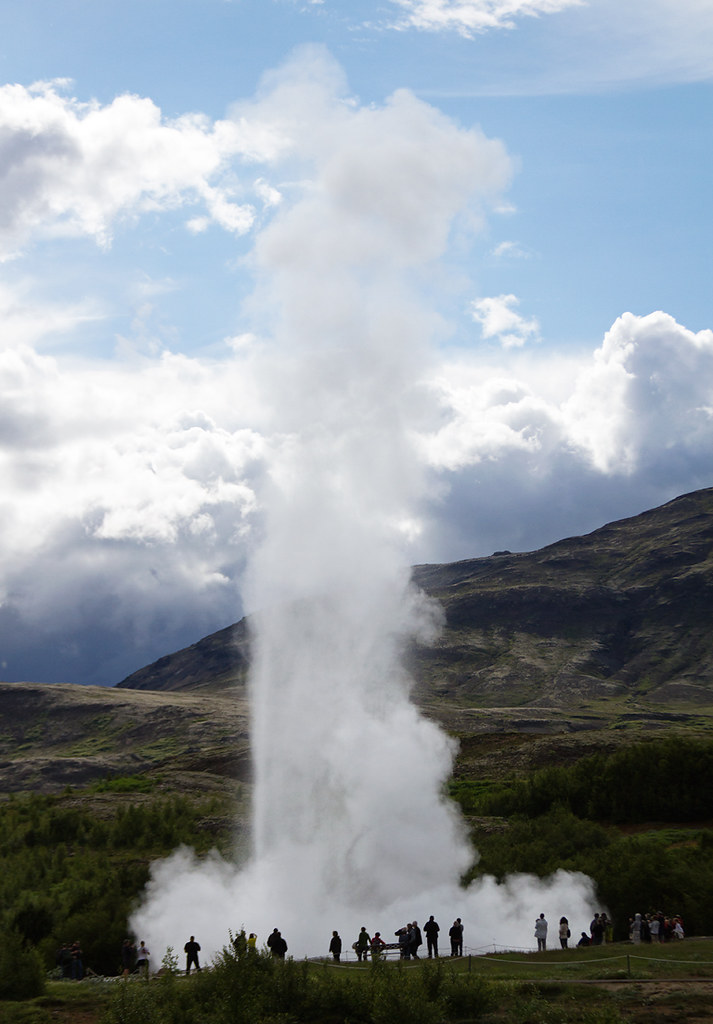
Lying in the cold, gray waters of the North Atlantic, Iceland is a country that has long fired the imagination of travelers and birders alike. This is the land of ice and fire and of ancient sagas, where the mighty Gyrfalcon drifts over a dramatic volcanic landscape dotted with glaciers, gushing geysers, hot springs, mighty waterfalls, and endless emerald-green vistas. Iceland is almost too beautiful to be believed.
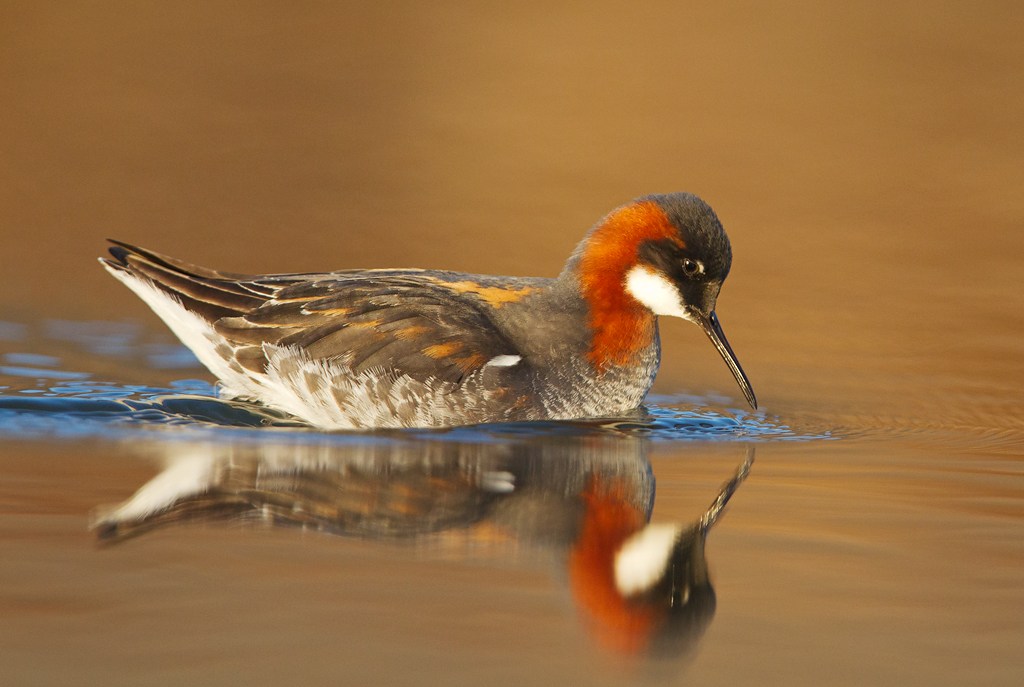
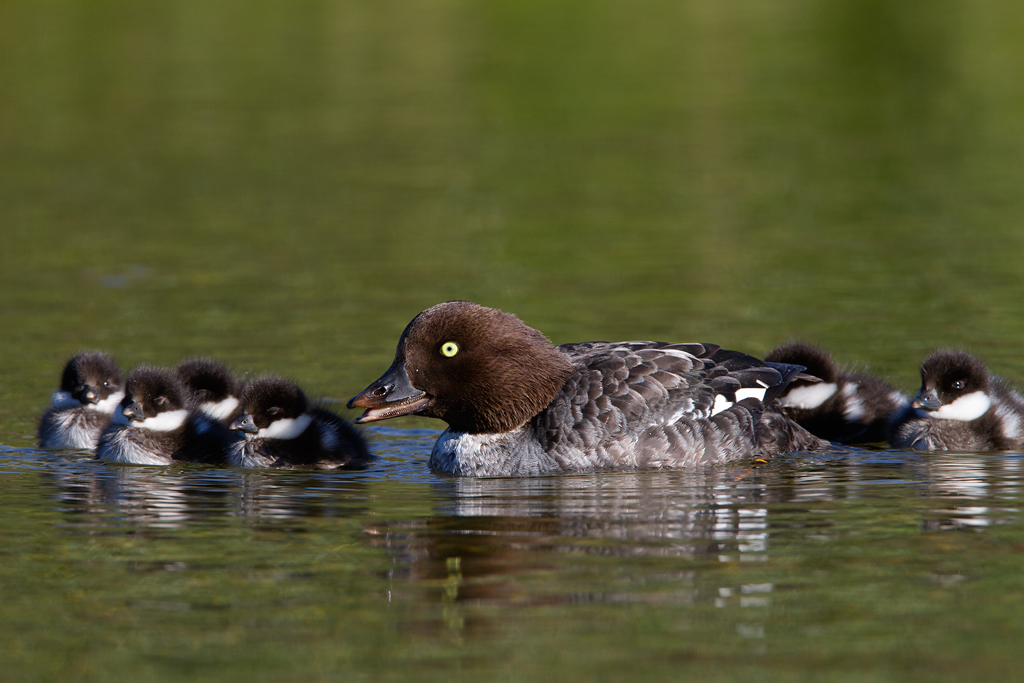
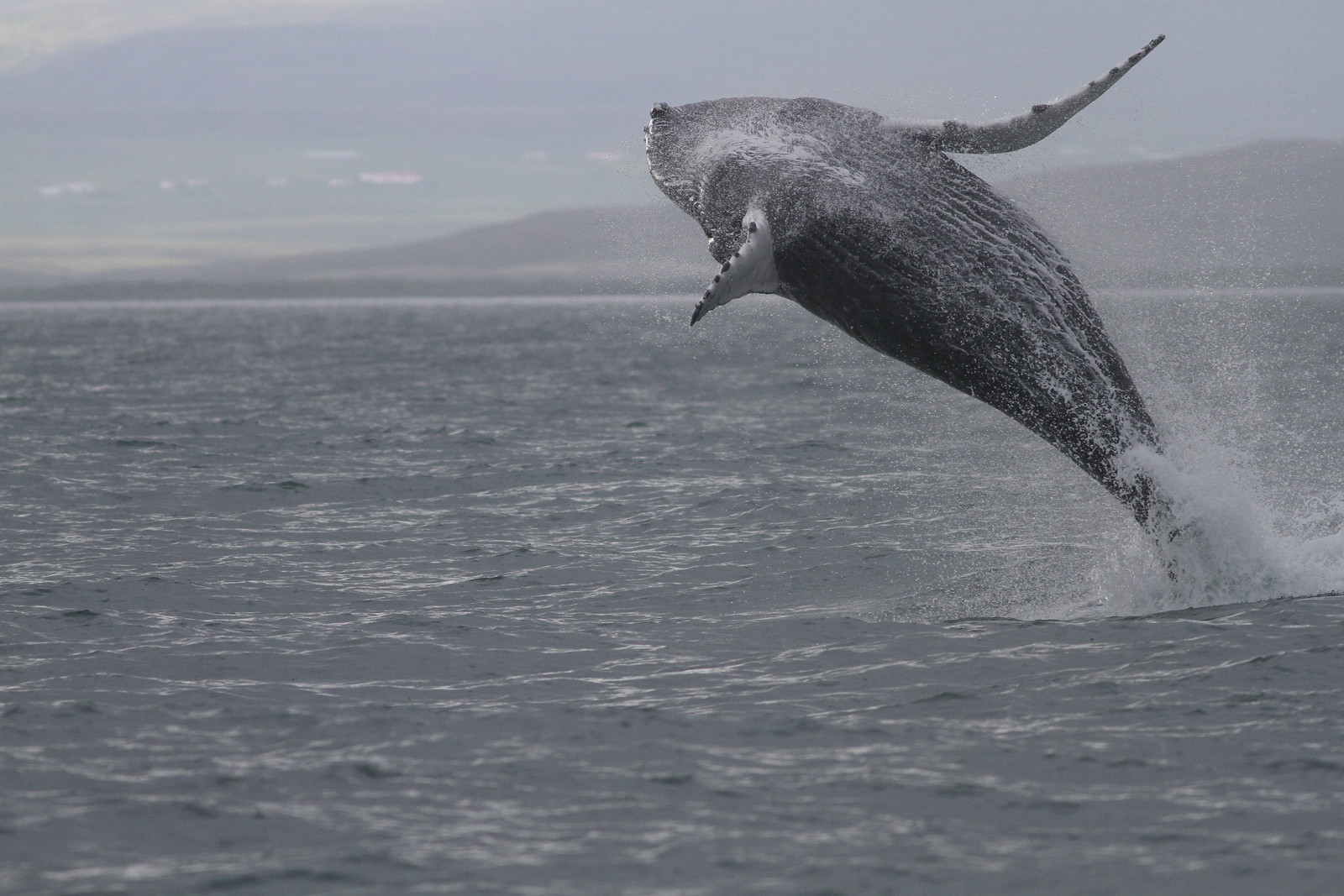
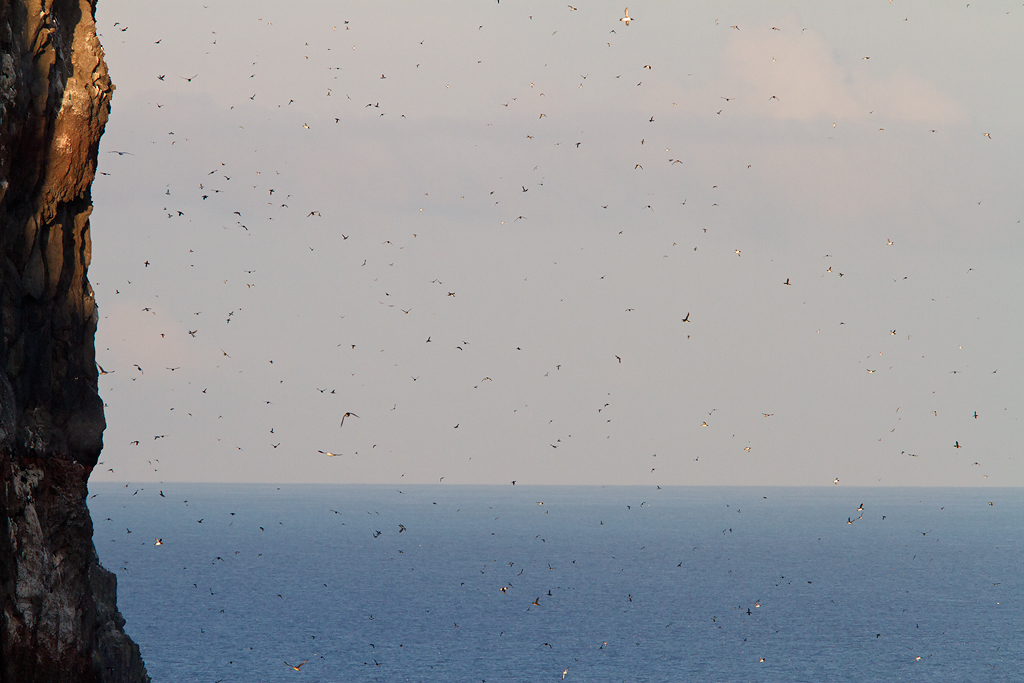
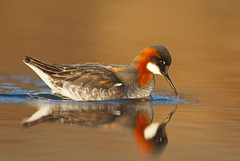
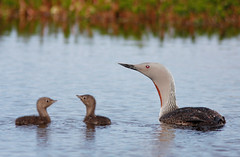
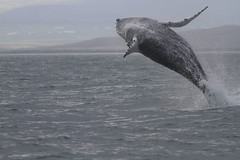
The birdlife is equally dramatic and varied, with such special species as Barrow’s Goldeneye and Harlequin Duck, and the massive spectacle of thousands of breeding alcids and waterfowl and lakes literally covered in Red-necked Phalaropes. In recent years, the waters of northern Iceland have become famous as a place to see Blue Whales and Orcas; although it can never be guaranteed, a boat trip offers arguably the best chance of seeing this legendary mammal anywhere in the world.

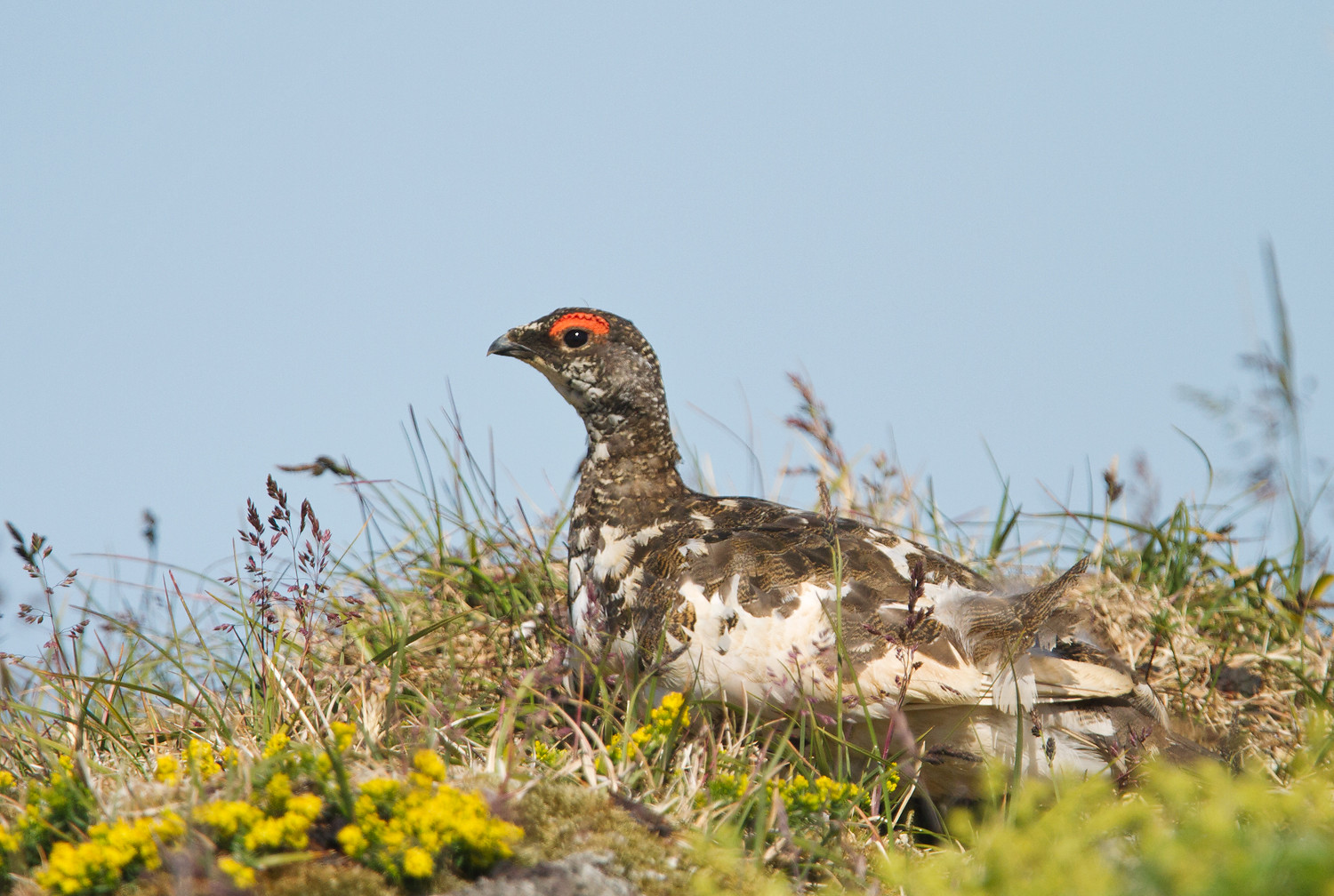
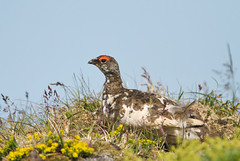
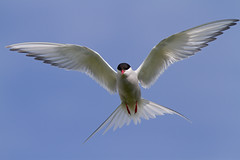
Day 1: The tour begins mid-morning at the Keflavík International Airport. Situated on the Reykjanes Peninsula, birding beings just a few minutes away where we’ll scan through mixed flocks of gulls, enjoy our first of many views of Whooper Swans, European Golden-Plovers, and large breeding colonies of Arctic Terns while also keeping an eye out for Rock Ptarmigans. The Garður lighthouse offers an excellent vantage point for seeing some migrant shorebirds, roosting Black-legged Kittiwakes, and scanning further offshore for Northern Fulmars, Northern Gannets, Manx Shearwaters, and mixed flocks of alcids. We’ll then continue north towards Borgarnes, stopping in route for any target birds being reported around Reykjavik. In the late evening we’ll try to observe displaying Eurasian Woodcocks over a nearby forest and a recently discovered population of breeding Long-eared Owls. On the way we’ll search for that most impressive of raptors, the White-tailed Eagle. Iceland supports a healthy population of this species and careful scanning of rocky islets should prove successful. Nearby we will scan local mudflats for waders, which will undoubtedly include Common Shelducks, which are common here but not elsewhere along our route. Night in Borgarnes.
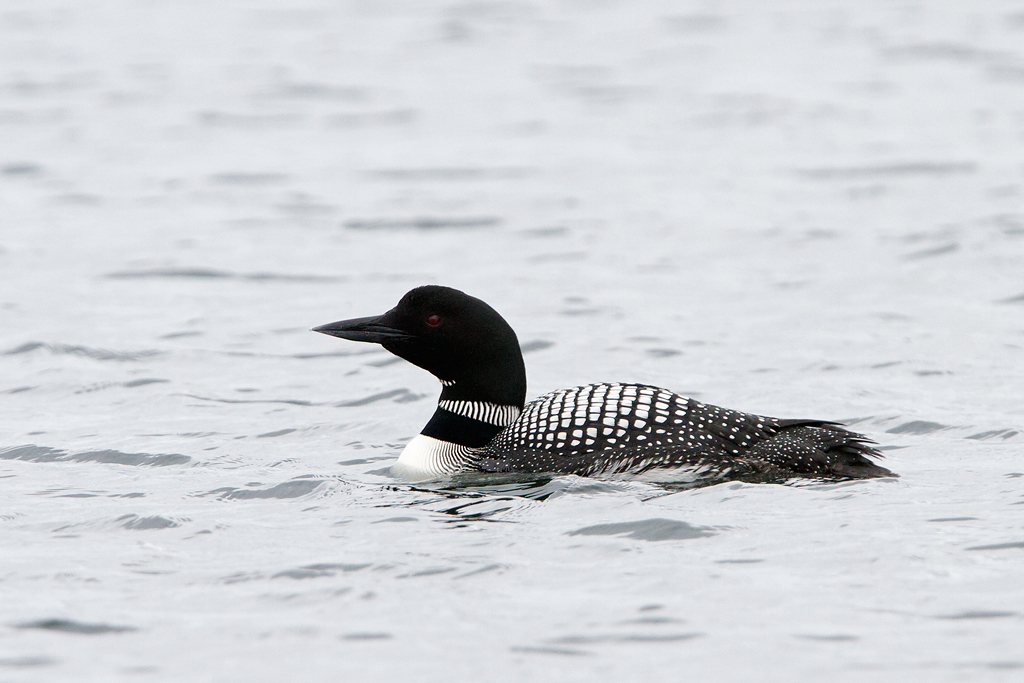
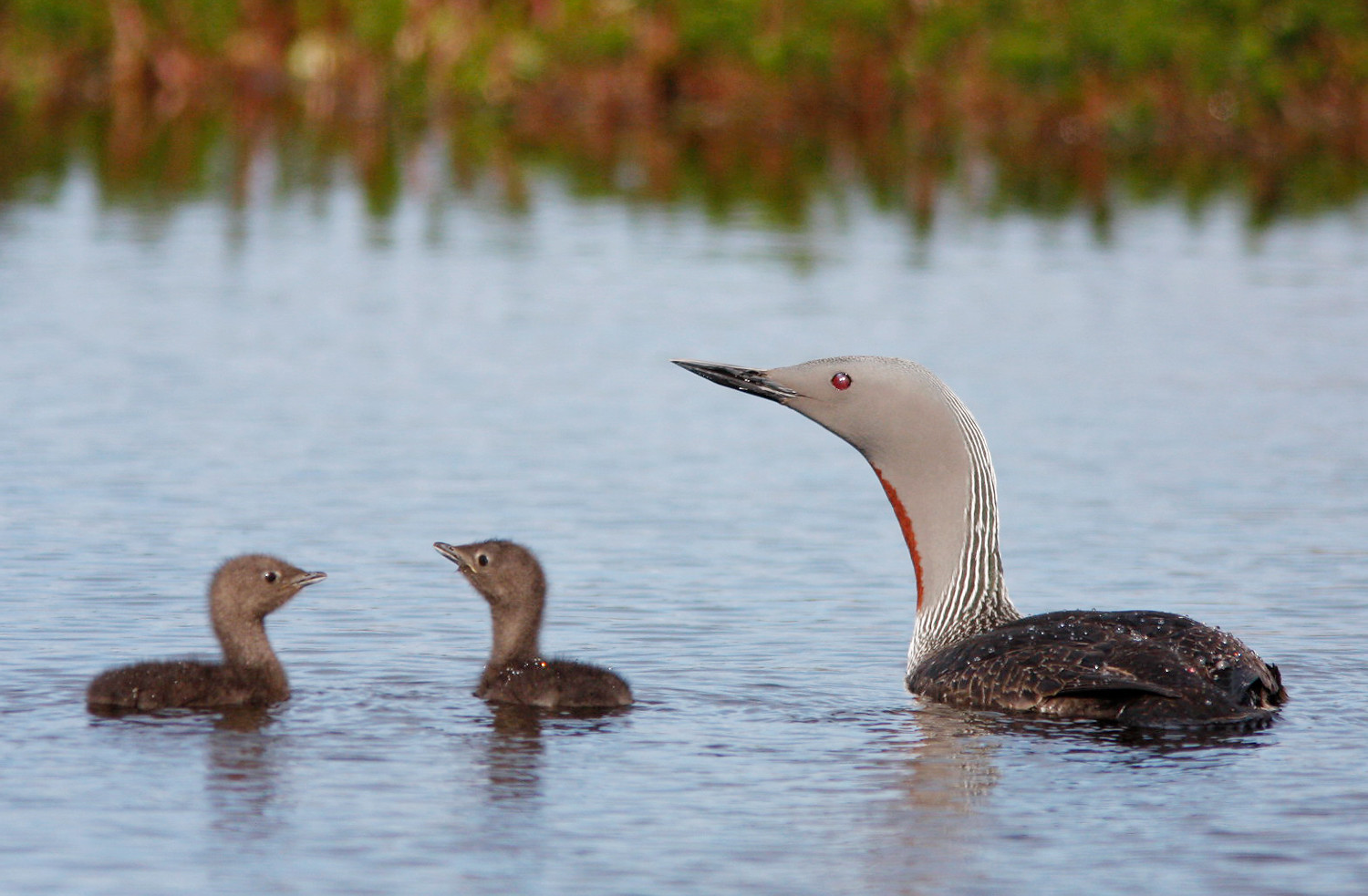
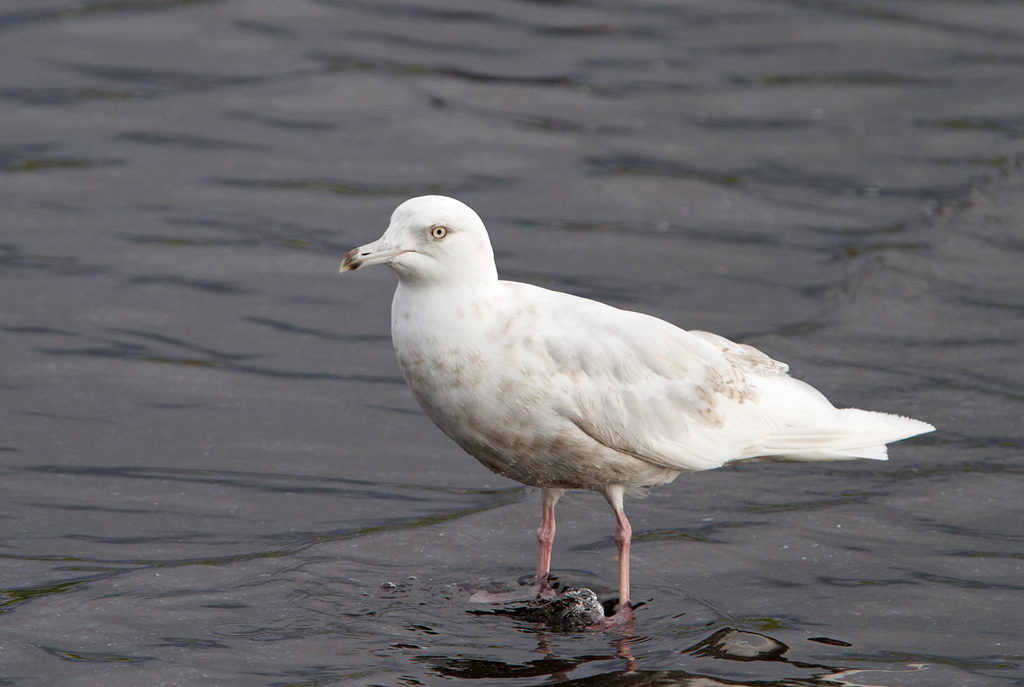
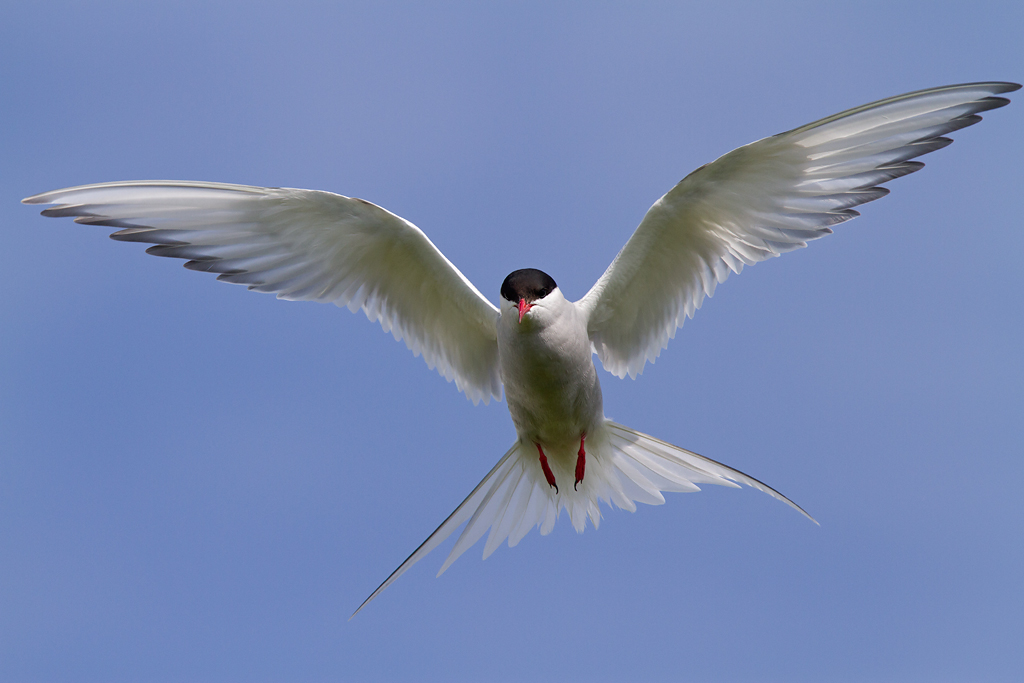
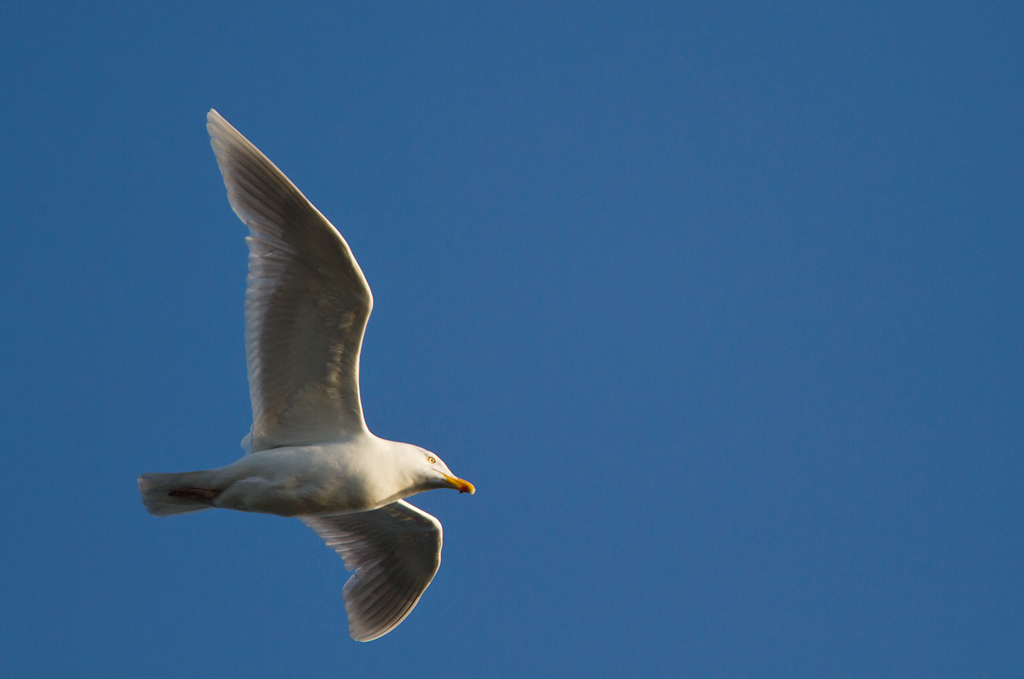
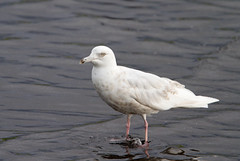
Days 2-3: We’ll spend the two days birding around the Snæfellsnes Peninsula. On our way towards the peninsula, we’ll stop to admire Horned Grebes in their breeding finery as well as roadside Red-throated Loons. This area holds particularly high numbers of loons, and we should see family parties and hear their strange calls. The shallow pools at Rif attract large numbers of gulls, terns and waders and we’ll scan through the flocks of Glaucous and European Herring Gulls in the hope of finding a more neatly proportioned Iceland Gull, as well as appreciating the variation in some of the local hybrid gulls. The Arctic Terns here are just a small percentage of the nearby breeding colony where over 5,000 pairs occur. For those that wish they provide an amazing photographic opportunity, and even when seemingly no threat to them, they insist on letting you know who is boss! Red-necked Phalarope are equally accommodating if not more so with many so close, even spinning around at our feet. Careful scanning through the flocks of Dunlin may produce a Red Knot, or maybe an American vagrant, few of which haven’t yet occurred in Iceland. This region is also good for vagrant birds, and in the past we have seen everything from Black-and-white Warbler to Oriental Turtle-Dove.
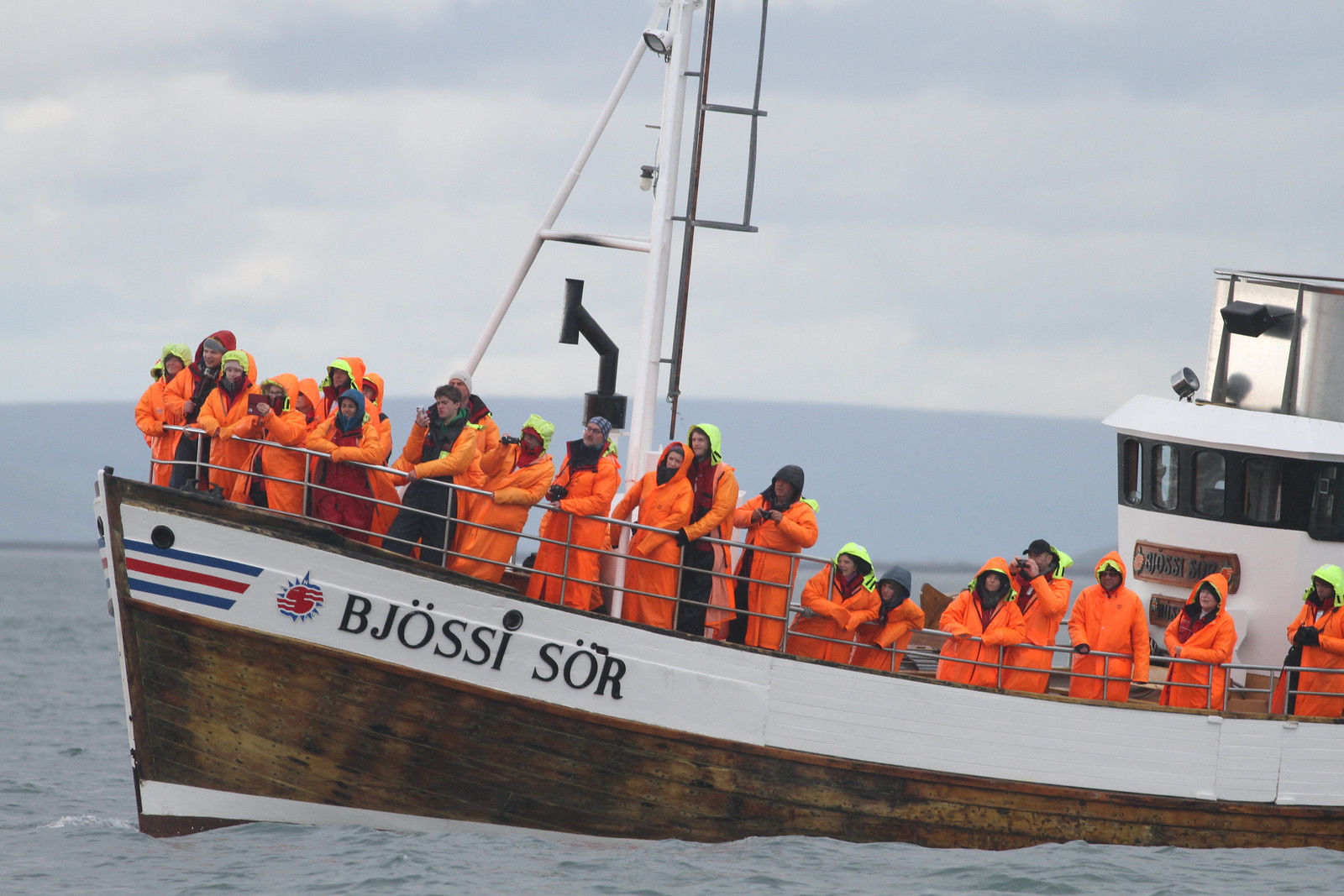
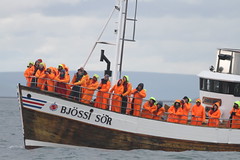
On the second day here, we’ll go on a whale-watching trip out from Snæfellsnes National Park. Time will also be spent checking out small seabird colonies on the western end of the peninsula, as well as scanning through flocks of molting eiders, which in the past has produced both King Eiders and White-winged Scoter. Nights at Grundarfjörður.
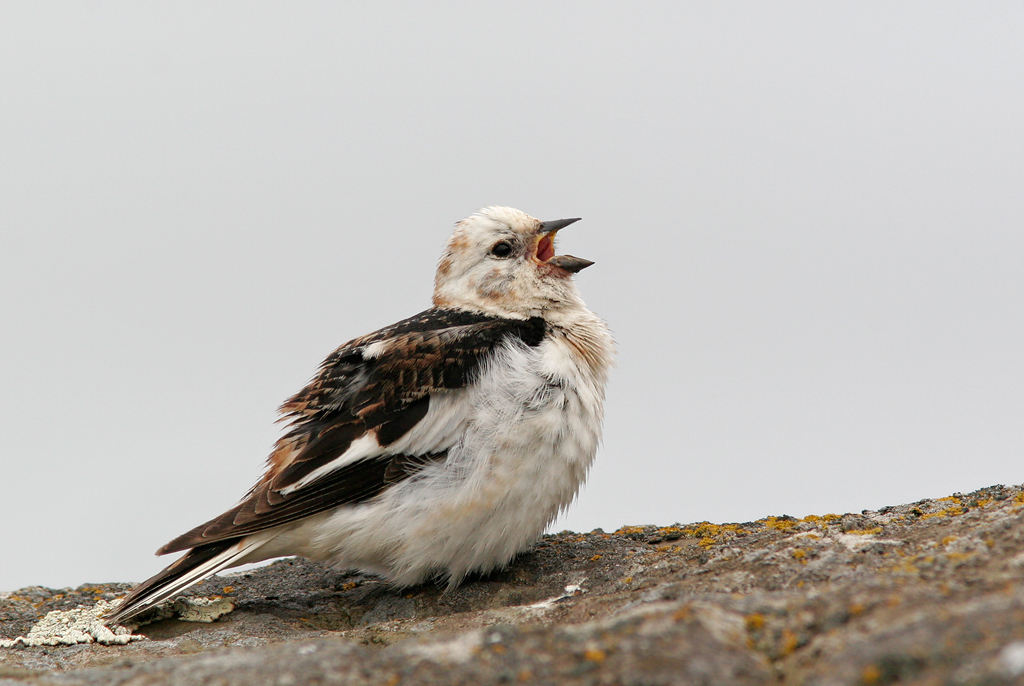
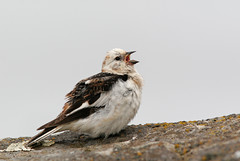
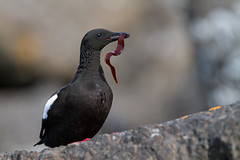
Day 4: If the ferry schedule allows, we’ll depart from Grundarfjörður after breakfast and take the ferry across Breiðafjörður Bay towards Brjánslækur. Halfway across we’ll stop on the small island of Flatey. We’ll need to stay on the island until early evening to catch the next ferry, which will give us plenty of time to enjoy the breeding Atlantic Puffins, Black Guillemots, Red-necked Phalaropes, and Snow Buntings in some beautiful surroundings. If we are really lucky, we may even spot a Red Phalarope. We’ll have lunch on the island and in the evening continue our ferry journey to Brjánslækur.
Sometimes the ferry schedule does not allow a visit to Flatey. If that’s the case, we’ll instead take the scenic driving route around Breiðafjörður Bay, which offers fantastic views and usually some White-tailed Eagles in their preferred habitat.
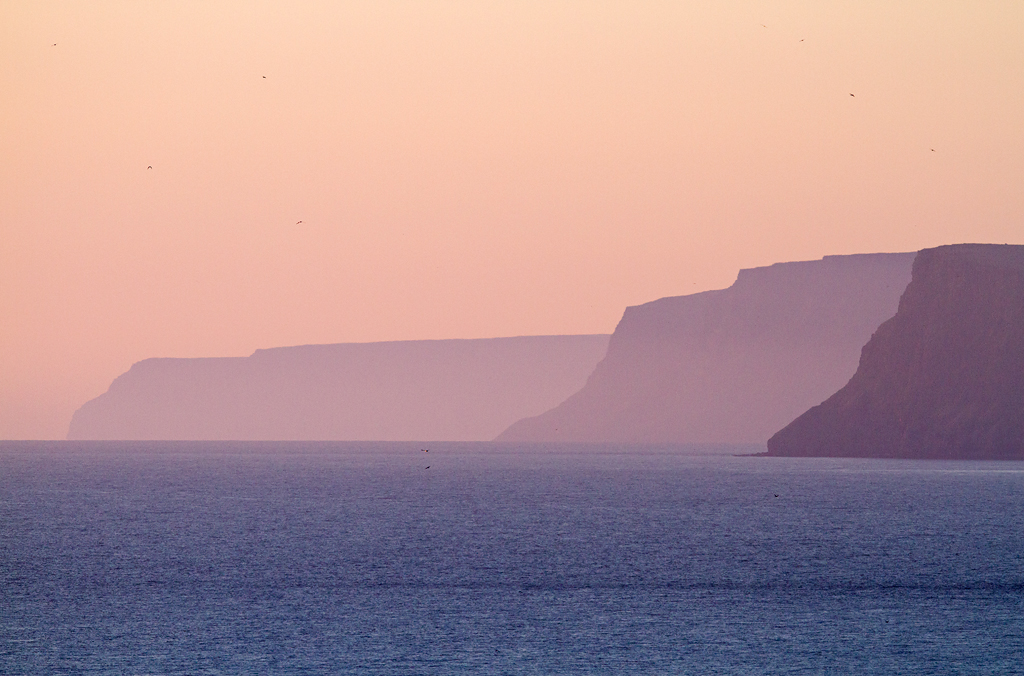
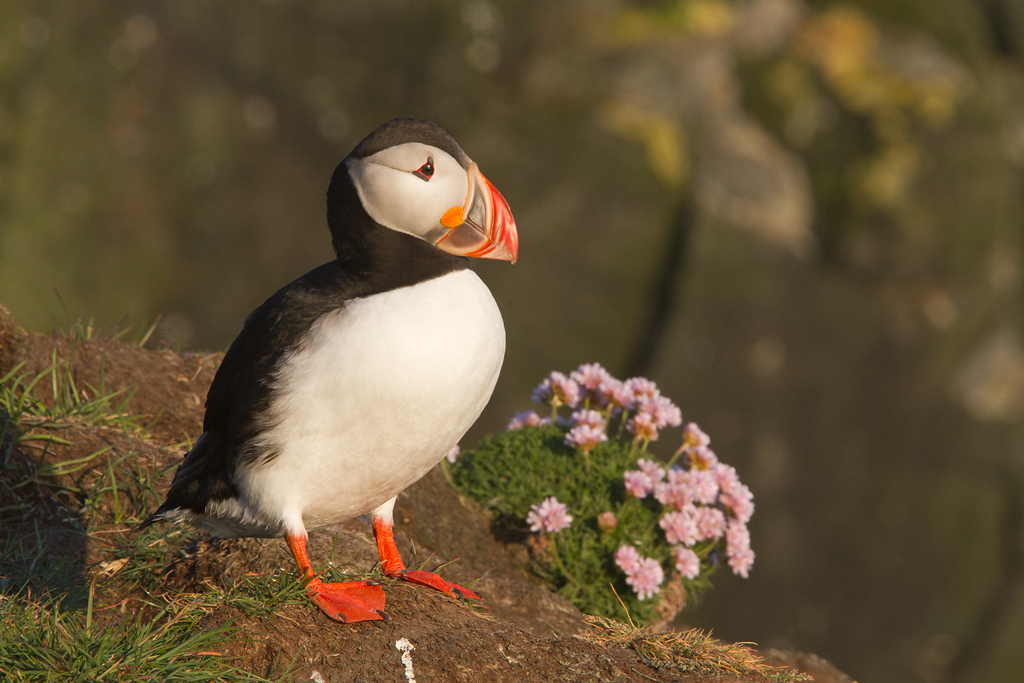
Once on the other side of the bay, we‘ll drive along the winding fjords and past the unusual native Icelandic birch scrub on the southern side of the aptly named Westfjords. We should reach our hotel near Patreksfjörður with time for a late-evening visit to the spectacular bird cliffs at Latrabjarg. Here we expect Atlantic Puffins right up close and personal! Night near Patreksfjörður.
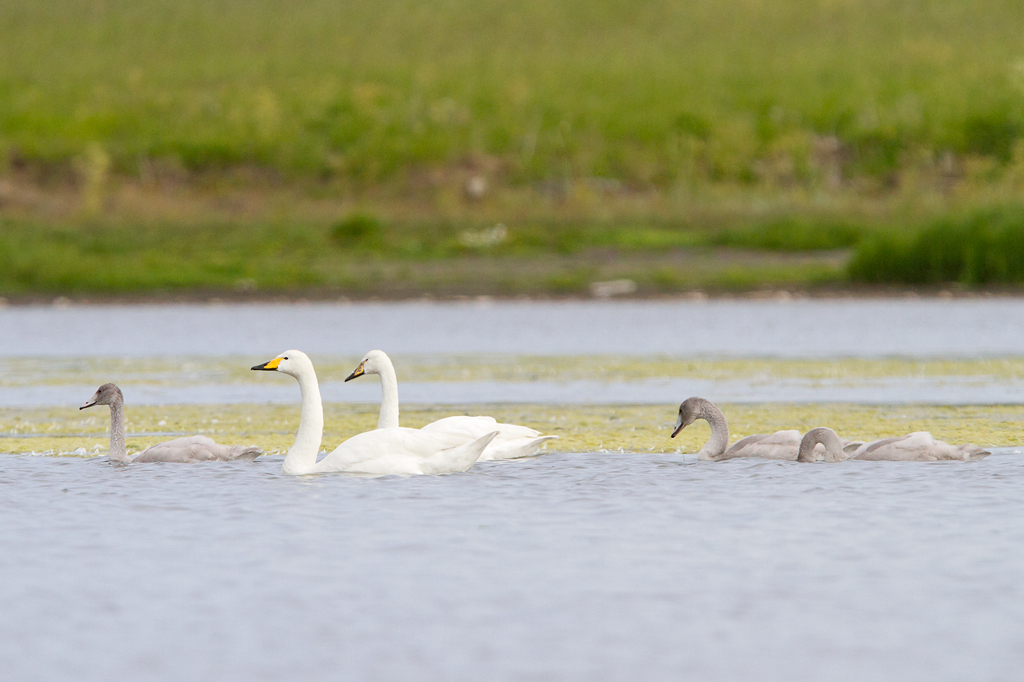
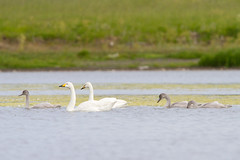
Day 5: We’ll begin on the highland roads of the Westfjords. At first glance the highlands appear barren and deprived of life, but a closer look will reveal impressive patterns of rocks which have been formed by seasonal frost. We hope to come across Purple Sandpiper or Rock Ptarmigans both of which inhabit this alien landscape, although they can be tricky to find. Whooper Swans and Long-tailed Ducks spend their summers on the few lakes that are found here. Flocks of molting Common Eiders will be seen throughout the day as we drive by the seemingly endless coastline. Night near Hvammstangi.
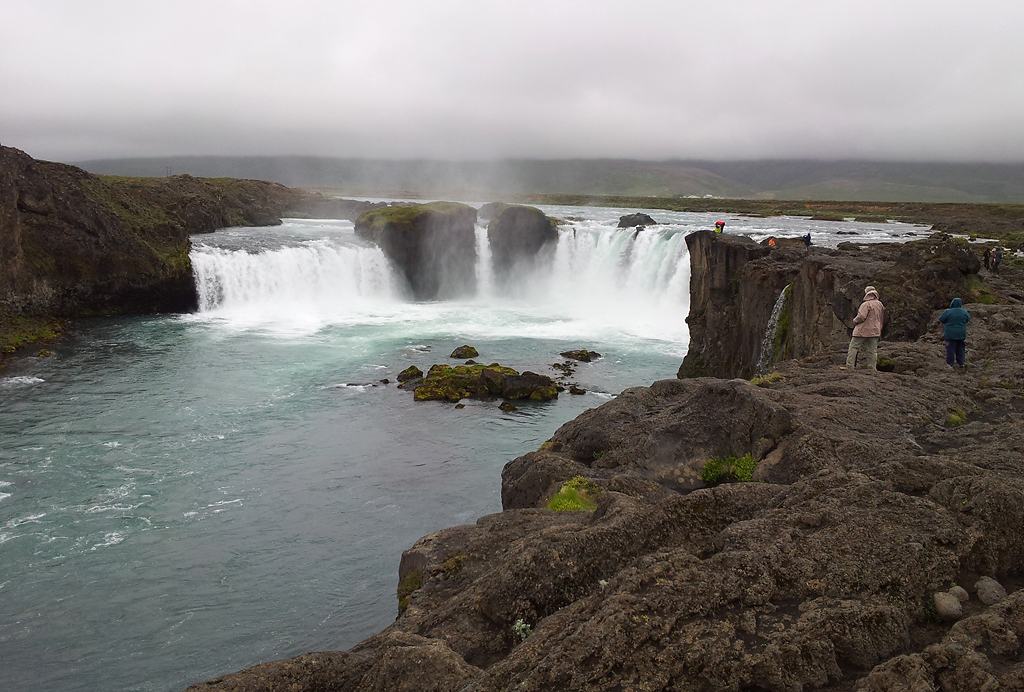
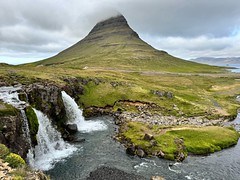
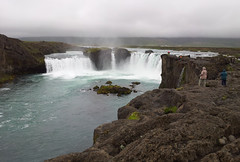
Day 6: We’ll spend most of the morning driving to Húsavík, where we’ll spend the next two nights. Although mainly a travelling day we‘ll look for Iceland Gulls at several locations, as well as Common and Red-throated Loons. The small areas of conifer woodland around here hold breeding Eurasian Wren, Redwing and Common Redpoll, each belonging to their own Icelandic races, with the latter being highly variable. In recent years these areas also support breeding Fieldfare, a recent colonist to the country. One of the real specialities is Pink-footed Geese and we‘ll make a stop to admire these birds close to the road, perhaps with their attendant youngsters. Arctic Foxes are secretive animals and are particularly wary of people having been heavily persecuted in the country, but we’ll keep our eyes open for any that may have been lured by the presence of the goslings. A secret location has nesting Long-tailed Jaegers and we’ll make a detour to see this rare breeder. We’ll also stop at the magnificent Goðafoss waterfall and have a scan of the wildfowl close to our hotel which usually includes a good number of Barrow’s Goldeneyes. Night near Húsavík.
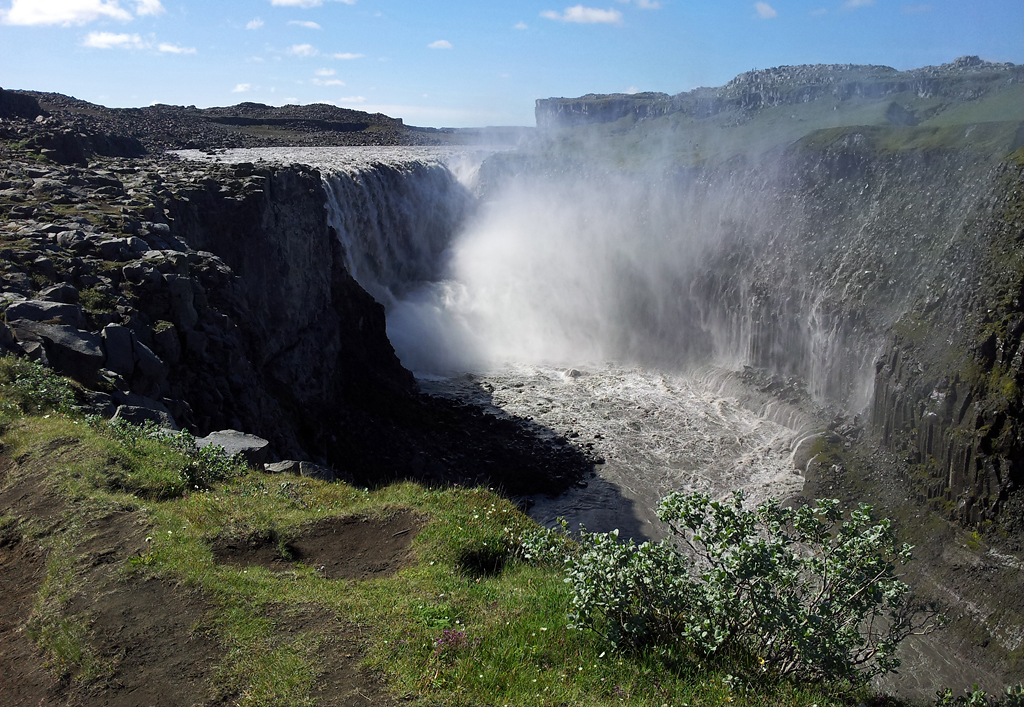
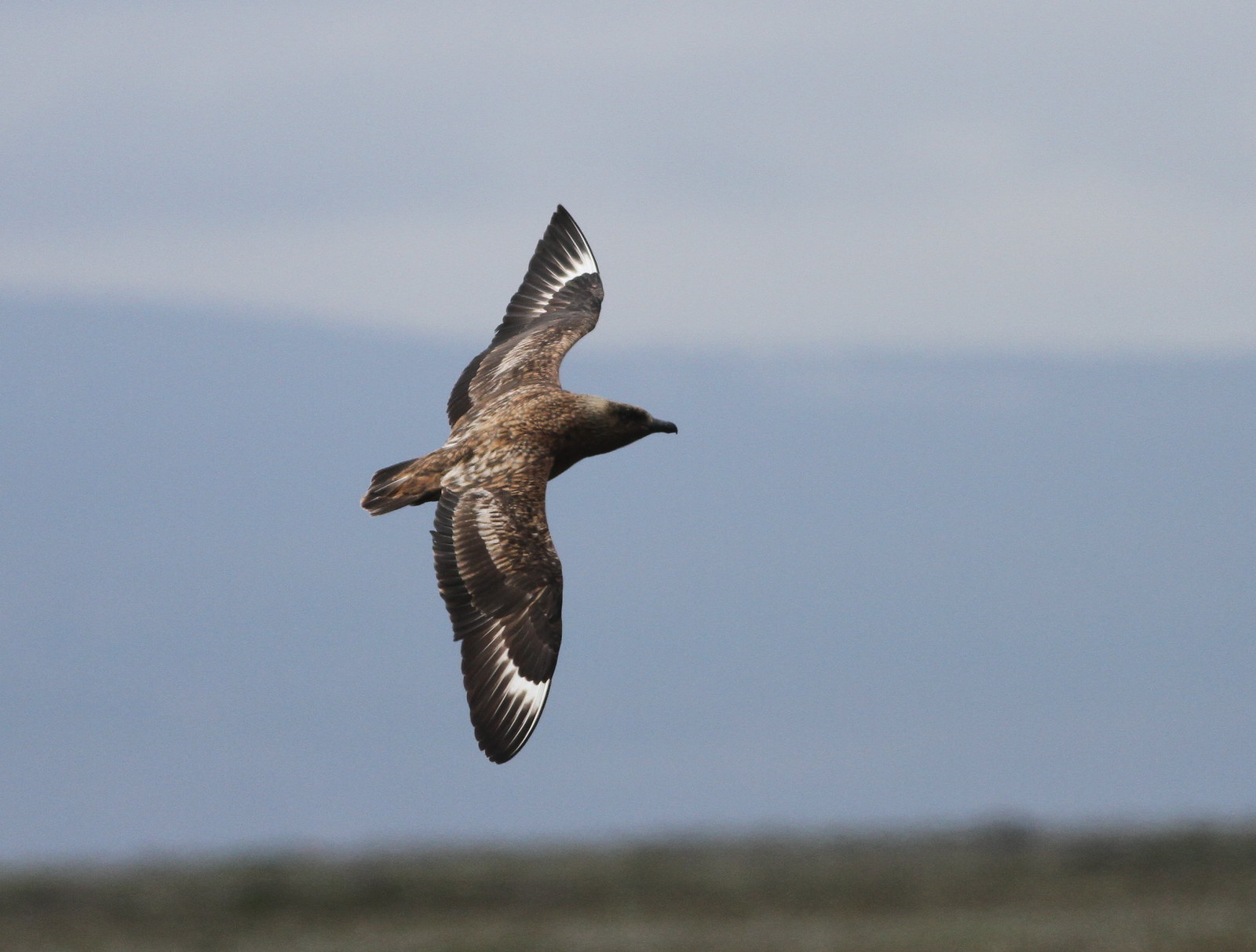
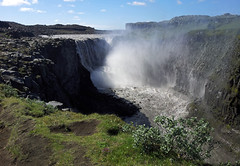
Day 7: After breakfast we’ll head to the northern coast. Flocks of Common Eiders, which sometimes hold the occasional King Eider, will be thoroughly scanned while also keeping an eye out for Common Scoter. Seawatching from the cliffs can produce White-beaked Dolphins and Great Skuas. The latter breeds nearby. This is an excellent area for Gyrfalcon, and we’ll certainly keep our eyes open for this iconic species. This area also hosts a lot of scarce species with Ancient Murrelet, Arctic Loon, Common Crane, Black Tern, Common Wood-Pigeon, and Eurasian Coot being seen during previous tours. If time permits, we will drive towards the Dettifoss waterfall, the most powerful and one of the most impressive in Europe. If the birding has been productive, we’ll save the waterfall for the following morning. Night near Húsavík.
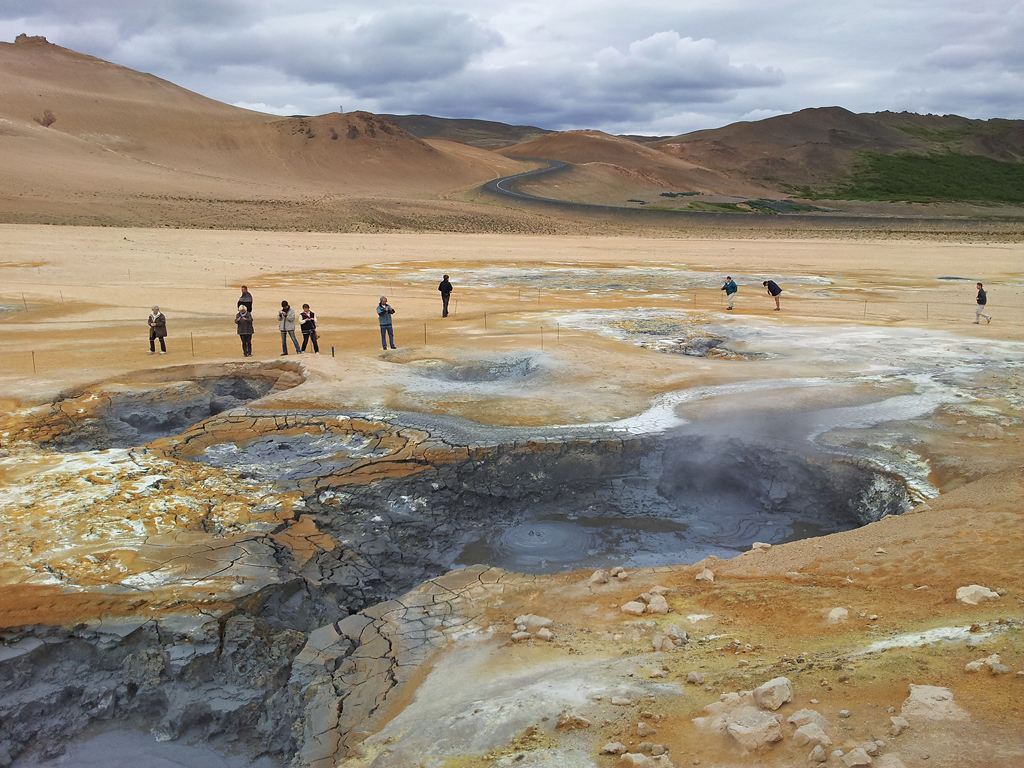
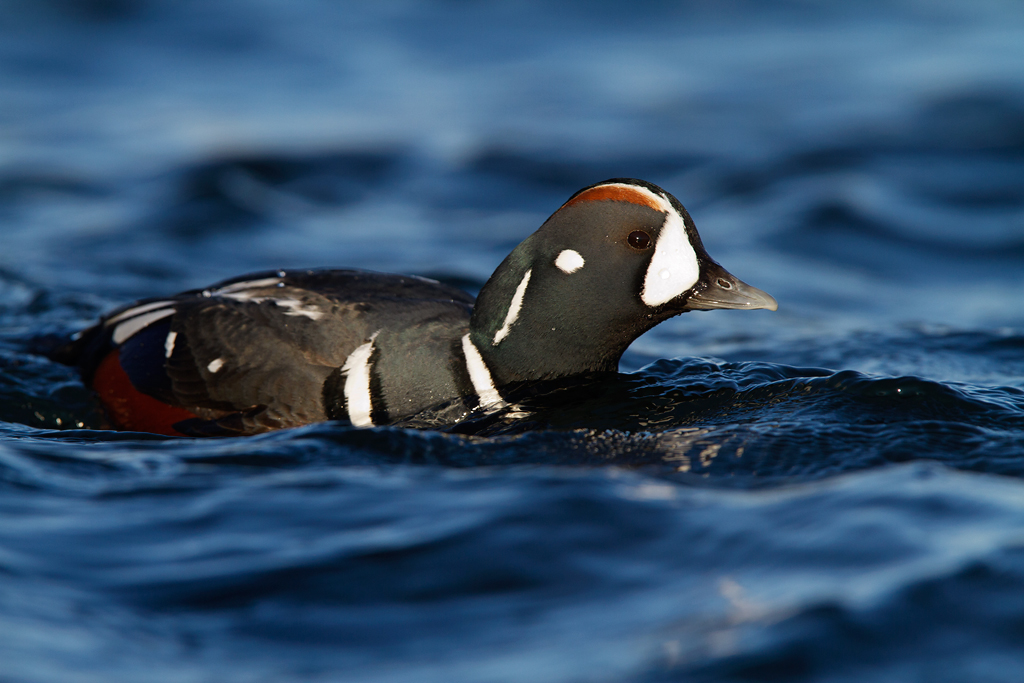
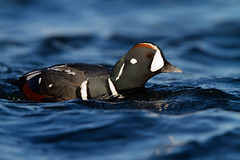
Day 8: Mývatn, or Lake of Midges, is one of Iceland’s great birding spots and we’ll spend all day here. This shallow lake teems with invertebrate life, which in turn attracts thousands of ducks. Red-breasted Merganser, Eurasian Wigeon, Gadwall, Tufted Duck, are all common. Greater Scaup are also common and provide a great opportunity to examine the differences between them and their Tufted cousins while every now and then our attention will be drawn to a beautiful Long-tailed Duck or a flock of Common Scoter, hiding among the hundreds of diving ducks. Careful scanning may produce a semi-resident American Wigeon, Ring-necked Duck or a flyby Icelandic race of Merlin. However, the real stars here are the striking Barrow’s Goldeneye and the mythical Gyrfalcon, and time spent watching flocks of the former at one of their only Western Palearctic breeding sites may well lead to an encounter with a Gyr. Few things in birding are as viscerally exciting as seeing one of these powerful falcons instill panic in the myriads of ducks and waders. The river here is another great area for Harlequin Ducks, although many of the males will be on the coasts, we can watch the females negotiating the areas of white water as if it were easy! This region is also surrounded by stunning scenery and the bubbling mud and sulphur pools, lava fields and an explosion crater are all an indication of the island’s volcanic nature. Night near Mývatn.
Day 9: Most of today will be spent on the long drive back to Reykjavík. We’ll take the ring road (Road 1) through the north and west of the country towards Reykjavík. Around the capital are always a few new birds to find and we’ll spend any spare time tracking these species down before checking into our hotel near the airport. Night in Keflavik.
Day 10: We’ll spend our last morning on the Reykjanes Peninsula, searching for any birds that may have eluded us and keeping an eye open for vagrants before we transfer to Keflavík International Airport, where the tour concludes.
Note: The information presented here is an abbreviated version of our formal General Information for Tours to Iceland. Its purpose is solely to give readers a sense of what might be involved if they take this tour. Although we do our best to make sure that what follows is completely accurate, it should not be used as a replacement for the formal document sent to all tour registrants, whose contents supersedes any information contained here.
ENTERING ICELAND: U.S. citizens will need a passport, which is valid for at least three months beyond the intended length of stay. A visa is not required for stays up to 90 days. Citizens of other nations should contact their nearest Icelandic consulate for entry requirements.
COUNTRY INFORMATION: You can review the U.S. Department of State Country Specific Travel Information here: https://travel.state.gov/content/travel.html. Review foreign travel advice from the UK government here: https://www.gov.uk/foreign-travel-advice and travel advice and advisories from the Government of Canada here: https://travel.gc.ca/travelling/advisories.
PACE OF TOUR: This is not a strenuous tour, but the plentiful hours of daylight can mean long days. With one exception (see below) there is no rough walking on this trip. If the ferry schedule allows us to visit, the day spent on Flatey island is all on foot, but the island is flat and smooth (walking on fields and dirt road) and those who get tired can always rest in the local restaurant. The walk to the great Dettifoss waterfall is however a bit rough (large rocky steps). Normally the whole visit takes 20 minutes each way and even people with walking difficulties can make the trip, with patience. Then again, one can stay in the bus. In reality, this tour has very little walking so those used to getting their daily steps in may opt for some personal walks during breaks.
We will return to our hotel in plenty of time to shower before dinner.
On some days there will be long drives; on one day in particular there will be a 500km (310 mile) drive, but the scenery will be spectacular.
Bathroom breaks are well planned out along the itinerary. There may be a couple remote areas that would require a nature stop. If a comfort stop is ever needed during any drive, just let the guide know and they will plan to visit the next available stop, typically a gas station.
HEALTH: The Centers for Disease Control and Prevention (CDC) recommends that all travelers be up to date on routine vaccinations. These include measles-mumps-rubella (MMR) vaccine, diphtheria-tetanus-pertussis vaccine, varicella (chickenpox) vaccine, polio vaccine, and your yearly flu shot.
They further recommend that most travelers have protection against Hepatitis A.
The most current information about travelers’ health recommendations for Iceland can be found on the CDC’s Travel Health website at http://wwwnc.cdc.gov/travel/destinations/traveler/none/iceland.
Smoking: Smoking is prohibited in the vehicles or when the group is gathered for meals, checklists, etc. If you are sharing a room with a non-smoker, please do not smoke in the room. If you smoke in the field, do so well away and downwind from the group. If any location where the group is gathered has a stricter policy than the WINGS policy, that stricter policy will prevail.
Miscellaneous: Midges can be a nuisence at Lake Mývatn. It is recommended to bring a headnet to keep them from flying into your eyes, nose and mouth. They don‘t bite however.
If you suffer from motion sickness then appropriate pills/wrist bands/patches are strongly advised for the whale watching trip.
CLIMATE: Generally the weather is changeable throughout the year and you should be prepared for the unexpected. Summers are usually cool and cloudy with periods of sunny weather (June/July average 10.6°C /51°F, maximum 30°C /86°F).
ACCOMMODATION: At the time of writing, all our hotels will have private facilities (toilet, shower, etc.) in the room. However, guaranteeing accommodation in some places can prove difficult, and we may end up moving to accommodation other than we originally planned to use. Should this happen, we may find that some bathroom facilities are shared. If you have difficulty sleeping at night because of the natural light, you may want to bring an eye-mask for total darkness.
Internet Access: All of our hotels offer WIFI and mobile phone service is very good all around Iceland.
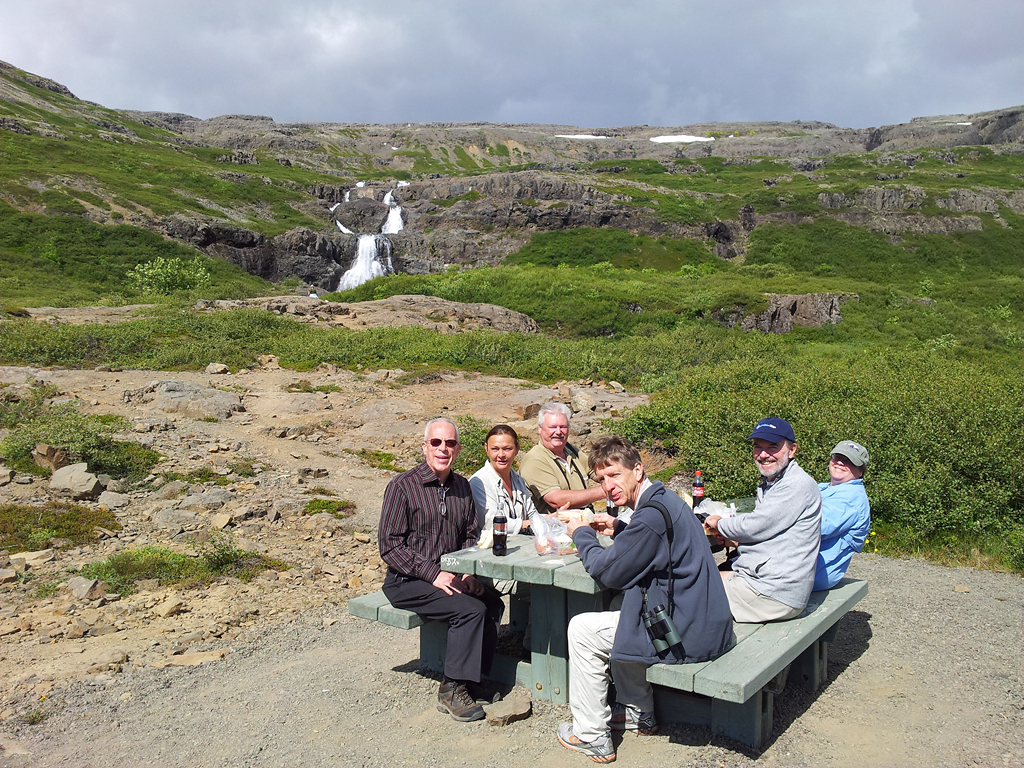
FOOD: We will have breakfast at our hotels usually in a buffet format, lunch will normally be sandwiches bought from local bakeries or excellent soup of the days from local restaurants. Dinner offers the perfect opportunity to try many of Iceland’s delicious meals where you can have anything from fresh-caught Arctic Char and Atlantic Cod, Plokkfiskur, to locally raised Lamb. American style food such as burgers and pizza are widely available as well. Vegetarian food is available on request. Generally, the standard is very high often being the highlight of many!
Drinks: Water and/or a soft drink is provide at lunch and water, a soft drink or a beer is provided at dinner, as is coffee or tea. Please note the minimum drinking age in Iceland is 20 years. Bottled water will be provided in the vehicle during the day. All other drinks or ‘personal’ drinking water for use in your room is the responsibility of the individual. Despite the occasional smell of sulphur, tap water is safe to drink in all our hotels and is some of the cleanest tap water in the world.
Food Allergies/Requirements: We cannot guarantee that all food allergies can be accommodated at every destination. Participants with significant food allergies or special dietary requirements should bring appropriate foods with them for those times when their needs cannot be met. Announced meal times are always approximate depending on how the day unfolds. Participants who need to eat according to a fixed schedule should bring supplemental food. Please contact the WINGS office if you have any questions.
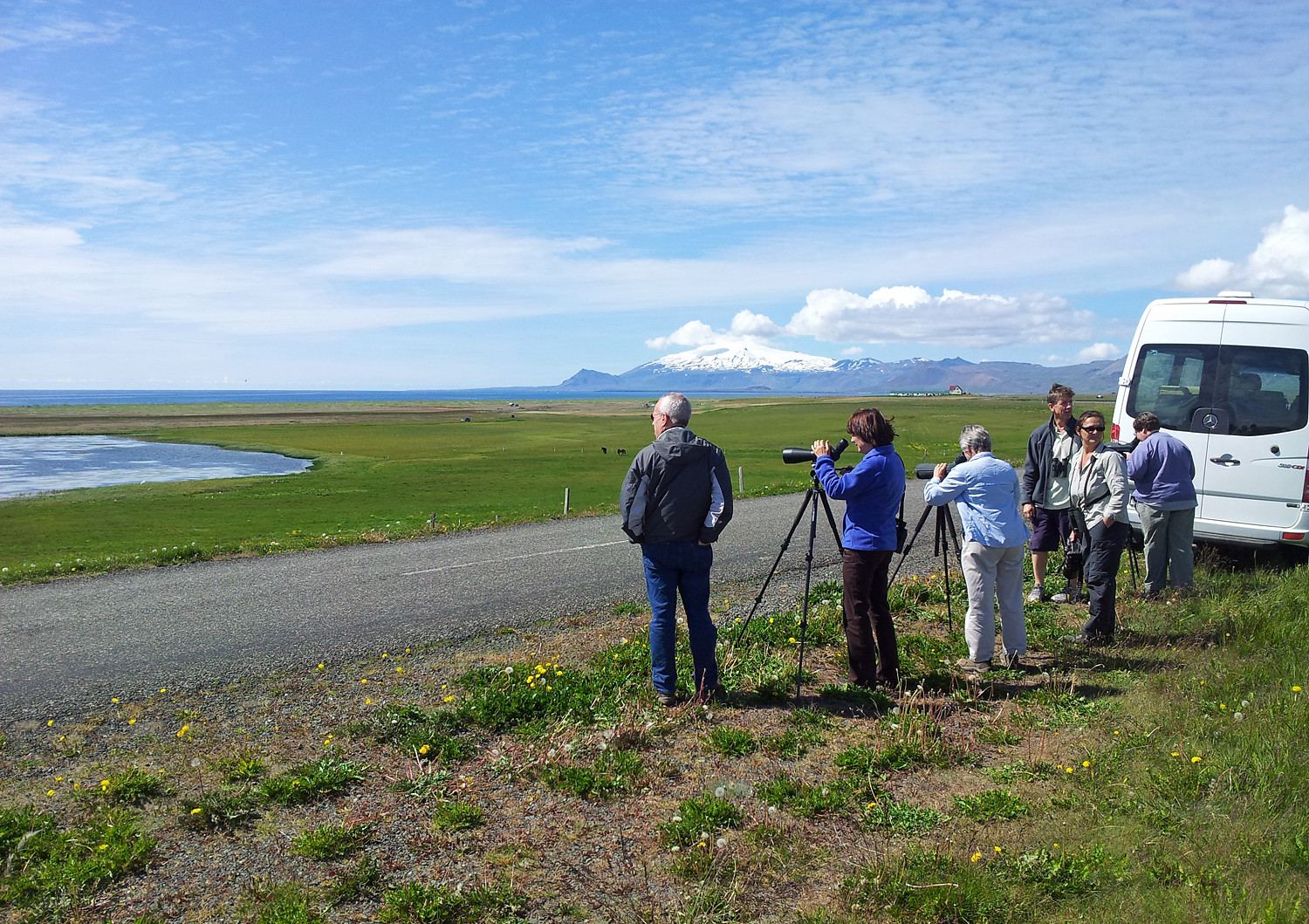
TRANSPORT: We will be using a standard minibus throughout the tour driven by the leader. This comprises of two rows of 3 seats in the rear and a passenger seat. The leader will arrange a seating rotation system. Participants must be willing to ride in any seat in tour vehicles.
Iceland Tour
We can't render google maps without your cookie consent. To see the map, please reset your cookies, then accept all, then reload this page.
2026 Narrative
IN BRIEF: Sitting in the cold, gray waters of the North Atlantic, Iceland is a country that has long inspired the imagination of travelers and birders alike. This is the land of ice and fire and of ancient sagas, where the mighty Gyrfalcon drifts over a dramatic volcanic landscape dotted with glaciers, gushing geysers, hot springs, mighty waterfalls, and endless emerald-green vistas. Iceland is almost too beautiful to be believed. The birdlife is equally dramatic and varied, with special species such as Barrow’s Goldeneye and Harlequin Duck; the spectacle of thousands of breeding alcids and waterfowl; and lakes inundated with Red-necked Phalaropes.
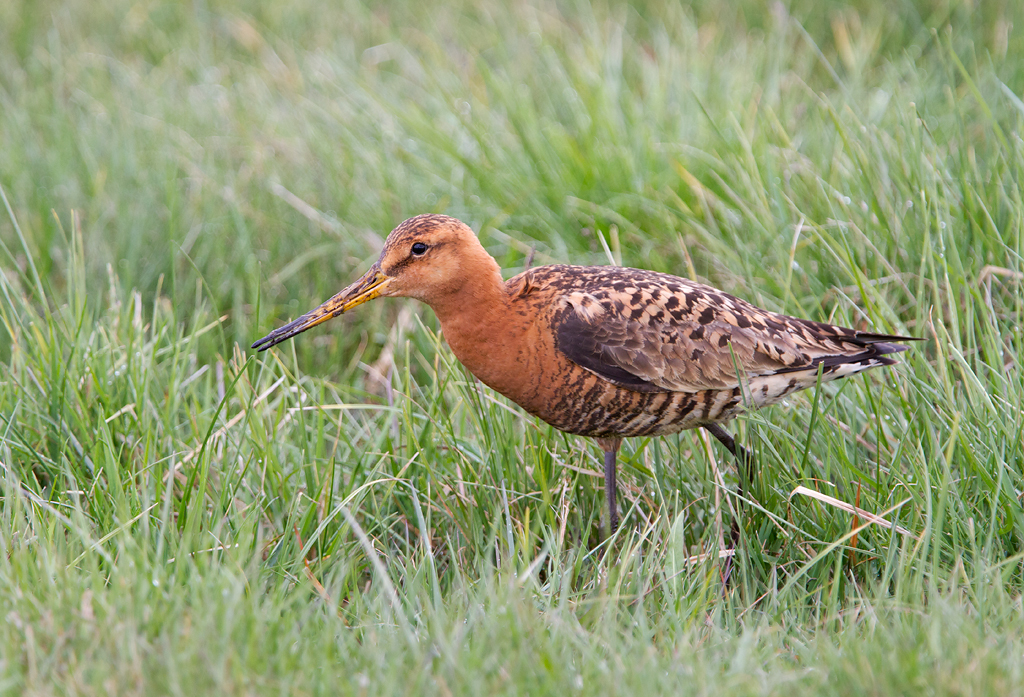
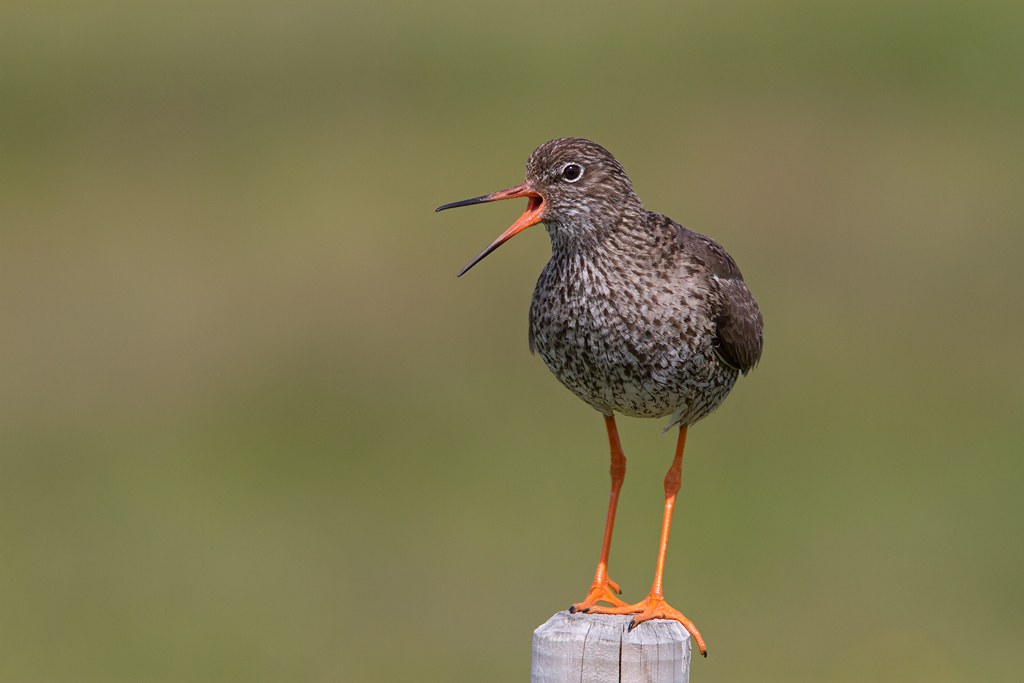
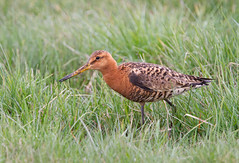
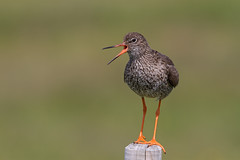
IN DETAIL: You don’t have to venture far from the airport for birds. Once everyone had arrived from their overnight flights, we were out birding after just a 15 minute drive. The morning was spent focusing on the Reykjanes Peninsula, on which the airport is located. Our first stop was a small set of ponds that gave us our first taste of birding in Iceland. Graylag Geese with an out-of-place Pink-footed Goose mixed in, Mallards, Tufted Ducks, and Common Eider lounged along the shorelines while a number of gulls roosted on the rocky islands including Black-headed, European Herring, Great Black-backed, Glaucous, and Iceland. We even got to study a Glaucous x European Herring Gull hybrid. We also had our first shorebirds, with the likes of Eurasian Oystercatcher, Common Redshank, Black-tailed Godwit, Red-necked Phalarope and the everpresent Common Snipe. Turning our attention to the few passerines around, we had Meadow Pipit, White Wagtail, and a flyby European Starlings. A distant Rock Ptarmigan offered scope views.
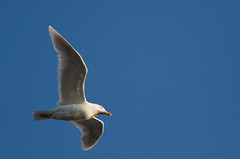
Down the road we arrived at the Garðskagi lighthouse. The shoreline here hosts large numbers of Common Eiders, mainly females and young individuals. We also picked out Common Ringed Plover, Ruddy Turnstone and Sanderling working the tideline. Out on the rocky point were a group of European Shags and no fewer than 450 roosting Black-legged Kittiwakes while Northern Gannets, Northern Fulmars, and Atlantic Puffins flew past us offshore along with a few Parasitic Jaegers and Manx Shearwaters.
Next we visited a couple ponds that can turn up just about anything. Lesser Black-backed Gulls and Arctic Terns were dominate and we also picked out our first Eurasian Wigeons among the usual suspects.
With some excellent birding behind us, we worked our way to lunch stopping en-route for a Eurasian Collared-Dove, which is a recent colonizer to Keflavik and also watched our first Eurasian Blackbird.
Afterwards, we visited a coastal site where a White-winged Scoter has been hanging out for a number of years. After a little scanning, we quickly spotted it lounging out in the bay. We also added Whooper Swan, European Golden-Plover, and Dunlin to our growing day list.
Leaving the peninsula behind, we began working our way north to our hotel stopping outside Reykjavik at a productive pond where we added Northern Shoveler, “Eurasian” Green-winged Teal, Redwing, but sadly not the reported Curlew Sandpiper, a vagrant to Iceland.
After dinner, we were out again to target the Eurasian Woodcock. Despite being light out for 24 hours, they still are most active at ‘dusk’. We were quickly welcomed by two woodcocks flying over our heads calling. We also could hear a one of the young Long-eared Owls calling from a nesting site and eventually an adult made a couple passes in front of us. These were discovered a few years ago on this WINGS tour and have been reliable ever since. On the route between here and the hotel hosted several hundred Common Shelducks.
After a long, busy, but successful day, we slept in a little the next morning before having breakfast and continuing our journey north. Before leaving town, we birded Location Borgarfjarðarbrú where we picked up Black Guillemot and Purple Sandpiper.
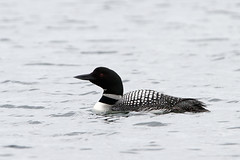
Iceland has a road that circles the entire island, which is aptly named the Ring Road, and is driven by most tourists. With that in mind, we took any opportunity to get off of it to travel quieter backroads. We took a detour this morning, which allowed us to bird at a slower pace and make more frequent stops. A series of small lakes hosted many breeding pairs of Red-throated Loons, all in stunning breeding plumage, which we were able to watch display and call. Other highlights included countless displaying Black-tailed Godwits, a half dozen or more Rock Ptarmigans teed up on small outcrops, plenty of Whooper Swans, and several Meadow Pipits, affectionately nicknamed ‘Mipits’.
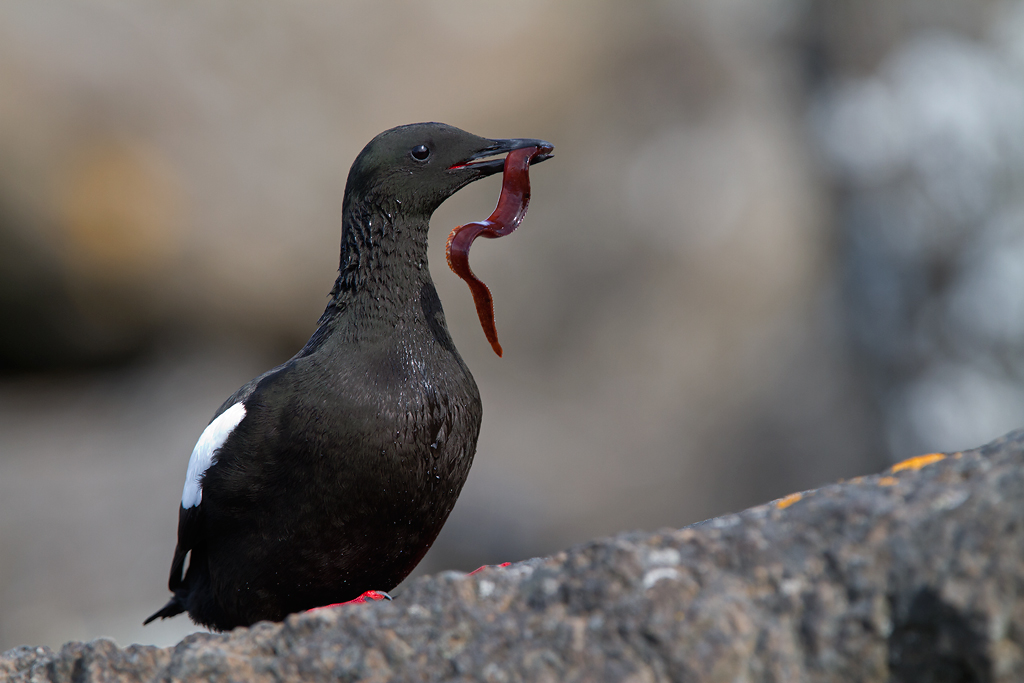
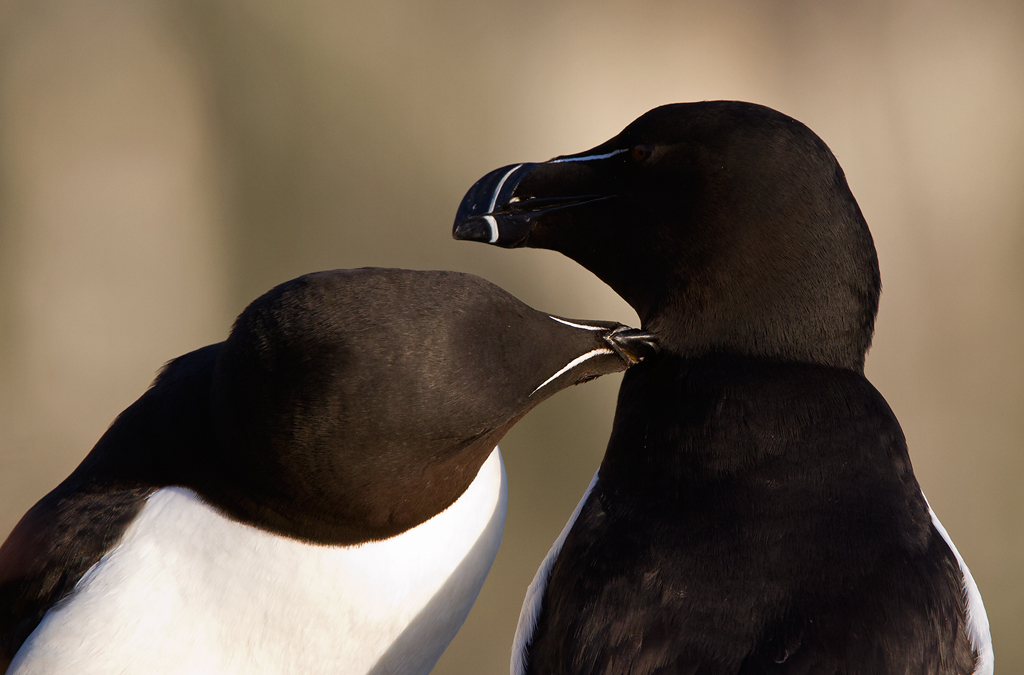
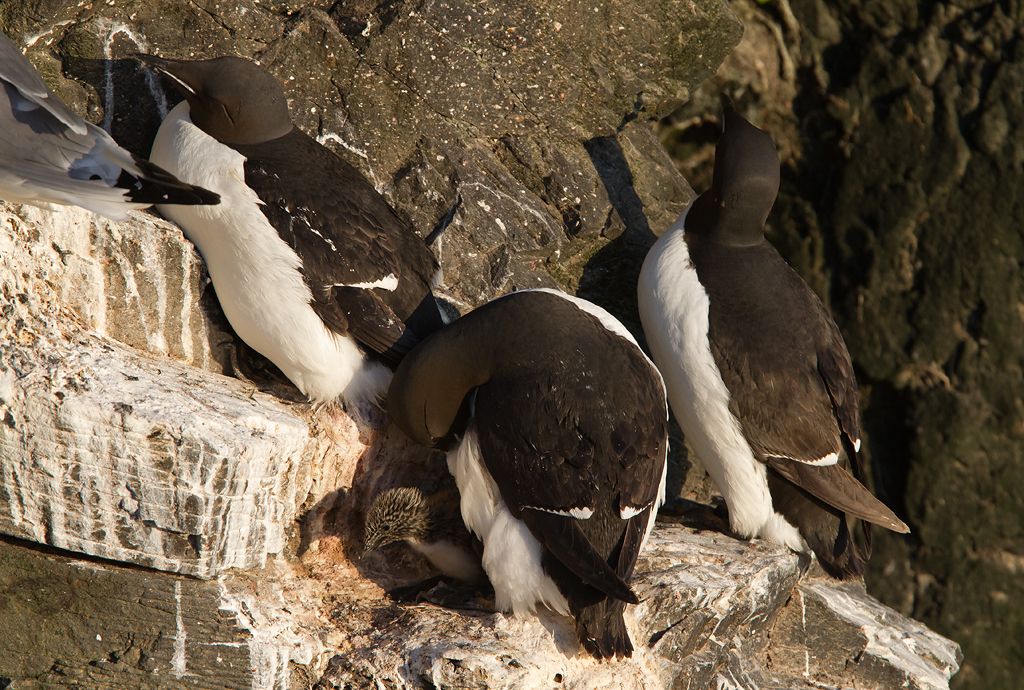
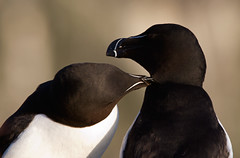
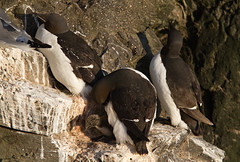
After a nice sit-down lunch, we arrived on the Snæfellsnes Peninsula and completed a full loop of the peninsula before checking in to our hotel. We scanned a series of large ponds adding Horned Grebe and Greater Scaup to our list. With the incredible Snæfellsjökull Volcano in view, we made a stop at a large cliff face which towers over the coastline. Here, we enjoyed views of hundreds of Common Murres with a few Thick-billed Murres mixed in, offering us a great opportunity to compare these similar species. We also had plenty of Razorbills, a dozen Atlantic Puffins, and countless kittiwakes and fulmars at close-range. We also had our first gorgeous Harlequin Duck of the trip.
A couple smaller stops before checking into our hotel added Northern Wheatear and improved views of Harlequin Ducks up close and a couple more Purple Sandpipers.
The next morning we headed towards Olafsvik for our whale-watching trip. Out in the bay two Minke and one Sperm Whale along with several White-beaked Dolphins were the highlights as well as some close views of Atlantic Puffins. Lunch at a small local restaurant didn’t disappoint. This restaurant has the most delicious seafood soup you can imagine, and it was welcome after a boat trip. Afterwards we birded around the peninsula a little more enjoying some spectacular sunny warm weather, which is never a gaurantee in Iceland, picking up Great Cormorant and a flock of six Canada Geese. We also spent some time scanning through 2,500 Common Eiders hoping for a King, but turned up empty hand (so far).
The next morning we normally take the ferry across the fjord into the Westfjords. However, it was being used for road construction and was temperarily not in operation. With that said, we opted to drive the longer route around the fjord, which offered countless views of mountains, stunning fjords, and coastal waters. This also allowed us to check up on a White-tailed Eagle nest, which had an adult and a chick!
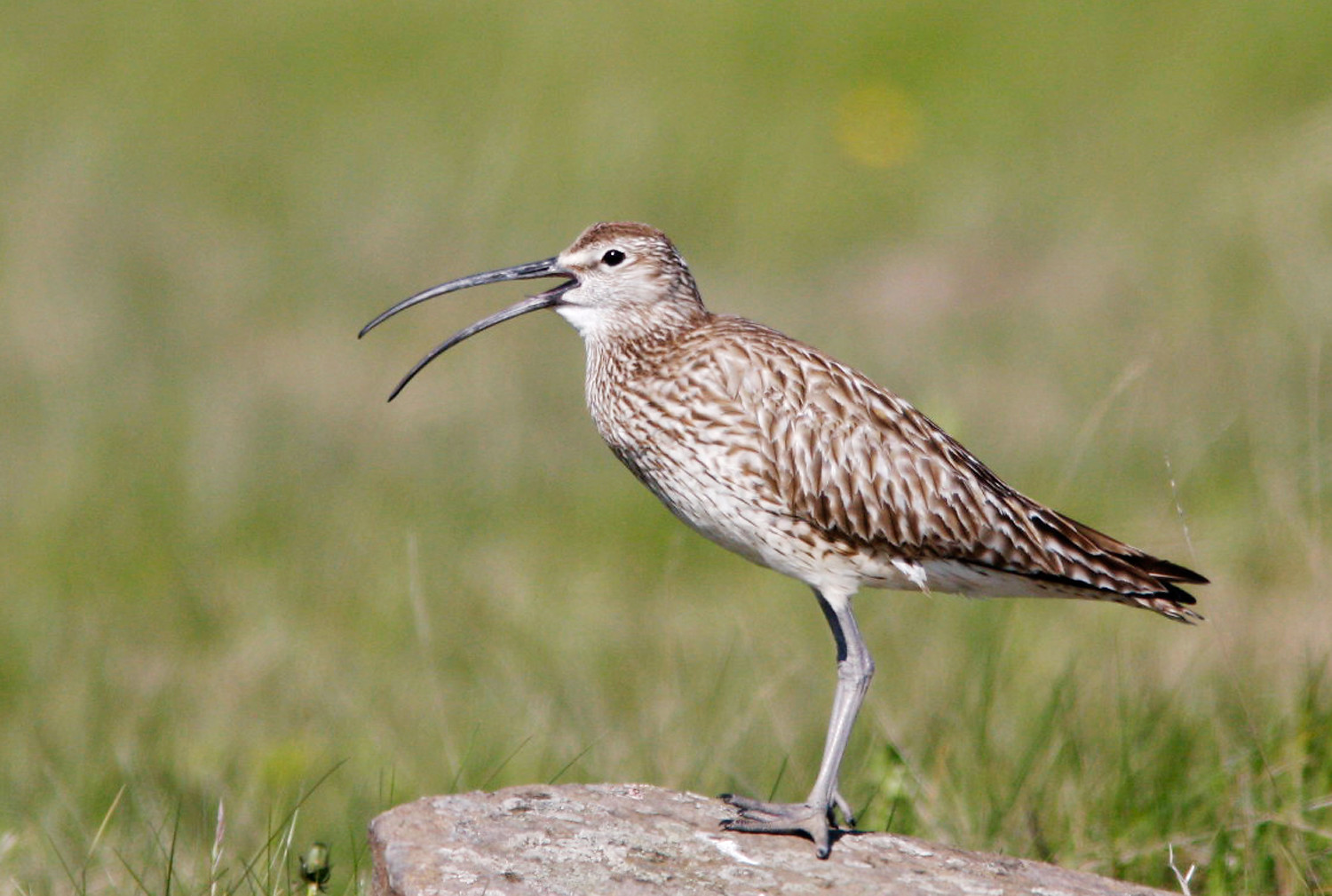
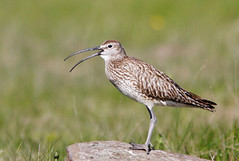
We arrived at our remote accommodation early and had some relaxing time birding around the property where European Golden-Plovers, Eurasian Whimbrels, and Dunlin were actively displaying while a series of small ponds hosted active Red-necked Phalaropes and a coupe breeding pairs of Red-throated Loons.
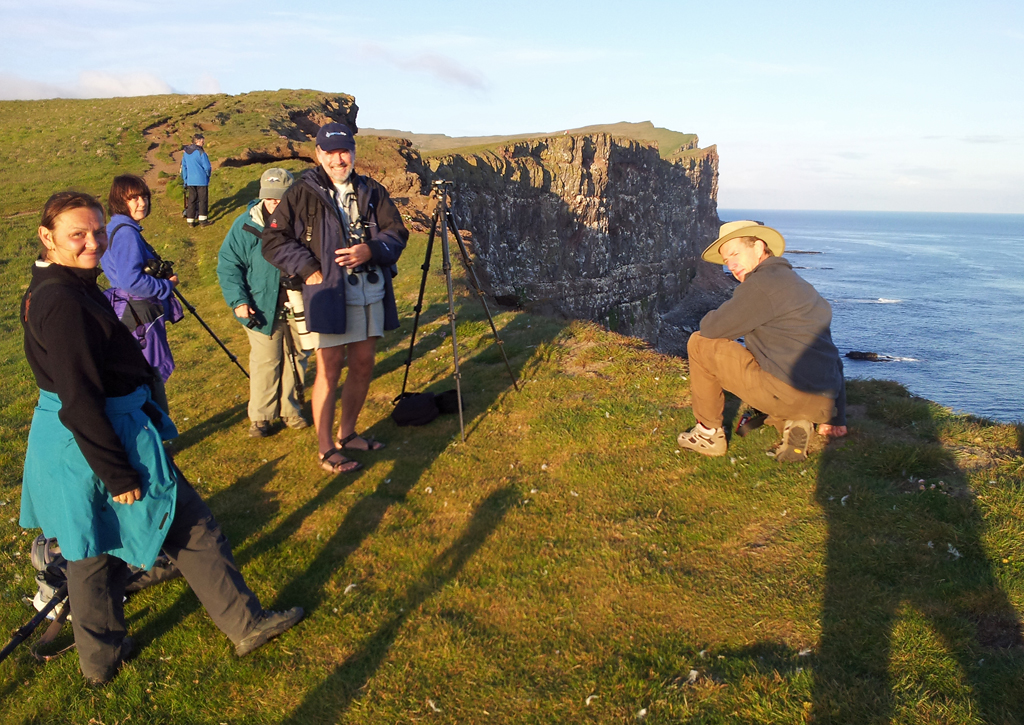
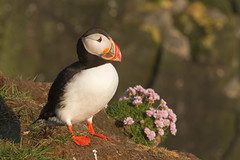
After a wonderful dinner at our hotel we headed for the nearby Látrabjarg cliffs, one of the largest seabird breeding colonies in all of Europe. They are best visited late in the evening when most of the puffins have returned from their daytime fishing efforts. We enjoyed a couple dozen Atlantic Puffins just feet away, offering phenominal photographic oppertunities. Common Murres, Razorbills, Northern Fulmars, and Black-legged Kittiwakes were also well represented.
The following day was mostly a travel day as we left the magnificent Westfjords and worked our way east across northern Iceland. The scenery was ever-changing, which made for a very enjoyable drive. Along the way we had our first gorgeous Long-tailed Duck. Before reaching our stopover accommodation, we visited a local wool factory, which offered some local shopping of homemade goods made from Iclandic wool.
The next morning we set off, continuing our journey east with many planned stops along the way.
The Héraðsvötn river valley, one of the largest in Iceland, is fed by the Hofsjökull glacier. This valley hosts a large population of breeding Pink-footed Geese. This species has rapidly increasted in numbers and can now be found at lower elevations when it was previously only found at higher glacial fields. After our sucessful wild goose chase, which involved many ducklings, we continued towards the quaint town of Akureyri. Along the way we had plenty of Common Gulls and a pair of Common Mergansers.
On the outskirst of Akuyeri, we visited a large forest on the edge of town where we found two Fieldfare, a recent colonist to Iceland known to occur only in this forest, along with several Goldcrests, Redpolls, and Eurasian Wrens.
After a tasty lunch in Akureyri, we headed to a secret breeding location for Long-tailed Jaegers. Along the way we stopped by an undistinguished lake picking up a Ring-necked Duck among several dozen Tufted Ducks. Once in the tundra-like landscape of the jaeger, we checked on the next, which seemed to have been abandoned. Turning our attention to nearby areas, we eventually tracked down a pair and watched one flying around right by us showing off it’s breeding plumage complete with long tail streamers.
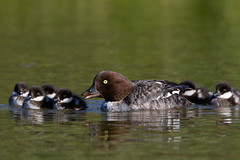
We continued east towards Husavik with our last stop being just a mile from our accommodation where a river played host to no fewer than 40 Barrow’s Goldeneyes. We sat on the bridge over the river and reveled in these lovely ducks mixed in with an assortment of other species including Long-tailed and Tufted Ducks, Eurasian Wigeon, Eurasian Teal, Gadwall, and Greater Scaup. After dinner in town, we headed to a lupine-blanketed hillside where we had a Short-eared Owl hunting over the scenic landscape.
The follow day was spent around the Tjörnes and Melrakkaslétta Peninsulas and the Öxarfjörður bay. First up a quick stop near our hotel where an Arctic Loon has been returning to the same lake for a number of years now. It was found in the usual spot between to small islands.
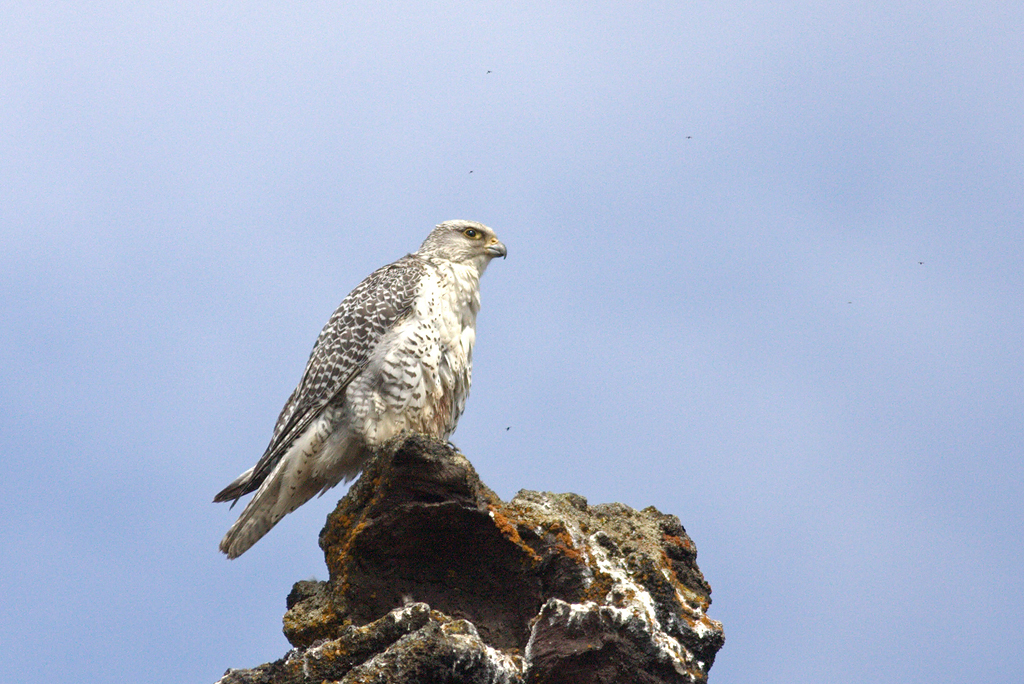
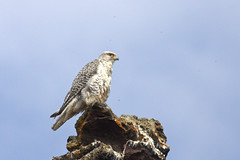
We then detoured towards a Gyrfalcon cliff site as the weather wasn’t looking promising for when when we’d be there the next day. This proved to be an excellent idea as we had good scope views of an adult sitting on a prominent cliff face. Celebrations ensued for this major trip target!
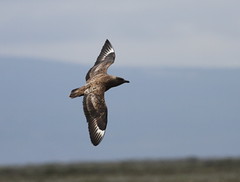
Returning to the coast, we stopped by a prominent viewpoint along the north coast to scan for Great Skuas, which fly right along the shoreline. Luck was on our side as one flew practically right over our heads! We also had excellent birding in general with eight species of shorebirds, Atlantic Puffins, plenty of Northern Fulmars, and a few Snow Buntings. The rest of the day was spent completing a loop along the northshore adding a long staying vagrant Black Tern and a bonus Brambling.
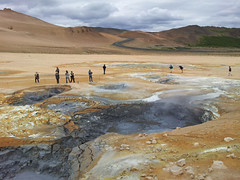
The next morning we headed to the magnificant Dettifoss, the second most powerful waterfall in Europe, before continuing to Lake Myvatn via some geothermal bubbling pools of mud and steaming fumaroles. But not before picking up an Iceland Gull, a key species to see in Iceland of all places.
Lake Myvatn, which translates to ‘lake of midges’, is a volcanic lake and hosts thousands of waterfowl. We decided to return to the Gyrfalcon site as the weather was better than forcasted. This proved fruitful because not only did we see an adult, but also three juveniles hanging out in the nest! It’s not that often you get to see four Gyrfalcons together.
The rest of the day we completed a loop around Lake Myvatn stopping for locally made ice cream along the way. Back on the bird front, we had over a thousand ducks including our first and only Lesser Scaup along with a couple Common Scoters.
The following day was a travel day as we worked our way back towards the captial. We broke up the drive with a stop at the stunning Godafoss. Before reaching the capital, we visited a conifer plantation where after a bit of searching sadly did not located the Red Crossbill that was here the week prior.
Making the most of our final day, we headed towards Grindavik, a town that has recently been in the news due to lava having taken out a few houses. Passing through recently built roads atop massive new lava fields, we reached the town which was nearly deserted.
Continuing on, we headed to our final stop of the tour, the Reykjanes Lighthouse. From here we could see Eldey Island offshore, which was the last location of the Great Auk, which went excint in 1844 when the last breeding pair was killed. Today it is home to 16,000 breeding pairs of Northern Gannets, which we could clearly see through the scope. This viewpoint offered excellent birding in general and an excellent way to end the trip with hundreds of murres, razorbills, and puffins flying offshore, plenty of Northern Fulmars, hundreds of nesting Black-legged Kittiwakes, and a half-dozen Manx Shearwaters flying offshore.
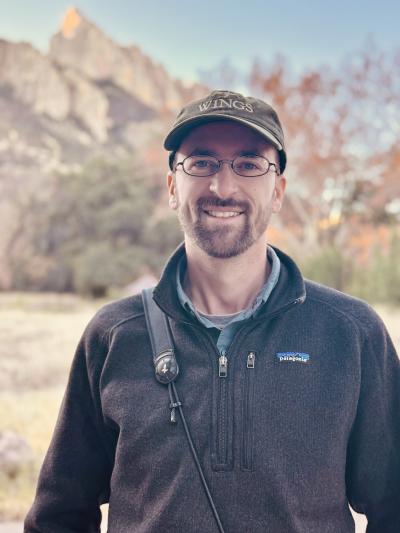
- Ethan Kistler
Ethan's "inside knowledge" of special out-of-the-way sites to see new species was particularly impressive. We could rely on both leaders for information on habitat, nesting, behavior and other detail, which very much enhanced the experience, rather than simply "getting out of the car to see the bird". I feel very lucky to have had the opportunity to bird with such stellar leaders. Also, well aware of Ethan's organizational efforts going on constantly behind the scenes.
- Christina B. on Iceland
Ethan was super. He is extremely knowledgeable, particularly about birds, but also about Iceland. His dedication and determination to help everyone see those birds they really wanted to see was impressive. His energy seemed boundless.
- Karol P. on Iceland
The tour covered a HUGE amount of ground and multiple habitats, as I had hoped and as advertised. There was extraordinary opportunity and effort made to see as many birds as possible. Ethan and Stephen were excellent spotters and careful about describing location and descriptions to find obscured birds. Ethan also went to a lot of effort to scout out lunch and dinner stops, making that aspect of the trip extremely enjoyable as well. Finally, I really appreciated the non-birding stops - waterfalls and whaling in particular - we had a chance to truly see a range of Icelandic landscape and geology, towns and countryside, and not just because of the ground covered while driving.
- Christina B. on Iceland
The tour was well thought out with a variety of experiences and an emphasis on birding. The birding was excellent, and it was so enjoyable to be with other enthusiastic birders. The main focus was birding, but it was good to learn more about the history, geology, and culture of Iceland as well.
- Joy K. on Iceland
Maximum group size eight with one leader.
More Tours with these Leaders
South Africa: The East
Birds and Mammals
Birds and Mammals
Nov 3-21, 2026 • Ethan Kistler