Chile: Pumas in Patagonia
-
Jan 2028
Fabrice Schmitt
-
Jan 2029
Fabrice Schmitt
Tour Price to be Determined
2029
Tour Price to be Determined
Tour Price to be Determined
2029
Tour Price to be Determined
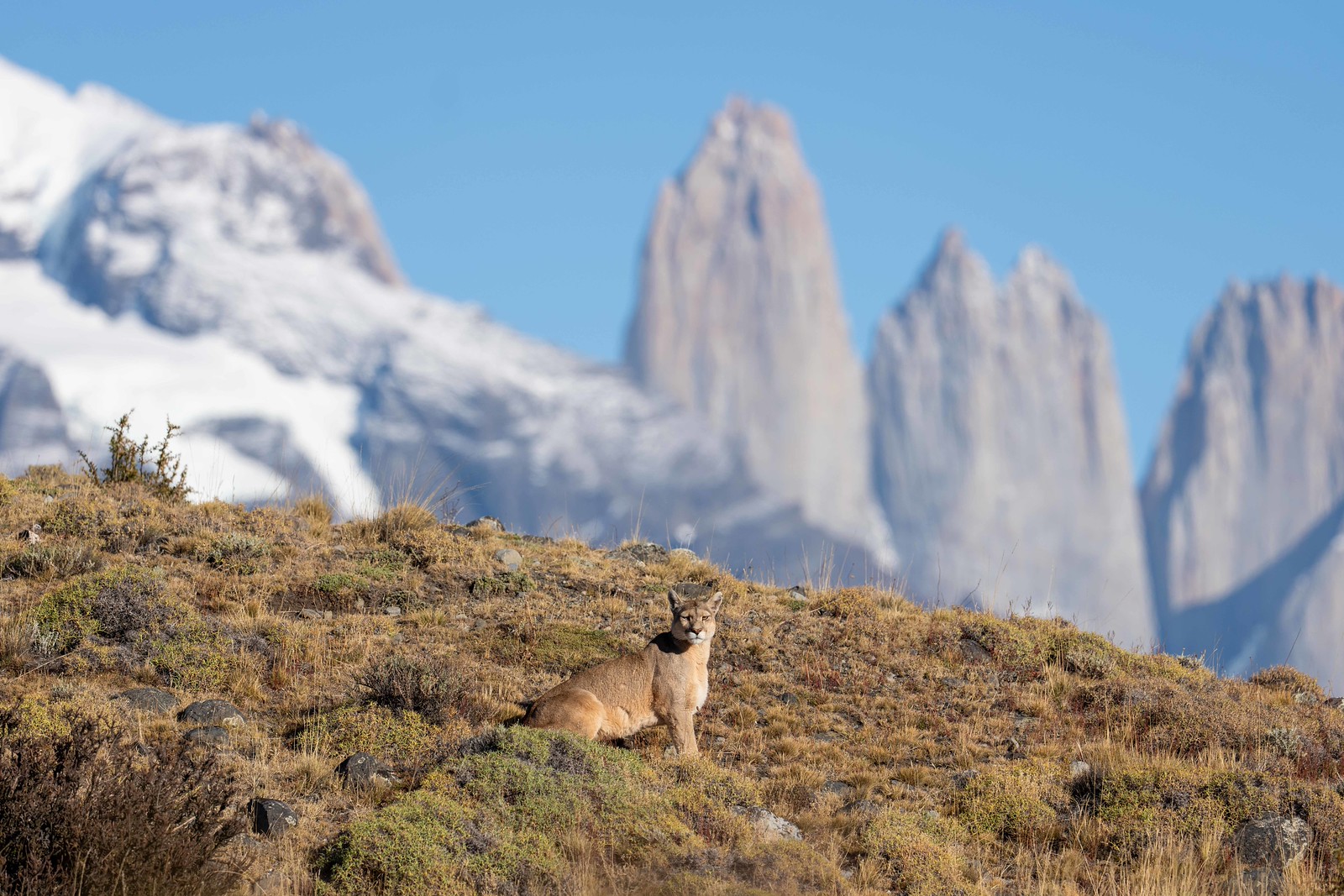
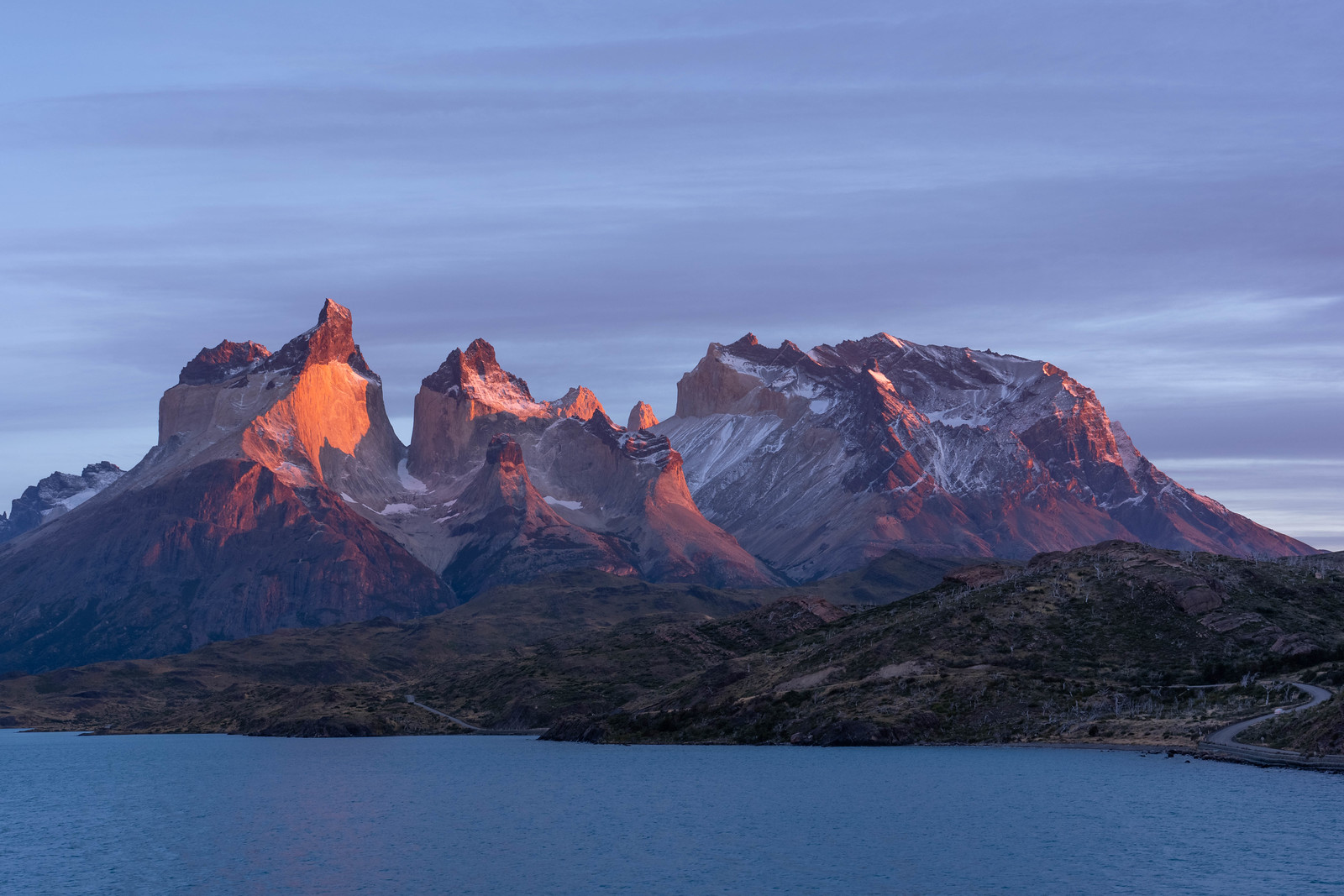
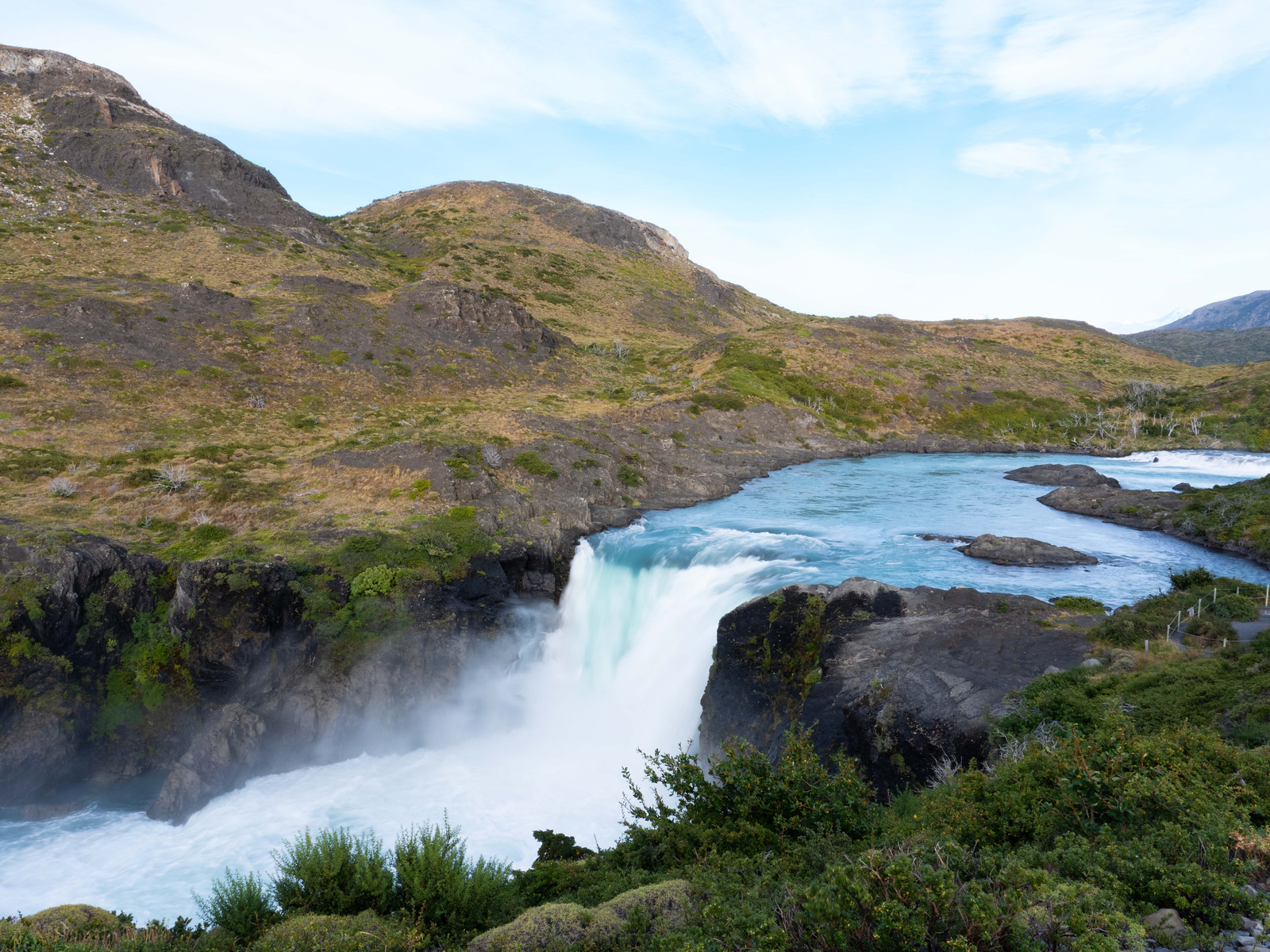
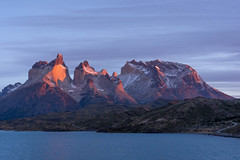
Torres del Paine is one of the world’s most spectacular national parks. Its unique geological formations, notably the Cuernos (Horns), a group of 2,000-meter-high peaks located in the transition zone between the forest and the Patagonian steppe, make it truly unique.
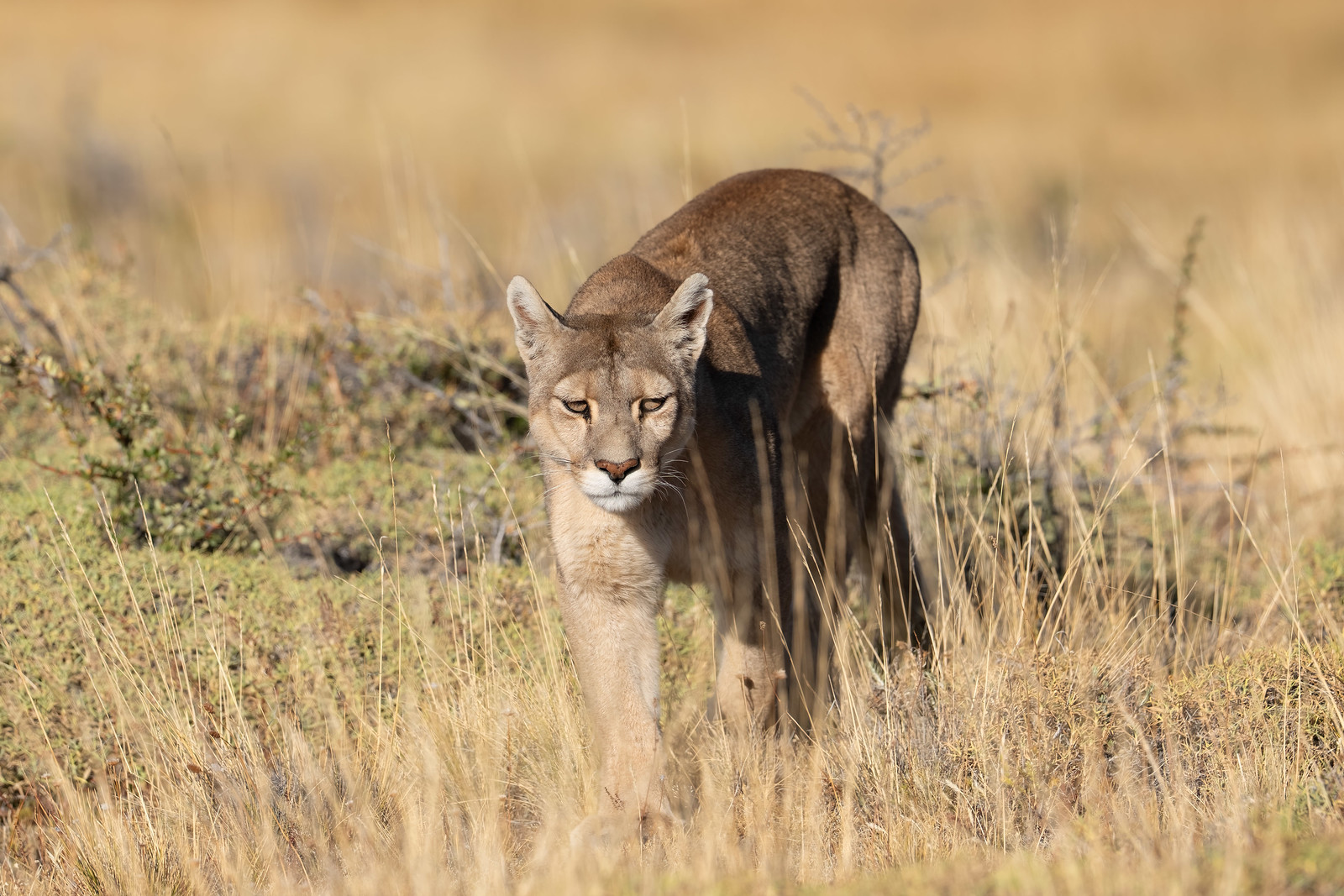
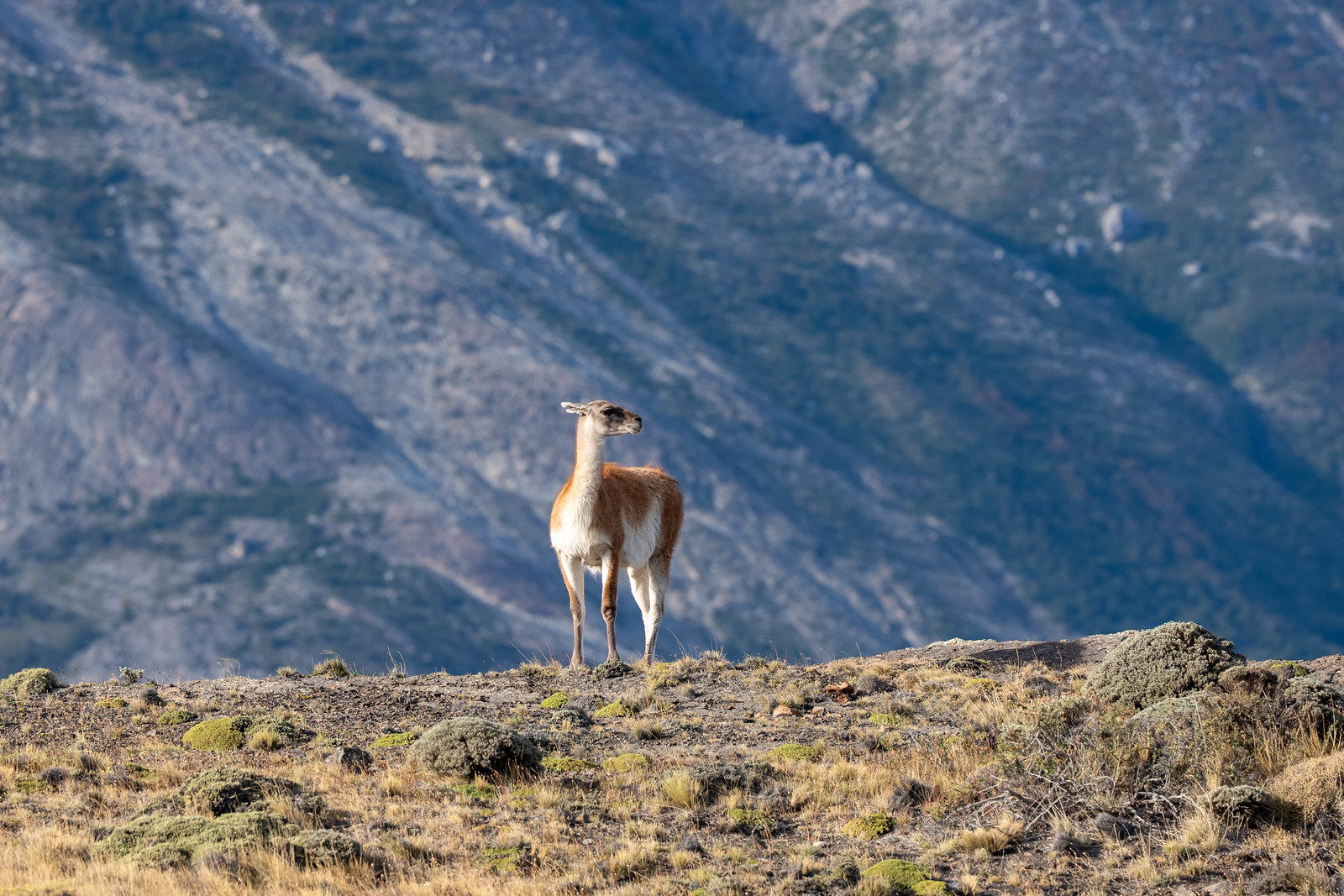
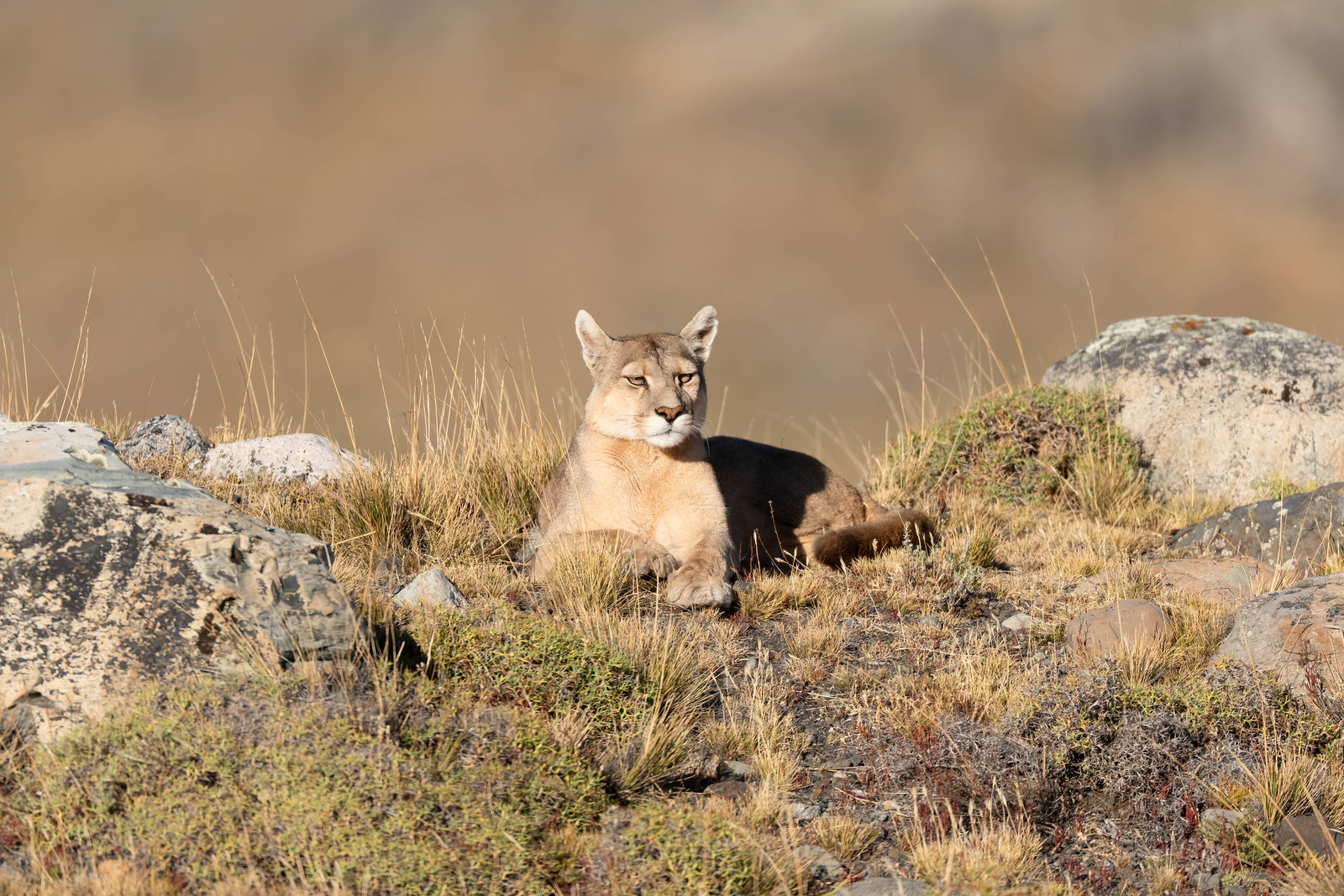
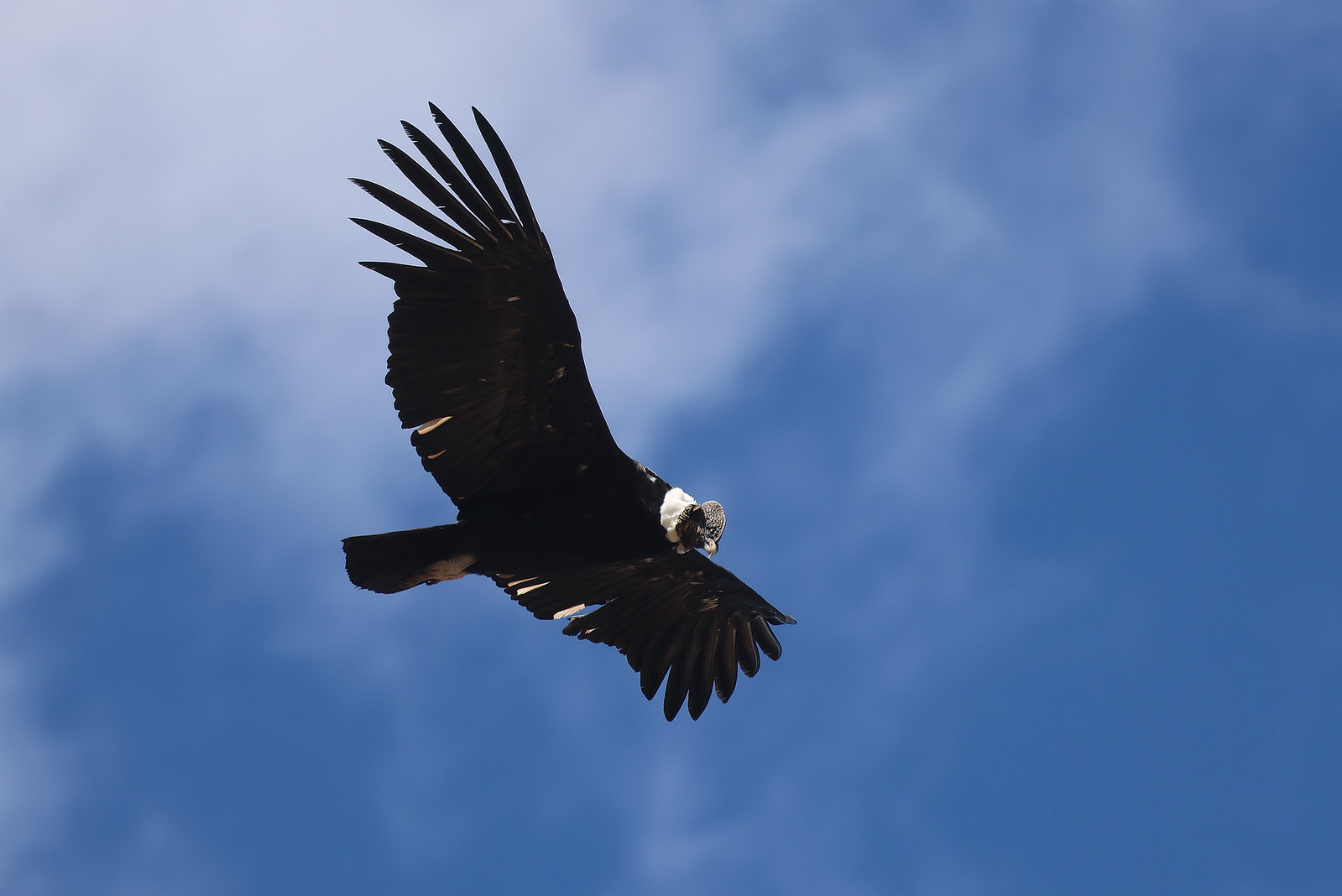
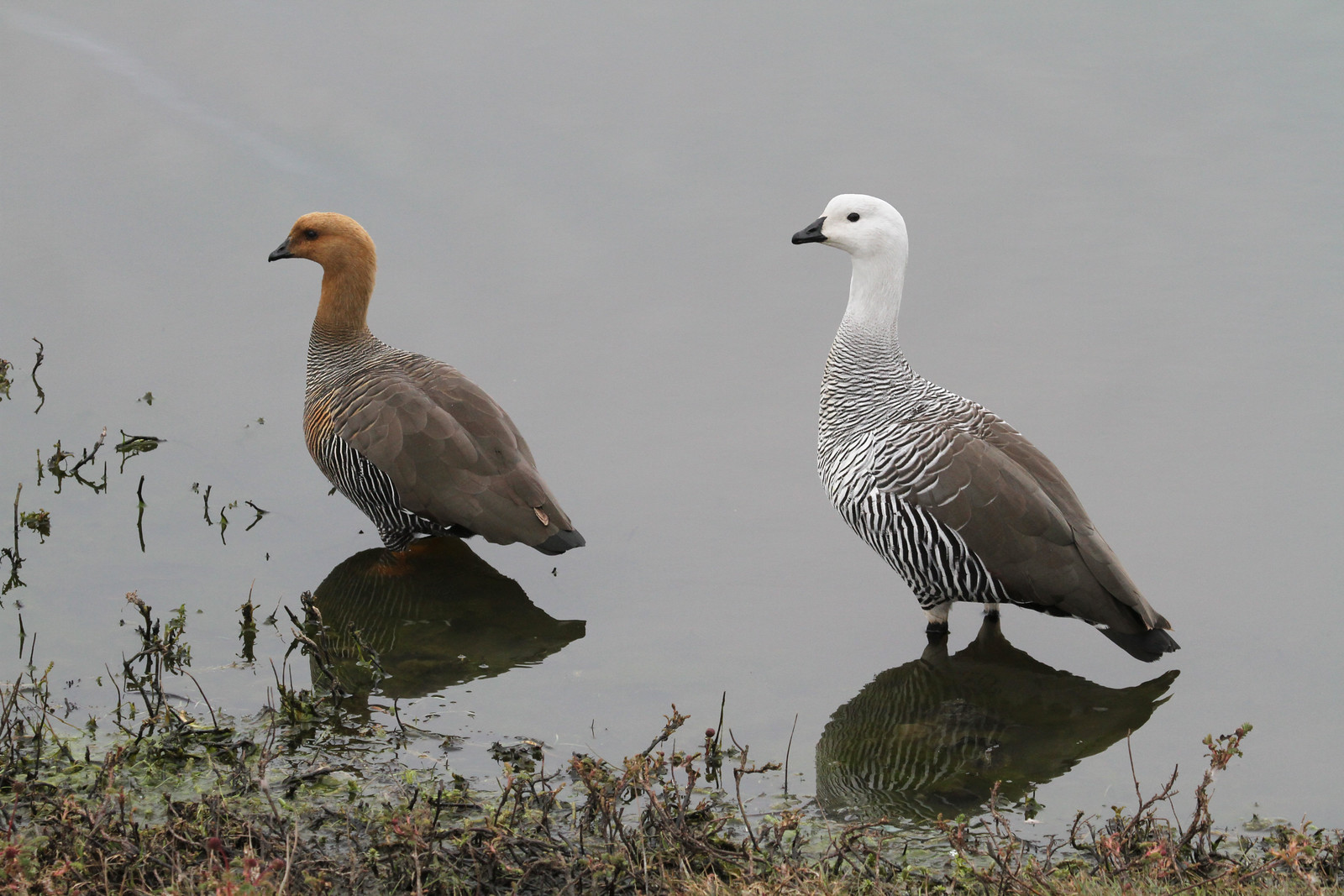
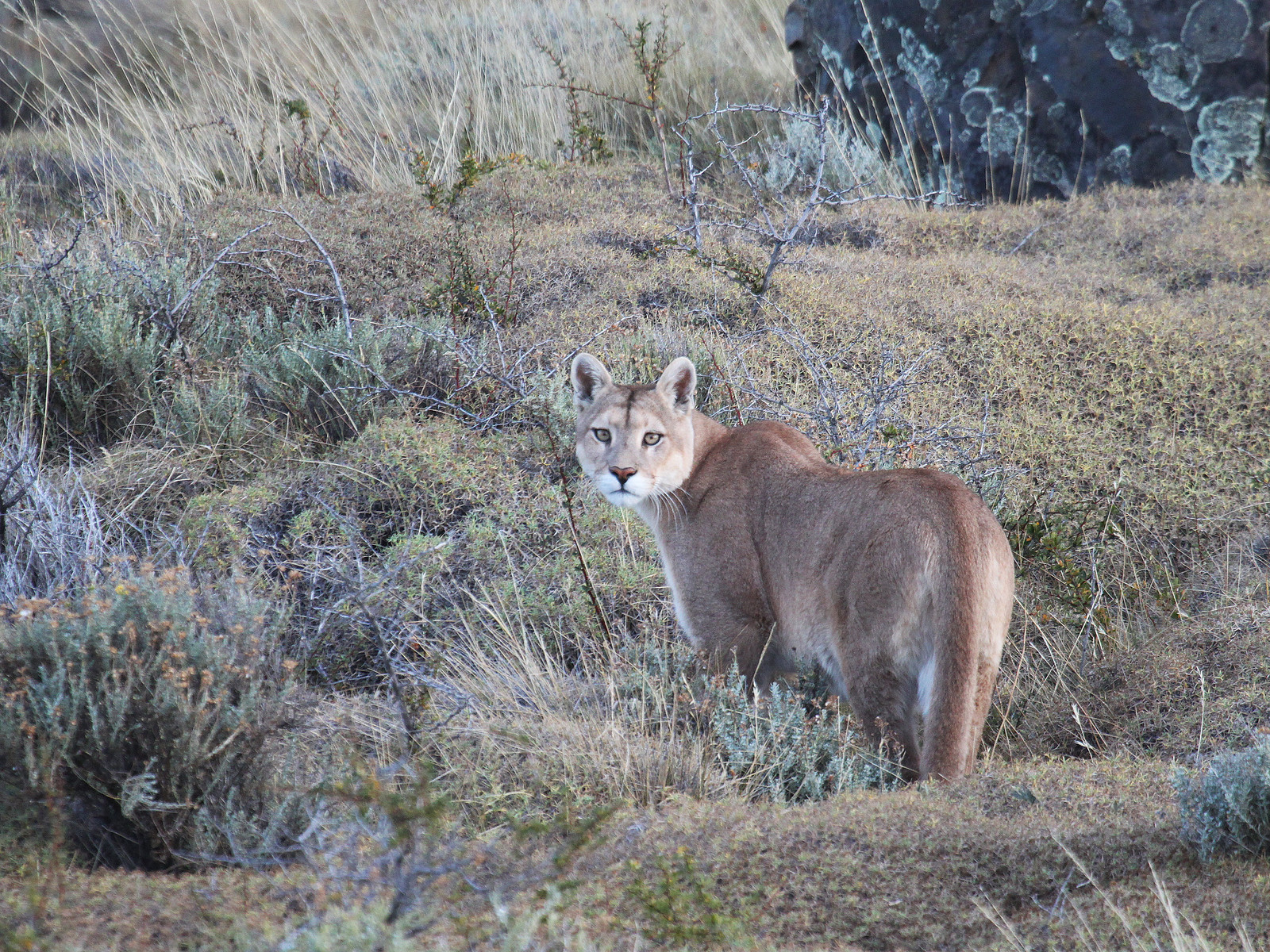
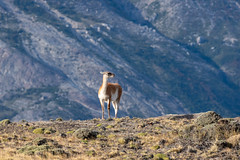
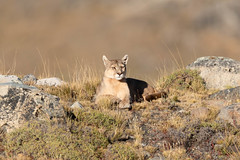
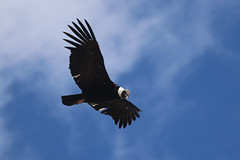
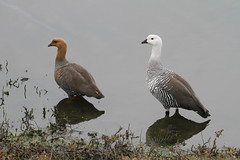
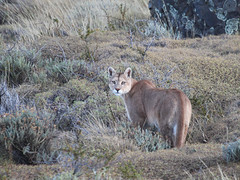
In addition to breathtaking landscapes, the Park supports numerous bird species including Upland and Ashy-headed Geese, Lesser Rhea, Austral Parakeet (the southernmost parrot in the world), the charming Austral Negrito, and the impressive Andean Condor. It also has a high density of Puma, probably because Guanaco, their primary prey, is particularly abundant. We have a very good chance of seeing this magnificent predator largely because of the area’s sheep farmers. In recent years, nearby sheep farmers have realized that enabling puma sightings is more profitable than hunting them.
In addition to Torres del Paine, we’ll visit several near legendary locations including the Strait of Magellan and the island of Tierra del Fuego. In these magnificent settings, we hope to encounter an impressive array of birds such as the King Penguin, Magellanic Plover, Black-browed Albatross, Magellanic Oystercatcher, Flightless Steamer-Duck, Rufous-chested Dotterel, Chocolate-vented Tyrant, Two-banded Plover, Ruddy-headed Goose, among many others.
Day 1: The tour begins in the evening at our airport hotel in Santiago. Night near Santiago Airport.
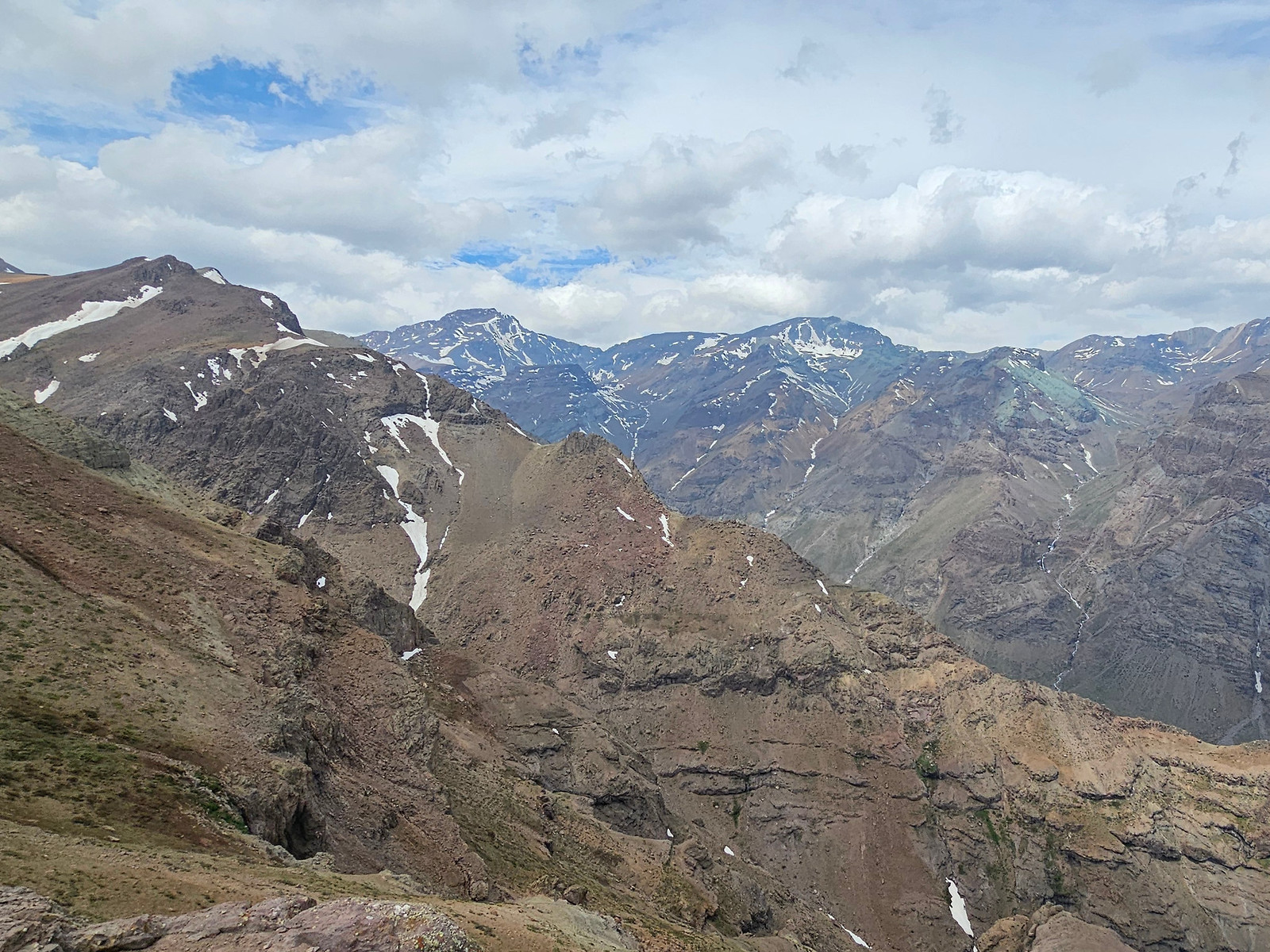
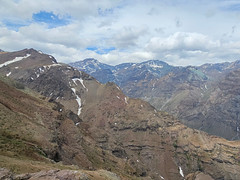
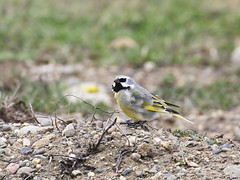
Day 2: We’ll spend the day exploring the Andes near Santiago. The landscapes around the Farellones and Valle Nevado ski resorts are breathtaking, and on the sparsely vegetated slopes, we should encounter Greater Yellow-Finch, Rufous-banded and Creamy-rumped Miners, White-browed and Black-fronted Ground-Tyrants, Black-winged Ground-Dove, Gray-hooded Sierra-Finch, and the charismatic Moustached Turca. We’re in an excellent place for Andean Condor which on occasion even land on the roofs of the ski resort buildings. Night near Santiago Airport.
Day 3: We’ll fly this morning to Punta Arenas. After checking into our hotel, we’ll explore the Strait of Magellan. Along its rocky banks and pebble beaches, we should encounter Flying and Flightless Steamer-Ducks, Magellanic Oystercatcher, Kelp Gull, South American Tern, Crested Duck, Dark-bellied Cinclodes, and possibly the rare Ruddy-headed Goose, while a few Black-browed Albatross or Southern Giant-Petrel may be seen gliding offshore. In scattered patches of forest, we also have a good chance of detecting Thorn-tailed Rayadito, Fire-eyed Diucon, White-crested Elaenia, Austral Thrush, Patagonian Sierra-Finch, and, if we are lucky, the stunning Magellanic Woodpecker! Night in Punta Arenas.
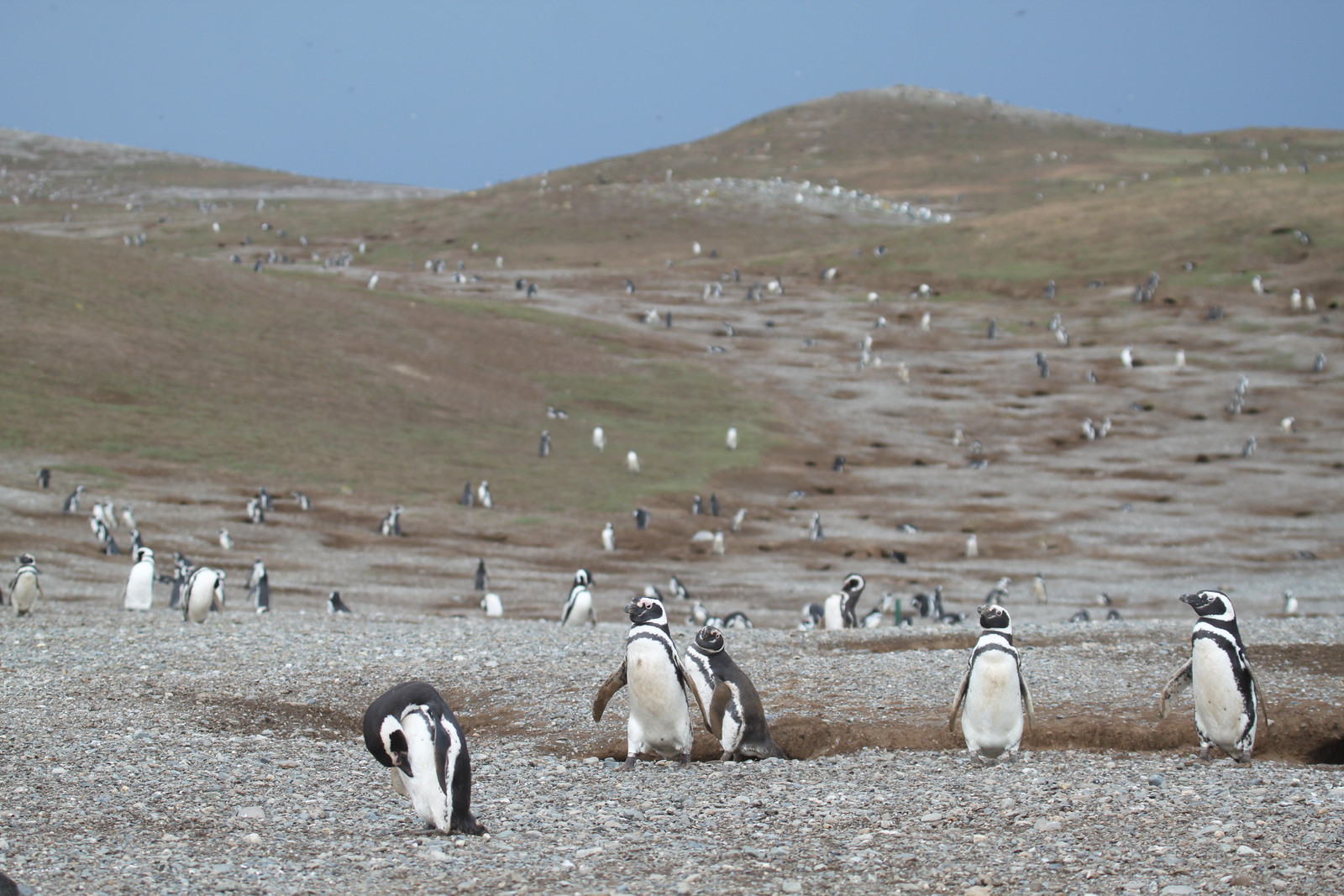
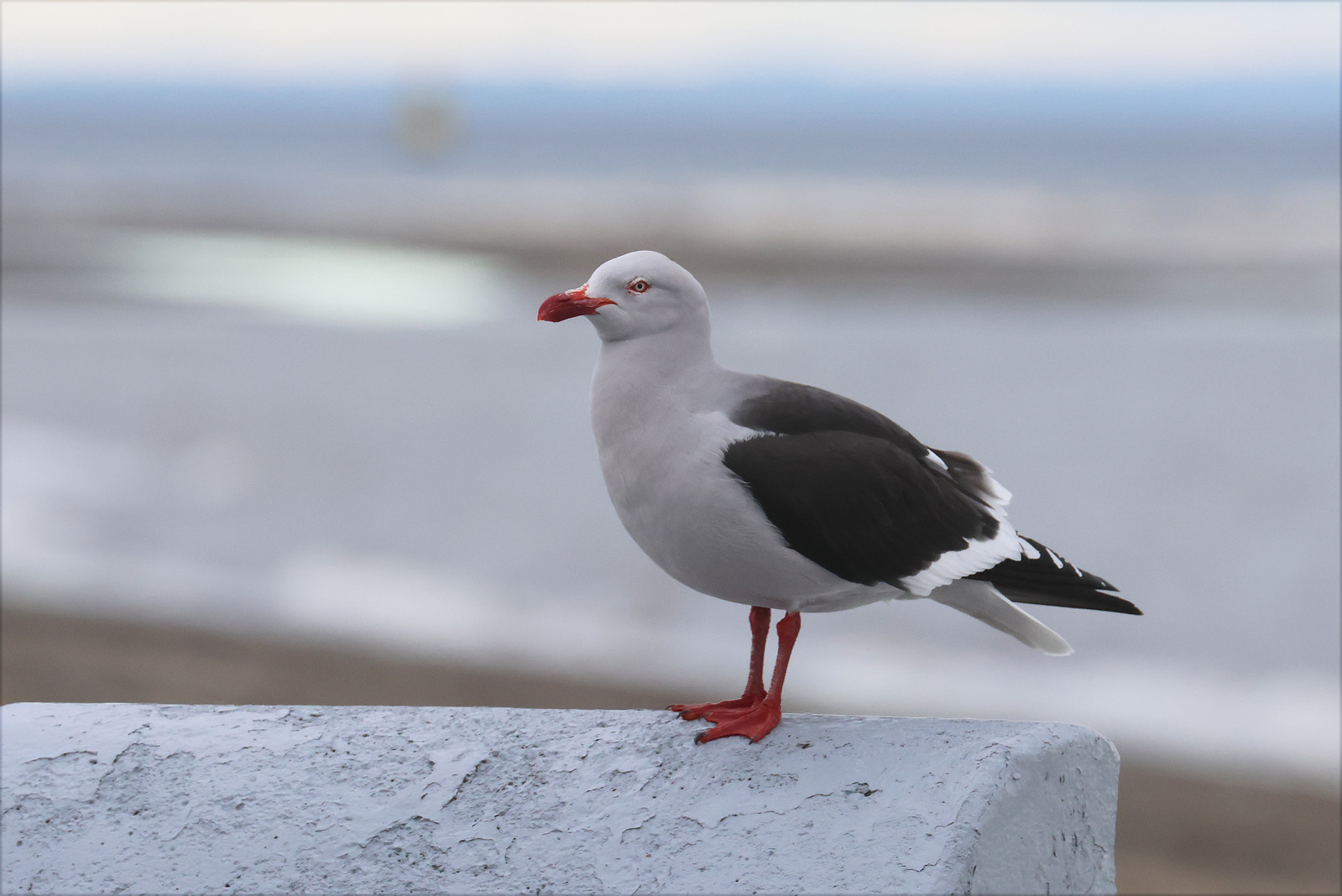
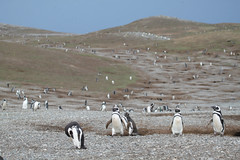
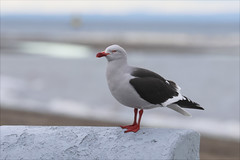
Day 4: We’ll take a boat to Santa Magdalena Island. It’s a relatively short trip but we could encounter Magellanic Diving-Petrel. Once we disembark, we’ll be overwhelmed by thousands of Magellanic Penguins in the middle of their breeding season. They are burrow nesters and chicks should already be visible at the entrances to their nests. With a little luck, we could also see Short-billed Miner, Dolphin Gull, and the unique Snowy Sheathbill.
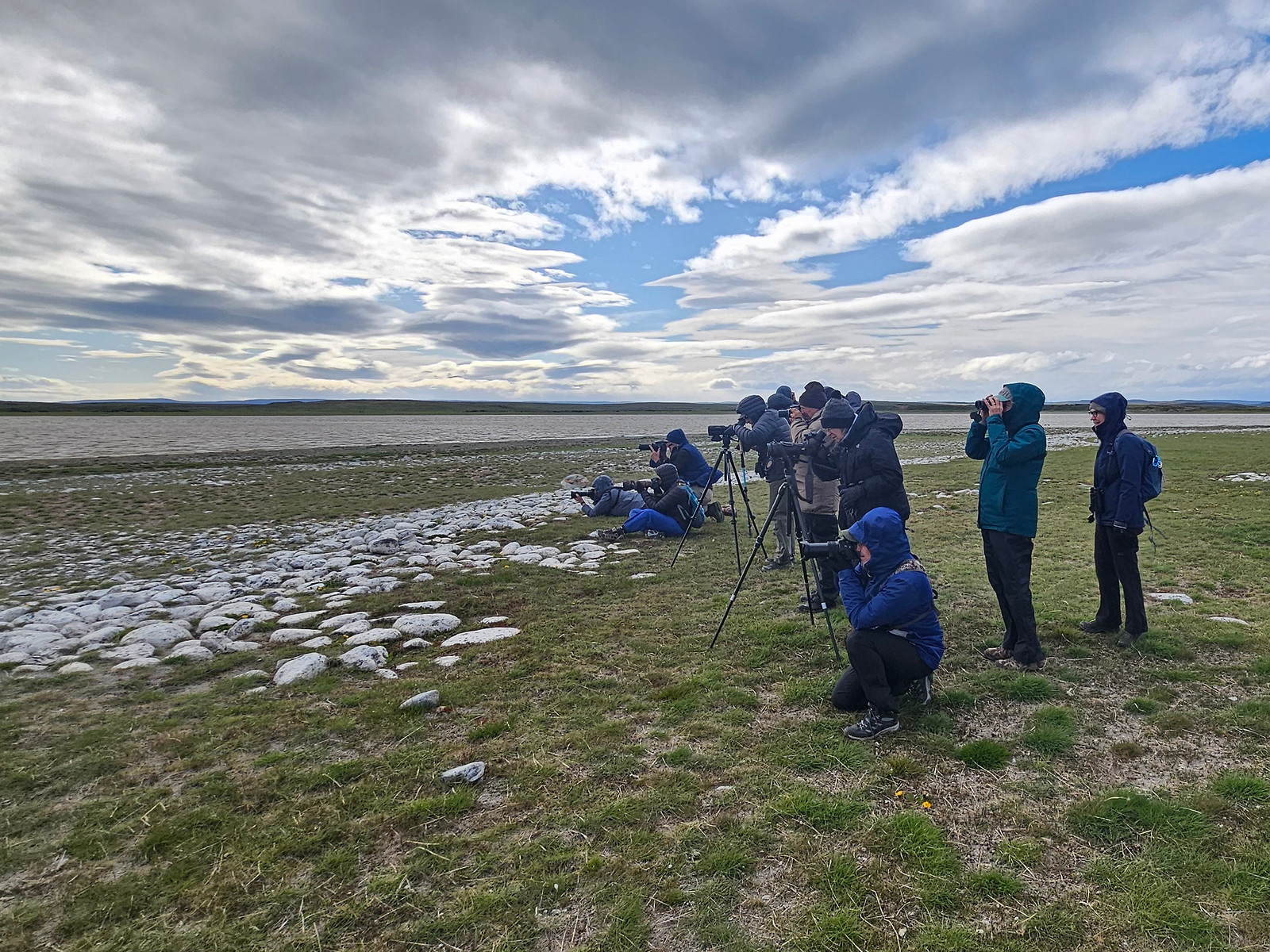
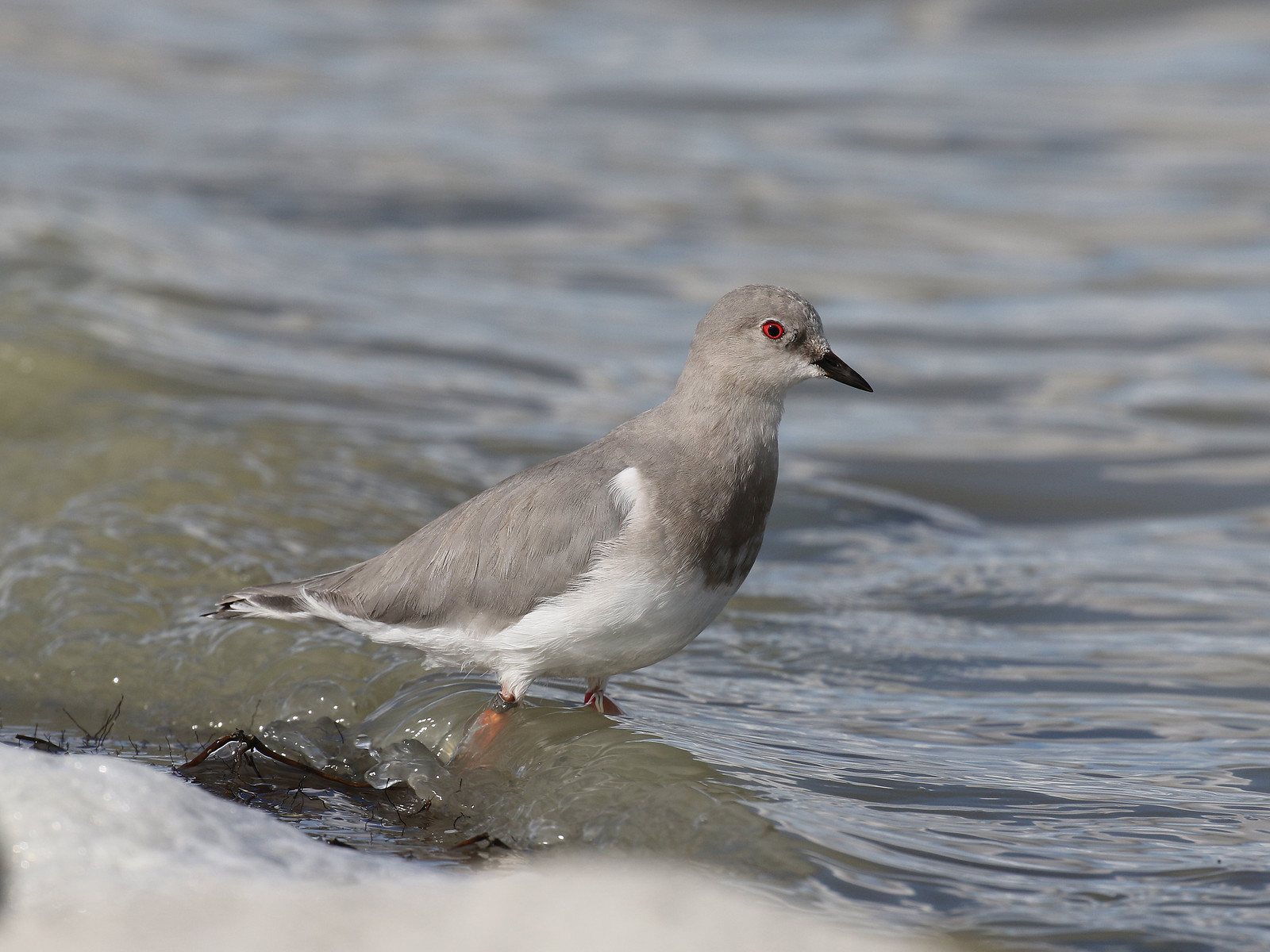
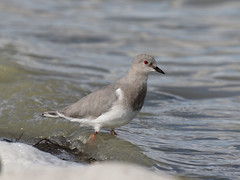
After visiting Magdalena Island, we’ll spend the afternoon exploring the Patagonian steppe and several brackish lakes, where we hope to find the endangered, pink-legged Magellanic Plover, groups of Upland Geese, Coscoroba Swan, Yellow-billed Pintail, and a few Austral Negritos. Night in Punta Arenas.
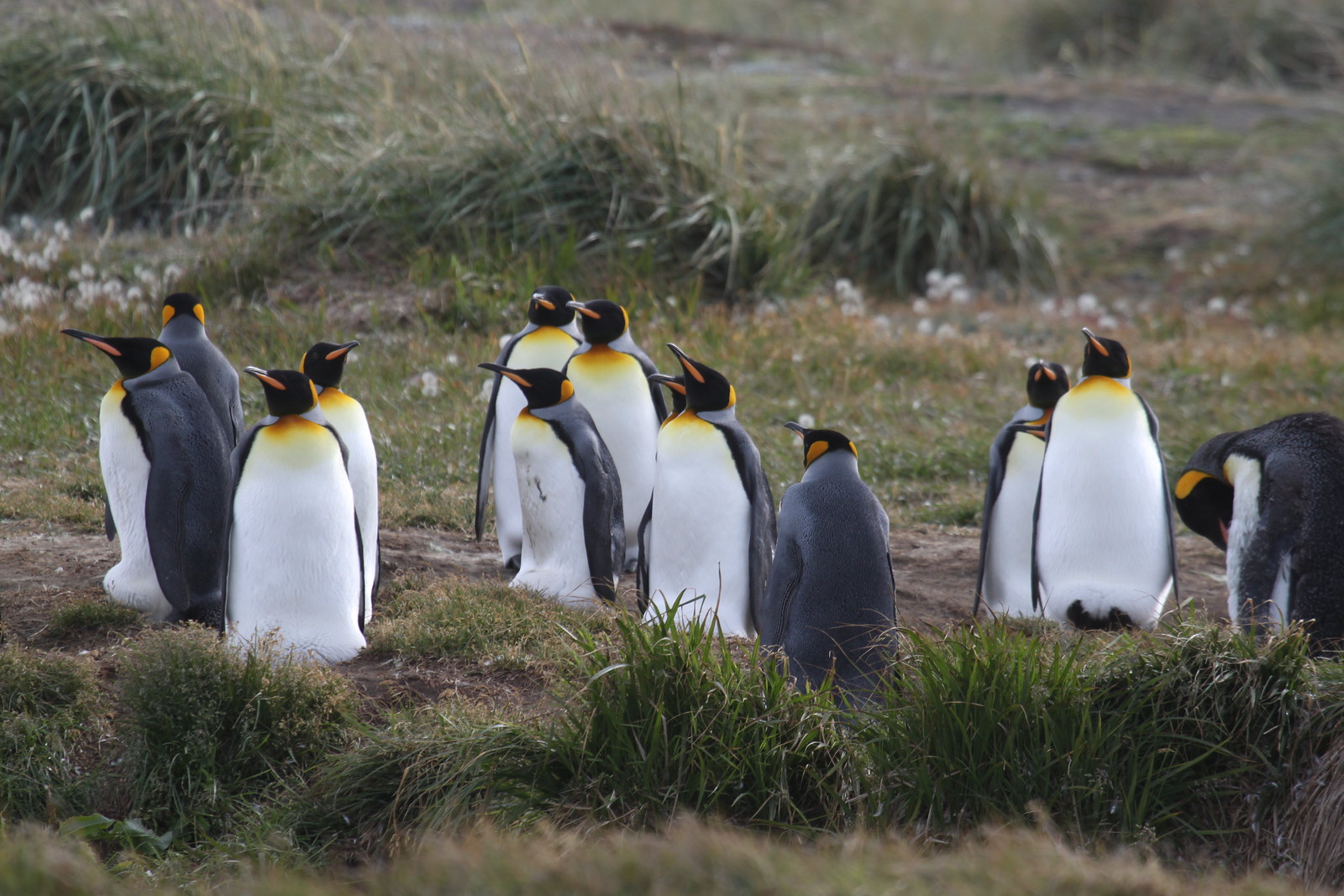
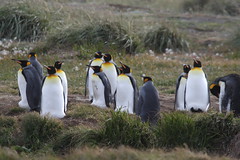
Day 5: We’ll head to Tierra del Fuego, crossing the Strait of Magellan. The crossing takes about four hours, during which we’ll be on the lookout for Black-browed Albatross, White-chinned Petrel, Wilson’s (Fuegian) Storm-Petrel, and Peale’s Dolphin. Once on the island, we’ll travel through breathtaking scenery along Inútil Bay to a King Penguin colony. The colony has been in place for about 20 years and is certainly the most accessible King Penguin colony in the world. We also hope to find Two-banded Plover, Chilean Skua, Long-tailed Meadowlark, and Correndera Pipit, before continuing to Cerro Sombrero. Night in Cerro Sombrero.
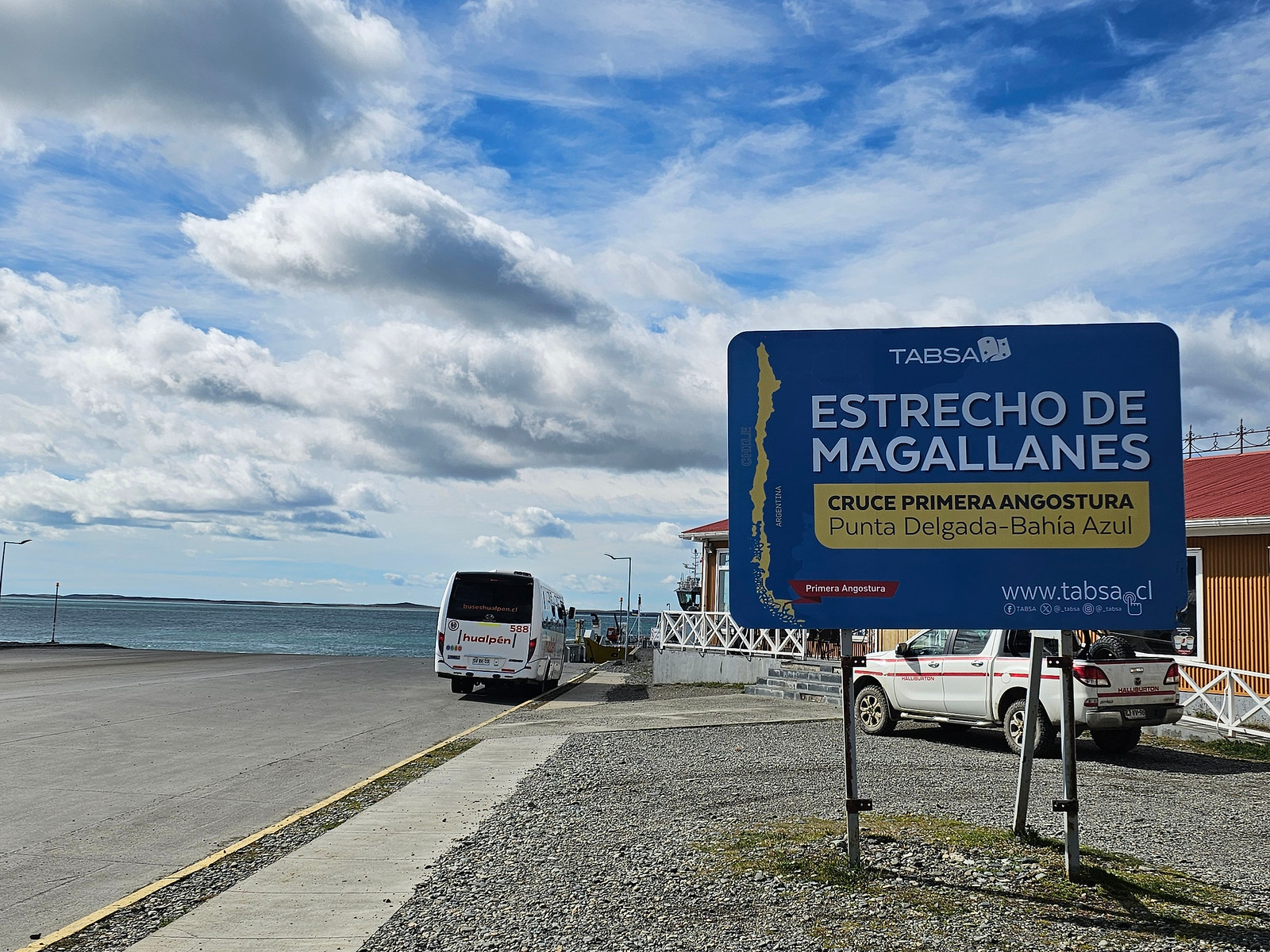
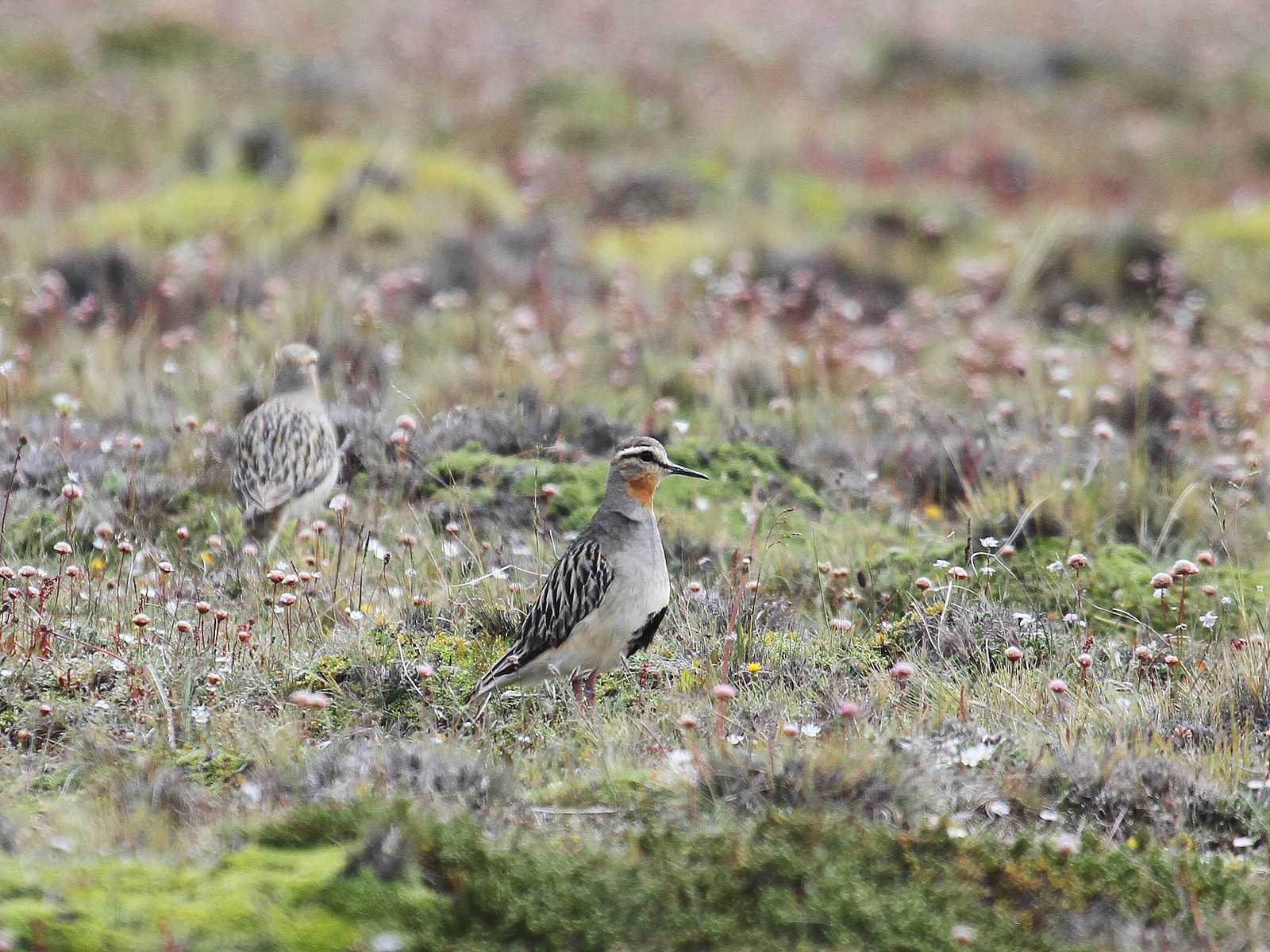
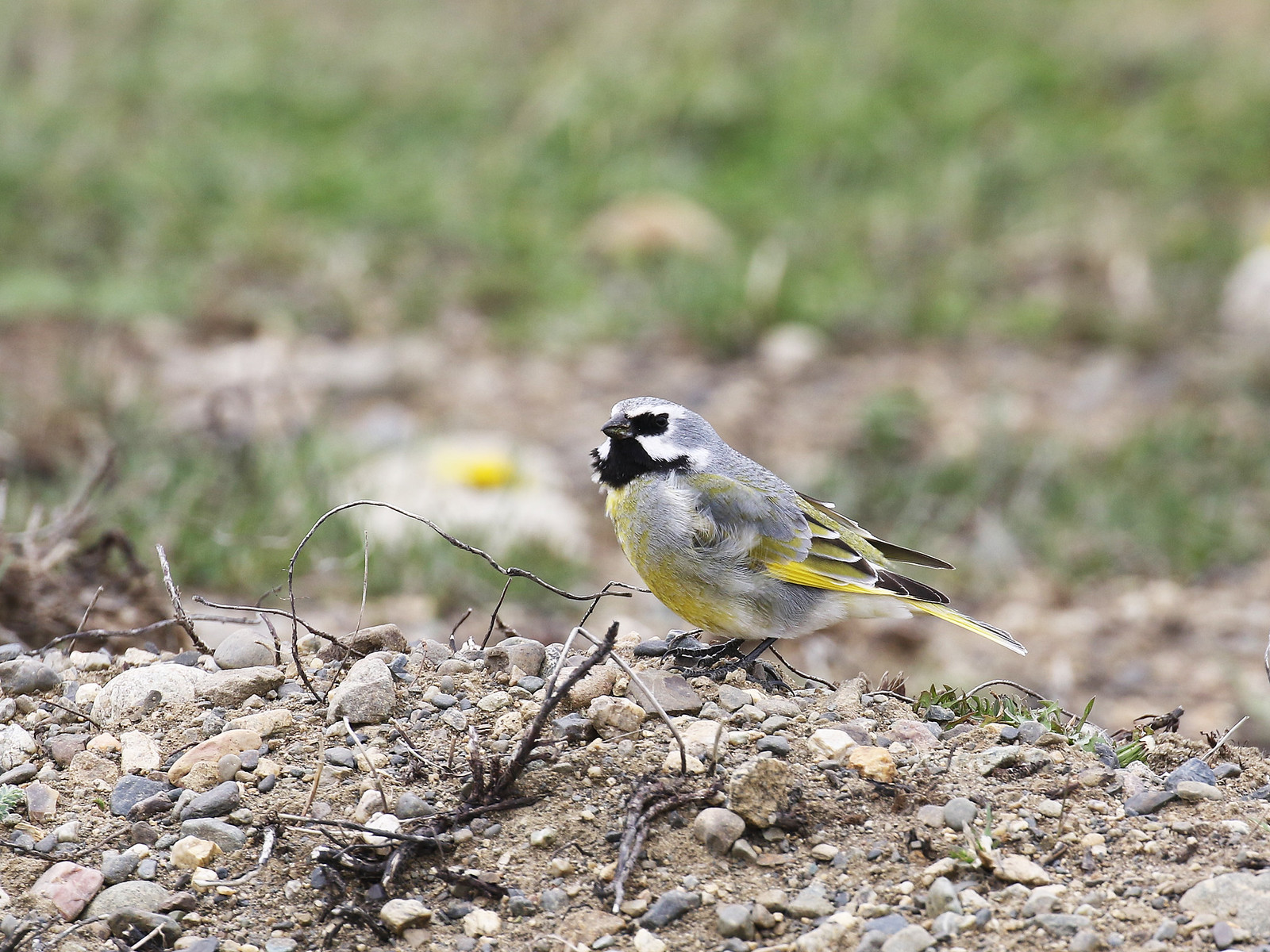
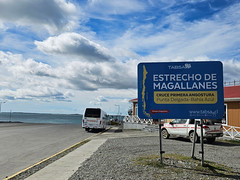
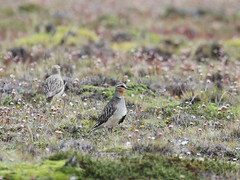
Day 6: Today we have a long drive to reach Cerro Castillo. We’ll cross the Strait of Magellan once again at Primera Angostura, where the crossing takes less than an hour and where we have a great chance of spotting Commerson’s Dolphin. We’ll continue across the steppe, making regular stops to look for Lesser Rhea, Common (Patagonian) Miner, Chocolate-vented Tyrant, Rufous-chested and Tawny-throated Dotterels, Least Seedsnipe, and the spectacular White-bridled Finch. Night in Cerro Castillo.
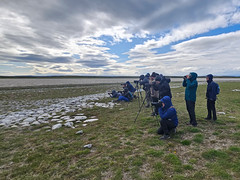
Days 7–9: Based on the outskirts of Torres del Paine National Park, we’ll have three full days to explore this magnificent region and search for pumas. During the two days dedicated to puma finding, we’ll organize specialized searches early in the morning and in the evening, when pumas are most active. The searches take place on the outskirts of the park, on private estancias, and with the help of experienced trackers.
We’ll also spend a full day in the park where we hope to encounter White-throated Caracara, Patagonian Mockingbird, Austral Canastero, Chiloe Wigeon, Scale-throated Earthcreeper, and perhaps the very rare Austral Rail. Guanacos, the main prey of pumas, will be observed every day and often in large numbers. Nights in Cerro Castillo.
Day 10: We’ll take a morning flight from Puerto Natales back to Santiago where the tour concludes after lunch at the Santiago airport with plenty of time to connect with evening international flights.
Note: The information presented here is an abbreviated version of our formal General Information for Tours to Chile. Its purpose is solely to give readers a sense of what might be involved if they take this tour. Although we do our best to ensure that the information below is completely accurate, it should not be used as a replacement for the formal document sent to all tour registrants, whose contents supersede any information contained here.
ENTERING CHILE: A passport valid beyond the date of your departure from Chile and with at least one blank passport page is required. A visa is not required for U.S. citizens.
Citizens of other countries may need a visa and should check with the Chilean embassy or consulate. If required by the embassy or visa-granting entity, WINGS can provide a letter for you to use regarding your participation in the tour.
Citizens of the USA, UK, and Canada do not have to pay the USD $160 entry (“reciprocity”) fee. As far as we are aware, Australian citizens must still pay this fee (roughly USD $60). A receipt will be stapled into the passport and is valid for 90 days, so please do not discard it. These fees may change annually and can be paid in cash (but be aware that pristine bills are required) or by credit card.
COUNTRY INFORMATION: You can review the U.S. Department of State Country Specific Travel Information here: https://travel.state.gov/content/travel.html. Review foreign travel advice from the UK government here: https://www.gov.uk/foreign-travel-advice. Travel advice and advisories from the Government of Canada are available here: https://travel.gc.ca/travelling/advisories
PACE OF THE TOUR: Most days we’ll have continental breakfast between 6:00 and 7:00 a.m. (earlier before possible early flights). The two days we’ll be looking specifically for pumas, we will have an earlier breakfast, probably around 5:00 am, but will also have a long mid-day break between the morning and evening search for the pumas. After breakfast we usually depart for a day of birding and/or travel, with box lunches and a supply of snacks (fruit, cookies, nuts, etc.) and drinks to keep us going. Dinners are at our hotels, and sometimes involve set menus.
Bathroom Breaks: We make an effort to stop for restroom breaks wherever possible. However, at some birding locations, we’ll be away from facilities for several hours and it may be necessary to take a “comfort stop” in nature.
HEALTH: There are no major health risks in Chile. The Centers for Disease Control and Prevention (CDC) recommends that all travelers be up to date on routine vaccinations. These include measles-mumps-rubella (MMR), diphtheria-tetanus-pertussis, varicella (chickenpox), polio, and your yearly flu shot. They also recommend that most travelers have protection against Hepatitis A and Typhoid. Please contact your doctor well in advance of your tour’s departure, as some medications must be initiated weeks before the period of possible exposure. The most current information about travelers’ health recommendations can be found on the CDC’s Travel Health website: http://wwwnc.cdc.gov/travel/destinations/traveler/none/chile
Since it may be impossible to obtain personal medications during the tour, please bring everything you will need.
Water: Water supplies are excellent, but bottled water is also widely available. Imodium or Pepto-Bismol in tablet form can be useful treatments for occasional traveler’s diarrhea.
Insects: We may occasionally encounter mosquitoes or biting gnats. We recommend using insect repellents with a high concentration of DEET.
Altitude: During our day in the Andes, we’ll get up to 10,000 feet even if most of the day will be below 8,000 feet. We do not run around at these elevations, and much of the birding is from the vehicles.
Motion Sickness: We will have one boat excursion to Isla Magdalena in protected waters, and the two crossing to/from Tierra del Fuego Island. Motion sickness has rarely been an issue on these excursions.
Smoking: Smoking is prohibited in the vehicles or whenever the group is gathered for meals, checklists, or other activities. If you are sharing a room with a nonsmoker, please do not smoke in the room. If you smoke in the field, please do so well away from and downwind of the group. If any location where the group is gathered has a stricter policy than the WINGS policy, that stricter policy will prevail.
CLIMATE: The Austral summer means that weather in Patagonia can vary from bright and sunny (though not warm) to cold and rainy, or even snowy; temperature average between 50°F and 70°F but it is often windy in Patagonia (sometimes below freezing with the wind chill), but can eventually drop down to freezing point early in the morning.
In Central Chile it is similar to summer in central California, i.e., from sunny and hot (70s to 80s) in the lowlands to cool (and in the afternoons windy) at high elevations (60s to 70s).
ACCOMMODATIONS: At Punta Arenas we stay in a modern hotel overlooking the Straits of Magellan. On Tierra del Fuego and near Torres del Paine we stay in a nice countryside hotel. None has an outdoor pool, but this hasn’t been a concern given the climate. All have private bathrooms and heating; food is abundant and good to excellent. In Santiago, we stay at a modern, comfortable hotel close to the airport. Wifi access at the hotels ranges from poor to good, but access is getting better every year.
FOOD: Chile has a wide variety of mostly European-style cuisine, featuring excellent steaks, seafood, empanadas, salads, and other dishes, along with its “endemic” and justly famous wines. On several days, we have picnic lunches featuring typical make-your-own sandwich fare, as well as Chilean specialties such as empanadas.
Food Allergies / Requirements: We cannot guarantee that all food allergies can be accommodated at every destination. Participants with significant food allergies or special dietary requirements should bring appropriate foods for times when their needs cannot be met.
Announced meal times are always approximate, depending on how the day unfolds. Participants who need to eat according to a fixed schedule should bring supplemental food. Please contact the WINGS office with any questions.
WINGS tours are all-inclusive, and no refunds can be issued for any tour meals participants choose to skip.
TRANSPORTATION: Most of our land transportation will be in minibuses. We will often be on gravel roads in the South, which can be quite dusty. Note that we have two internal flights, short boat trips, and a day in the Andes with windy roads. Anyone susceptible to motion sickness should bring an appropriate remedy.
We can't render google maps without your cookie consent. To see the map, please reset your cookies, then accept all, then reload this page.
Maximum group size eight with one leader
More Tours with these Leaders

France: Birding à la Française
Birds, Wine and Cheese in Southern France
Birds, Wine and Cheese in Southern France
May 2-12, 2027 • Fabrice Schmitt and Pierre Defos Du Rau