Southern Ecuador Exploration

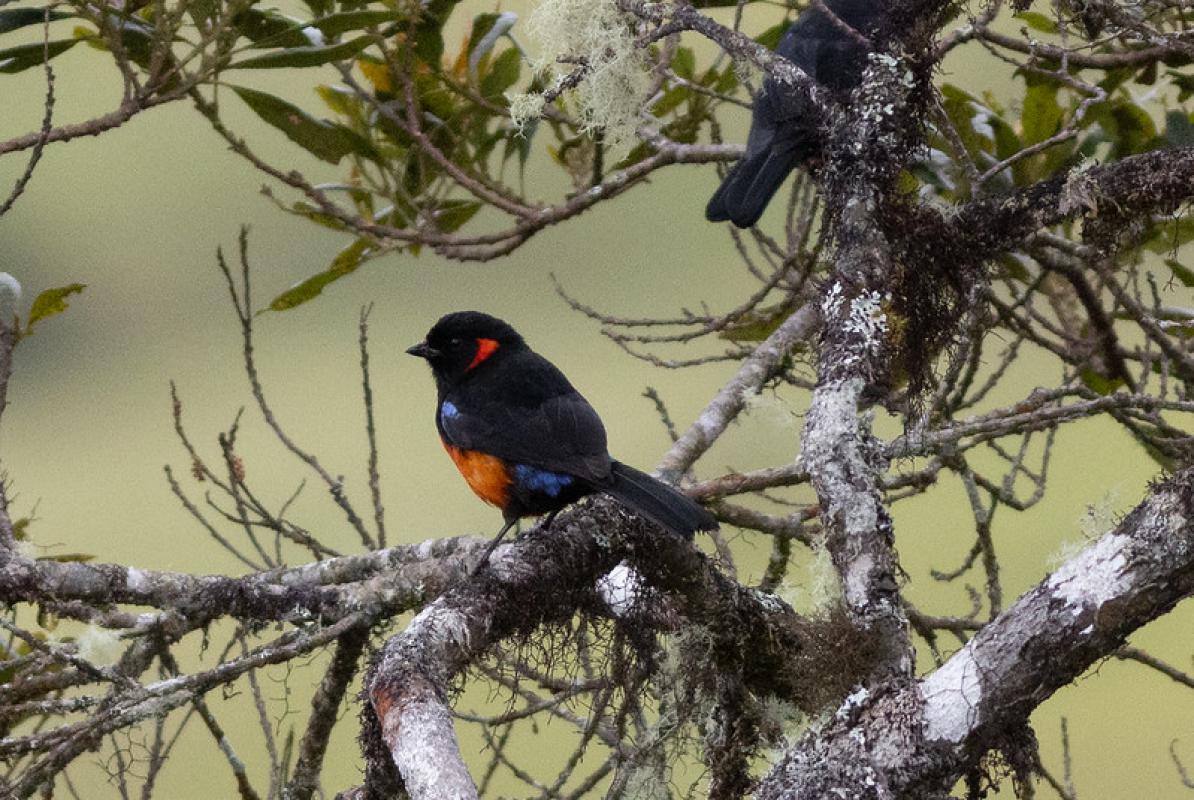
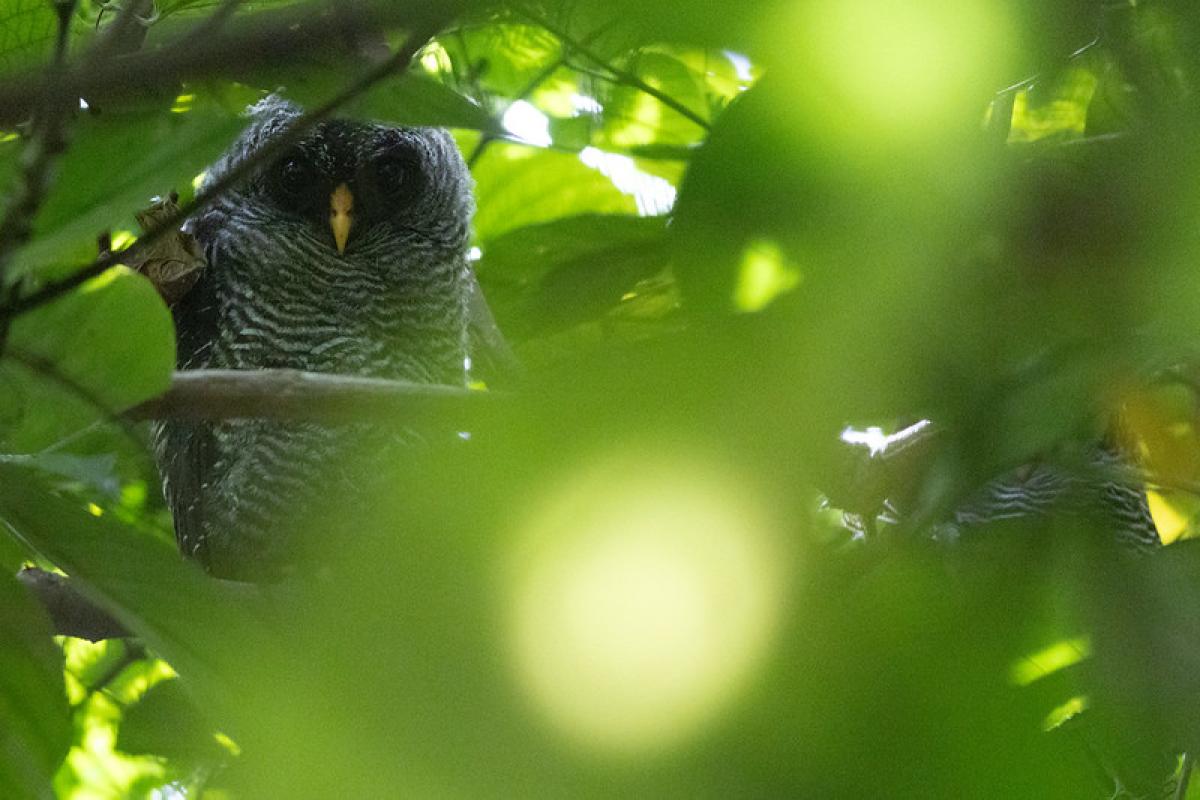
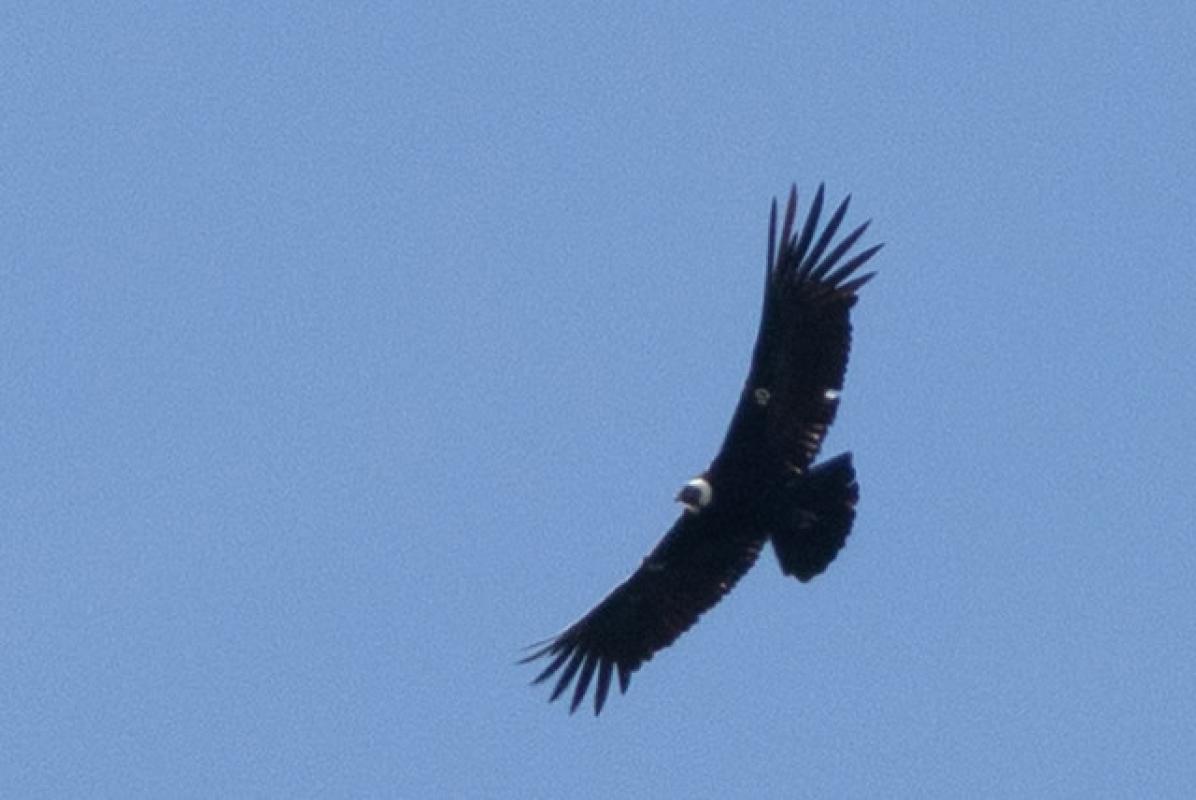
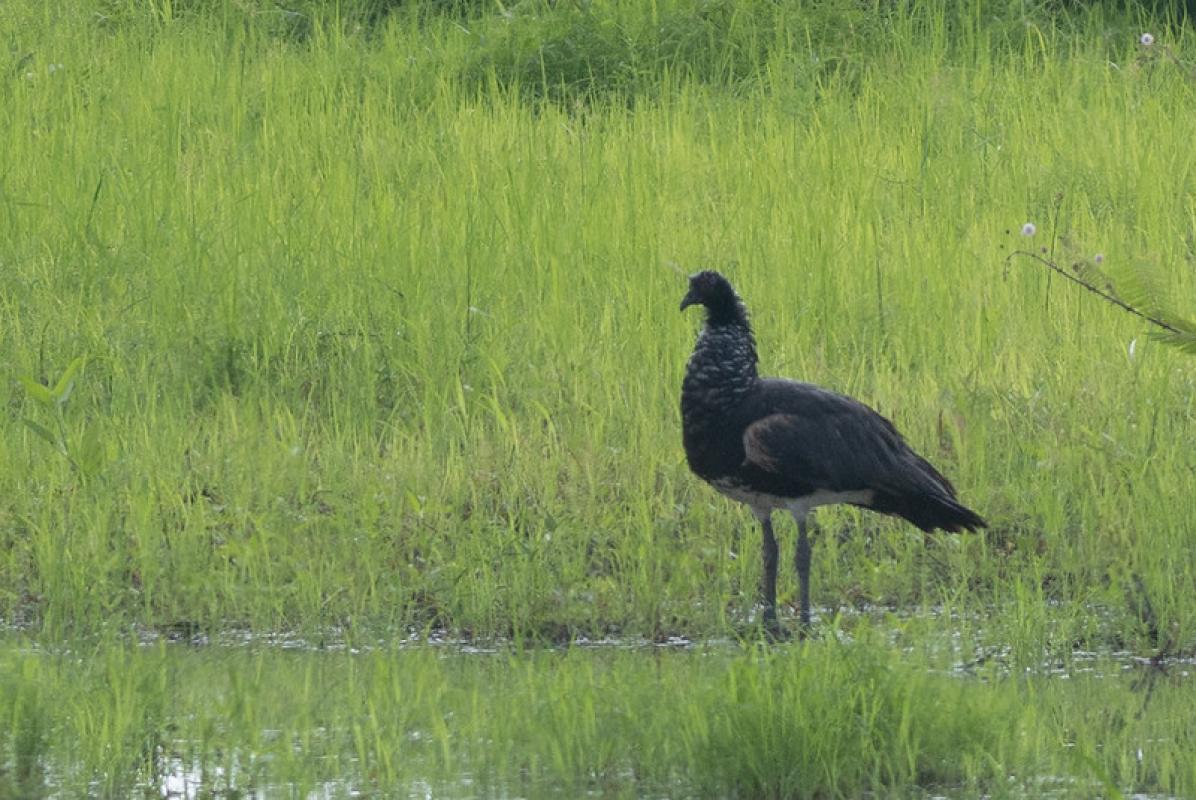
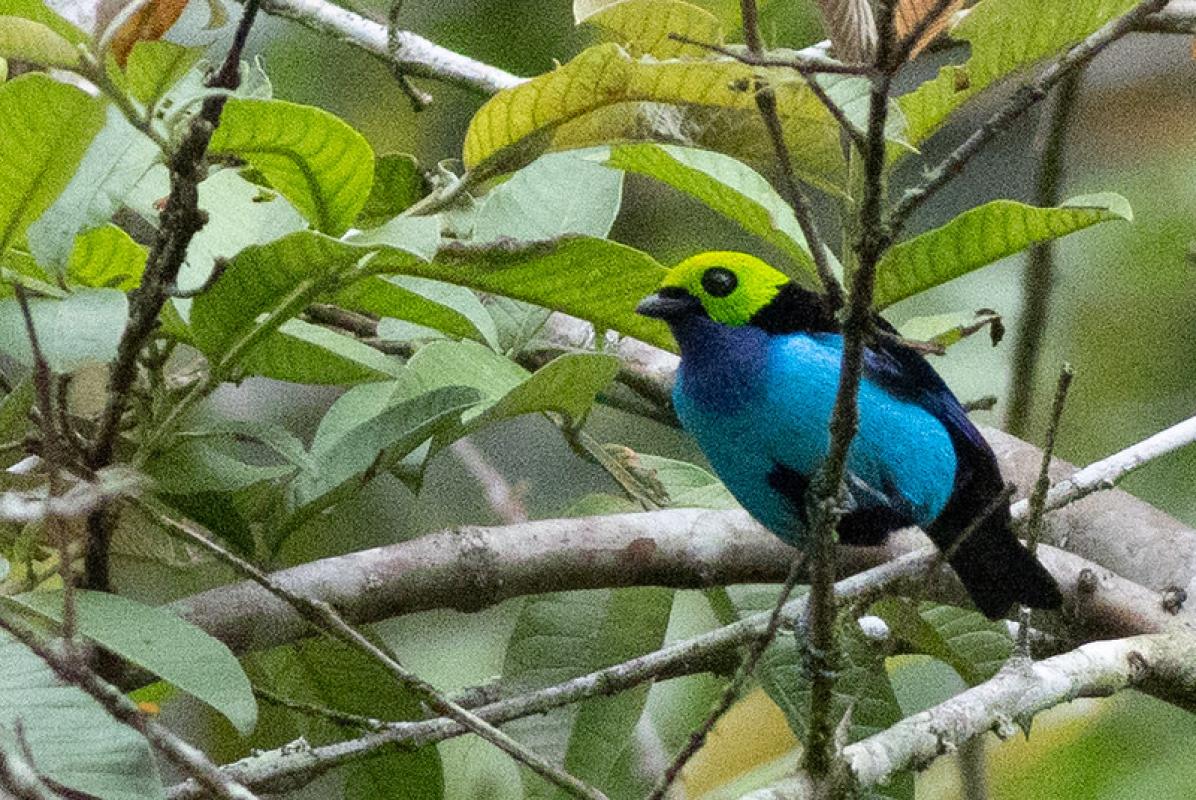
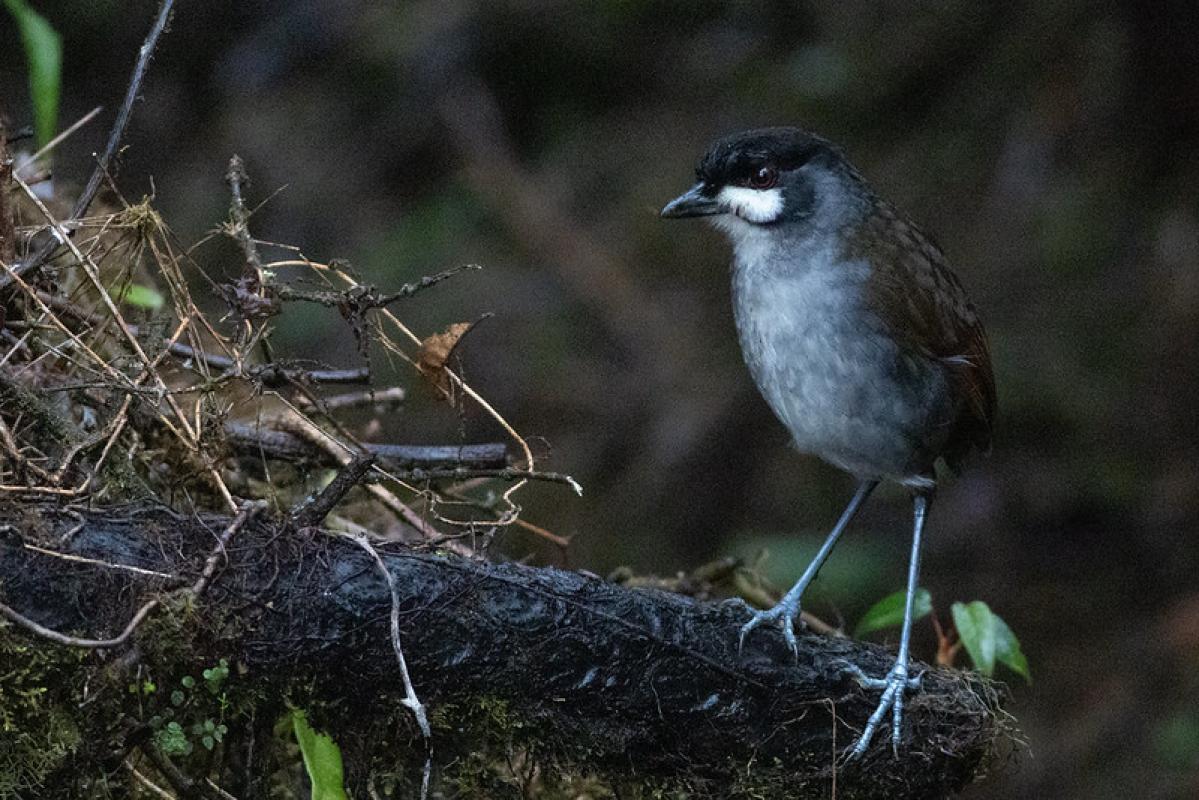
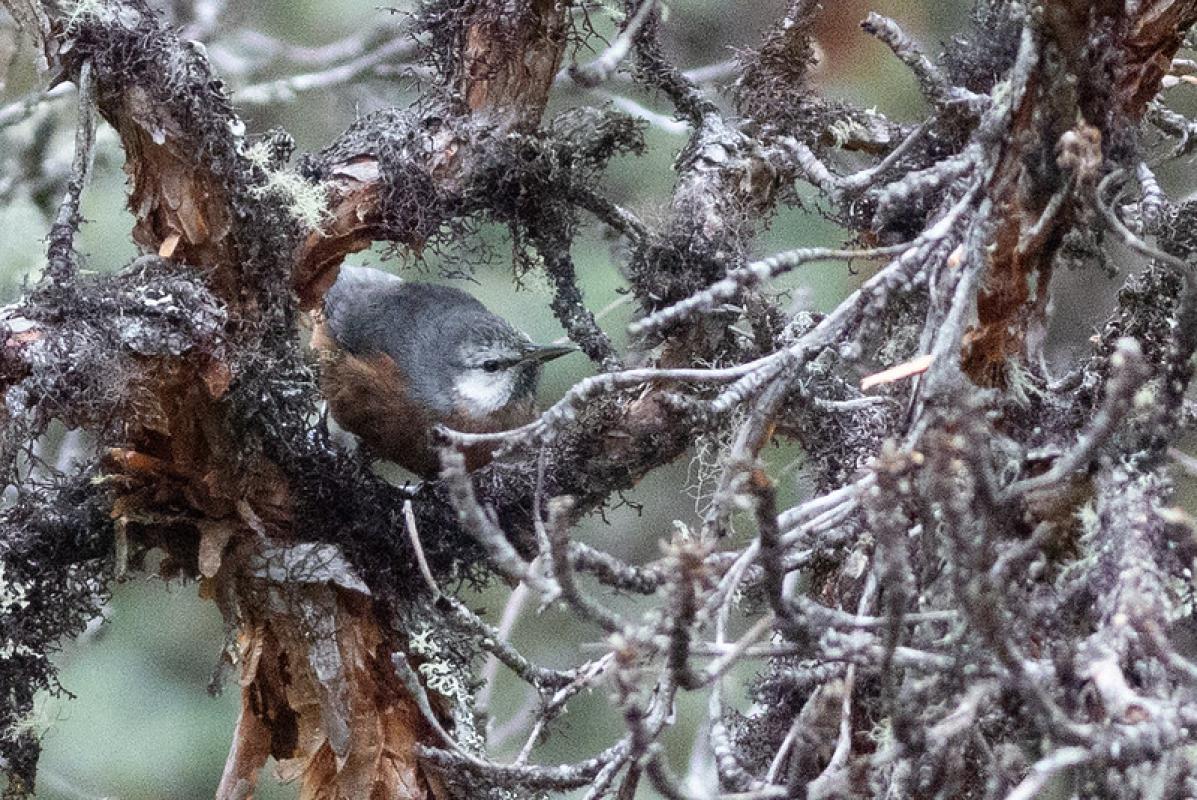
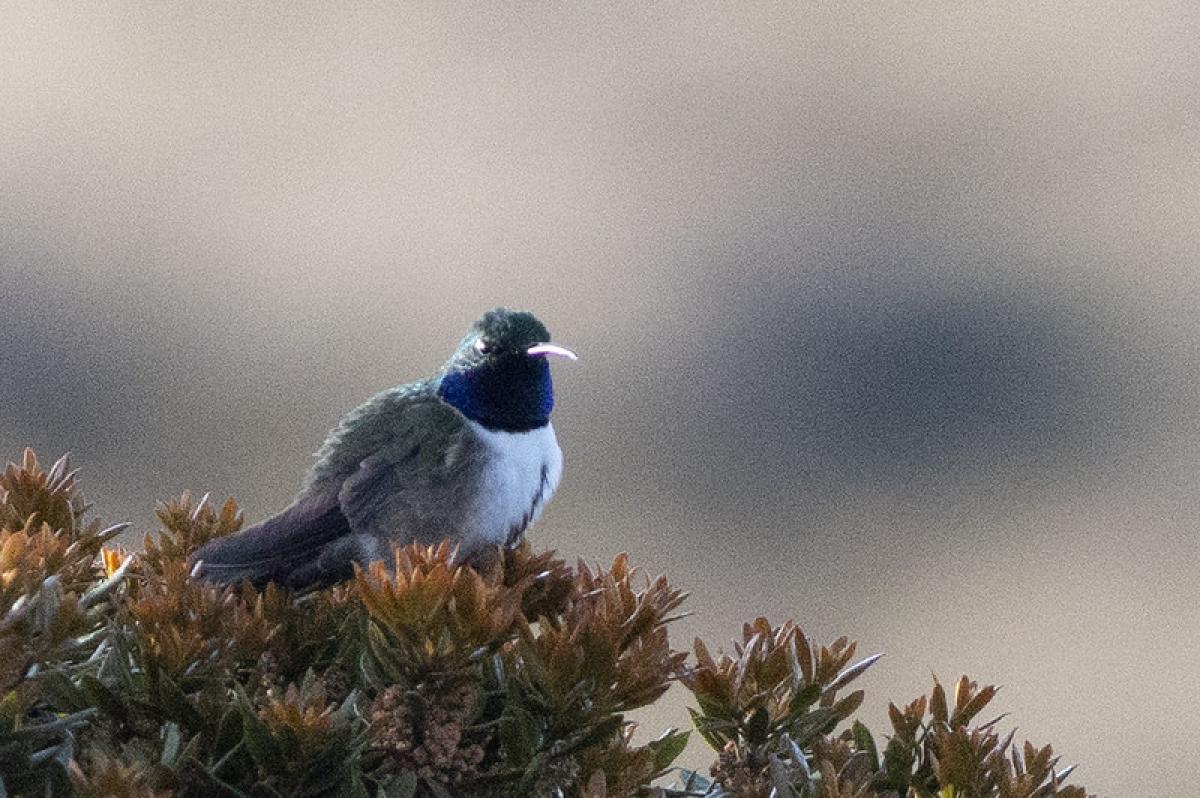
With a vast array of habitats within hours of each other, we finished our tour of Southern Ecuador just shy of 500 species. But a big list isn’t what it’s all about, and our sixteen days of birding brought many highlights. Group favorites included the iconic Jocotoco Antpittas in the wet forest of Tapichalaca Reserve, Orange-throated Tanagers in the remote Cordillera del Cóndor, the recently discovered Blue-throated Hillstar on a mountaintop in western Loja province, a family of Black-banded Owls roosting behind the discoteca in Zamora, Scarlet-bellied Mountain Tanagers lighting up the upper-elevation forest, a Fasciated Tiger-Heron perched on a rock in a mountain stream, Jameson’s Snipes winnowing in the cold pre-dawn above treeline, Giant Conebills working the flaky bark of old-growth Polylepis forest, and an enormous Andean Condor soaring over us as we walked a quiet mountain road.
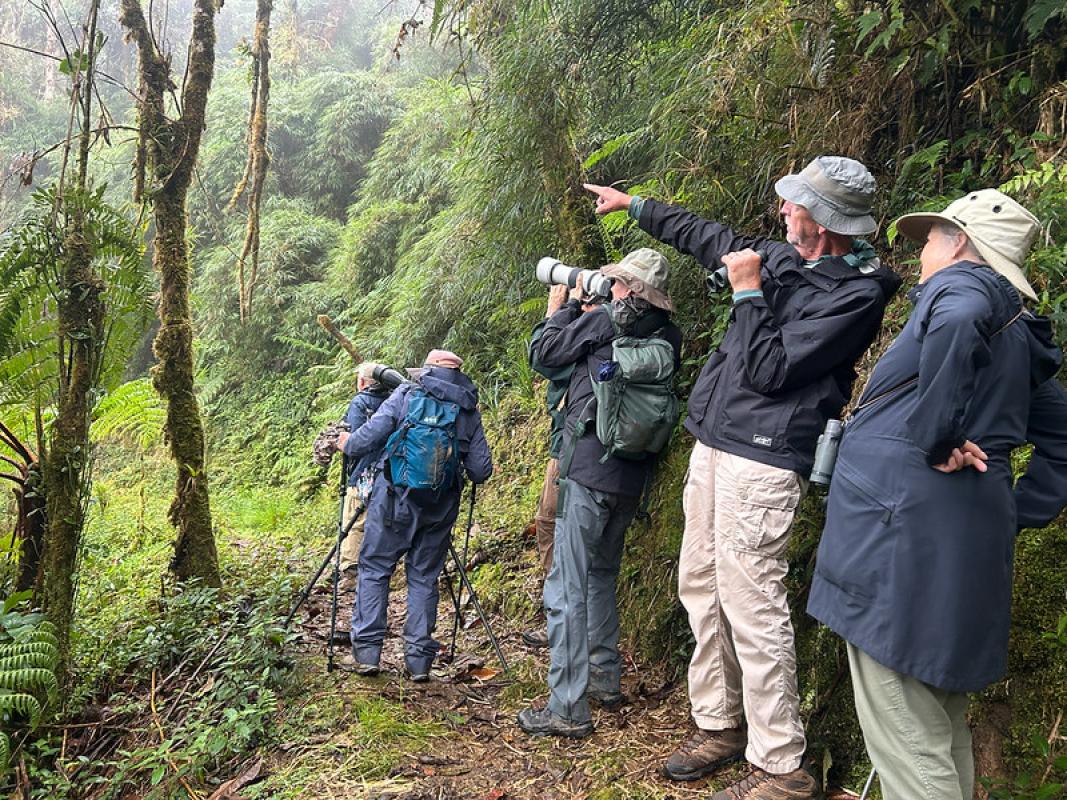
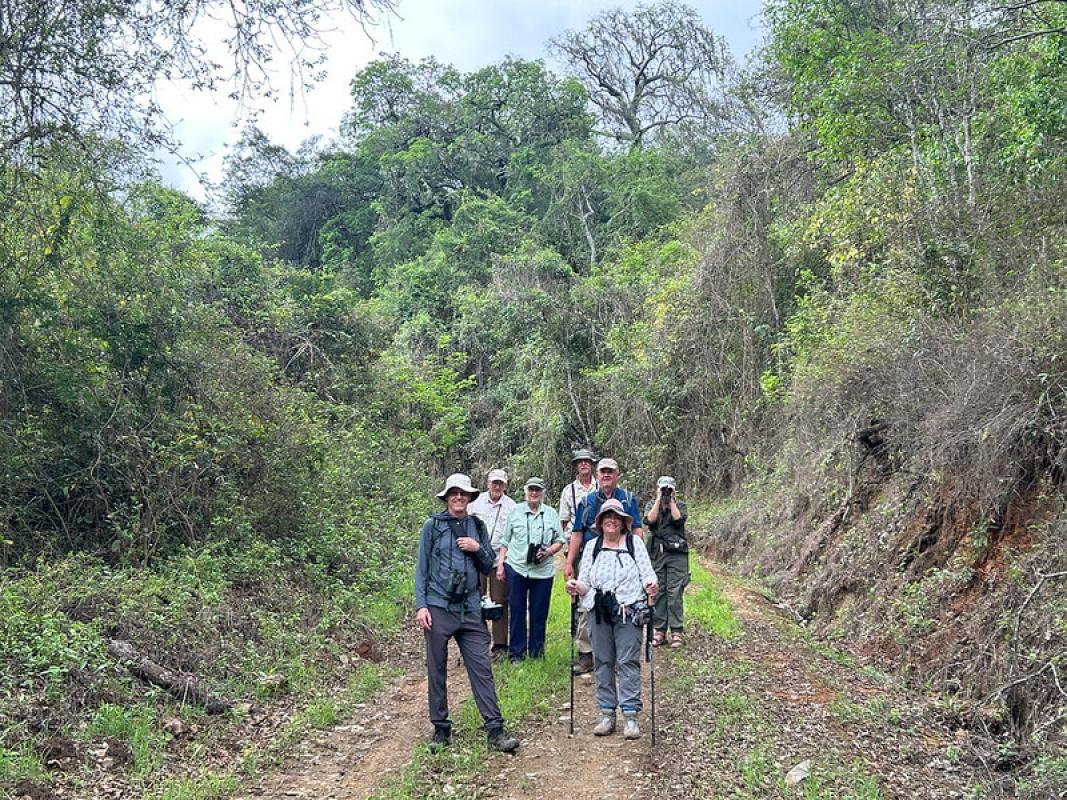
We began in the big coastal city of Guayaquil, visiting coastal wetlands before heading inland to Pacific rainforest. From there we moved through dry forest (made wet by a super El Niño and the early arrival of the rains) and thorn scrub, then up into montane cloud forest at Podocarpus National Park outside Loja. After a few days in that habitat and the upper Marañón Valley, we crossed the continental divide into the Amazonian foothills, birding the lower elevations of Podocarpus before continuing to the Nangaritza Valley of the Cordillera del Cóndor along the Peruvian border. Leaving the lowlands, we climbed to the páramo of Cerro de Arcos, then crossed a barren rain shadow into acacia woodland, and went back up to treeline Polylepis forest and the páramo of El Cajas National Park outside Cuenca. Finally, we dropped to sea level to return to Guayaquil. The birds were great, and the scenery was wonderful as we wound through big cities, tiny towns, and vast stretches of pristine wilderness, all of which make southern Ecuador such a fun place to bird.