Alaska Gambell and Nome


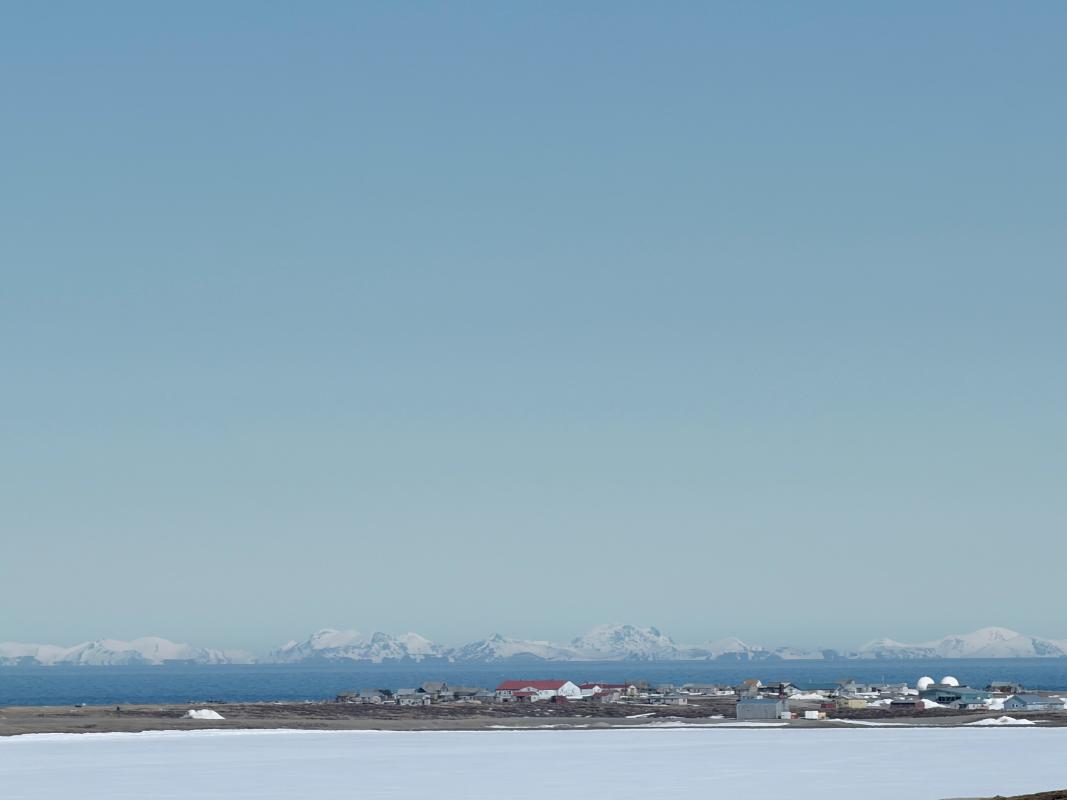
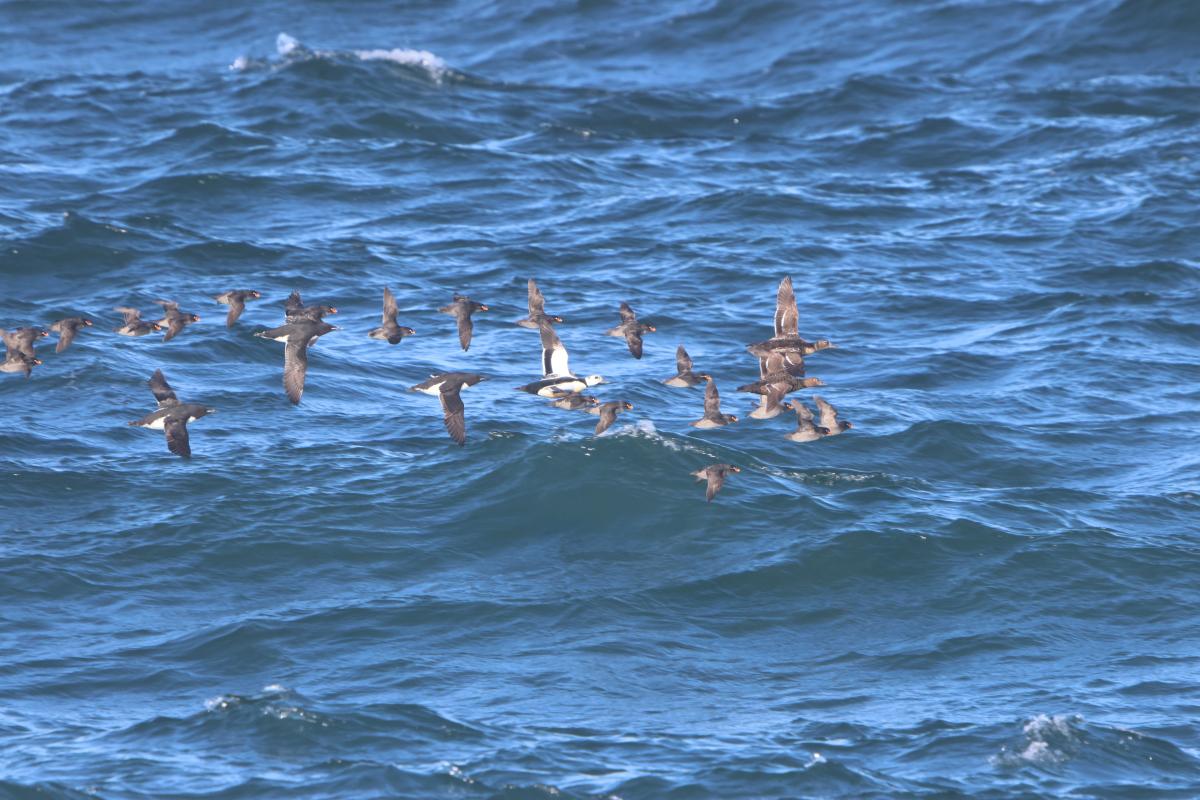
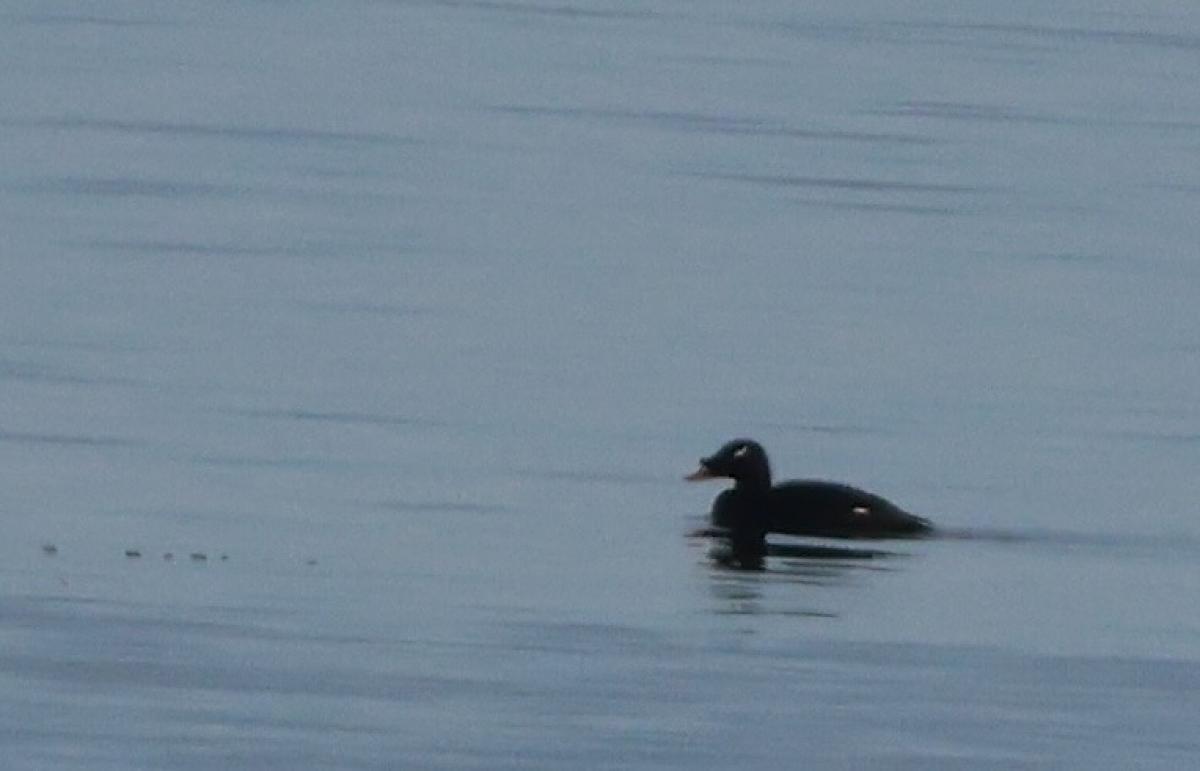
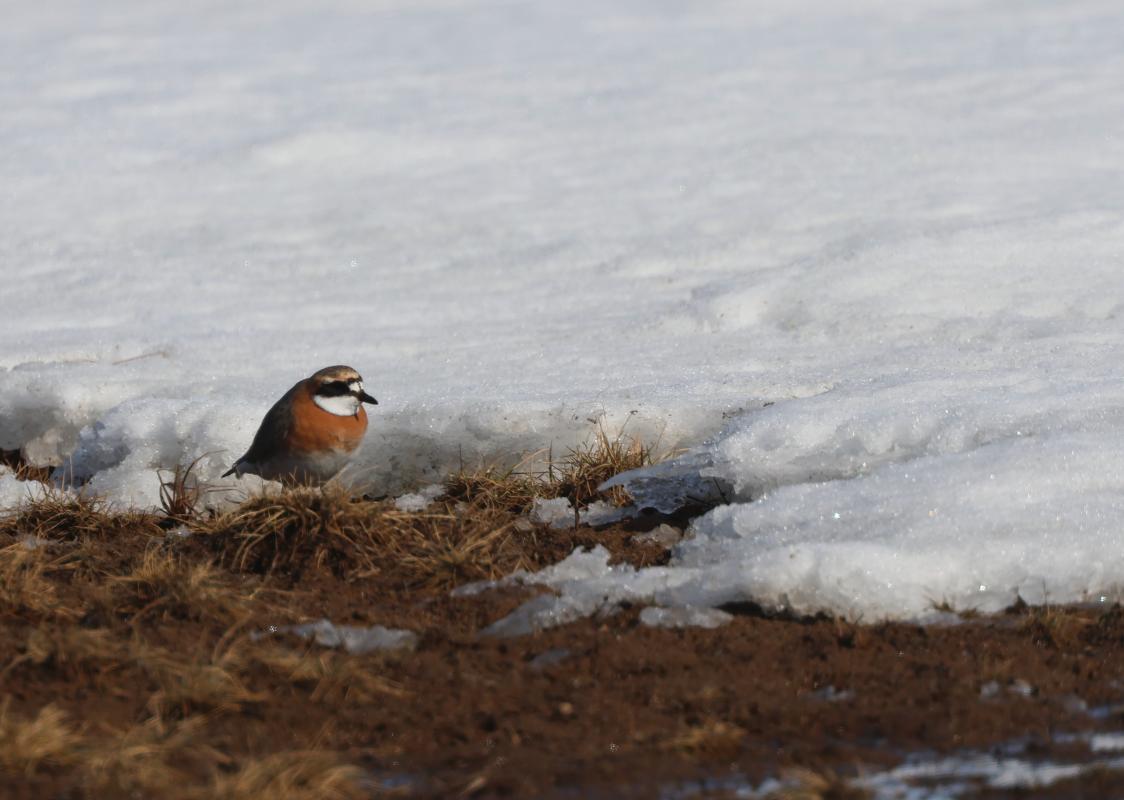
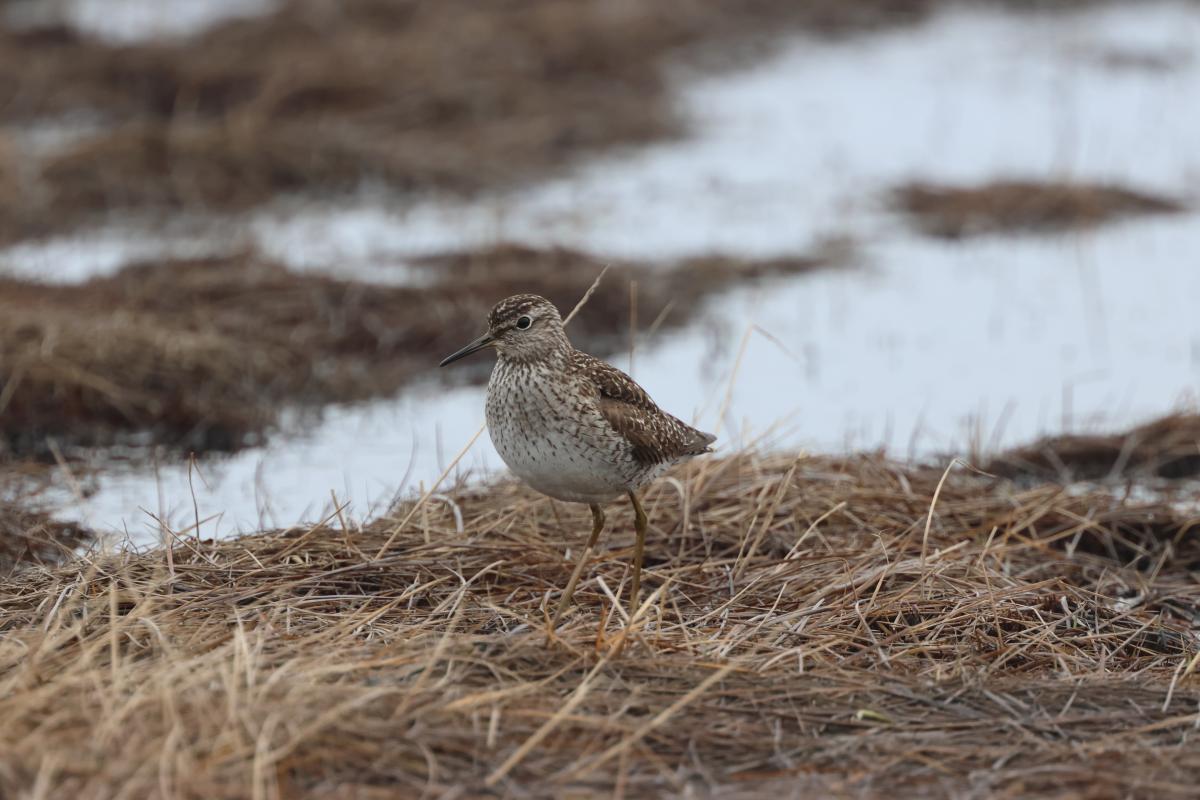
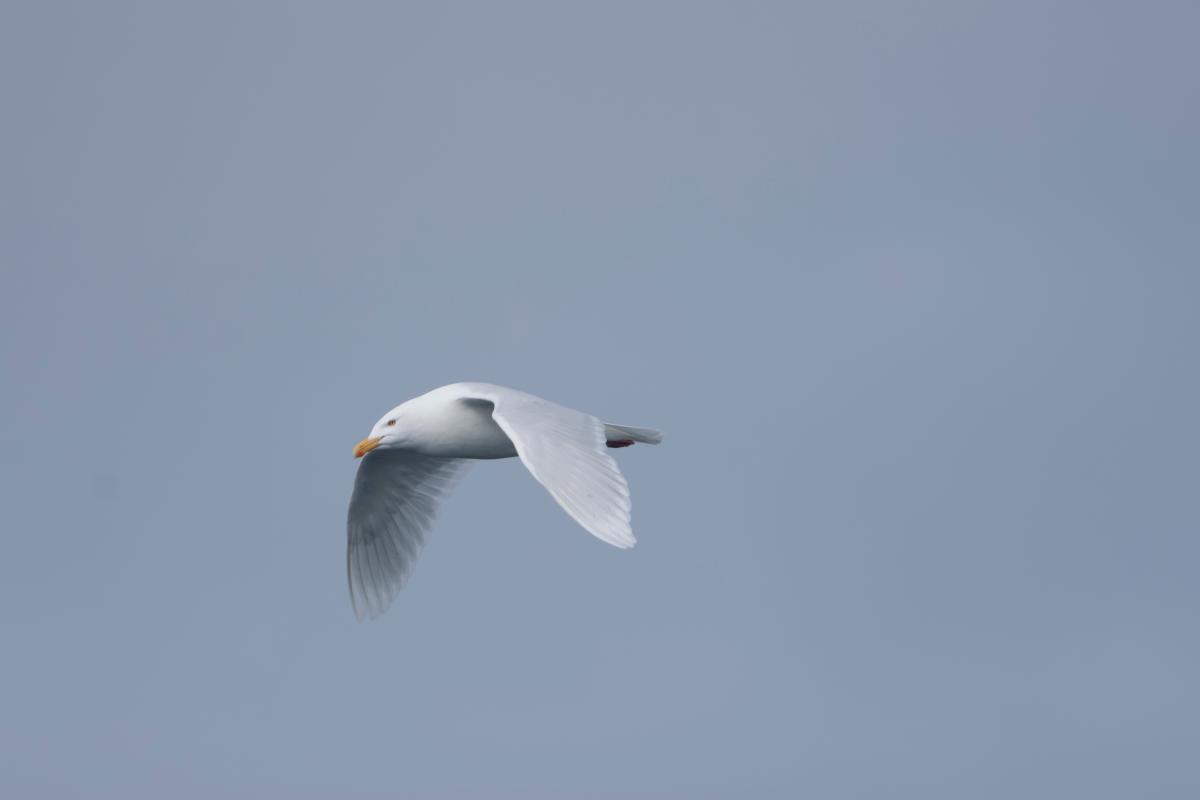
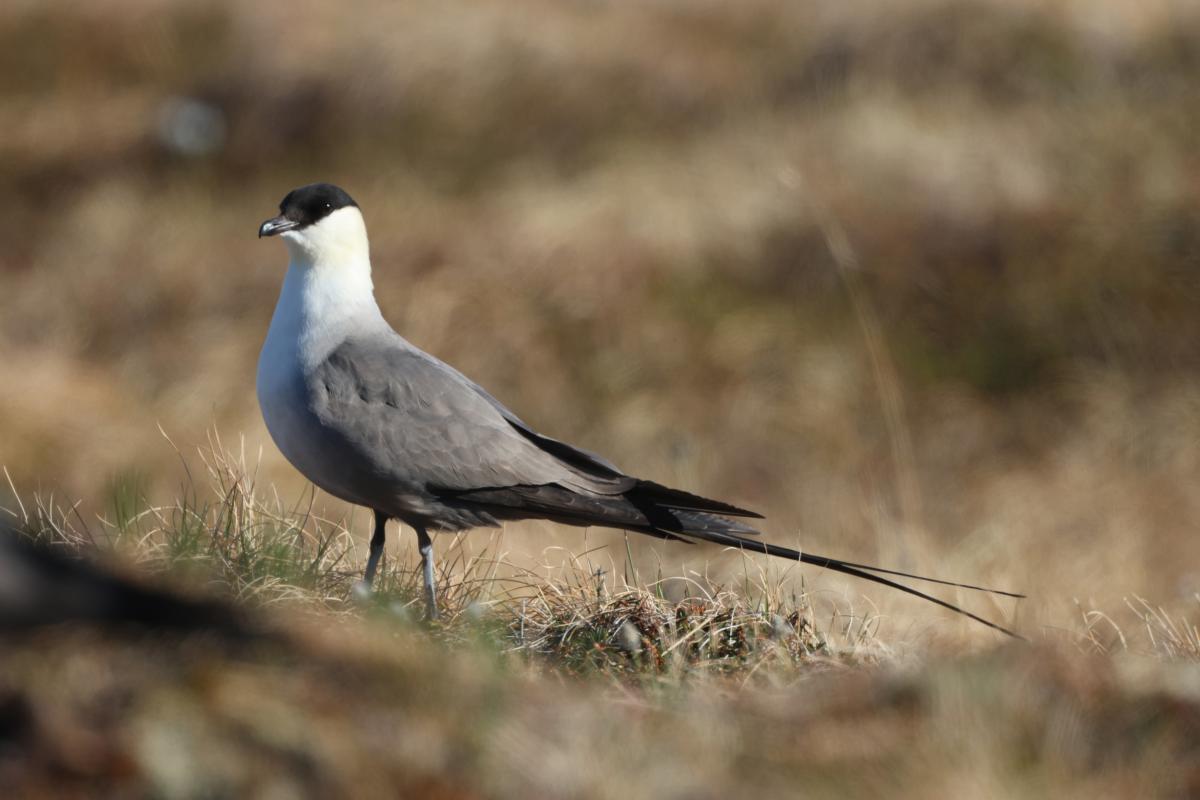
The Spring 2026 Gambell Tour wrapped up to great acclaim a few weeks ago. This year we were surprised to see virtually no sea-ice present along the coast, though significant snow remained on the island, with very little open marshy habitat (although by the end of our week a substantial amount of melting had occurred). Atypically much of the week was sunny and clear, affording excellent views of the mountains on Russia’s Chukotka Peninsula, some 40 miles to the West. As always the scenes during our daily seawatches from the point were incredible, with sometimes over a hundred thousand birds (mostly Crested, Least and Parakeet Auklets, Murres, and Black-legged Kittiwakes) passing by per hour. Many birds came right up the beach, from hulking Glaucous Gulls and dainty Long-tailed Jaegers to flocks of Eiders and scoters including a few Stejneger’s Scoters or Steller’s Eider. The week brought us a nice selection of vagrant shorebirds including Siberian Sandplover, Long-toed Stint, Common Snipe and Wood Sandpiper too, with many of these birds lingering for several days.
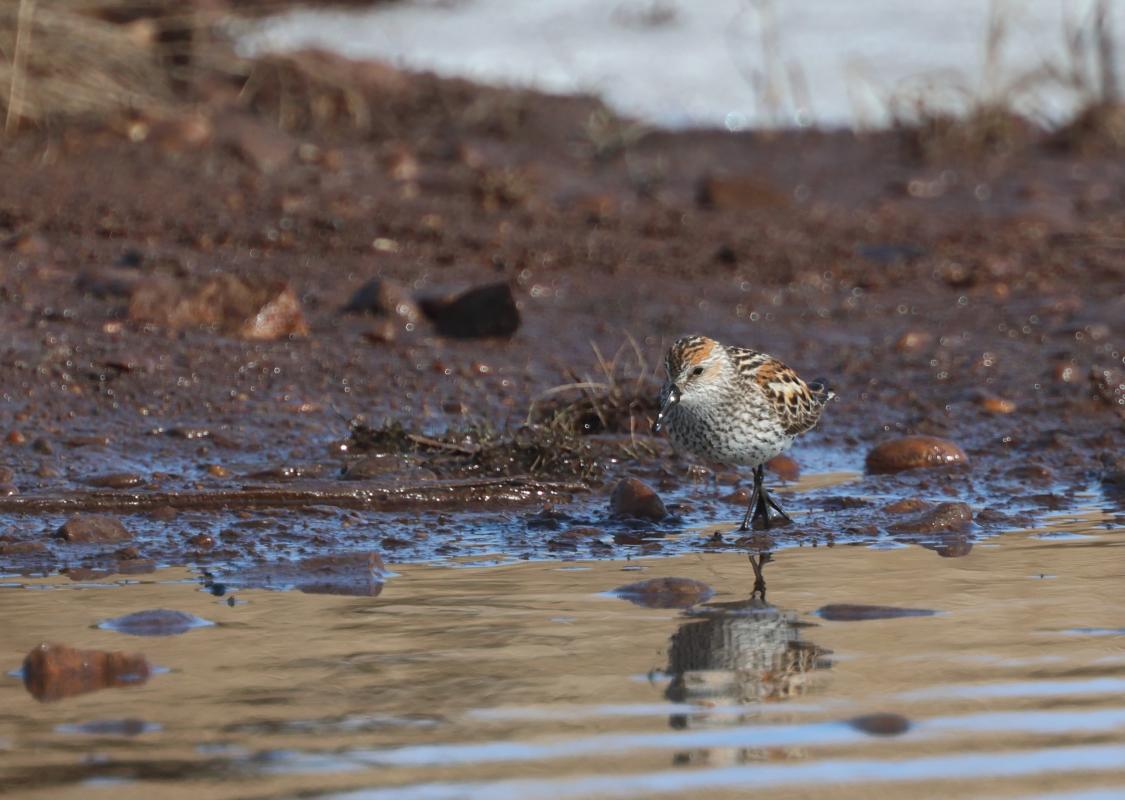
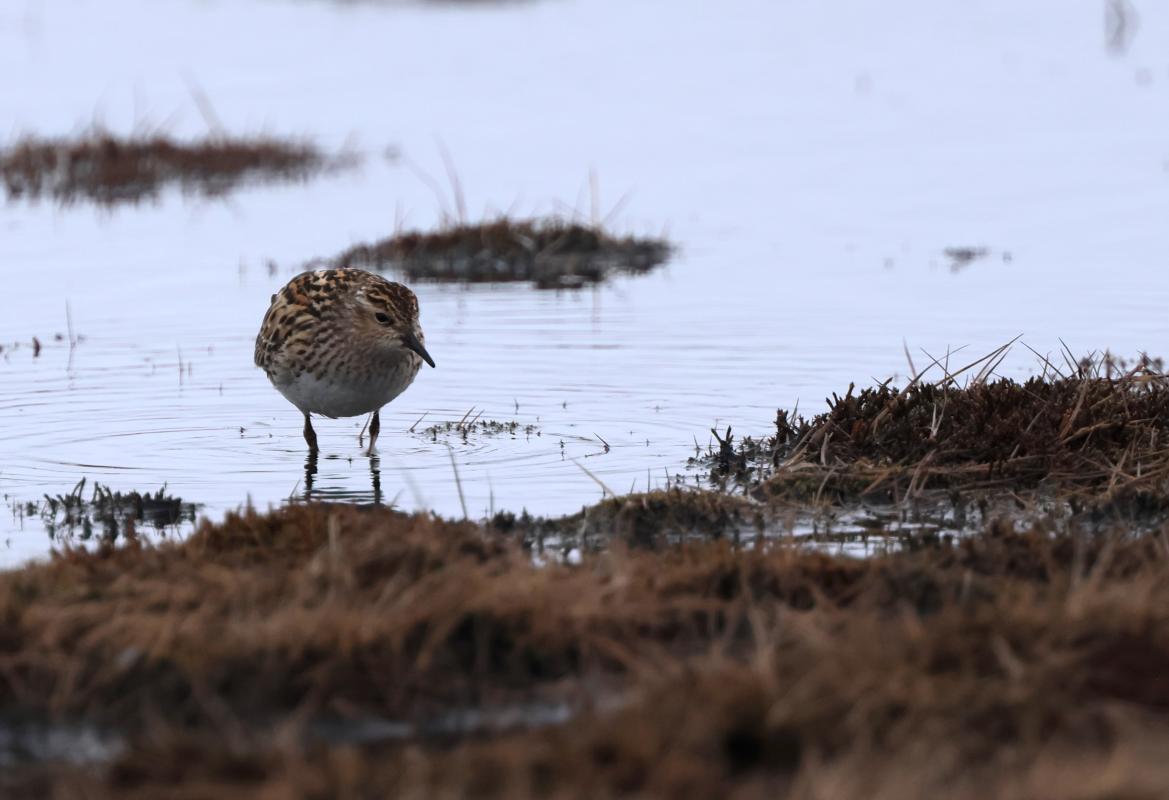
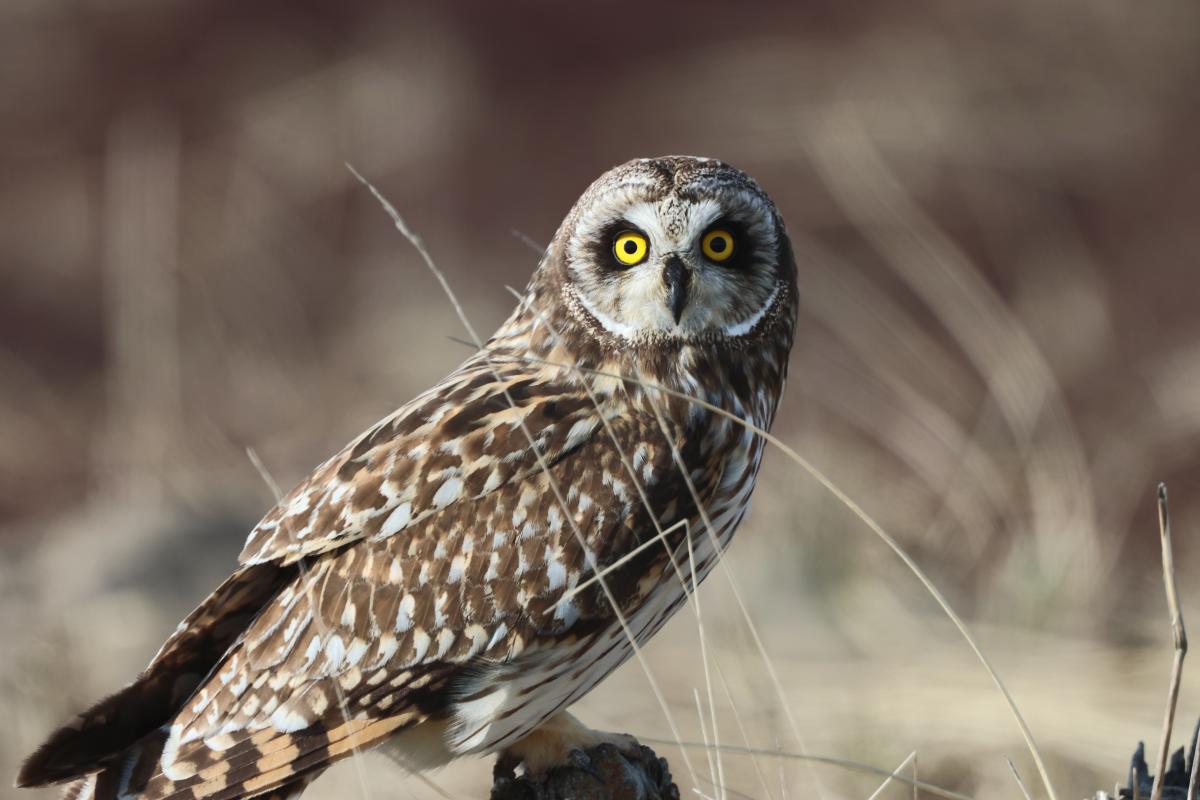
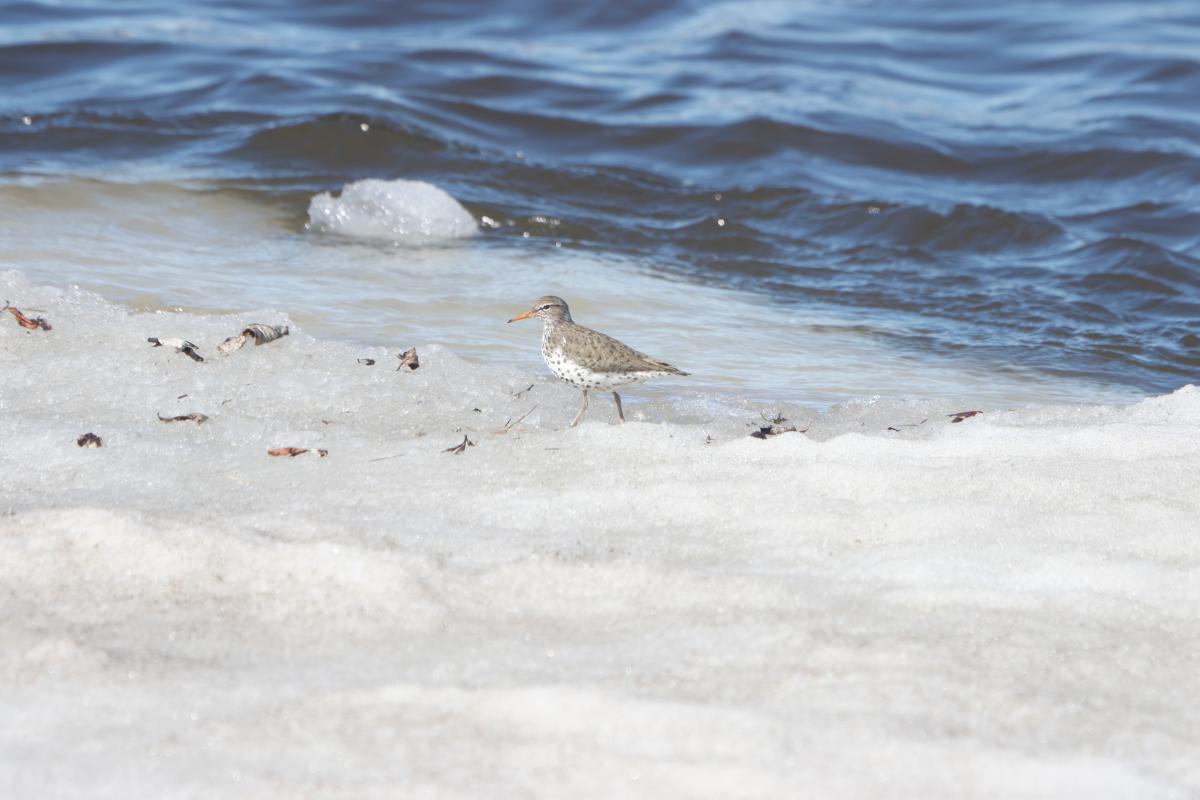
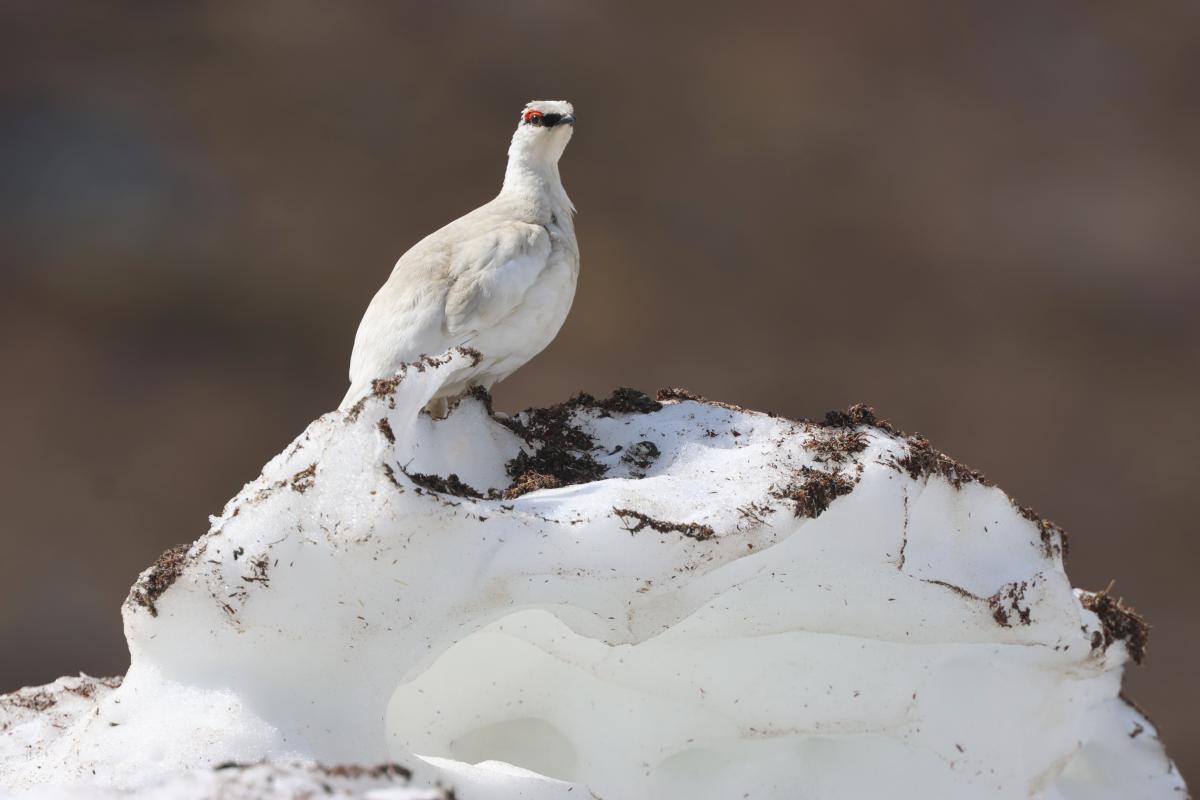
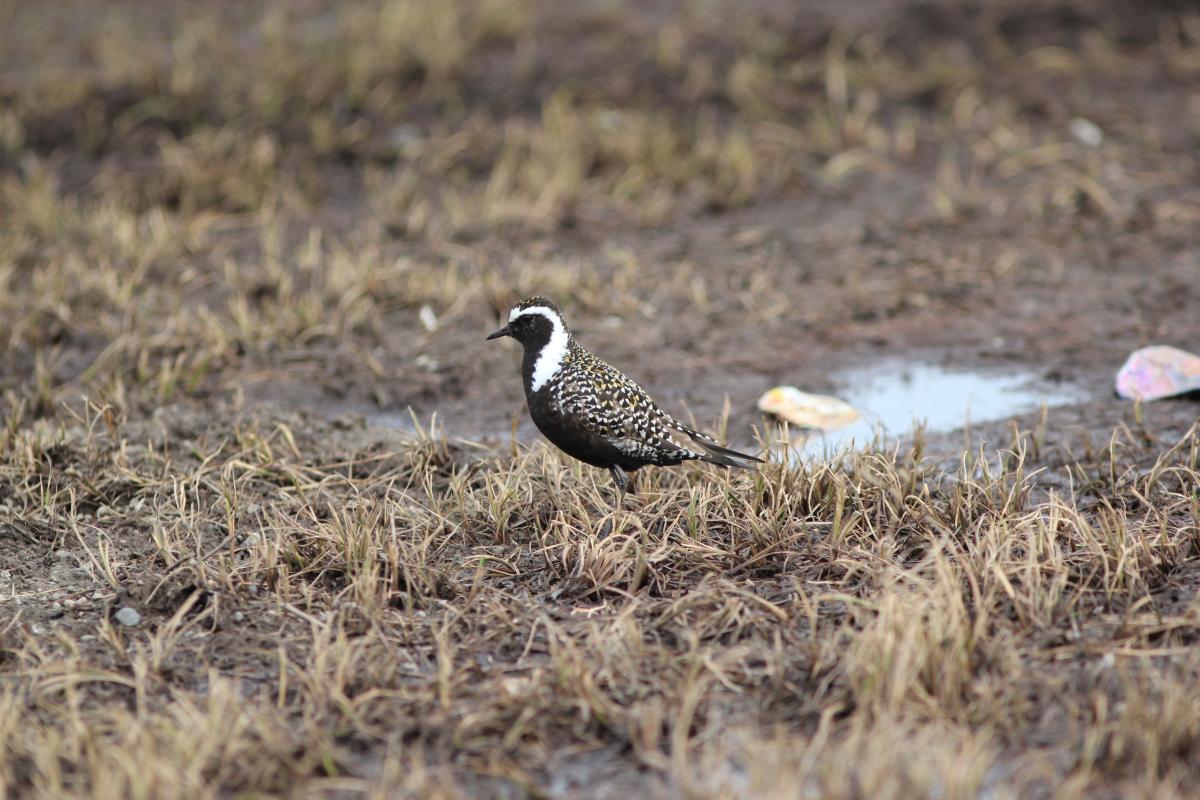
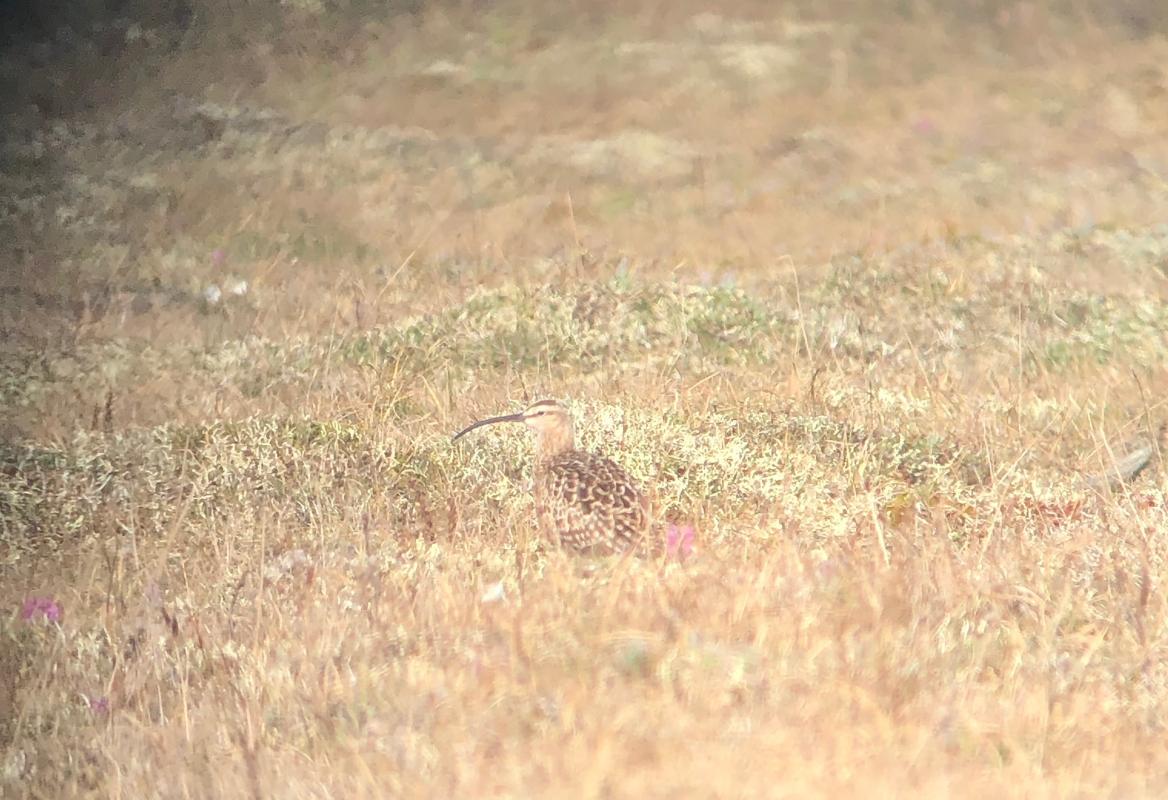
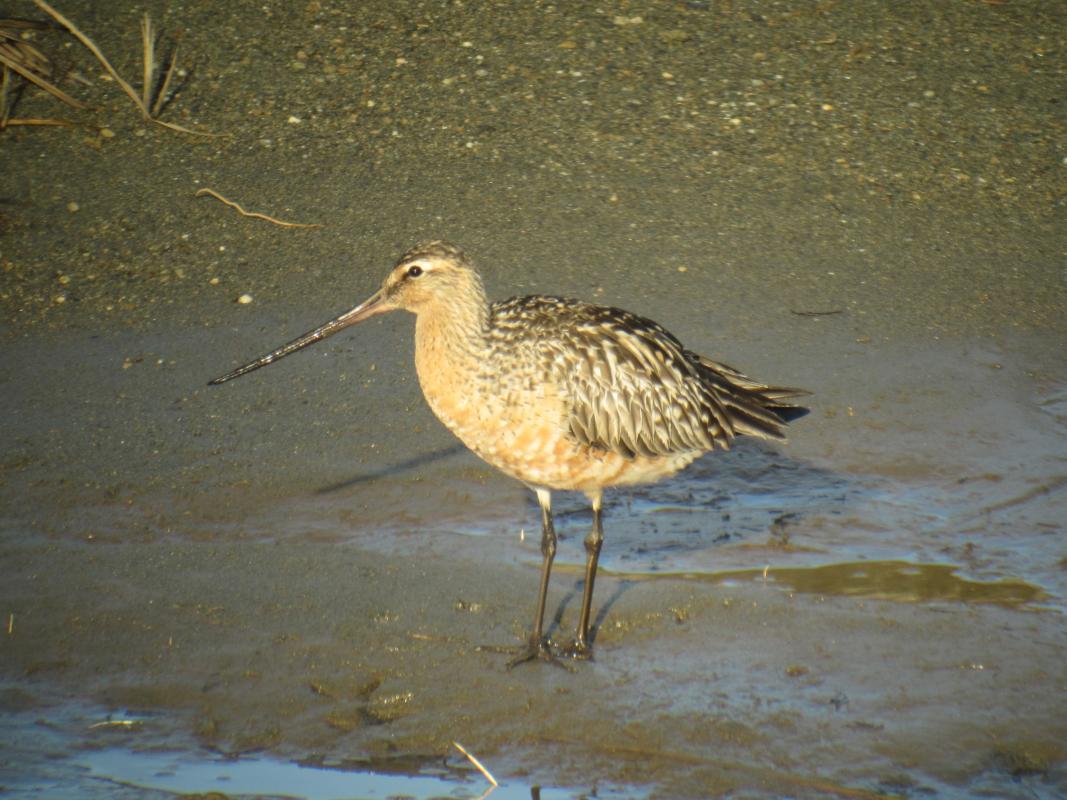
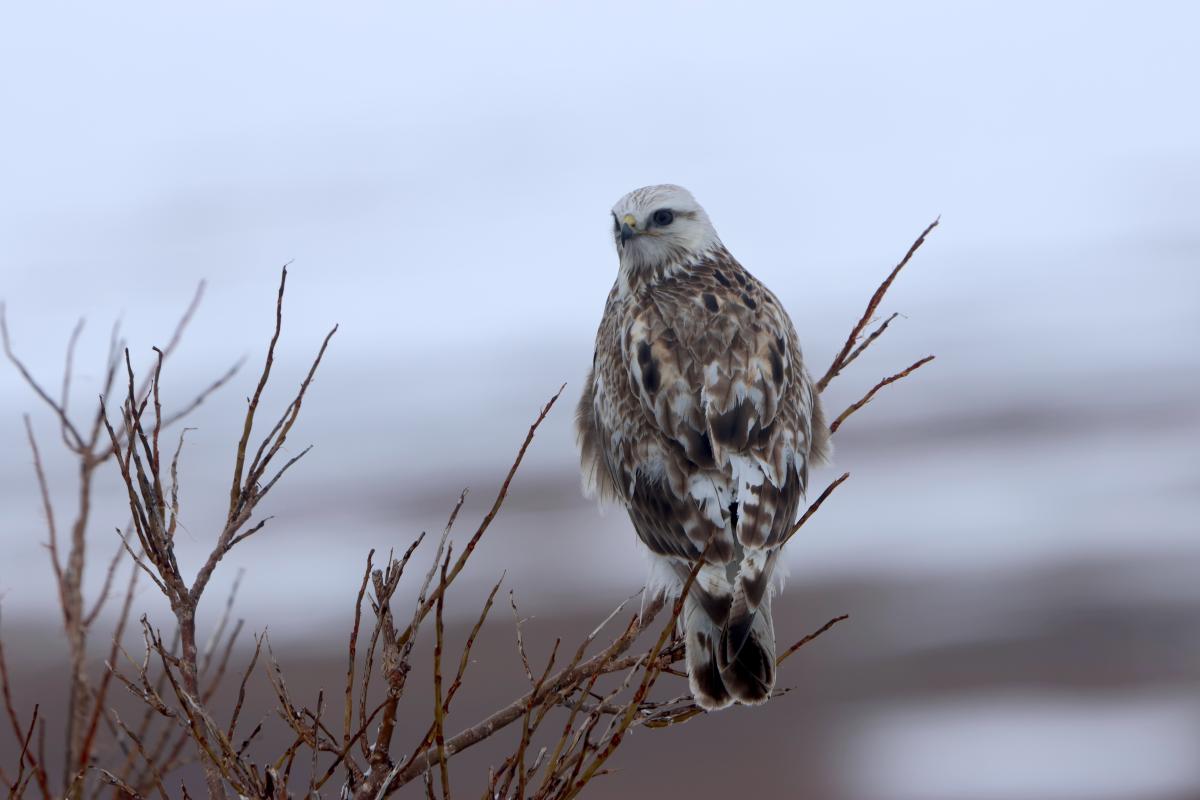
Leaving Gambell behind we undertook a short extension of a few days around Nome. Here conditions were much warmer and greener, with a wonderful array of local breeding shorebirds including Bar-tailed Godwit, Bristle-thighed Curlew, Western and Spotted Sandpipers, and the lovely American Golden-Plover. Raptors such as Short-eared Owl and Rough-legged Hawk were plentiful this year, perhaps indicating that the lemmings and voles did well over the prior winter. Ptarmigan too were plentiful, with a over 250 Willow’s and a dozen Rocks tallied in just three short days!
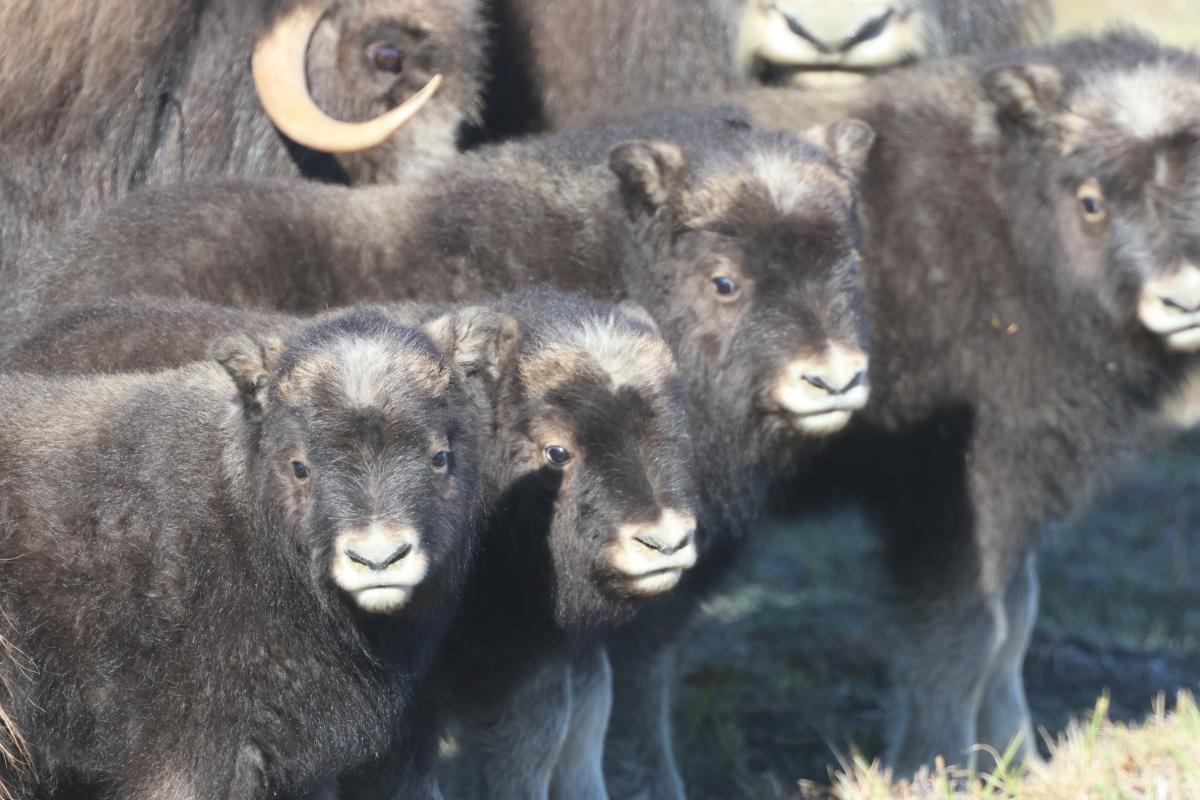
As is often the case the shaggy muppet that is otherwise known as Muskox often stole the show, with several family groups around town giving the landscape a decidedly paleolithic feel.