
Photo Gallery
Photos by Steve Howell (except where noted)
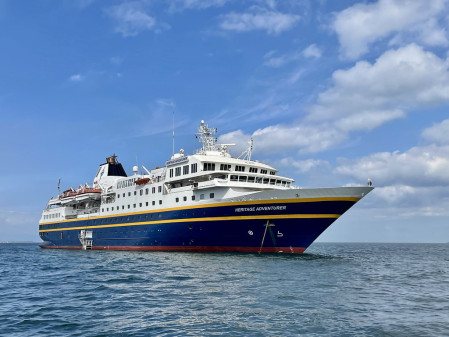
Our vessel for this remarkable voyage is the Heritage Adventurer… (photo courtesy of Heritage Expeditions).
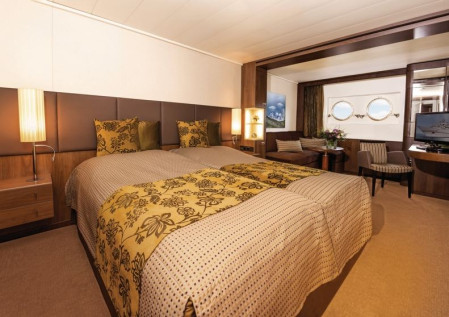
With very comfortable cabins, excellent food, and good at-sea viewing opportunities (photo courtesy of Heritage Expeditions).
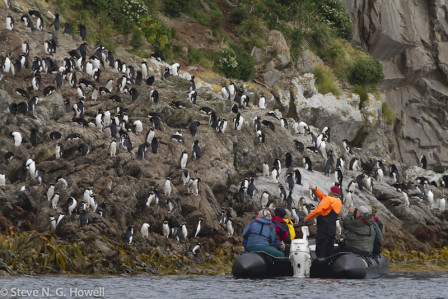
First stop, the Snares, where we’ll cruise the shoreline to see the endemic Snares Crested Penguin…
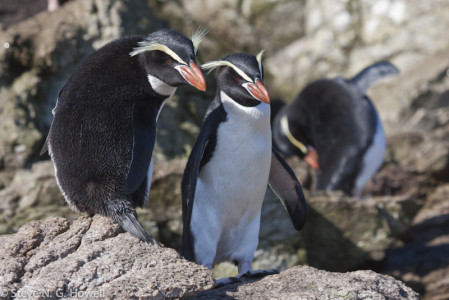
Here, up close!
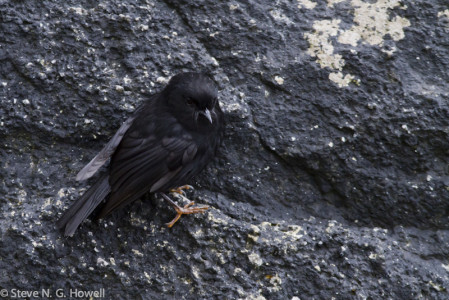
And the all-black endemic subspecies of Tomtit, which blends well with its habitat.
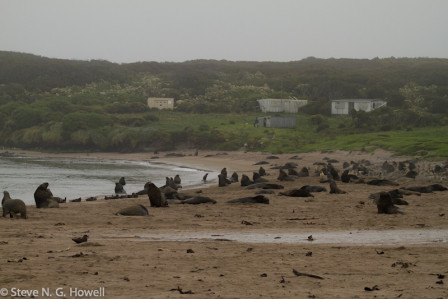
At Enderby Island we land at Sandy Bay, home to New Zealand Sea Lions,
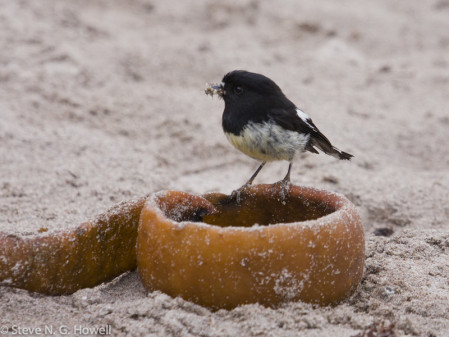
And where we may well be greeted by the pied local subspecies of Tomtit.
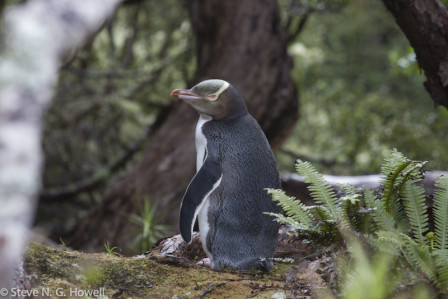
Yellow-eyed Penguins nest under gnarled trunks
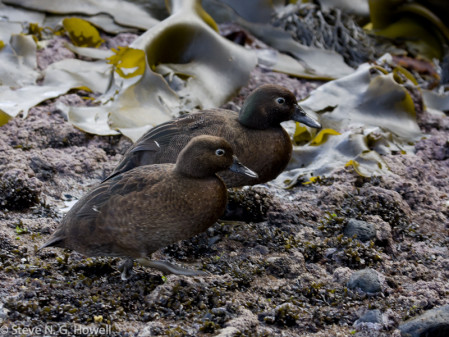
And with luck we’ll see the flightless Auckland Teal,
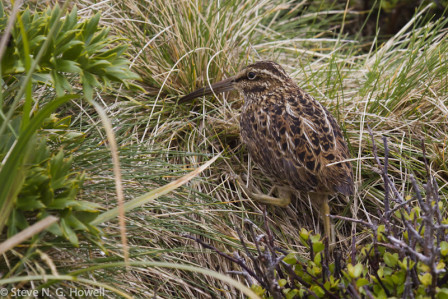
The local subspecies of Subantarctic Snipe…
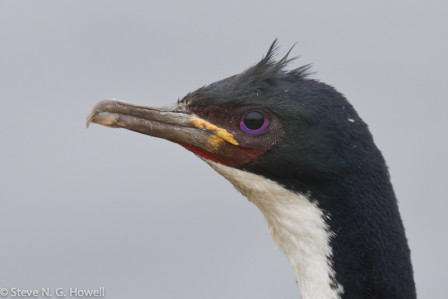
And the handsome Auckland Shag, the first of six island-endemic shags on our route!
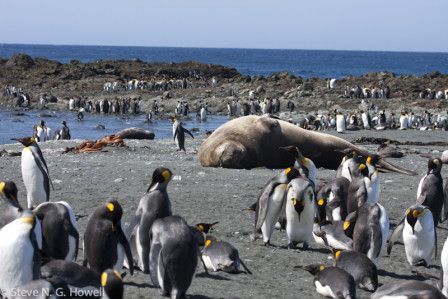
On to everyone’s image of Australia—Macquarie Island, home to thousands of King Penguins
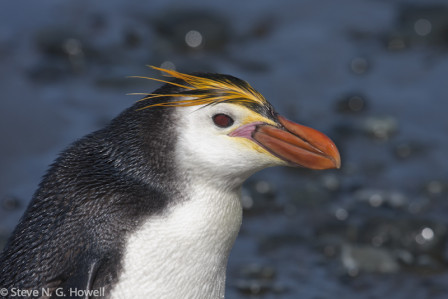
And the only breeding ground for Royal Penguin, here up close…
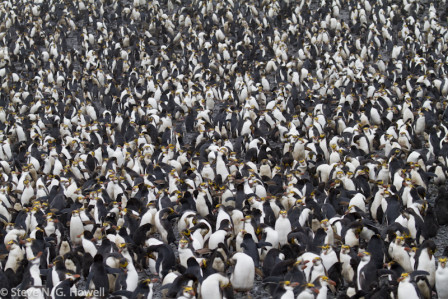
And here in a veritable penguin city!
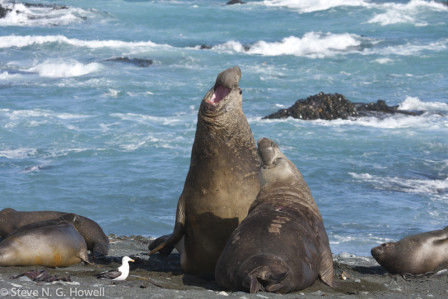
Southern Elephant Seals here provide scale for a ‘large’ Kelp Gull.
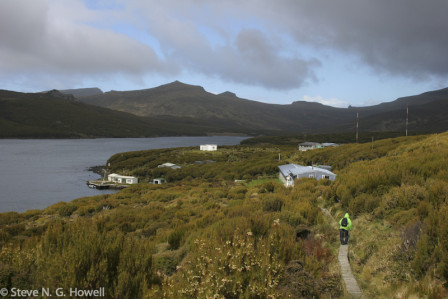
Next stop Campbell Island, where a boardwalk allows easy access…
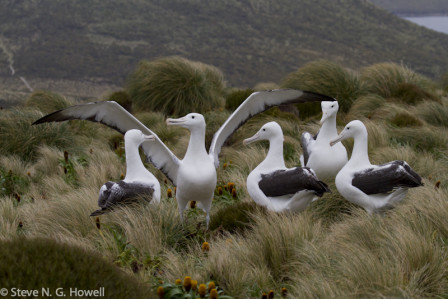
To view nesting—and with luck displaying—Southern Royal Albatrosses
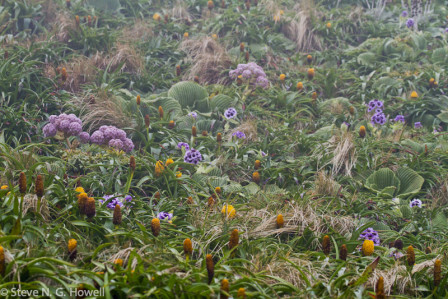
We’ll be very lucky to find Subantarctic Snipe in the lush vegetation (there isn’t one in this image, at least that we know of!)
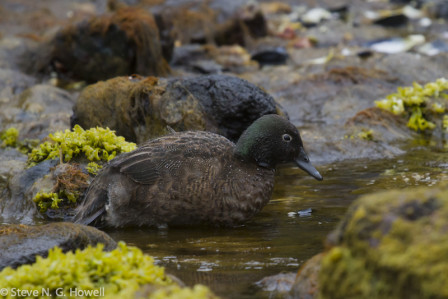
But we have a good chance of seeing the recently reintroduced flightless Campbell Teal.
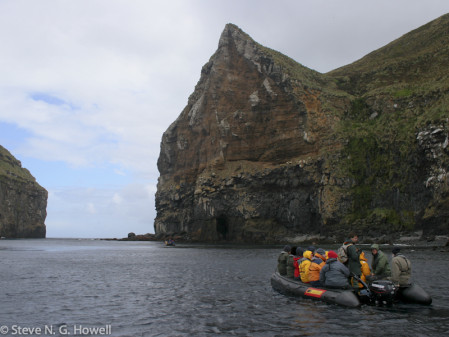
Cruising along under the cliffs at the Antipodes…
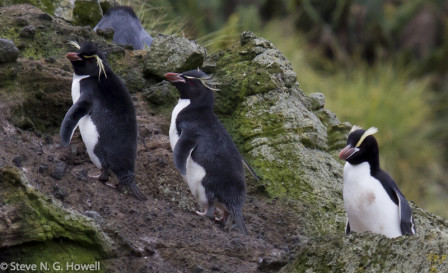
We should see Eastern Rockhopper (left two birds) and lots of Erect Crested Penguins,
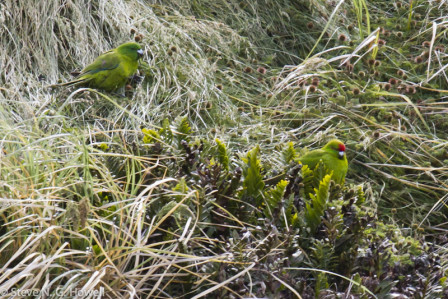
But it will take appreciable luck to see both endemic parakeets, the all-green Antipodes Parakeet and the recently split (by some) Reischek’s Parakeet, with its red cap.
![At sea, smaller species should include Subantarctic [Little] Shearwater...](/timthumb.php?w=450&src=https%3A%2F%2Flive.staticflickr.com%2F65535%2F52504033831_d31bcb06dc_o.jpg?)
At sea, smaller species should include Subantarctic [Little] Shearwater…
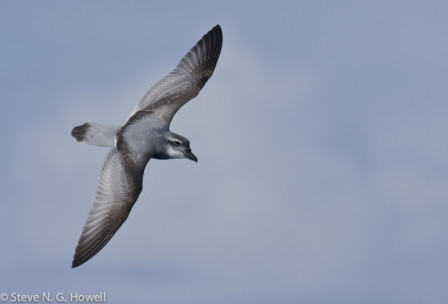
Broad-billed Prion…
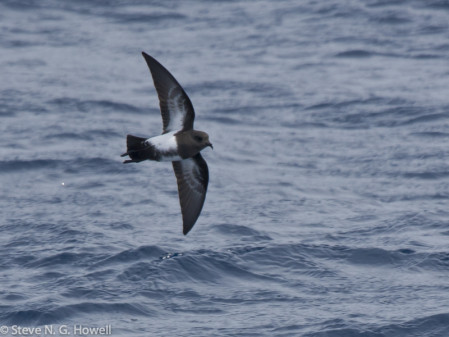
And Black-bellied Storm-Petrel.
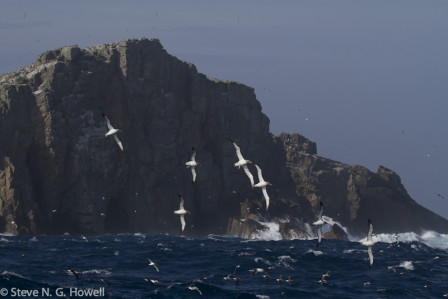
Named for Captain Bligh’s ship, the stark Bounty Islands host most of the world populations of Salvin’s Albatrosses,
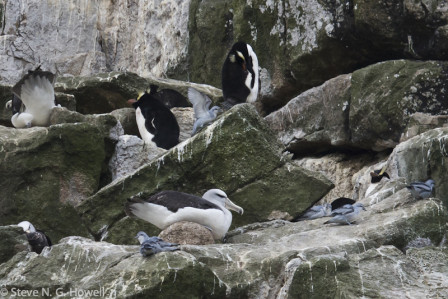
Here nesting alongside Erect-crested Penguins and Fulmar Prions.
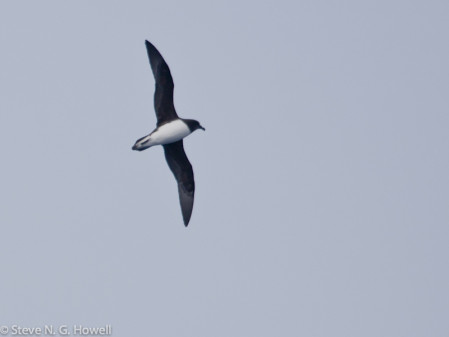
As we head north to our last island group, the Chathams, we have a chance of encountering the extremely rare Magenta Petrel (named for a ship, not the color!).
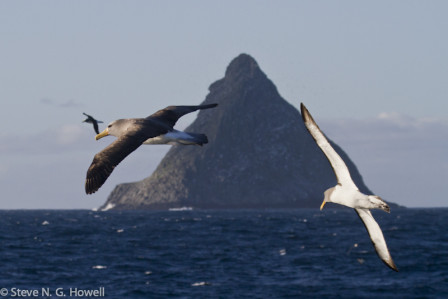
The well-named Pyramid Rock holds virtually the entire world population of the handsome Chatham Albatross,
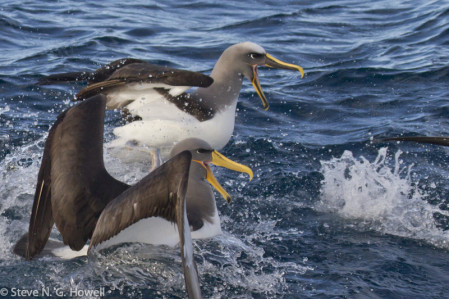
Here squabbling for food with an equally fancy Northern Buller’s Albatross.
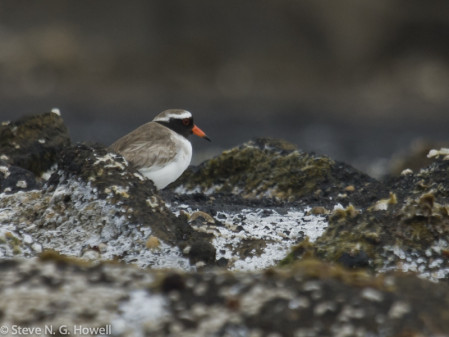
A Zodiac cruise at South East Island should produce the rare, rather dapper little Shore Plover,
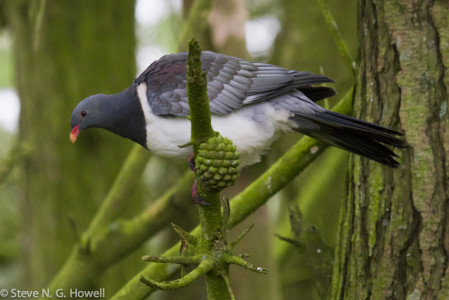
And a day on the main Chatham Island will reacquaint us with the idea of landbirds, including the massive Chatham Pigeon.
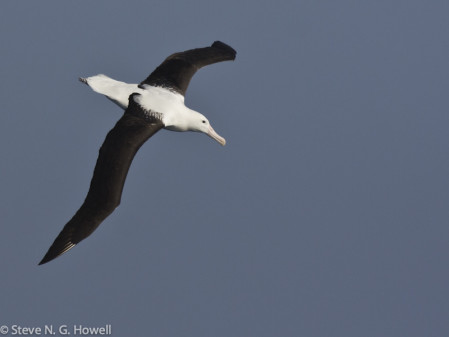
Among many tubenoses, Royal Albatrosses will accompany us on our transit back to mainland New Zealand, here a black-winged Northern Royal…
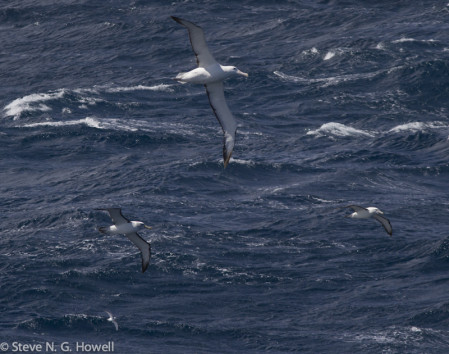
And here a Southern Royal, dwarfing the two Auckland Shy Albatrosses, which in turn dwarf the prion below them!