Arizona: Second Spring
-
Jul 23 to Aug 3 2027
Jake Mohlmann
Tour Price to be Determined


Tour Price to be Determined
Southeastern Arizona, especially from late spring through the summer, and ranks among the favorite of North American birdwatching destinations. In this varied region, where mountain ranges rise like islands above the surrounding deserts and grasslands, northern birds follow the coniferous zones of the peaks southward and overlap with subtropical species that reach their northernmost outposts in Arizona’s mountain canyons. As a result, the diversity of breeding birds is remarkable. By early August the summer monsoon rains have usually arrived, and these typically brief showers bring notable changes. During this “second spring” the vegetation becomes green again, temperatures drop from early summer highs, and there is a resurgence of birdsong and activity. Birding in Arizona is excellent throughout the summer months, but we favor late July and early August because it offers ideal opportunities to study grassland sparrows, increased chances of seeing rarer hummingbirds and the potential for early fall migrants and uncommon to rare species from Mexico. With the monsoon in full swing, we should also see a wide variety of reptiles, and butterflies should be near their peak abundance.
Apart from our time in Tucson and the Santa Cruz Valley, our tour takes place in the southeast Arizona highlands above 4,000 feet, where the days are cooler, the surroundings greener, and life in general more vibrant.
A delightful feature of this tour is our lodging. We make a special effort to stay in local lodging, where our group will have easy access to feeder watching and be close to many birding hotspots.


Day 1: Our trip begins at 6:00 pm in Tucson. Night near the Tucson Airport.
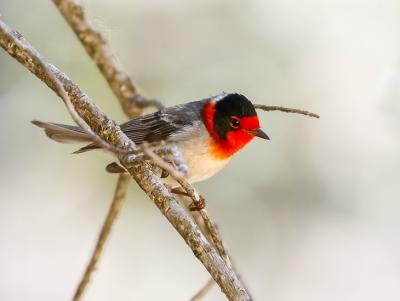
Day 2: The Santa Catalina Mountains form Tucson’s northern border. Along the road that snakes its way to the top, at around 9,000 ft., we’ll experience a wide range of habitats, each with a new set of birds. At lower elevations, among masses of huge Saguaro cacti and in the oaks of the Upper Sonoran zone, we’ll look for Gila Woodpecker, Black-throated Sparrow, and Scott’s Oriole. As we move higher we should have a good chance of encountering Mountain Chickadee, Pygmy Nuthatch, and a variety of warblers including Virginia’s, Orange-crowned (Rocky Mountains/Great Basin subspecies orestra), Grace’s and Red-faced. Hummingbird feeding stations attract Broad-tailed and Rivoli’s, and we’ll be looking overhead for Zone-tailed Hawk. Greater Pewee, and Olive Warbler (in it’s own family) are also possibilities, although the latter species has been more difficult in recent years. On the other hand, a pair of rare Short-tailed Hawks have been present recently and we may have a chance of seeing them as they soar over the ridges. In the afternoon we’ll drive south to Madera Canyon, stopping near the San Xavier Mission to try to locate the endemic small subspecies of Purple Martin (hesperia) over the Saguaro cactus stands before continuing to the Santa Rita Mountains and the Santa Rita Lodge, where we’ll spend two nights. The first-rate feeders here attract many species, occasionally including even rare Mexican species such as Berylline Hummingbird or a Plain-capped Starthroat. Broad-billed Hummingbird is abundant. Arizona Woodpecker, Mexican Jay, Bridled Titmouse, and Hepatic Tanager also visit the feeders, and Sulphur-bellied Flycatcher is usually about the rooms or across the street. Owling farther up the canyon might produce Whiskered Screech-Owl and possibly Mexican Whip-poor-will and Elf Owl, although by this time frame they have become largely silent (particularly the Elf Owl.) There is also a good chance of seeing the distinctive White-nosed Coati, and in recent years even a Ringtail has been hanging around in the evenings at the lodge. Night at the Santa Rita Lodge, Madera Canyon.
Day 3: There are many superb birding areas in and near Madera Canyon. At nearby Florida and Box Canyons, Bell’s Vireo and Varied Bunting are usually present, and we have a good chance for Northern Beardless-Tyrannulet. Sometimes the rare Five-striped Sparrow is present as well. Formerly, the rare and localized Black-capped Gnatcatcher occurred here too, but after a hard winter freeze a few years ago they have essentially vanished from Southeast Arizona. We’ll return to Madera Canyon through grassland usually full of singing Botteri’s Sparrows, and in some summers perhaps Cassin’s Sparrows will be present as well. Resident Rufous-winged Sparrows are found not far away and we will likely look for them on our way to dinner in the evening.
Madera Canyon itself is full of birds. The desert at the lower edge hosts many species like Curve-billed Thrasher and Canyon Towhee. A few Lucy’s Warblers, a common breeder, may still be present (this species in an early fall migrant) and in the community garden in Green Valley we might find Costa’s Hummingbird and Black-tailed Gnatcatcher. While commuting we’ll keep a watchful eye out for the extraordinary Antelope Jackrabbit. Higher up in the oaks we should see Dusky-capped Flycatcher and Hutton’s and Plumbeous Vireos, and sometimes a rarity is present in the canyon or up one of the trails, such as a Flame-colored Tanager or even with great luck an Aztec Thrush (most Arizona records are in August). In most years a pair of Elegant Trogons are present, although finding one is difficult if the male is not vocalizing. Night at the Santa Rita Lodge, Madera Canyon.
Day 4: After a final morning of birding around Madera Canyon we’ll drive south to Tumacacori, birding along the Santa Cruz River, where among the many Summer Tanagers and Cassin’s Kingbirds, Rose-throated Becards have recently been found nesting. At present, this is the main nesting locality in the United States. Other birds we might see here include Brown-crested Flycatcher and Abert’s Towhee. Farther south, at Rio Rico, we have an excellent chance of locating Tropical Kingbird, and here and elsewhere we should encounter Gray Hawk. Thick-billed Kingbird is likely in the Patagonia area, and a few Violet-crowned Hummingbirds are usually at the Paton’s feeders (Tucson Bird Alliance Sanctuary) in town. Interestingly, we often see our only Black Vultures of the tour here. In 2022 Mississippi Kite started nesting in Patagonia. If there is time, we may stop at Patagonia Lake for Neotropic Cormorant and a variety of other species, including Yellow-billed Cuckoo, Vermilion Flycatcher, and sometimes Black-capped Gnatcatcher, though not in recent years. At the nearby water treatment plant, various ducks are often present, including Black-bellied Whistling-Duck and Mexican Duck. Night in Tubac, AZ.
Day 5: Today is flexible. If we have seen Five-striped Sparrow we may head west to the Avra Valley where in the saguaro washes a few Ferruginous Pygmy-Owls are still found. Purple Martins will be present and there is a good chance of finding Gilded Flicker. If we haven’t seen Five-striped Sparrow we’ll leave early for California Gulch, on the Mexican border west of Nogales. The approaches to this wild and beautiful canyon are good spots for Montezuma Quail and Varied Bunting. Five-striped Sparrow nests here, and with luck the birds will be vocal and visible. At this time of year the Gulch should have water (perhaps quite a lot of water!), attracting species such as Northern Beardless Tyrannulet and Hooded Oriole. Night in Tubac, AZ.
Day 6: This morning is flexible, depending on our ornithological objectives. We may visit Patagonia Lake if we haven’t been there previously, or possibly return to Tumacacori. On our way east to the Huachuca Mountains, we’ll stop in the Sonoita Grasslands for the newly split (from Eastern Meadowlark) Chihuahuan Meadowlark, Cassin’s and perhaps Grasshopper Sparrow. We sometimes see a few Pronghorn. As we approach Sierra Vista, we’ll watch for Swainson’s Hawk. We’ll arrive at our inn, our home for the next three nights, late in the afternoon. Night at the Casa de San Pedro near Sierra Vista.
Days 7–8: We’ll spend two full days in the Huachuca Mountains, which host a varied avifauna including a selection of hummingbirds unrivaled anywhere in the United States. We are likely to see 10 or more species (we have seen up to 14) in Miller Canyon and at feeders in Ash Canyon and elsewhere, probably including Violet-crowned, Lucifer, Broad-tailed, and possibly White-eared. In some years both Berylline and Plain-capped Starthroat have occurred, and we’ll look for them if they’re around.
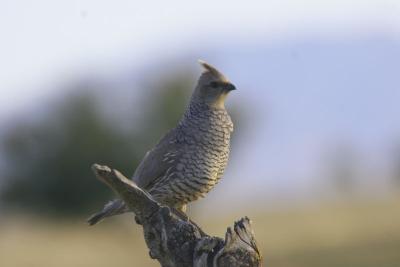
Our birding schedule is highly flexible depending on what birds, including rarities, are about. We’ll likely spend part of one day in Miller Canyon, studying hummingbirds and walking the trails. In some years, though recently absent, a pair of Spotted Owls has been present. We may also visit Ramsey Canyon, world famous for hummingbirds. Tufted Flycatchers have nested up-Canyon, and if they return we’ll offer the option of making the four-mile round trip hike to see these charming little wanderers from northern Mexico…unless of course the road-accessible ones found in 2017 at Reef Campground at the top of Carr Canyon also return. One afternoon we’ll likely visit feeders in Ash Canyon, known for attracting Lucifer Hummingbirds, especially late in the day. In addition, the grounds of our inn offer excellent birding with numerous feeders. Yellow-billed Cuckoos can often be seen on the grounds. The feeders attract many Gambel’s Quail and often Abert’s Towhee and Bronzed Cowbird (subspecies milleri in which the females are gray). Hummingbirds including migrant species, in som years Calliope Hummingbird is present. Chihuahuan Meadowlarks are found in the adjacent grasslands and Scaled Quail are nearby in Hereford. In 2023, Montezuma Quail were frequenting the roadside margin in Coronado National Monument and we will carefully search for them if they are being seen. In the evenings Lesser Nighthawks are often flying about under the lights and Barn and Great Horned Owls are possible, too. Nights at the Casa de San Pedro near Sierra Vista.
Day 9: This morning’s itinerary is flexible, depending on what we may have missed in the Huachucas. After an early picnic lunch we’ll drive east to the wetlands at Whitewater Draw in the Sulphur Springs Valley. Depending on water levels, waterbirds can be numerous, and we should see migrant Lazuli Buntings and perhaps Lark Buntings. In 2018, a Groove-billed Ani summered here. A few of the recently re-split Mexican Duck can be found here. Later we’ll drive to around the south end of the Chiricahua Mountains stopping to study Chihuahuan Ravens along the way, and into magnificent Cave Creek Canyon. Night at Cave Creek Ranch in Portal, Arizona.
Day 10: The Chiricahuas are famed for their beautiful landforms and numerous habitats, accessible by a road system running from low desert to fir forest at 9,000 feet. Mexican Chickadee is the only species here that we definitely won’t see elsewhere. Sadly, they seem to have declined in recent years, likely as a result of recent large fires. Beyond Mexican Chickadee, the Chiricahuas are an excellent back-up for higher elevation birds such as Greater Pewee and Olive and migrant Hermit Warblers. Cave Creek and South Fork Canyons will also offer locations for Elegant Trogon. Birds are abundant in the Portal area, and while the species mix will be much the same as earlier, the desert below is now the Chihuahuan rather than Sonoran, which means some important changes in subspecific diversity. In particular, the Curve-billed Thrashers (celsum subspecies of the curvirostre group) will look and, especially, sound somewhat different from birds we will have seen earlier to the west (palmeri), and recent studies have determined that they are also genetically quite different. The always secretive and elusive Crissal Thrasher is found in this area along with a very few Bendire’s Thrashers. There is the possibility of seeing Scaled Quail as well, and Chihuahuan Ravens are fairly common. Our friends in Cave Creek Canyon feed hummingbirds, and in some years we see our largest numbers here. These should include Blue-throated Mountain-gem and sometimes Lucifer or Violet-crowned Hummingbirds, and southbound Calliopes are present. We’ll spend at least one evening listening and looking for nightbirds. Common Poorwill is not uncommon near Portal, and depending on our success in the Santa Rita Mountains or near Patagonia, we may explore the canyon in search of owls. Western Screech will be the most likely new owl, but perhaps we will locate an Elf Owl too, if it vocalizes. While driving through the canyons we’ll be carefully looking for encounters with the nearly always elusive Montezuma Quail. Night at Cave Creek Ranch in Portal, Arizona.
Day 11: After a last morning in the Chiricahuas, perhaps including a visit to Pinery Canyon on the west side of the divide, we’ll descend the west slope and continue toward Tucson. We’ll stop at the ponds at Willcox, where we expect a variety of migrant shorebirds including Baird’s Sandpiper and Wilson’s Phalarope, and if there is time perhaps also at St. David, where a few Mississippi Kites breed. Night near the Tucson Airport.
Day 12: The trip concludes this morning in Tucson with departures and no birding activities planned.
Note: The information presented here is an abbreviated version of our formal General Information for Tours to Arizona. Its purpose is solely to give readers a sense of what might be involved if they take this tour. Although we do our best to make sure that what follows here is completely accurate, it should not be used as a replacement for the formal document which will be sent to all tour registrants, and whose contents supersedes any information contained here.
ENTERING THE UNITED STATES: Non-U.S. citizens will need a valid passport and may need a tourist visa. Consult your nearest U.S. Consulate for details. Canadian citizens should carry proof of citizenship in the form of a passport or birth certificate. U.S. citizens should bring some form of identification such as a driver’s license.
Please note that non-US citizens are required by law to carry passports/visas or Green Cards with them at all times. We suggest you carry these documents with you in your day pack or some place that is easily accessible (not locked in your luggage). Because of proximity to the US-Mexico border, US Border Patrol checkpoints will be encountered on the roads and foreign nationals may be required to produce passports or Green Cards.
Fort Huachuca - Non U.S. citizens will need a military approved escort to bird Fort Huachuca. This location is often the only location where we encounter Elegant Trogon. We will try to find an appropriate escort, but should no such escort be available, we will try to schedule suitable alternative birding for any participants denied access to Fort Huachuca.
US residents with a social security number and government-issued picture ID, will be pre-vetted for entry to Fort Huachuca (the US Army base in Sierra Vista, AZ, and a half-day stop on the tour).
PACE OF THE TOUR: Early mornings are always the best time for birding activity, and we will often be out in the field by 6:30am, sometimes preceded by a drive of 30 minutes or so. Breakfast will usually be at 6:00, except at Casa de San Pedro where it will be later, perhaps as late as 8:00 a.m. Daily temperatures are often very warm in the lowlands, and when possible, we will try to schedule a siesta during the hottest portion of the day. Lunches will be a combination of picnic lunches and sandwich shops.
Much of the birding will be on roads and wider trails. During our time in the Huachuca Mountains, depending on the rarities or scarce residents (e.g. Spotted Owl) that are present, we may go on several (perhaps three) hikes of up to four miles (round trip); these involve elevation climbs of over 1000 feet. On a few nights, we will have optional owling and night bird excursions after dinner. When possible, we’ll schedule about an hour of free time before dinner.
HEALTH: Arizona presents no real hazards to the visiting birdwatcher but certain factors must be considered. The sun is intense in July.
Sun and Dehydration: A broad-brimmed hat, proper clothing and a strong sun screen lotion are essential.
Spiny Plants: The most common injury results from spines penetrating light weight shoes. Almost every desert plant in Arizona is armed with thorns or spines and we recommend tough canvas or leather shoes of at least ankle height and tough (and preferably cool, light weight) trousers (and of course vigilance…) as the best safeguards.
Elevation: Much of our birding is at elevations between 4000 and 9000 feet, and while we normally do not schedule anything strenuous at the higher altitudes, anyone with known cardiac or respiratory problems should consult his or her doctor before scheduling the trip. We do two hikes at an elevation of between 6000 and 7000 feet but we take it at a very slow pace.
Smoking: Smoking is prohibited in the vehicles or when the group is gathered for meals, checklists, etc. If you are sharing a room with a nonsmoker, please do not smoke in the room. If you smoke in the field, do so well away and downwind from the group. If any location where the group is gathered has a stricter policy than the WINGS policy, that stricter policy will prevail.
Miscellaneous: Rattlesnakes are not a hazard but one always needs to use common sense and be alert in desert areas. We actively look for reptiles and feel lucky to see one rattlesnake per trip. Scorpions are nocturnal and rarely seen, and the tarantulas often seen on the highways are not dangerous.
Chiggers or biting insects will likely be encountered occasionally in moist areas or especially (for chiggers) in areas of grass after the monsoons have started, and we suggest bringing insect repellents with a high concentration of DEET.
CLIMATE: Temperatures rise steadily from March through June with little rain, although rain and anomalously cool temperatures are possible beginning in July. The monsoons usually start in July and should be at their peak in early August. Temperatures, even in the lowlands, are much reduced from June. Much of the most interesting summer birdwatching is in the deep mountain canyons between 4000 and 6000 feet where warm days and cool nights are the rule. At the elevations where we spend most of our time, the daytime highs average in the 90°s F and nighttime lows average about 60-65° F, although we do spend some time at lower elevations.
ACCOMMODATIONS: We stay at standard motels, one elegant bed & breakfast, and one rustic lodge/cabins on this tour. Except for Portal, our accommodations have pools. All our lodgings have WiFi although may be limited in Portal.
At Portal, (where we stay for two nights) we stay in a Ranch House and various cottages or connected rooms. The Ranch House has 4 bedrooms (each with two beds) with two shared bathrooms. The make-up of the tour participants may require some single participants to share a room and bathrooms on these two nights.
FOOD: Food on the tour is southwestern standard except for the very fine breakfasts and any catered dinners we might have at Casa De San Pedro B&B. WINGS tours are all-inclusive and no refunds can be issued for any missed tour meals.
Food Allergies / Requirements: We cannot guarantee that all food allergies can be accommodated at every destination. Participants with significant food allergies or special dietary requirements should bring appropriate foods with them for those times when their needs cannot be met. Announced meal times are always approximate depending on how the day unfolds. Participants who need to eat according to a fixed schedule should bring supplemental food. Please contact the WINGS office if you have any questions.
TRANSPORTATION: We will be traveling by 12 or 15 passenger window van or minivan, depending on the group size. Participants should be able to ride in any seat in tour vehicles.
Arizona: Second Spring
We can't render google maps without your cookie consent. To see the map, please reset your cookies, then accept all, then reload this page.
2026 Narrative
Southeast Arizona is rightfully considered one of the US’s premier birding destinations. Here, representatives of many neotropical groups found nowhere else North of the Mexican border give a taste of the tropics, including Coppery-tailed Trogon, Northern Beardless-Tyrannulet, Rose-throated Becard, and more. Hummingbird diversity is far higher here than anywhere else North of the border too, and despite the lack of a coast there are few places with such enviable diversity of habitats. From saguaro dominated deserts to high elevation ponderosa pine forests, a short drive can see a dramatic change in both habitat and species makeup. The geographically separated “sky islands” add to this further, as some species such as Mexican and Mountain Chickadees fill similar niches in islands of similar habitat in different mountain ranges. We enjoyed a thorough sampling of all of these ranges and habitats, seeing special species such as Five-striped Sparrow, Rose-throated Becard, multiple Montezuma Quail, White-eared Hummingbird, Spotted Owl, and many more.
Day 1: Tour began with an intro meeting and dinner.
Day 2: As we packed up the van for the first time at six this morning the sun was up and the temperature was already hovering in the upper 80s. Our first birding destination was Mount Lemmon, part of the Santa Catalina Range on the North side of Tucson. In stark contrast with the vast expanse of saguaro cactus, mesquite, and palo verde dominated desert below, the upper elevations of the Santa Catalinas are home to cooler temperatures and tall ponderosa pine forests reminiscent of those in Colorado and elsewhere in the mountain West. A brief stop on the rocky middle elevation slopes produced a heard only Black-chinned Sparrow. Our first proper stop came in the high elevation forest of Rose Canyon Lake. Here, Common Black-Hawk is occasionally found and good activity can be enjoyed in the piney oak forest abutting the creek and lake. While Common Black-Hawk was not to be today, passerine activity was delightful. A wooded opening just before the lake was alive with warblers and we scarcely knew where to look as Grace’s, Hermit, and Black-throated Gray Warblers joined the more localised Red-faced Warblers and Painted Redstarts low in front of us. The Red-faced Warbler in particularly was lovely, giving extended views. An Olive Warbler was unfortunately more fleeting.
As we watched the sky at the lake, dozens of White-throated Swifts swirled around overhead, joined by a handful of Violet-green Swallows. A Greater Pewee sang and gave extended, albeit distant views on a dead snag. A mixed flock on the way back to the van made it difficult to leave as we added Mountain Chickadee, Bridled Titmouse, Plumbeous Vireo, Western Flycatcher, and a veritable swarm of Bushtits. Yellow-eyed Juncos hopped around our feet unbothered by the attention. Next up was Mount Bigelow Rd, home to another good raptor overlook and further passerine potential. We soon added Virginia’s Warbler, though it didn’t stay long. A flock of type 2 Red Crossbills were likewise brief. Our best raptor action came with a Zone-tailed Hawk overhead, and we enjoyed one final flock before departing for lower elevations and lunch. Pygmy Nuthatches gave excellent views as the squeaked away busily overhead. These were joined by yet more Red-faced Warblers and our first Hutton’s and Western Warbling Vireos.
Having enjoyed the stunning scenery as we descended Mount Lemmon, we enjoyed a pleasant lunch at Le Buzz, a cafe at the Northeast edge of Tucson. From here it was time to make our way somewhat hastily towards our accommodation for the night, Santa Rita Lodge, as check in closes at the early hour of 4pm. En route we picked up breakfast and picnic supplies for our stay. Once comfortably settled in, birding could resume and we began at the justifiably popular feeder station at our lodge. Wild Turkeys were numerous below the feeders, and Broad-billed Hummingbirds buzzed busily around the numerous hummingbird feeders. As we sat, we slowly picked up ones and twos of other hummingbird species, including hefty Rivoli’s Hummingbirds, a subtle female Anna’s, a gorgeous male Costa’s, and a couple of Black-chinned Hummingbirds. One participant who stayed behind at dinner time was able to pick up a scarce Berylline Hummingbird in the dying light. After dinner, some of the group stayed on to enjoy some productive owling. First, we enjoyed a Western Screech-Owl in a desert wash below the lodge before driving higher and tracking down a Whiskered Screech-Owl for more close views. Mexican Whip-poor-will and Common Poorwill were heard too far for visuals but the owls proved a satisfying end to the day. Night at Santa Rita Lodge.
Day 3: Having met up at the van for a 6am start, we drove a short distance to the Carrie Nation Mine Trail. Here, a short hike was initially uncharacteristically quiet. A mass of Bridled Titmice provided the only real entertainment aside from the scenery. After some patience, we were able to locate a close calling Coppery-tailed Trogon, but it moved quickly up the canyon before the group was able to get a view. Lower down the canyon, at the amphitheater, a patch of better activity produced views of our first Sulphur-bellied and Brown-crested Flycatchers. Hutton’s Vireo, Plumbeous Vireo, Painted Redstart, and Western Tanager were all repeats but were nonetheless appreciated. Before returning to the lodge for feeders and lunch we drove to the desert edge at the bottom of the canyon. A water tank here was the focal point of some steady activity. Best of the lot were a pair of Varied Buntings, but Gray Hawk, Lucy’s Warbler, Bell’s Vireo, Canyon Towhee, Black-throated Sparrow, and Blue Grosbeak all showed well.
Back at the feeders hummingbird activity was once again good and we enjoyed a nice male Anna’s Hummingbird to supplement the female yesterday evening. Bullock’s and Hooded Oriole’s were also nice and our first Arizona Woodpecker showed off at the water feature. Bronzed Cowbirds once again showed their sinister-looking red eyes and Hepatic Tanagers worked the trees above the feeders and cabins. Given the heat, we opted for a post-lunch siesta before getting back out at 3:30. After the afternoon break, our first stop was a desert site with habitat for the several sparrows of the genus Peucaea found here in Arizona. At first we struggled as it appeared the birds were not yet done with their siesta, nonplussed by the triple digit temperatures. With patience and storms gathering on the horizon, the desert began to show signs of life. A grumpy pair of Cactus Wrens climbed around in the thorny scrub and a Gila Woodpecker worked some Prickly Pear fruit. An attractive Rufous-winged Sparrow showed a few times but never really seemed to want to pop up properly. It was soon time to move on to an early dinner, giving us time later on for a Buff-collared Nightjar stakeout. A quick check of a Harris’s Hawk territory on the way proved unsuccessful.
We kept good time at dinner and had enough time to check Box Canyon for Five-striped Sparrow before backtracking a short distance for the main event at the nightjar spot. Unfortunately, the canyon was breezy with storms around and we were unable to locate a sparrow. Scott’s Oriole sung it’s flutey song and a Varied Bunting put on a show perched atop an ocotillo. As dusk fell we got settled into the Buff-collared Nightjar stakeout, joined by a few other intrepid twitchers. It wasn’t long before the evening air was filled with the songs of Common Poorwills, and a male flew low over the road. Lightning cracked rapid fire in the distance and dark clouds loomed in every direction but rain fortunately held off. Even the wind abated and right on schedule the Buff-collared Nightjar began to sing just up the wash. Before leaving, we walked up the road and were treated to further singing at close range as lighting lit up the night around us and thunder rumbled in the distance. Night at Santa Rita Lodge.
Day 4: We left Santa Rita Lodge early this morning, returning to where we closed out yesterday’s daylight hours in Box Canyon. Again, Five-striped Sparrow eluded us despite much improved weather conditions and birdsong. We soon cut our losses and drove a short way down the canyon to where a pair of Thick-billed Kingbirds had nested in a large sycamore. As we approached, we could hear the loud calls, and we were soon able to get frame filling views in the scope. Several hummingbirds, including a young Costa’s, also provided a pleasant distraction. Though the kingbirds were the highlight, we spent a bit of time exploring this well vegetated part of the canyon, resulting in good looks at several nice birds- a gorgeous male Vermillion Flycatcher, a glossy, vocal Phainopepla, and a busily singing Rufous-crowned Sparrow. Having had our fill of this birdy corner of the canyon, it was time to move on to the lower desert habitats around Green Valley and Sahuarita on our way to Tubac, where we would be staying the night.
As we stepped out of the van at an unassuming pullout in the Saguaro dominated desert of Sahuarita, the sun beat down with an unpleasant intensity and there was no shade in sight. Fortunately the birds here are no strangers to warm weather and we were immediately able to spot one of our main targets here, the Saguaro specialist hesperia subspecies of Purple Martin. A pair were busy socializing outside a suitable looking nesting site with several more cruising around above. Another scarce Saguaro specialist, Gilded Flicker, was likewise accommodating. We watched as a pair worked around the Saguaro forest and seemed to feed on cactus flowers or fruit. Following lunch at a nearby cafe we then made a visit to the ponds at Green Valley WTP. A rare source of water and nutrients in the desert makes this a busy site for otherwise scarce shorebirds and waterfowl. Among the unusual summer stragglers here were a Redhead, Gadwall, and Wood Duck amongst the more numerous Mexican and Ruddy Ducks. A lone Long-billed Dowitcher worked the shore with several Black-necked Stilts and a handful of male Yellow-headed Blackbirds. A bit of a surprise was a trio of Harris’s Hawks high overhead.
Next we visited a somewhat more aesthetically pleasing desert oasis in the form of the immaculately maintained Desert Meadows Park. Thought had clearly been put into every aspect, from the availability of natural and artificial shade to the extraordinarily diverse and well marked selection of desert flora. Most importantly from our perspective were the bird feeders spread throughout the gardens. Costa’s Hummingbirds visited flowers and feeders while dozens of Gambel’s Quail squabbled in the underbrush. Our first Abert’s Towhee joined Cactus Wrens and Curve-billed Thrashers in giving close views. Pressing on we made one final quick stop at Amado WTP, a quick roadside stop with the potential for the unusual. While we didn’t find anything truly rare, local scarcities included a pair of Black-bellied Whistling-Ducks with an adorable entourage of ducklings, a single Ring-necked Duck, and a couple of Neotropic Cormorants. Good numbers of Lazuli Buntings flitted back and forth as they fed on the seeding grasses lining the edges of the pond. With that it was time to check in at our hotel in Tubac, though even here we were able to add new birds including both Tropical Kingbirds and Song Sparrow. Night at Tubac Golf Resort and Spa.
Day 5: Today began with an adventure into Sycamore Canyon, just a stone’s throw from the Mexican border. Lined with impressive rock formations reminiscent of parts of Utah, this canyon holds a few small pockets of lush riparian habitat, regularly home to some of the US’s only accessible Rufous-capped Warblers. In contrast to last year’s bone dry river bed, this year flowing water added both to the ambience and the difficulty of the hike. A little over a mile down the canyon we finally reached the first warbler site, but despite effort could not turn one up. Poking around a little further down the canyon again yielded nothing, leading me to offer to conduct a quick check of the next bend while the group staked out a likely looking shaded spot. Just as I was returning a Rufous-capped Warbler finally alighted in front of me at close range. I was fortunately in earshot of the group, and they soon made their way over. Alas, the two minutes it took to reposition the group were all this uncharacteristically shy Rufous-capped Warbler needed to disappear forever. Despite considerable patience, a few phrases of song were all we could elicit before it was time to escape the now baking heat of the canyon floor. A flushed covey of Montezuma Quail and undeniably astounding scenery were a consolation for a challenging morning.
After lunch, I decided to check out Rock Corral Canyon while the group rested and avoided the worst of the afternoon’s heat. I hadn’t been in several years and wanted to check on the state of the road and trail to the Five-striped Sparrow territory. Despite the unrelenting sun and heat, this proved shockingly successful. Not only was the road passable, but the birds were singing a short distance down the track unprompted as I walked up. After stealing a few glances at these scarce sparrows, I went back to pick up the group, returning just in time for our scheduled departure. Rather than the originally planned riparian birding at Santa Gertrudis Lane, we made a beeline for Rock Corral Canyon. After the morning’s experience with Rufous-capped Warbler, I was worried the Five-striped Sparrows might repeat the disappearing act. Adding to the worry were the dark clouds now quickly gathering from all sides, and impressive lightning strikes flashed on the horizon. I needn’t have worried. Not only would the rain hold off for us, but it took no more than 30 seconds for the Five-striped to begin singing upon arrival at the site. This attractive sparrow was soon in the scope, showing well as it continued to sing incessantly for the remainder of our stay. A pleasant supporting cast included a cooperative Northern Beardless-Tyrannulet at eye level and a grumpy Black-tailed Gnatcatcher. Night at Tubac Golf Resort and Spa.
Day 6: After a heavy night of rain the air was cool as we loaded up the van ready to depart Tubac for Sierra Vista. Our first stop, Santa Gertrudis Lane, proved a miss as the overnight rain had left the section leading up to the river flooded and muddy. Nobody wanted to get muddy to try for Green Kingfisher so we moved swiftly along to seek out our main target for the morning, Rose-throated Becard. To reach the spot we had to make 2 creek crossings but both were fortunately passable despite the heavy rain. After some patience in the cool morning air along Harshaw Creek we eventually had a vocal response, followed by extended views of the Becard. This chunky neotropical flycatcher is found at just a handful of US sites and is the only member of this tropical genus to regularly make it North of the border. Other highlights here included a close and vocal Canyon Wren, more Northern Beardless-Tyrannulets, and nests of both Broad-billed Hummingbird and Western Wood-Pewee.
Back in Patagonia, a short stop in the town center yielded a locally scarce Mississippi Kite before we moved on to the Paton Center’s feeders to finish out the morning. Here we enjoyed our first Violet-crowned Hummingbirds, a striking hummingbird with a tiny US range. Locally rare and truly gorgeous was a male Painted Bunting joined by a pair of Lazuli Buntings below the feeders. After an enjoyable lunch at Gathering Grounds in Patagonia we drove to our accommodation for the next three days, Casa de San Pedro. We allocated the hottest part of the day here for some laundry and rest before once again venturing outside for a couple of hours before dinner. The first target of our outing was Scaled Quail and our search too us to the scrubby suburbs of Sierra Vista. After driving around residential streets enjoying Gambel’s Quail and Curve-billed Thrashers we happened upon a Scaled Quail on a fencepost beside the road. For the next ten minutes he proceeded to put on a show, calling almost without pause even as we exited the van for better views. Next up was Botteri’s Sparrow, and it wasn’t long before we were able to locate one on a dirt road around the corner from the quail spot. Distant at first, it eventually came in for good scope views and some photos. After an excellent catered dinner back at Casa de San Pedro several of us stayed up and were rewarded with a trio of Great Horned Owls and numerous Lesser Nighthawks. Night at Casa de San Pedro.
Day 7: After a heard only at Madera Canyon on our second full day, Coppery-tailed Trogon was our first target this morning as we ventured out into the Huachucas for the first time. En route to the trailhead we paused briefly at Coronado National Memorial for a beautiful sunrise view. Just a mile from Mexico here, the border wall was an eminently visible scar on an otherwise untouched landscape. Arriving at the Bear Canyon trailhead appreciated the cool, shaded air of the morning as we slowly made our way up the trail. The first half mile went by without so much as a single call from a trogon. Just as we were about to turn back, the gruff croaking of a Coppery-tailed Trogon began with the sun finally reaching the treetops in the canyon. It was soon joined by a second, much closer bird and we could see movement as it sallied along the creek bed. After lots of close vocals, a glorious male Coppery Trogon briefly alighted in front of us before continuing on behind us. It gave several more close passes with its distinct looping flight but never really sat still. As we were now running a touch late for breakfast, we hurried back down to the van. On the drive back, an American black bear galloped across the road.
Our post-breakfast birding involved another half mile up Miller Canyon, actually only a 6 miles of trail away from our trogon site but on the opposite side of the Huachucas. Here, at the ruins of an old sawmill, we spent some time looking for a continuing Flame-colored Tanager. We eventually heard it close, but only got brief glimpses before it disappeared further back in the canyon. Down by the parking we then enjoyed some much deserved shade and seating at the excellent hummingbird feeding station of Beatty’s Guest Ranch. Broad-tailed Hummingbirds were common and we were able to properly appreciate them. Better looks and photos of Rivoli’s and Violet-crowned Hummingbirds were also appreciated. Given the late breakfast we opted for snacks at the feeders rather than lunch, and decided on an early dinner to give ourselves time to go up Carr Canyon afterwards in search of Buff-breasted Flycatcher and Spotted Owl.
After dinner, we had a quick look at the grassland behind the restaurant, scoping both Chihuahuan Meadowlark and more Botteri’s Sparrows. From here we ascended the scenic but steep road up Carr Canyon, stopping first at Reef Campground. The open, shrubby pine forest here is prime habitat for Buff-breasted Flycatcher. Sure enough, we found one of these small, warm colored empids, as well as a Brown Creeper of the montane Mexican subspecies. Nearing dark, we made our way to Ramsey Vista and the Comfort Spring Trail to try for Spotted Owls. It was a beautiful, calm evening and the birdsong in the dying light was incredible. A vocal Greater Pewee put on a show on the dead snags just below eye level and soon the Mexican Whip-poor-wills started up. Despite seemingly perfect conditions and patience there was no sign of Spotted Owl. A Great Horned Owl did begin singing and may have contributed to the lack of Spotted’s. A roadside Peccary on the way down added to our mammal list. Night at Casa de San Pedro.
Day 8: After a late night, we began a touch later this morning, patrolling the roadsides for Montezuma Quail before breakfast. While we only heard Montezuma Quail, our morning was not without interest. First we found a Western Diamondback Rattlesnake, sluggish in the cool morning air but impressive nonetheless. Continuing the theme, we then found a beautiful red, black, and yellow Madrean Mountain Kingsnake. As fantastic as these snakes were, after breakfast it was back to birds and we visited the high elevation grasslands along N Tex Canyon Road. The musical larking of a Cassin’s Sparrow greeted us as we stepped into the heat of the late morning. We soon added another new bird, Horned Lark, which turned out to be numerous. Chihuahuan Ravens called close by. It took some patience but we eventually tracked down a Burrowing Owl. Unfortunately it didn’t land anywhere useful and we had to make do with flight views.
Our final afternoon in Sierra Vista was an exercise in cleaning up. Some opted to rest, but the rest of us returned to Beatty’s. Some stayed with the feeders, while those who were left unsatisfied by yesterday’s mostly heard-only Flame-colored Tanager hiked back up to the ruins for another try. As we walked up we could already hear the tanager and this time part of the group was quickly able to get a decent view. In what felt like a repeat of yesterday, it then did another disappearing act. We waited with no sign of its presence for about half an hour before the Flame-colored finally made a reappearance, this time with a female Western Tanager. This time he finally got comfortable, preening in clear view and calling. After this much improved experience, we made another quick stop at the hummingbird feeders before returning to Casa de san Pedro for dinner. After dinner we had a brief American Barn Owl and Great Horned Owl on the property, though both were unimpressed by an impending thunderstorm and soon went quiet. Night at Casa de San Pedro.
Day 9: Once again we started today off with a dedicated Montezuma Quail search. We made our way out along the appropriately named Montezuma Canyon Road, this time getting further along and into the higher quality habitat without the distraction of snakes. We were hopeful but reached our first turnaround with nothing to show for our efforts. This soon changed though, and we had excellent, if brief, views of a pair on the roadside. Happy to finally connect but with a little more time before we had to return for breakfast, we made another pass, resulting in two more extended sightings of a male Montezuma Quail. One of the most remarkable looking birds in the US, such excellent sightings certainly made our morning.
After breakfast it was time to pack up the van and move on to the Chiricahua’s, our final sky island. On the way we made a stop at Lake Cochise in Wilcox. The premier shorebird site in Southeast Arizona, this oasis of reclaimed water was loaded with birdlife. Immediately obvious were the good numbers of both American Avocet and Black-necked Stilt. A mass of smaller peeps comprised mostly of Baird’s and Least Sandpipers but also included a handful of Westerns. It was a good chance to study and compare these tricky small shorebirds and the warm, long-winged Baird’s were particularly appreciated. A number of spinning Wilson’s Phalaropes added to the activity, as did a flock of White-faced Ibis. A young Double-crested Cormorant was also new for the trip. A quick wander of the adjacent golf course produced close views of Yellow-headed Blackbirds, as well as our first Common Yellowthroats and Red-winged Blackbirds. The heat of the day becoming increasingly unpleasant, we moved on to lunch at nearby. Following dirt roads into a desolate mix of scrubby desert and agriculture, Olive’s Cafe proved to be quite a surprise. In sharp contrast with the surroundings, we settled in for comfortable, upscale dining in a well appointed cafe surrounded by olives, lavender, and rosemary.
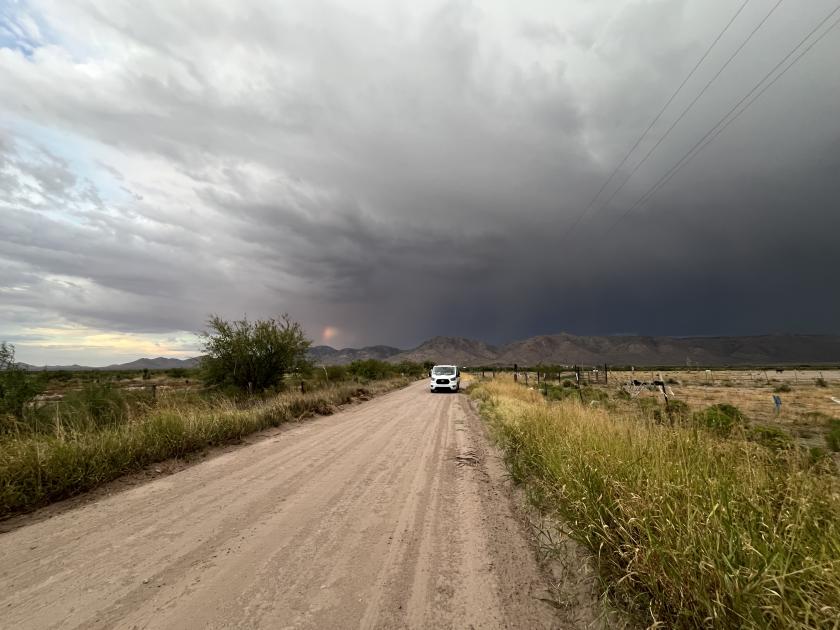
Rejuvenated, we settled in to finish the final two hours of our drive to Portal. Upon arrival, we quickly checked in and immediately drove up the road to the Southwest Research Station feeders. Despite hummingbird numbers being universally low at feeders this year due to blooming flowers in the surrounding deserts and canyons, the station feeders nonetheless hosted both Berylline and White-eared Hummingbirds. Upon our arrival, we picked up our first Blue-throated Mountain-Gem. The White-eared took longer but eventually came in a couple times, a lovely male. The Berylline unfortunately did not give itself up before we had to head for dinner. The restaurant was just across the border in New Mexico and was thus an hour ahead, effectively making it’s 8pm closing time a 7pm closing time. Despite threatening rain and lighting from all sides, we enjoyed one more bird before returning to the lodge. A Bendire’s Thrasher showed briefly but only for some of the group. The consolation for the rest was an absolutely phenomenal double sunset complete with a rainbow and an intense lightning storm. Indescribably breathtaking, it was the perfect way to close out a day in one of the most beautiful corners of the United States. Night at Cave Creek Ranch.
Day 10: This morning we began early with the slow, bumpy ride up to the higher elevations of the Chiricahuas around Rustler Park. Here, the cool pine-dominated forest is home to entirely different suite of species than the oak forests and scrubby desert down below. We quickly picked off our first of many Band-tailed Pigeons, stopping for a family group of Western Bluebirds. This first stop proved to be active and we found our first Mexican Chickadee, ranging into the US only in the high elevation forests here in the Chiricahuas. Another roadside stop a short distance up the road provided even better views of this localised species, as well as a hat trick of nuthatch species in just one tree: Red-breasted, White-breasted, and the adorable Pygmy Nuthatch. Red-faced Warbler and Painted Redstart were repeats but were nonetheless delightful. Another kilometer up the road we made another stop, here with particular intent for Olive Warbler as we were yet to get satisfactory views of this unique species. We were soon distracted by plenty of non-Olive Warbler birds- noisy Stellar’s Jays, Red Crossbills, and a vocal family of Greater Pewees. It was fantastic to watch this scarce flycatcher so close. Eventually we spotted a young Olive Warbler high in the pines. It did its best to keep us guessing, but after much patience we were eventually able to see it well on the correct side of a pine without breaking our necks. A final stop at the bathrooms gave us far more than we had bargained for. As we pulled up we were surprised to see a birder with his lens pointed intently at the bathrooms. The reason for this unorthodox behavior soon became clear, as a large flock of Red Crossbills were gathering grit from the bathroom wall. Even better, they turned out to be entirely unperturbed by our presence, allowing close study and photos of these unique finches. A handful of Pine Siskins and Lesser Goldfinches joined the fun for good measure. Some nearby berry-filled bushes were likewise alive with movement. Several Virginia’s Warblers gave us the runabout, flitting rapidly and never sitting still for more than 2-3 seconds consecutively. With that, we had to pull ourselves away from the high elevations to resume our search for Berylline Hummingbird.
We returned to Southwest Research Station under a pleasant layer of cloud, keeping us cooler and improving the lighting for hummingbird photos. We were told by other visitors at the feeders that we had just missed the Berylline, but thankfully we had the luxury of time given our quick clean up of the high elevation species earlier this morning. Overall hummingbird activity was better than the evening prior, and the male White-eared soon came in for excellent looks and much better photos in the dead sticks behind the feeder. Almost an hour had passed when finally, the rufous flash of the Berylline’s wings alerted us to its arrival. It perched, chased, made a quick visit to the feeder, briefly perched once more, and made a rapid and permanent exit.
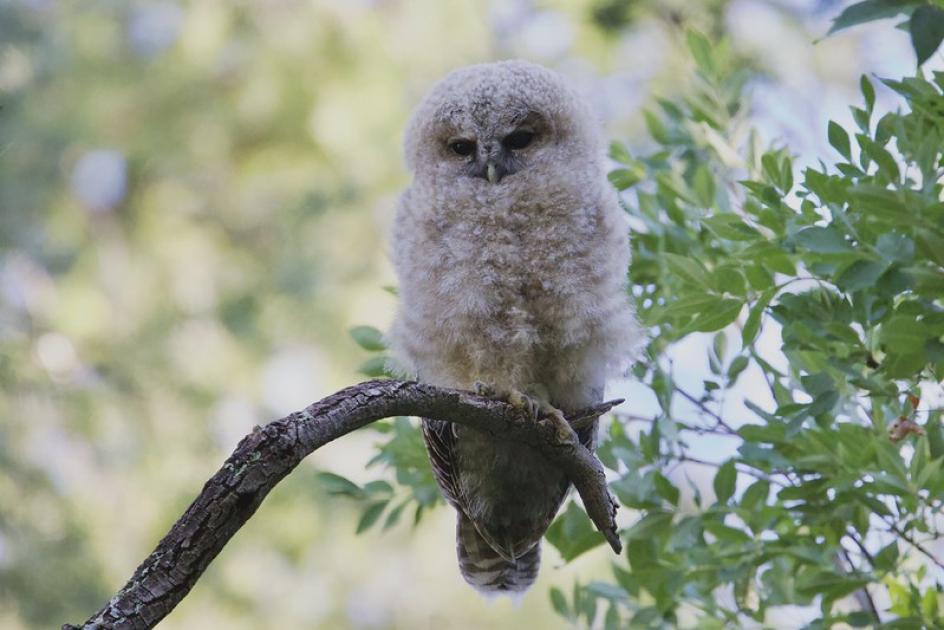
Lunch was enjoyed at the feeders back at the ranch, and some of the group then opted to hike South Fork, where Eared Quetzal had been heard several days earlier. It was pleasant walk and activity was good, but there was no sign of the Eared Quetzal. Grace’s Warbler and Hairy woodpecker were pleasant consolations, as were our best looks yet of the recently split Western Warbling Vireo. A quick visit to Bob Rodrigues’s yard before dinner was slightly more exciting than expected, though not because of the birds. A dust storm warning set off our phones’ emergency alerts, and sure enough we could see the massive cloud of dust and lightning towering over the valley in the distance. We kept a close eye on this and by the time we returned to the lodge for dinner, it had become significantly closer, perhaps only 2-3 miles out over the desert. The storm’s arrival during our delightful dinner provided by Jackie of George Walker House was pleasantly underwhelming, as the sky outside turned a distinct but decidedly vague orange, having dissipated somewhat upon it’s entry to the canyon. Much to our relief, even this was soon gone and we were able to conduct our post-dinner Spotted Owl search unimpeded. After parking up, we listened as Mexican Whip-poor-wills and Common Poorwills filled the warm evening air with calls. Canyon and Rock Wrens called from high above, and a Painted Redstart made some last calls before roosting for the night. The Spotted Owl didn’t make us wait too long this time, calling thrillingly close after around 20 minutes of quiet vigil. Moments later, we saw his silhouette alight above us and we were able to enjoy spectacular views of this special owl. A brief search for Elf Owl afterwards only turned up a brief, distant heard only, but the owling was a great success nonetheless. Night at Cave Creek Ranch.
Day 11: Our final day of birding, we started early with a search for Crissal Thrasher, which had so far eluded us. The cool morning air felt more promising than our quick afternoon search yesterday and sure enough one popped up at some distance and we were able to get scope views before it eventually came closer. Next on the docket was another look for Bendire’s Thrasher, as some of the group had missed the first one. Unfortunately this was not to be, though a handful of Lark Buntings were a consolation. We also enjoyed watching a Texas Horned Lizard feeding on ants on the roadside. We returned to the ranch to pack up the van and make our way to George Walker House, where an extensive breakfast spread awaited us. Normally excellent for hummingbirds, numbers here were again down like most other feeder stations this year. We were however able to enjoy close views of Juniper Titmouse, identifiable by the utter lack of pattern to its dull gray plumage. Its more boldly marked congener, Bridled Titmouse, also showed off and it was nice to see the two together.
Our final stop in the Chiricahuas was Rick Taylor’s yard in East Whitetail Canyon. The longest yard list in Arizona, this oasis is always a good place to bird, but we were here to seek out Lucifer Hummingbird which hadn’t been visiting its normal haunt at Ash Canyon. Rick graciously invited us to get comfortable and entertained us as we waited in the cool shade of several impressive sycamore trees. We enjoyed our best views yet of Rufous Hummingbird, and a male Lucifer Hummingbird soon made a brief visit. It took quite a while before the next visit, this time a female which stayed much longer. A final quick visit from the male and we had to bid farewell to Rick and the Chiricahuas and begin the long drive back to Tucson. We broke up the drive with a quick stop at Benson WTP, where Eared Grebes had been nesting. We quickly located the grebes and were fortunate to watch an adorable chick interacting with one of the parents in the near corner of the ponds. We also added our first Bank Swallow and another Wood Duck among a good showing of waterfowl. Night in Tucson.
Day 12: Flights out this morning.
- Ben Lucking, 2026

Single rooms or rooms with en suite facilities may not be available for the nights in Portal, AZ. See Tour Information for details.
Maximum group size seven with one leader.