
Photo Gallery
Photos by Steve Howell
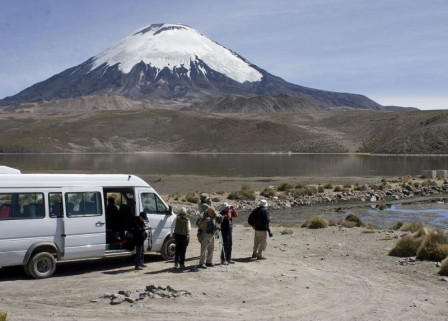
The varied landscapes of Chile contrast the breathtaking vistas at Lake Chungara, at an elevation of 15,001 feet on the Bolivian border…
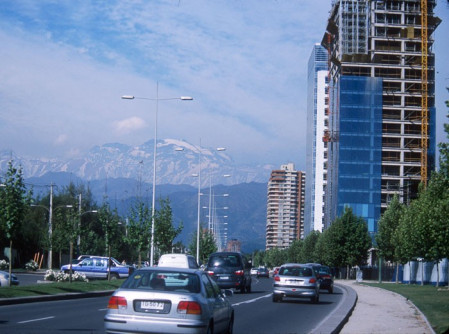
…with Santiago, its eastern skyline defined by the Andes, and…
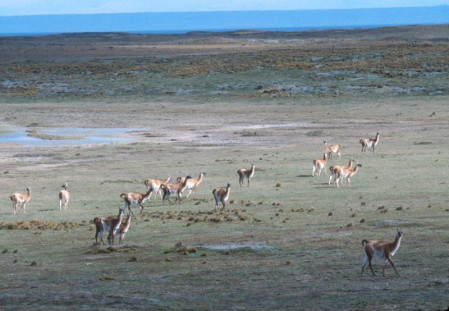
…the wide-open wilderness of Tierra del Fuego, where Guanacos roam…
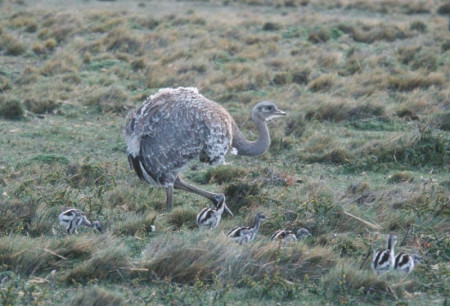
…and Darwin’s Rheas raise their families on the grasslands.
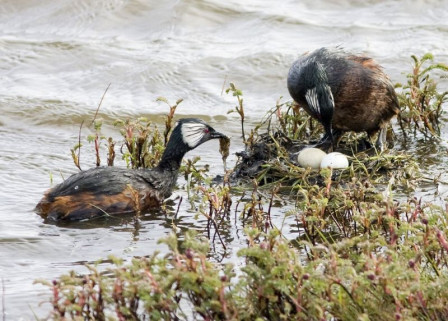
Southern Chile’s numerous waterbirds include White-tufted Grebe…
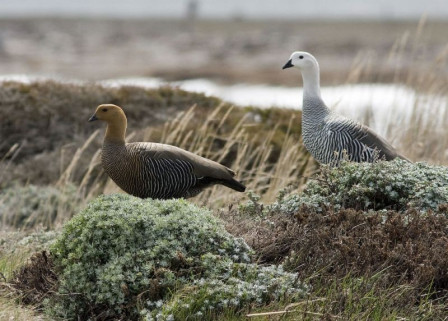
…the ubiquitous Upland Goose…
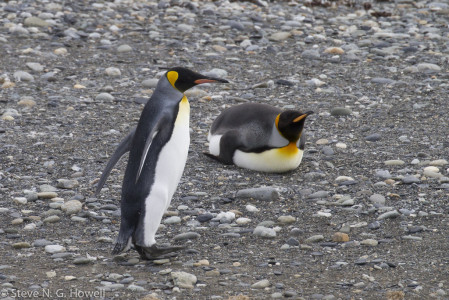
…and the simply stunning King Penguin…
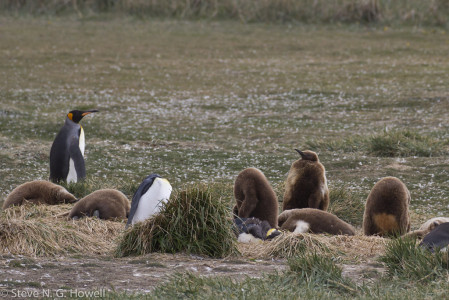
…which has recently founded a small colony on Tierra del Fuego…
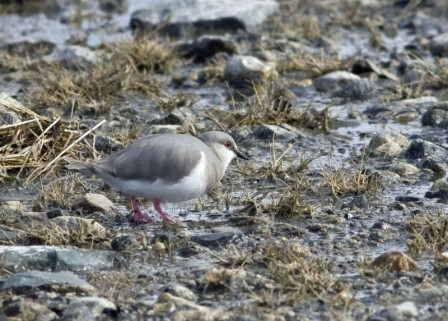
…while aberrant austral shorebirds feature the enigmatic Magellanic Plover.
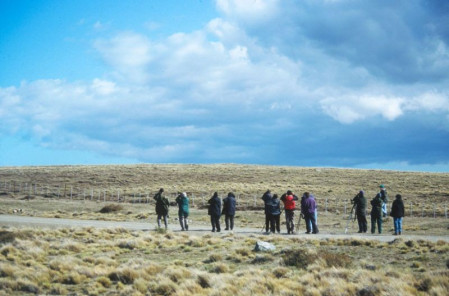
But then it’s time to leave the wide-open Patagonian steppes…
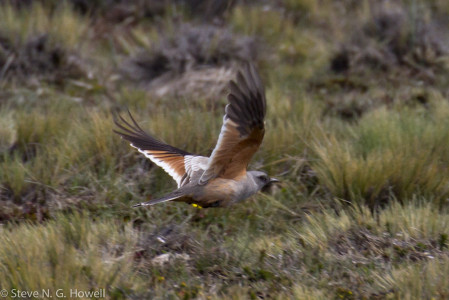
…home to the striking and delightfully named Chocolate-vented Tyrant…
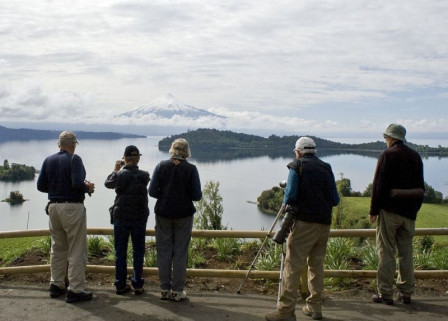
…and head north to the picturesque lake district…
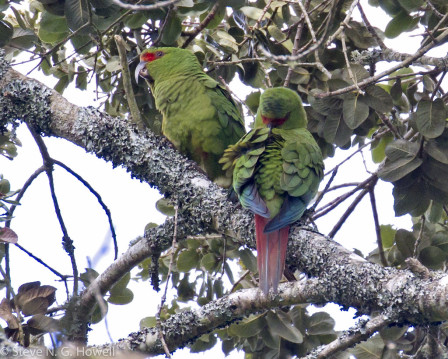
…home to the endemic Slender-billed Parakeet, …
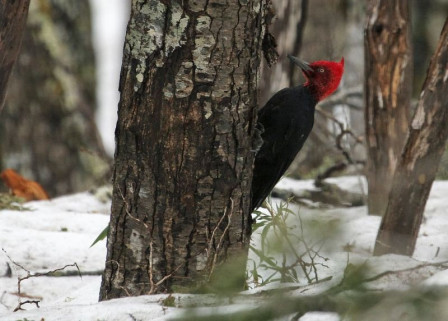
…the impressive Magellanic Woodpecker, here the red-headed male…
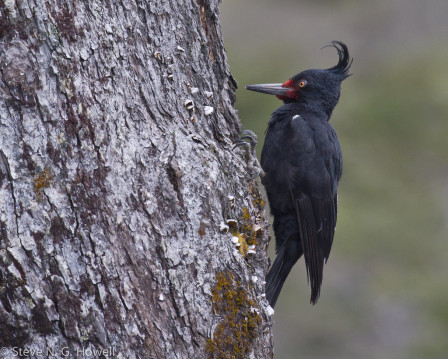
…and here the recurve-crested female.
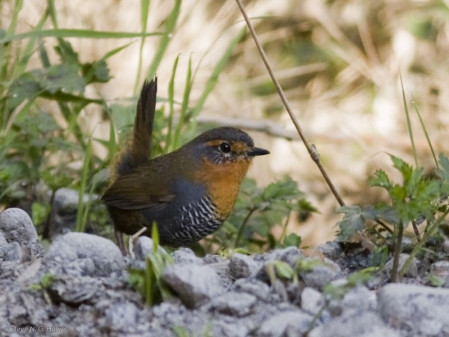
This area also hosts the onomatopoeic Chucao Tapaculo…
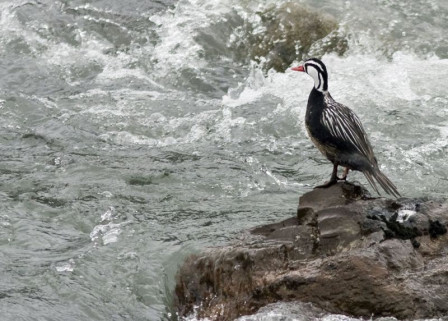
…and the iconic Torrent Duck.
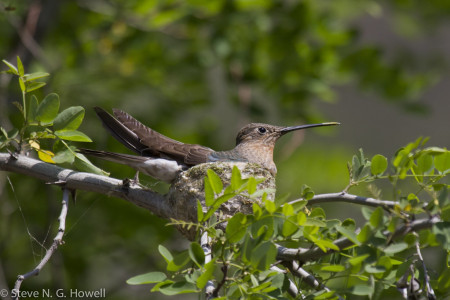
Back in central Chile, Giant Hummingbirds are nesting during our tour…
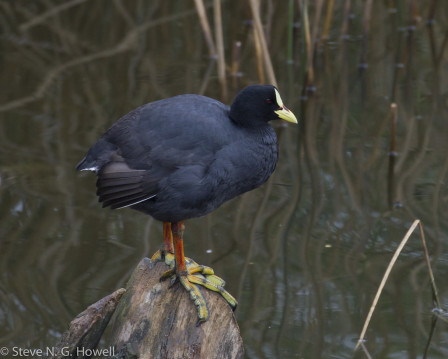
…as are three species of coots, including Red-gartered…
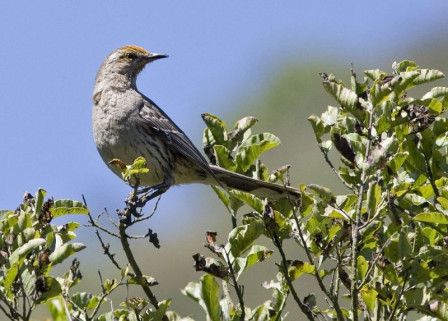
…and Chilean Mockingbirds sometimes dust their heads with golden pollen.
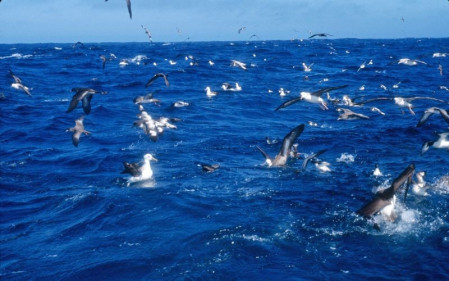
One morning we’ll cruise into the riches of the Humboldt Current…
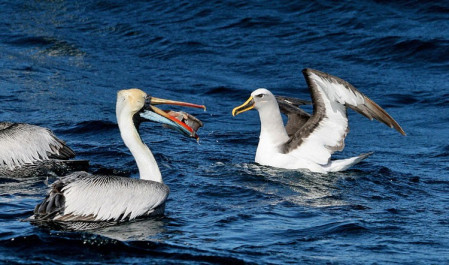
…where a Buller’s Albatross from New Zealand meet Peruvian Pelicans…
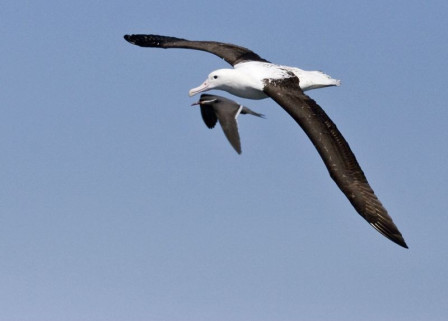
…and a Northern Royal Albatross from New Zealand shares airspace with a local Inca Tern.

A happy group of birders after another fabulous pelagic.
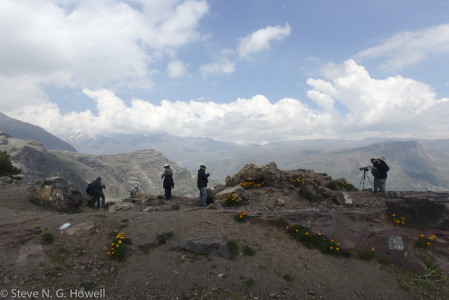
We’’ll then spend two days in the spectacular Andes near Santiago.
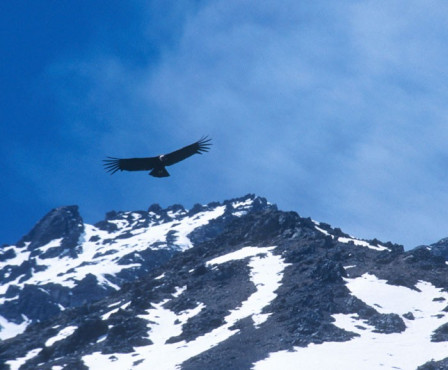
…with Andean Condors overhead.
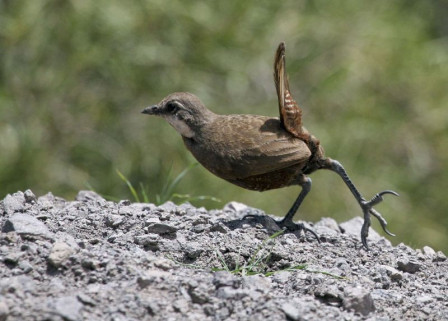
Species we’ll seek in the central Andes include the striking Moustached Turca (a dashing tapaculo!) …
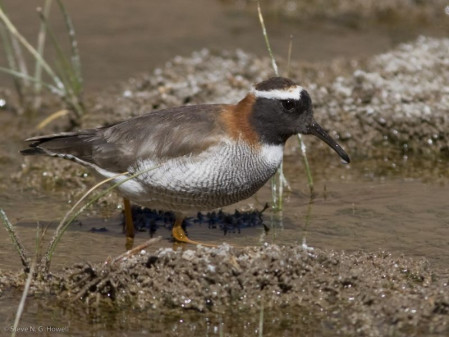
…and the superb little Diademed Sandpiper-Plover.
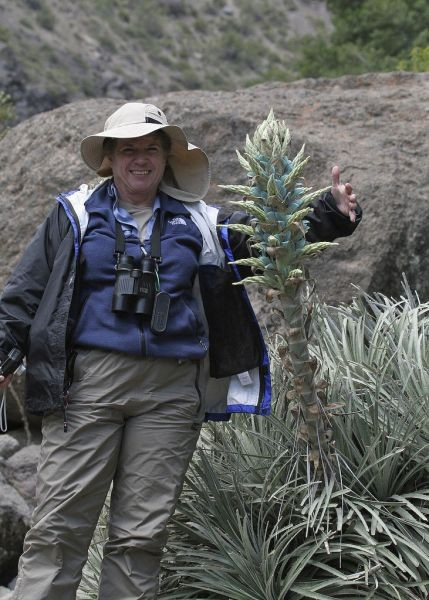
We’ll also experience Chile’s striking flora, from spectacular terrestrial bromeliads such as this Blue Puya…
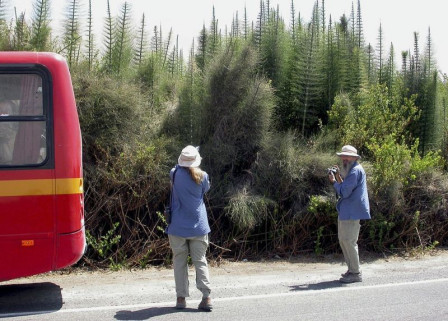
…to the famous giant horsetails of the far north.
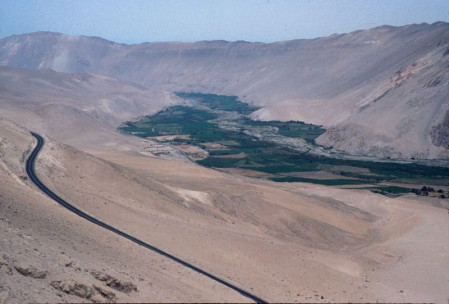
We’ll end our tour in northern Chile, where the starkness of the Atacama Desert contrasts with lush irrigated valleys.
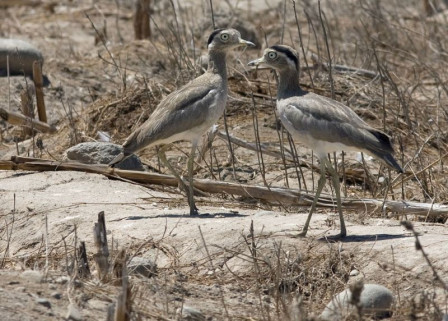
Species here include the cryptic Peruvian Thick-knee, a large nocturnal shorebird…
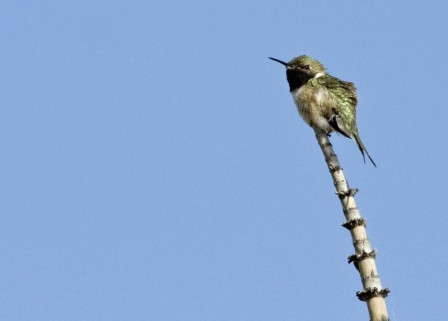
…and the endangered Chilean Woodstar.
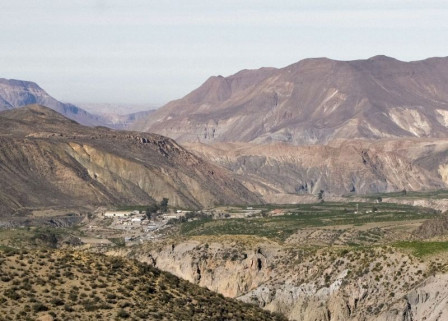
Putre is our base for three nights…
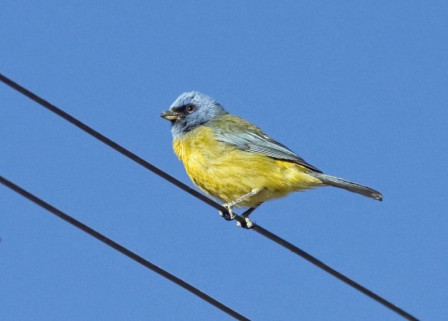
…and birds around our hotel include the colorful Blue-and-yellow Tanager…
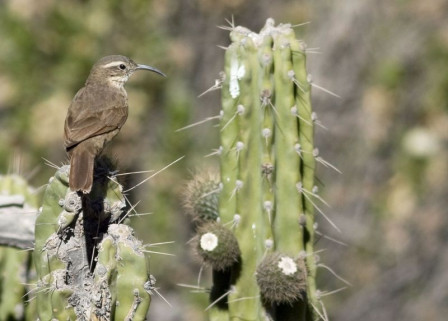
…and the local White-throated Earthcreeper.
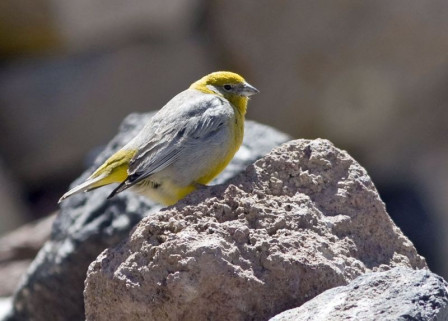
Other high Andean species we’ll seek include Bright-rumped Yellow-Finch…
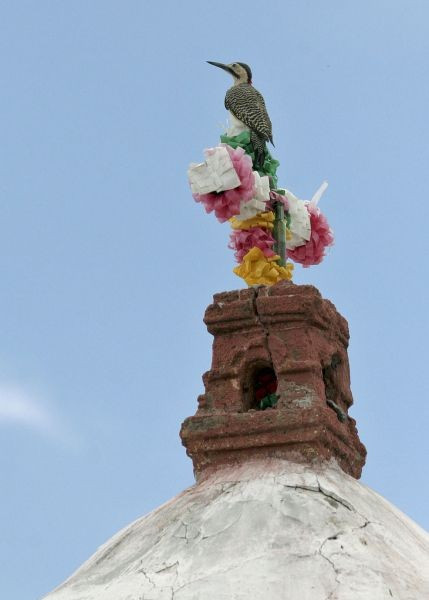
…Andean Flicker, here perched on a local church,…
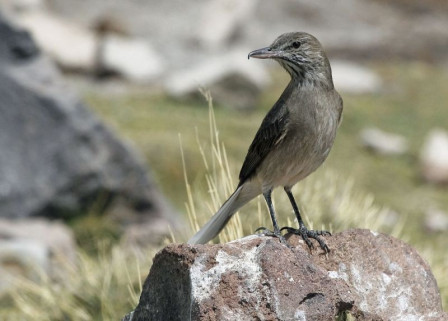
…and the scarce White-tailed Shrike-Tyrant.
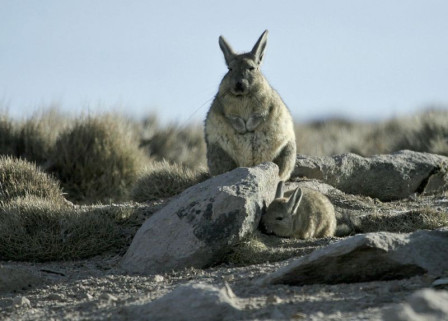
Mammals in the northern Andes include sleepy Vizcachas…
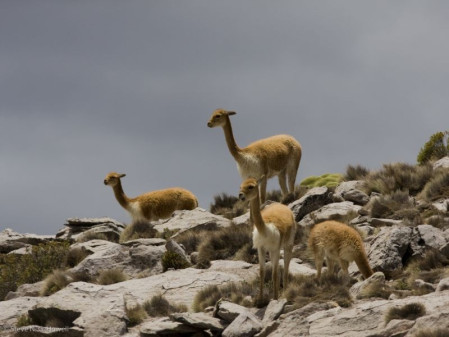
…and the elegant Vicuña, a common sight grazing on bogs.
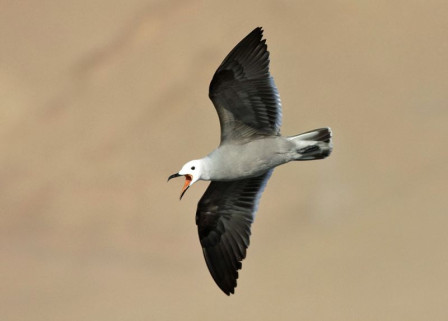
Back on the coast, handsome Gray Gulls serenade us to sleep for our last night, and then, all too soon, it’s over.